)

Monday, Feb 16, 2026

At a Glance
|
For decades, SETI Institute scientists have turned to Earth’s most extreme environments to understand how life persists at the edge of what biology allows. From frozen polar soils to hyper-arid deserts, these natural laboratories reveal the mechanisms that enable organisms to endure intense cold, prolonged dryness, and long periods without active metabolism. This work forms a critical foundation for astrobiology, guiding where and how researchers search for life beyond Earth.
In a recent SETI Live conversation, Deputy Director of the Carl Sagan Center, Simon Steel, spoke with evolutionary biologist Philipp Schiffer at the Institute of Zoology at the University of Cologne about a discovery that sharpens these questions. Their discussion connects a rare biological revival in the laboratory with broader questions about climate history, planetary science, and the search for habitable worlds.
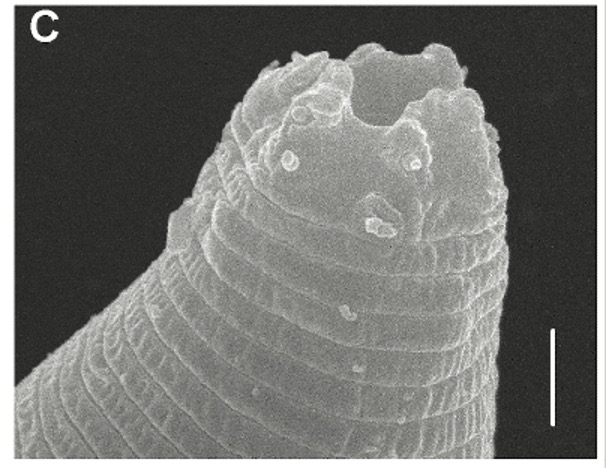
General morphology of P. kolymaensis, female. Credit: PLOS Genetics, Shatilovich et al. (2023)
Finding Life in Frozen Soil
The research began with soil samples collected from Siberian permafrost as part of long-term studies of ancient climate conditions. When a small portion of this frozen material was thawed in the laboratory, researchers noticed a living nematode, a microscopic roundworm, emerging from the sample.
Further observation showed that the worm did more than simply respond to warmth. It resumed normal biological activity, including feeding, growth, and reproduction, indicating that its cellular and metabolic systems had fully restarted after a prolonged period of dormancy.
Radiocarbon dating of nearby plant material placed the age of the surrounding soil at approximately 46,000 years. This situates the sample in the late Pleistocene, an era when woolly mammoths still roamed in the Northern Hemisphere, providing a well-defined geological and climatic context for the organism’s long-term preservation.
What is Cryptobiosis?
To understand how this revival was possible, scientists turned to a survival process known as cryptobiosis. In this state, an organism’s metabolism slows to nearly undetectable levels. Water leaves the cells, biochemical reactions largely halt, and the organism enters a form of biological standby.
This mechanism allows certain organisms to survive extreme cold or prolonged desiccation without catastrophic cellular damage. Rather than actively living, they remain preserved until environmental conditions once again become favorable.
The Role of Trehalose
Philipp Schiffer explains that part of this protection comes from specialized molecules that stabilize cells during cryptobiosis. One of the most important is trehalose, a sugar.
Trehalose acts like a molecular stabilizer, helping protect cell membranes and proteins as water leaves the cell and chemical activity slows. This reduces the structural damage that would normally occur during freezing or drying.
By comparing the DNA of the revived worms with that of a modern nematode species, researchers are working to identify the genes that regulate trehalose production and other protective pathways. This comparison aims to reveal how small genetic differences can enable survival under conditions that would otherwise be fatal.
Lessons From a Microscopic Survivor
Nematodes are tiny worms, typically less than a millimeter long, and they inhabit nearly every ecosystem on Earth, from garden soil to polar regions. Although simple in appearance, their genetic architecture can be remarkably complex.
The revived worm belongs to a parthenogenetic group, meaning it can reproduce without a mate through a form of asexual reproduction. In these nematodes, offspring develop from unfertilized eggs, allowing a single individual to establish a stable laboratory population. This enables researchers to study the worm’s biology and genetics in detail, including how its genome and cellular systems support long-term survival under extreme stress and how these survival strategies may evolve over time.
Earth as a Guide to Other Worlds
Because cryptobiosis allows life to persist at environmental extremes, SETI Institute researchers frequently study Earth analog environments to inform the search for life beyond our planet. One key example is Chile’s Atacama Desert, among the driest regions on Earth and a close analog for conditions on Mars.
Philipp Schiffer’s team has documented diverse nematode populations across the Atacama, from coastal plains to high-altitude plateaus. These findings show that even in places with very little water and strong radiation, microscopic life can form stable communities. For planetary scientists, this suggests that protected or subsurface areas may be the most promising places to search for life beyond Earth.
What This Discovery Teaches Us
The revival of a 46,000-year-old worm demonstrates that life can survive not only harsh environments but also immense spans of time. It strengthens the hypothesis that dormant organisms could persist in frozen soils on Mars or beneath the icy crusts of moons such as Europa.
On Earth, the research carries practical implications as well. Understanding how cells protect themselves during prolonged metabolic suspension may inform strategies for preserving seeds, storing biological samples, and maintaining resilient soil ecosystems as climates grow hotter and drier.
Looking Ahead
As research continues, scientists are focusing on how genetic systems support long-term survival in extreme conditions. By comparing genomes from permafrost-preserved nematodes with those from deserts and other harsh environments, researchers aim to identify the molecular tools that allow life to pause and restart.
Fieldwork in Mars-like environments on Earth, such as the Atacama Desert, will continue to guide future missions in their search for hidden or dormant life. Together, these efforts connect laboratory biology with planetary exploration, deepening scientific understanding of how life may endure across both deep time and distant worlds.
Watch the full SETI Live conversation here.







News
Related News
Jul 2, 2026
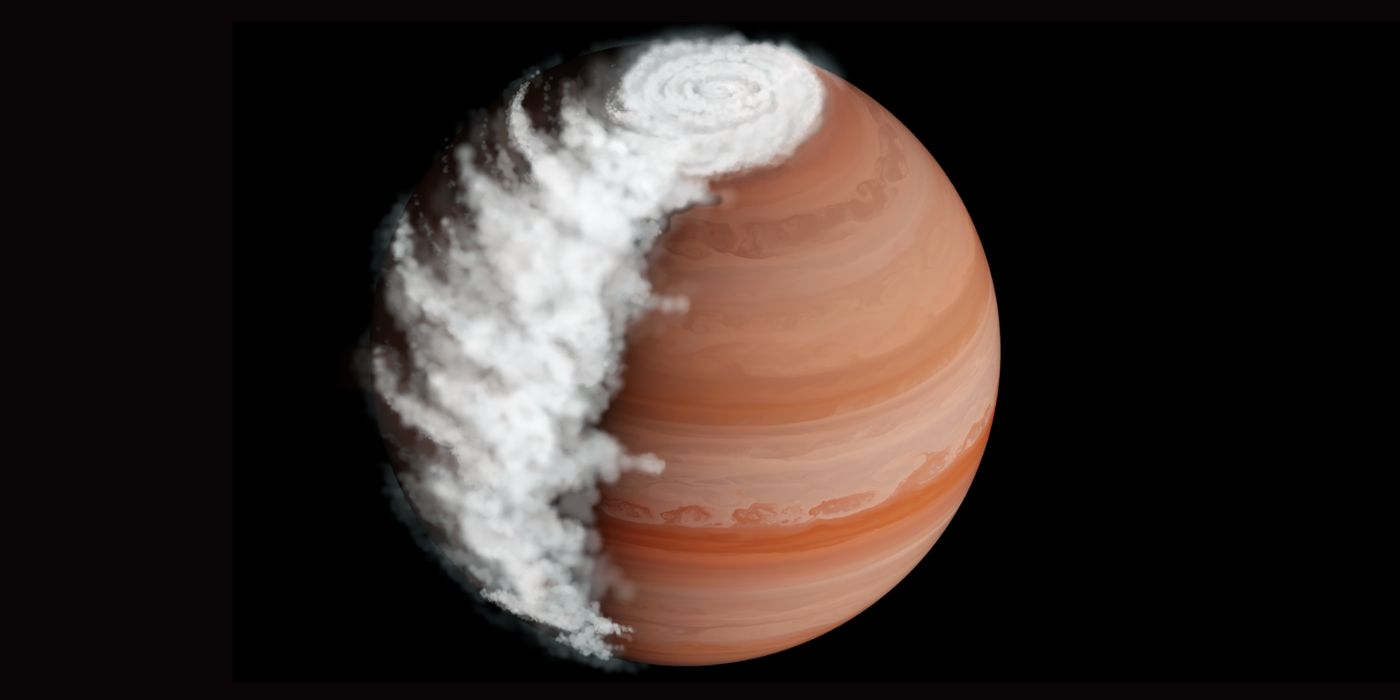
How Clouds Hide Alien Worlds—and How Astronomers See Through Them
#Blog #Lauren Sgro
Jun 29, 2026
Humanity's Plan for First Contact: Who Speaks for Earth?
#Blog #Lauren Sgro #Lucian Walkowicz #Chelsea Haramia #SETI #SETI Institute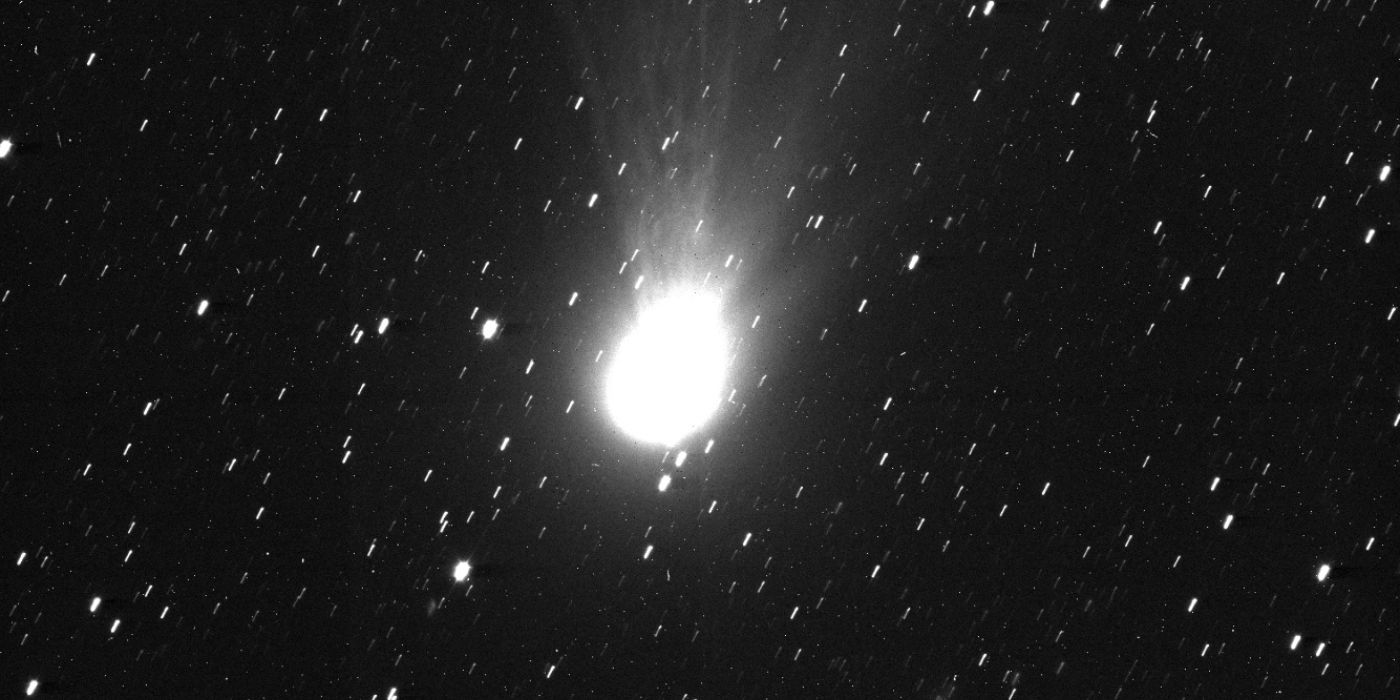
Jun 26, 2026
What Juice Revealed About Interstellar Comet 3I/ATLAS
#Blog #3I/ATLAS #Franck Marchis #Juice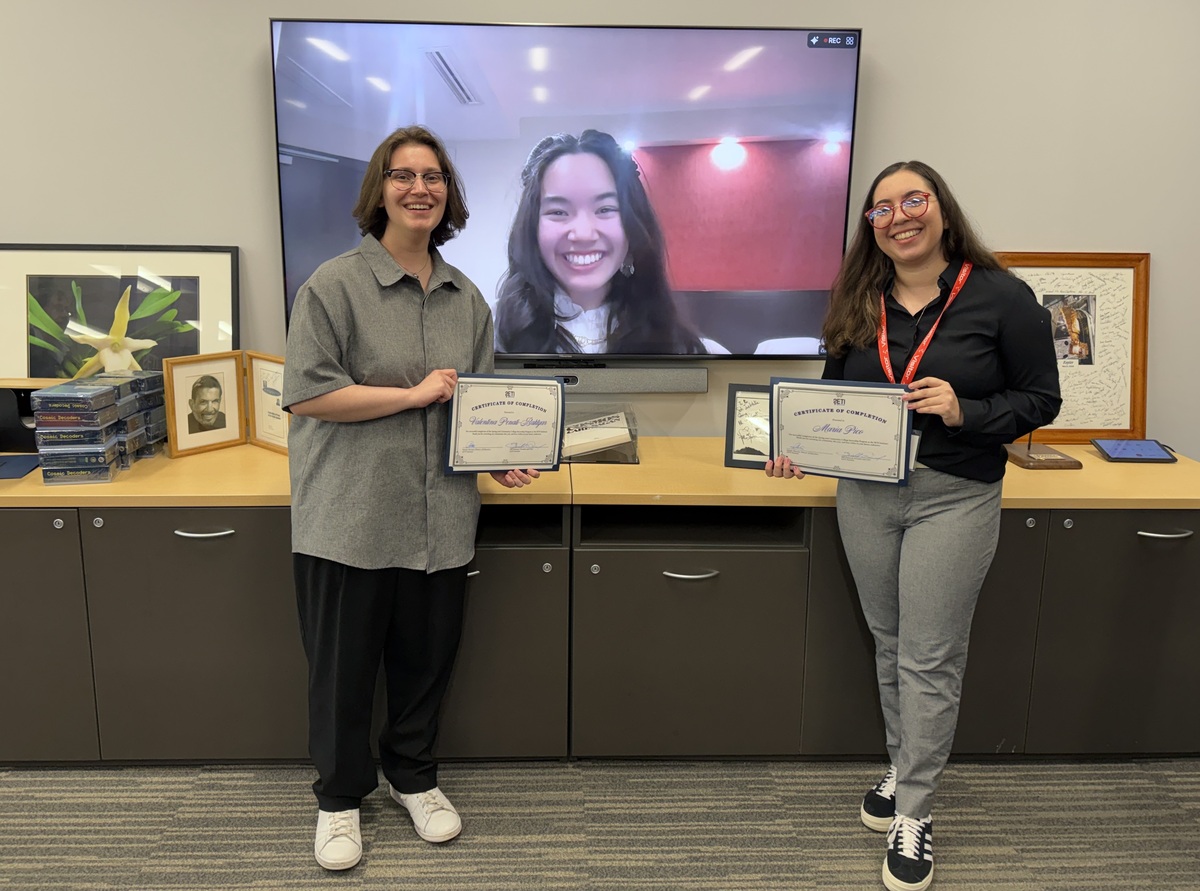
Jun 17, 2026
Community College Internship Program Celebrates Fourth Year of Student Research Achievement
#Community College Internship #Education #Lauren Sgro #Unistellar #Uma Gorti #Douglas Caldwell #Pamela Harman #Simon Steel
Jun 12, 2026
Not Planets, Not Stars: NASA Volunteers Doubled the Number of Known Brown Dwarfs
#Blog #Lauren Sgro
Jun 11, 2026
Life is But a Stream: Planetary Systems Along Stellar Streams
#Blog #Moiya McTier
Jul 2, 2026
#Blog
#Lauren Sgro
Jun 29, 2026
#Blog
#Lauren Sgro
#Lucian Walkowicz
#Chelsea Haramia
#SETI
#SETI Institute
Humanity's Plan for First Contact: Who Speaks for Earth?
Jun 26, 2026
#Blog
#3I/ATLAS
#Franck Marchis
#Juice
What Juice Revealed About Interstellar Comet 3I/ATLAS
Jun 17, 2026
#Community College Internship
#Education
#Lauren Sgro
#Unistellar
#Uma Gorti
#Douglas Caldwell
#Pamela Harman
#Simon Steel
Community College Internship Program Celebrates Fourth Year of Student Research Achievement
Jun 12, 2026
#Blog
#Lauren Sgro
Not Planets, Not Stars: NASA Volunteers Doubled the Number of Known Brown Dwarfs
Jun 11, 2026
#Blog
#Moiya McTier
Life is But a Stream: Planetary Systems Along Stellar Streams
Research
Related Projects

SkyMapper • SETI • Citizen Science • Astronomy
SkyMapper: Expanding Access to Real-time Astronomy Through a Global Astronomical Network
SkyMapper and the SETI Institute are connecting educators, students and the public to live astronomical observations through a distributed astronomical network. #SkyMapper #SETI #Citizen Science #Astronomy
VPL
Virtual Planetary Laboratory
How can we best assess whether an exoplanet supports life? #VPL
Discovery and Futures Lab
Discovery and Futures Lab
What happens if life beyond Earth is discovered? The Discovery and Futures Lab at the SETI Institute fosters novel and anticipatory research at the intersection of science, society, our planet, and the search for life beyond Earth. #Discovery and Futures Lab
May 17, 2026
SkyMapper: Expanding Access to Real-time Astronomy Through a Global Astronomical Network
SkyMapper and the SETI Institute are connecting educators, students and the public to live astronomical observations through a distributed astronomical network.
#SkyMapper
#SETI
#Citizen Science
#Astronomy
May 5, 2026
Virtual Planetary Laboratory
How can we best assess whether an exoplanet supports life?
#VPL
Apr 16, 2026
Discovery and Futures Lab
What happens if life beyond Earth is discovered? The Discovery and Futures Lab at the SETI Institute fosters novel and anticipatory research at the intersection of science, society, our planet, and the search for life beyond Earth.
#Discovery and Futures Lab
Support Us
Support the
SETI Institute
Scientists are getting closer in their search for life beyond earth. But with limited federal funding for the search for extraterrestrial intelligence, supporters are the reason cutting-edge scientists can keep their eyes on the sky.
