)

Friday, May 08, 2026

At a Glance
Looking ahead: Future observations with high-resolution millimeter-wave telescopes are needed to detect specific molecular signatures. |
In the summer of 2022, the James Webb Space Telescope (JWST) captured images of peculiar, compact objects that defied existing cosmological simulations. Known as little red dots, these entities appear as tiny, point-like shapes with a distinct reddish hue in deep-field observations. While they appear small to the eye, they represent a significant challenge to our understanding of the early universe.
The SETI Institute recently hosted a conversation with the Deputy Director of the Carl Sagan Center for Research, Dr. Simon Steel, and ICRANet researchers Dr. Remo Ruffini and Dr. Yu Wang to discuss their research on these objects.
ICRANet researcher Dr. Yu Wang explains that these objects are located at extreme distances, seen when the universe was only a few hundred million years old. Physically, these "dots" are roughly 1 percent the size of the Milky Way. Despite their diminutive scale, they harbor massive central engines with masses ranging from one million to nearly 30 million solar masses.
Islands of Tranquility in a Chaotic Universe
Traditionally, the environments surrounding supermassive black holes are viewed as violent and inhospitable. However, the researchers propose a different paradigm: these little red dots may act as “islands of tranquility.”
Dr. Ruffini, who helped pioneer black hole physics alongside John Archibald Wheeler, notes that the center of our own galaxy provides a template for this phenomenon. Unlike active galactic nuclei (AGN) that emit lethal levels of X-ray radiation, the centers of the Milky Way and these little red dots appear remarkably gentle. This "quietness" is essential because high-energy radiation typically destroys the delicate bonds of organic molecules.
The Role of Dark Matter
A central pillar of this research is the hypothesis that these objects are seeded by dark matter rather than standard baryonic matter. The researchers propose the existence of a new fundamental particle: a fermion with a mass of approximately 300 keV.
- These particles, dubbed ex-fermions, interact only gravitationally.
- They form large concentrations that act as the gravitational "seeds" for the little red dots.
- This dark matter structure provides a stable, cool environment that allows gas and dust to accumulate without the intense heating seen in other early-universe structures.
Brewing the Building Blocks of Life
The primary significance of these tranquil environments lies in their potential to host prebiotic molecules, which are precursors to biomolecules such as amino acids and sugars. For these molecules to synthesize, specific conditions must be met: a high density of gas and dust, and temperatures below 50 Kelvin.
Dr. Wang suggests that the universe may not produce life from start to finish in a single location. Instead, these little red dots could manufacture the initial ingredients, which are later distributed throughout the cosmos by galaxy mergers and supernova feedback.
Reshaping the Cosmological Timeline
This research suggests that the "chicken and egg" problem of whether galaxies or black holes came first may have a nuanced answer. The little red dots appear to be proto-galaxies where the central black hole dominates early evolution.
The existence of such massive, quiet objects so early in the universe indicates that the conditions for life’s chemistry were present much earlier than previously thought. If these “galactic oases” are distributed democratically across the cosmos, the potential for life's building blocks to emerge is universal.
Looking Ahead: The Next Generation of Observations
While the JWST has identified these objects, it cannot detect the specific millimeter-wave signatures of the prebiotic molecules themselves. Current facilities, such as the Atacama Large Millimeter/submillimeter Array (ALMA), lack the resolution to distinguish these faint emission lines at such great distances.
The SETI Institute continues to monitor these developments, as the next generation of telescopes will be required to confirm the presence of these molecular reservoirs. Understanding these "islands of tranquility" may ultimately reveal that the story of our own existence began in the silent, red hearts of the earliest galaxies.
Watch the full SETI Live conversation here. Read the press release and the published paper.
Final questions
1. What are “little red dots” discovered by the James Webb Space Telescope?
“Little red dots” are compact, high-redshift galaxies discovered by the James Webb Space Telescope. They appear as small, reddish objects in deep-space images and are believed to contain massive black holes despite their tiny size. These galaxies provide new insights into the early universe and challenge existing theories of galaxy formation.
2. Why are little red dots important for understanding early galaxy formation?
Little red dots are important because they appear much earlier and more massive than expected. Their existence suggests that galaxy formation and black hole growth may have occurred faster or through different processes than current models predict, reshaping our understanding of cosmic evolution.
3. How could little red dot galaxies contribute to the origin of life?
Scientists suggest that little red dots may create stable, low-radiation environments where prebiotic molecules can form. These molecules are essential building blocks of life, and such galaxies could act as early cosmic sites where life’s chemistry begins before spreading across the universe.







News
Related News
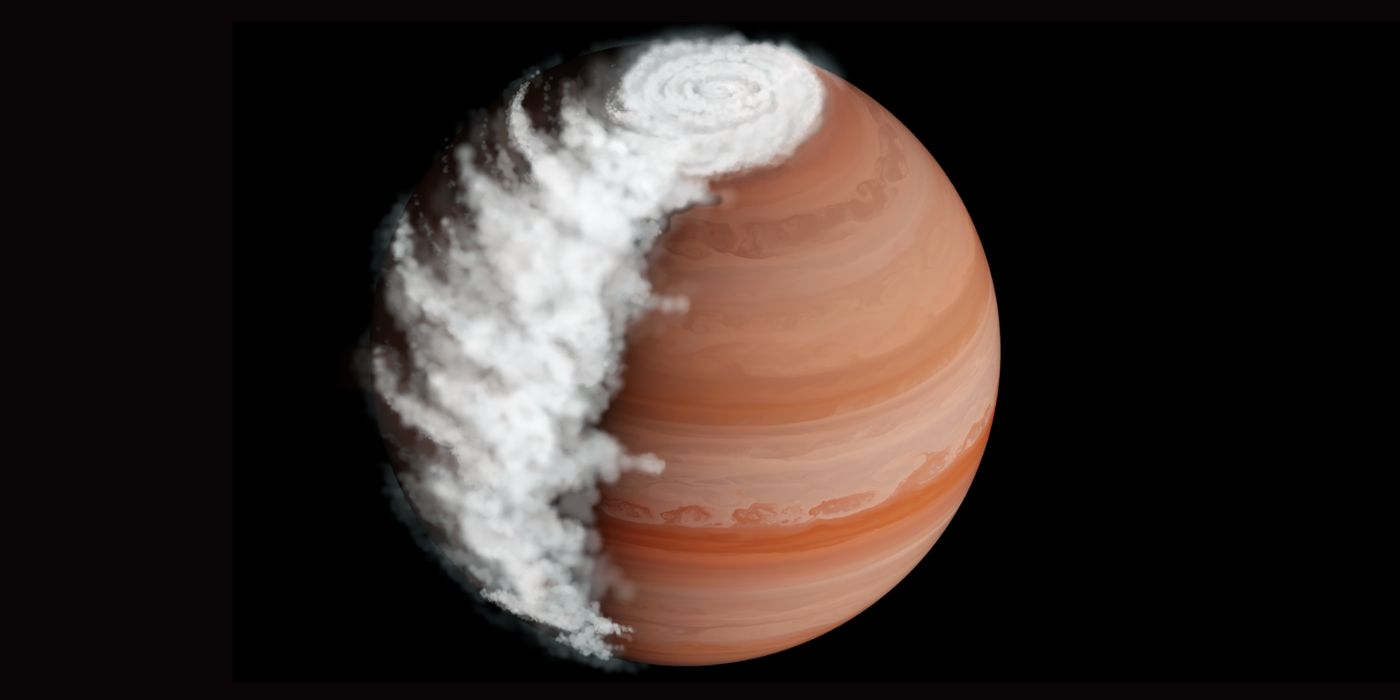
Jul 2, 2026
How Clouds Hide Alien Worlds—and How Astronomers See Through Them
#Blog #Lauren Sgro
Jun 29, 2026
Humanity's Plan for First Contact: Who Speaks for Earth?
#Blog #Lauren Sgro #Lucian Walkowicz #Chelsea Haramia #SETI #SETI Institute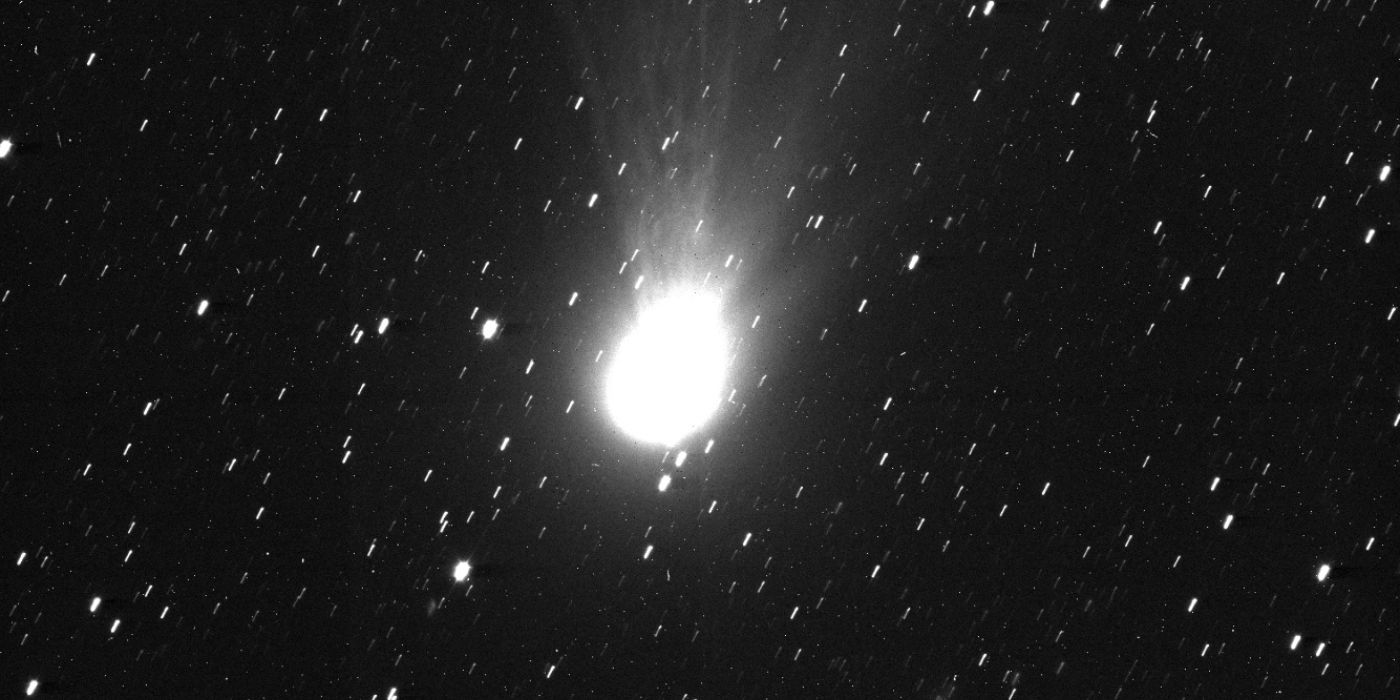
Jun 26, 2026
What Juice Revealed About Interstellar Comet 3I/ATLAS
#Blog #3I/ATLAS #Franck Marchis #Juice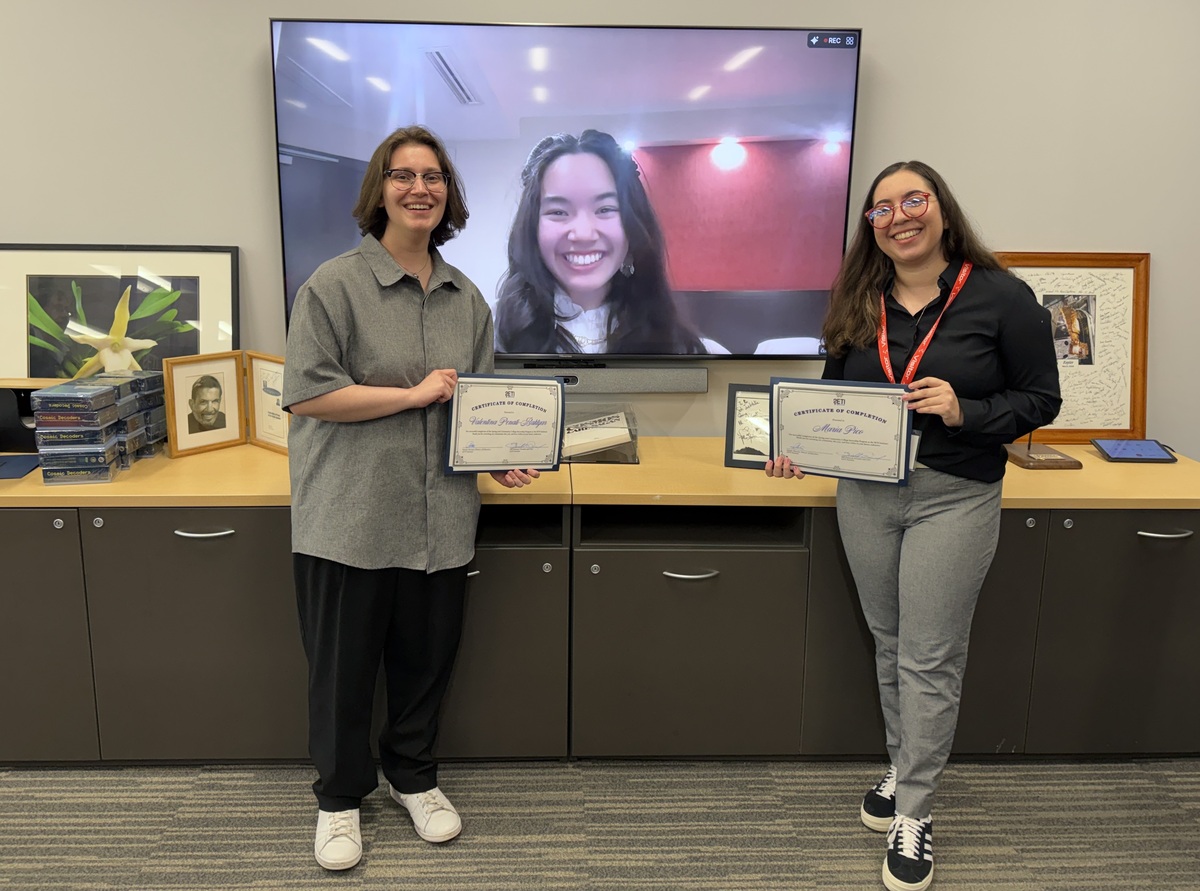
Jun 17, 2026
Community College Internship Program Celebrates Fourth Year of Student Research Achievement
#Community College Internship #Education #Lauren Sgro #Unistellar #Uma Gorti #Douglas Caldwell #Pamela Harman #Simon Steel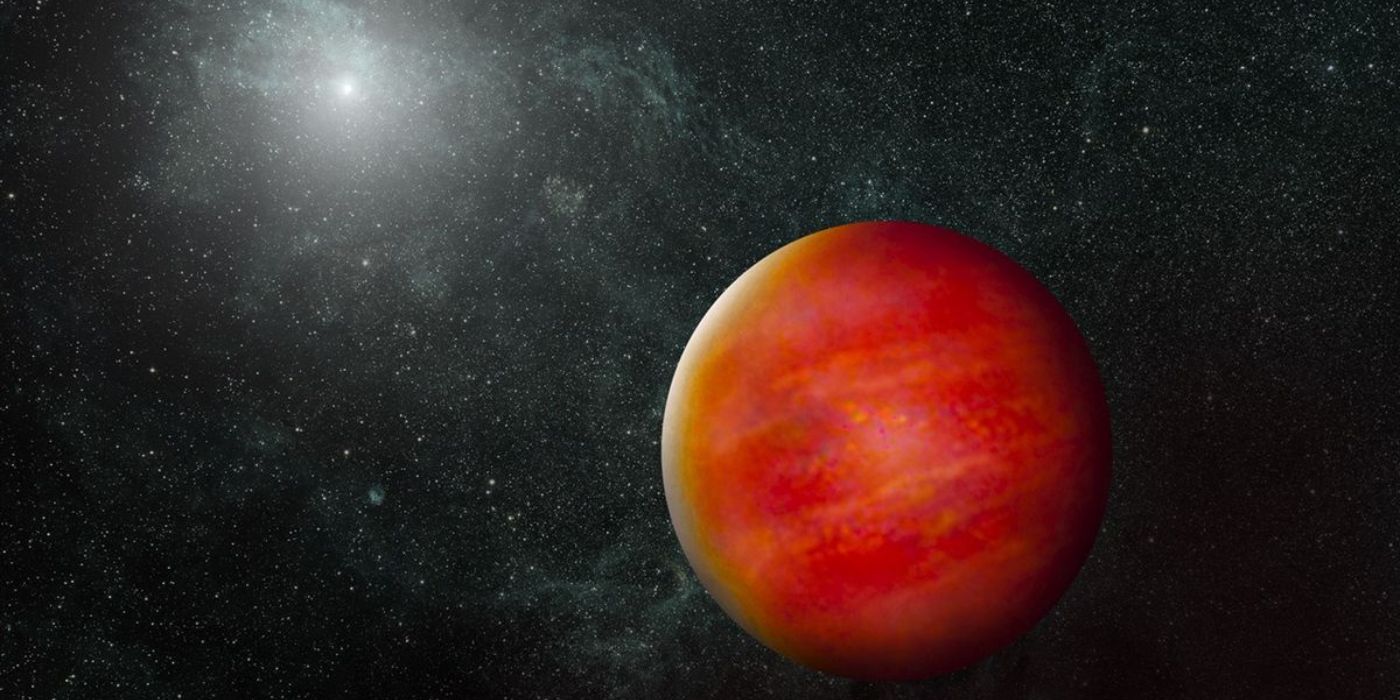
Jun 12, 2026
Not Planets, Not Stars: NASA Volunteers Doubled the Number of Known Brown Dwarfs
#Blog #Lauren Sgro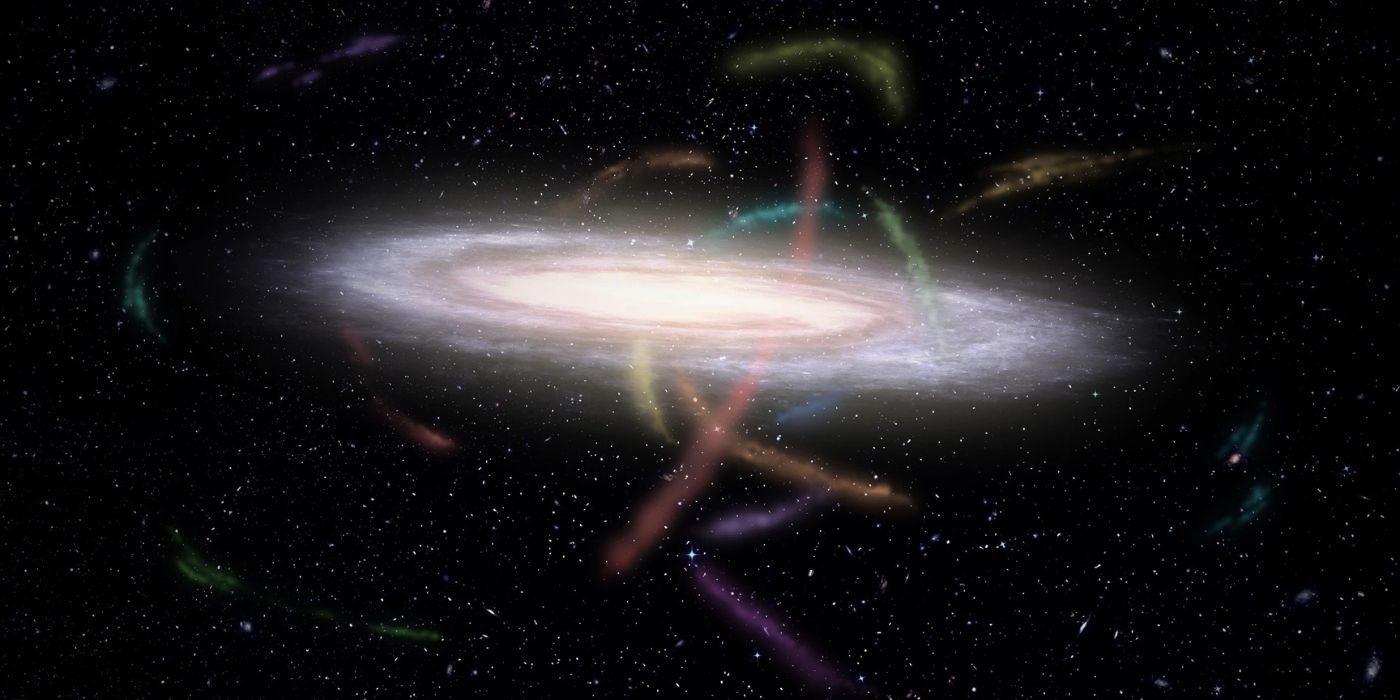
Jun 11, 2026
Life is But a Stream: Planetary Systems Along Stellar Streams
#Blog #Moiya McTier
Jul 2, 2026
#Blog
#Lauren Sgro
Jun 29, 2026
#Blog
#Lauren Sgro
#Lucian Walkowicz
#Chelsea Haramia
#SETI
#SETI Institute
Humanity's Plan for First Contact: Who Speaks for Earth?
Jun 26, 2026
#Blog
#3I/ATLAS
#Franck Marchis
#Juice
What Juice Revealed About Interstellar Comet 3I/ATLAS
Jun 17, 2026
#Community College Internship
#Education
#Lauren Sgro
#Unistellar
#Uma Gorti
#Douglas Caldwell
#Pamela Harman
#Simon Steel
Community College Internship Program Celebrates Fourth Year of Student Research Achievement
Jun 12, 2026
#Blog
#Lauren Sgro
Not Planets, Not Stars: NASA Volunteers Doubled the Number of Known Brown Dwarfs
Jun 11, 2026
#Blog
#Moiya McTier
Life is But a Stream: Planetary Systems Along Stellar Streams
Research
Related Projects

SkyMapper • SETI • Citizen Science • Astronomy
SkyMapper: Expanding Access to Real-time Astronomy Through a Global Astronomical Network
SkyMapper and the SETI Institute are connecting educators, students and the public to live astronomical observations through a distributed astronomical network. #SkyMapper #SETI #Citizen Science #Astronomy
VPL
Virtual Planetary Laboratory
How can we best assess whether an exoplanet supports life? #VPL
Discovery and Futures Lab
Discovery and Futures Lab
What happens if life beyond Earth is discovered? The Discovery and Futures Lab at the SETI Institute fosters novel and anticipatory research at the intersection of science, society, our planet, and the search for life beyond Earth. #Discovery and Futures Lab
May 17, 2026
SkyMapper: Expanding Access to Real-time Astronomy Through a Global Astronomical Network
SkyMapper and the SETI Institute are connecting educators, students and the public to live astronomical observations through a distributed astronomical network.
#SkyMapper
#SETI
#Citizen Science
#Astronomy
May 5, 2026
Virtual Planetary Laboratory
How can we best assess whether an exoplanet supports life?
#VPL
Apr 16, 2026
Discovery and Futures Lab
What happens if life beyond Earth is discovered? The Discovery and Futures Lab at the SETI Institute fosters novel and anticipatory research at the intersection of science, society, our planet, and the search for life beyond Earth.
#Discovery and Futures Lab
Support Us
Support the
SETI Institute
Scientists are getting closer in their search for life beyond earth. But with limited federal funding for the search for extraterrestrial intelligence, supporters are the reason cutting-edge scientists can keep their eyes on the sky.
