)

Friday, Nov 14, 2025

This artist’s concept shows the volatile red dwarf star TRAPPIST-1 and its four most closely orbiting planets, all of which have been observed by NASA’s James Webb Space Telescope (JWST). JWST has yet to find definitive signs of an atmosphere around any of these worlds. Artwork: NASA, ESA, CSA, STScI, Joseph Olmsted (STScI)
At a Glance
|
When the James Webb Space Telescope (JWST) began its exoplanet observations, few systems were as anticipated as TRAPPIST-1, a compact collection of seven Earth-sized worlds orbiting an ultracool red dwarf star about 40 light-years away. Among those worlds, TRAPPIST-1 e stands out – it lies in the star’s habitable zone, where surface temperatures could, in theory, allow liquid water to exist.
In a recent SETI Live episode, host Dr. Moiya McTier spoke with Postdoctoral Researcher Dr. Ana Glidden (MIT) and STScI astronomer Dr. Néstor Espinoza about the newest JWST results probing the possible atmosphere of TRAPPIST-1 e. Their findings are both exciting and humbling, highlighting the challenges of characterizing such small, distant worlds, even with our most advanced telescopes.
Probing a Planet We Can’t See
Unlike imaging gas giants or young planets glowing with residual heat, TRAPPIST-1 e cannot be directly seen. JWST relies on transmission spectroscopy, a technique pioneered in the early 2000s by astronomer Sara Seager.
When a planet passes, or transits, in front of its host star, a tiny fraction of starlight filters through the planet’s atmosphere. Molecules in that atmosphere absorb specific wavelengths, leaving tell-tale spectral fingerprints. By measuring how the planet’s apparent size changes with wavelength, astronomers can infer which gases, such as CO₂, CH₄, or H₂O, might be present.
However, for an Earth-sized planet around a faint, active red dwarf, those signals are extremely small, on the order of tens of parts per million.
The DREAMS Program and Guaranteed Time Science
Both Dr. Glidden and Dr. Espinoza are part of JWST’s DREAMS (Deep Reconnaissance of Exoplanet Atmospheres using Multi-Instrument Spectroscopy) program. The project aims to push JWST to its limits by targeting three categories of exoplanets: a terrestrial planet (TRAPPIST-1 e), a warm Neptune, and a hot Jupiter.
Their early data have already produced notable results, including the first detection of quartz clouds in the atmosphere of WASP-17 b. For TRAPPIST-1 e, the goal is to determine whether the planet has retained an atmosphere or is a bare, airless rock.
What JWST Has Found So Far
In Dr. Glidden’s paper, the team analyzed four JWST transits of TRAPPIST-1 e. The results suggest two competing scenarios are still possible:
- A Secondary, Heavy Atmosphere dominated by nitrogen (similar to Earth) with potential traces of methane
- A Bare Rocky Surface with no substantial gaseous envelope detected
Notably, the data show no strong evidence for carbon dioxide, which rules out a Venus- or Mars-like CO₂-dominated atmosphere. Still, the current observations aren’t yet sensitive enough to confirm or exclude thinner atmospheres entirely.
Dr. Glidden explained that TRAPPIST-1 e is equally likely to have or not have an atmosphere. More data is needed, mainly since JWST has observed the planet only four times so far.
The Challenge of Red Dwarfs
TRAPPIST-1’s host star is a red dwarf, cooler and much smaller than our Sun. These stars are attractive observational targets because their small size makes planetary transits more easily detectable. But they are also highly magnetically active, producing flares and coronal mass ejections (CMEs) that could strip planetary atmospheres over time.
Modeling these effects is complex. Red dwarfs are fully convective, meaning energy moves through the churning plasma rather than via radiative zones like the Sun. This difference makes their magnetic activity unpredictable. Yet, despite these challenges, small, cool stars remain our best laboratories for studying terrestrial exoplanets with our current instruments.
Climate Modeling and Habitability
Researchers are also using the TRAPPIST-1 e data to test 3D climate models. The planet is likely tidally locked, with one side permanently facing its star. This could create a sharp temperature contrast, potentially leaving a stable, temperate region near the sub-stellar point.
If TRAPPIST-1 e does retain even a thin atmosphere, heat circulation could allow for liquid water in that region.
What Comes Next
The team’s next phase of observations is already underway: fifteen additional JWST transits of TRAPPIST-1 e, as well as observations of TRAPPIST-1 b, the system’s innermost planet. Comparing these datasets will help researchers subtract out the variability of the active star, revealing the planets’ true spectral features.
Dr. Espinoza described the effort as an ambitious program, utilizing 130 hours of telescope time to focus on a single system. If successful, it could represent the first definitive detection, or non-detection, of an atmosphere on an Earth-sized exoplanet.
A Window into Other Worlds
Whether TRAPPIST-1 e proves to have an atmosphere or not, the results will shape how astronomers interpret habitable zones and the resilience of planetary atmospheres around red dwarfs. A null result, as Dr. Espinoza reminds us, is still valuable: “Finding that it doesn’t have an atmosphere could teach us that we’re special here on Earth, and to love our planet even more.”
Watch the full conversation on SETI Live. Read Dr. Glidden’s paper here, and Dr. Espinoza’s paper here.







News
Related News
Jul 2, 2026
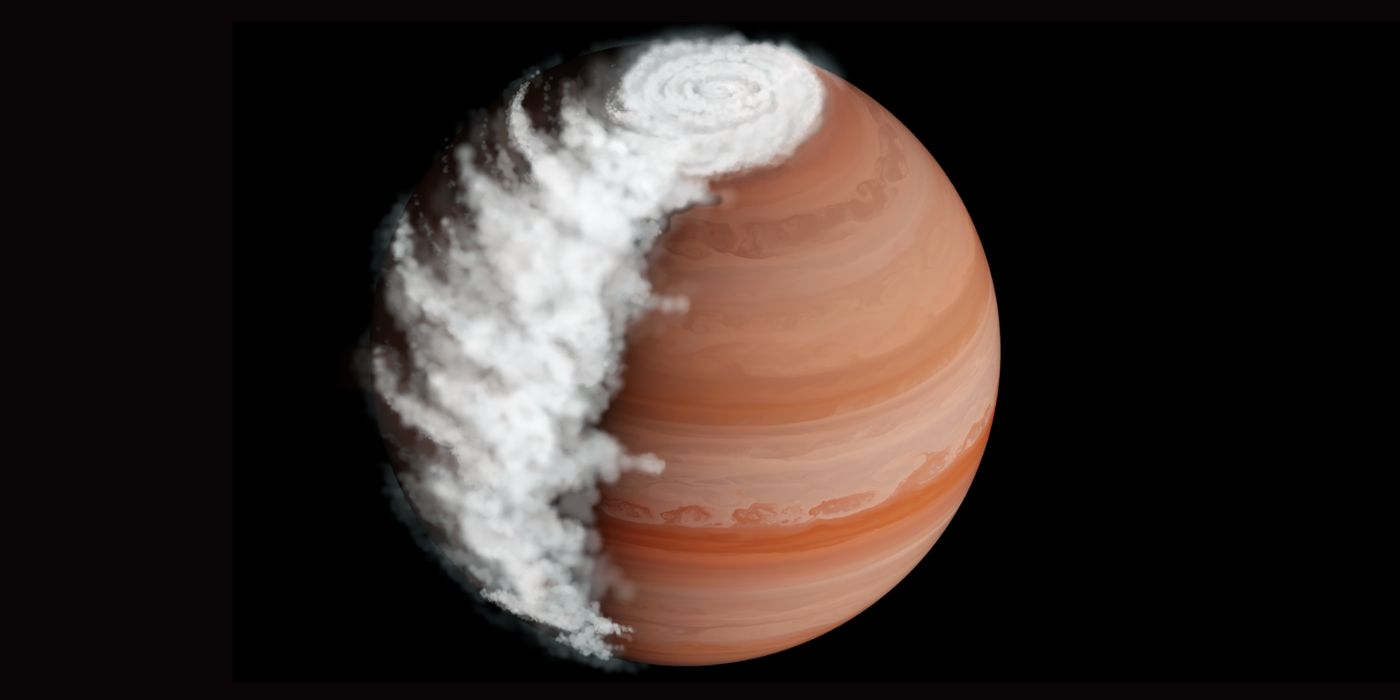
How Clouds Hide Alien Worlds—and How Astronomers See Through Them
#Blog #Lauren Sgro
Jun 29, 2026
Humanity's Plan for First Contact: Who Speaks for Earth?
#Blog #Lauren Sgro #Lucian Walkowicz #Chelsea Haramia #SETI #SETI Institute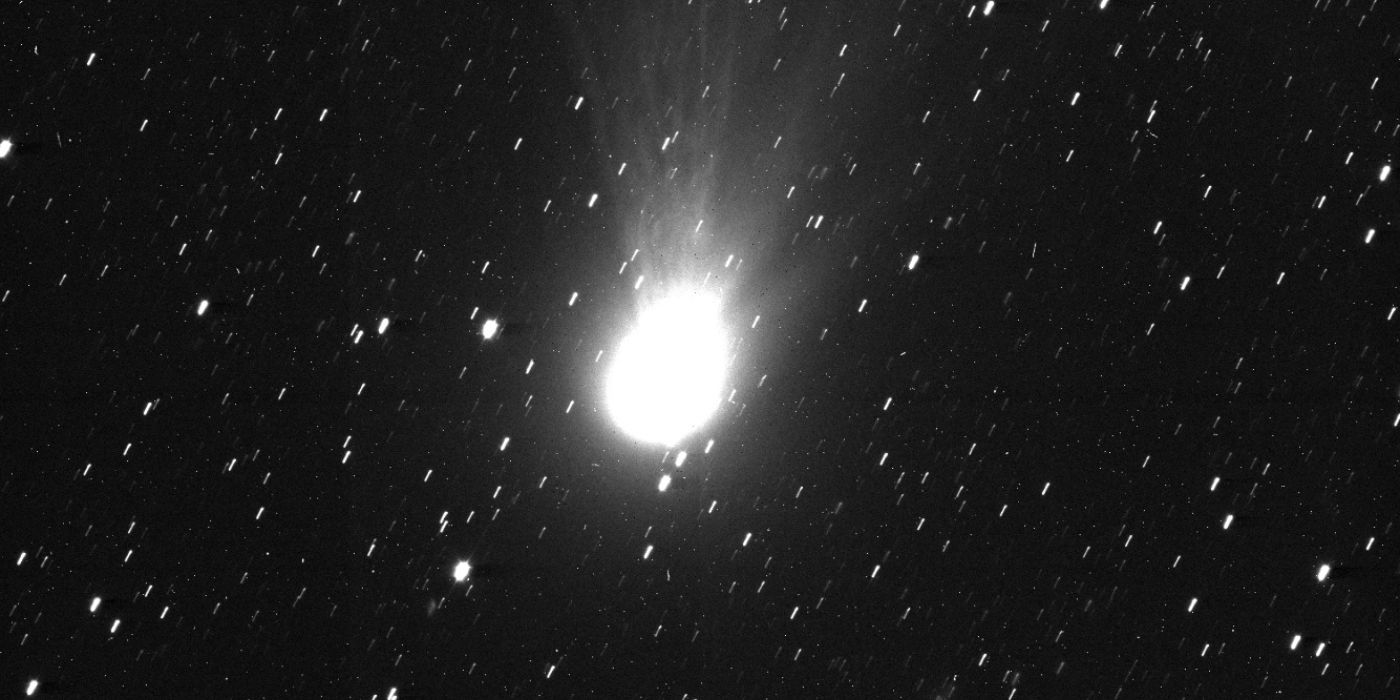
Jun 26, 2026
What Juice Revealed About Interstellar Comet 3I/ATLAS
#Blog #3I/ATLAS #Franck Marchis #Juice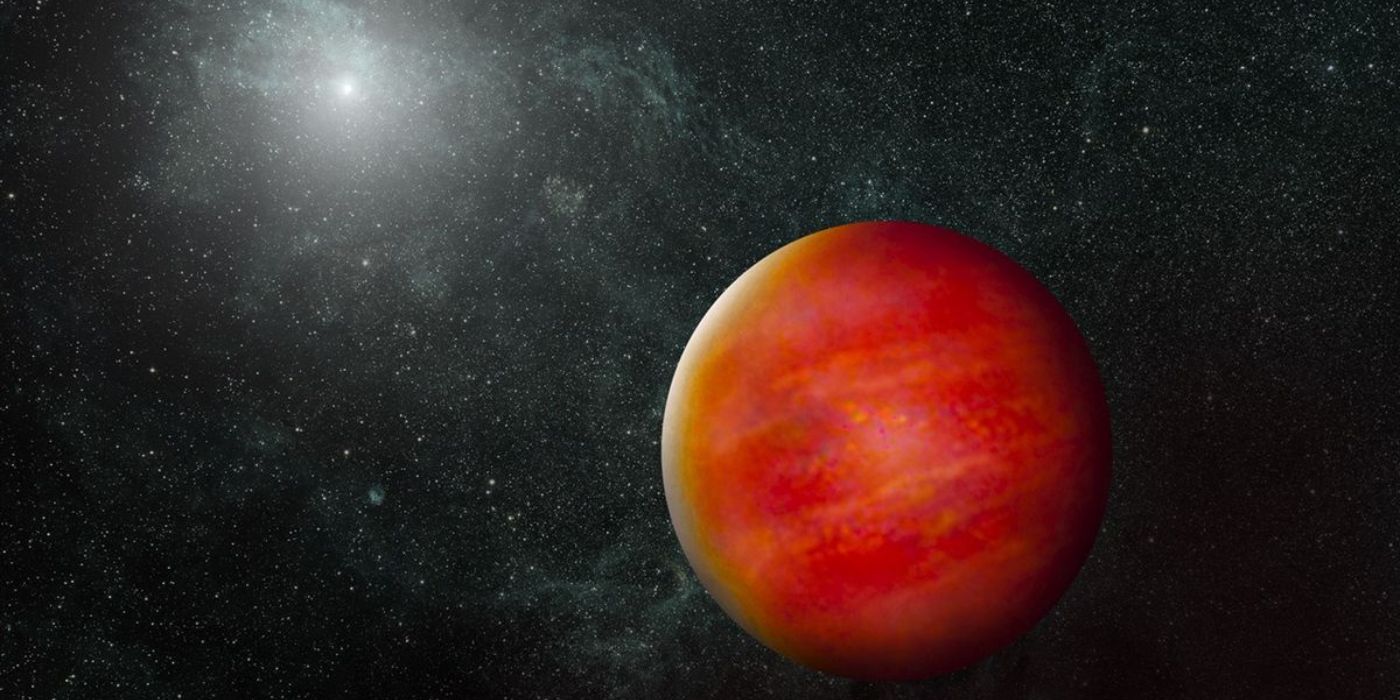
Jun 12, 2026
Not Planets, Not Stars: NASA Volunteers Doubled the Number of Known Brown Dwarfs
#Blog #Lauren Sgro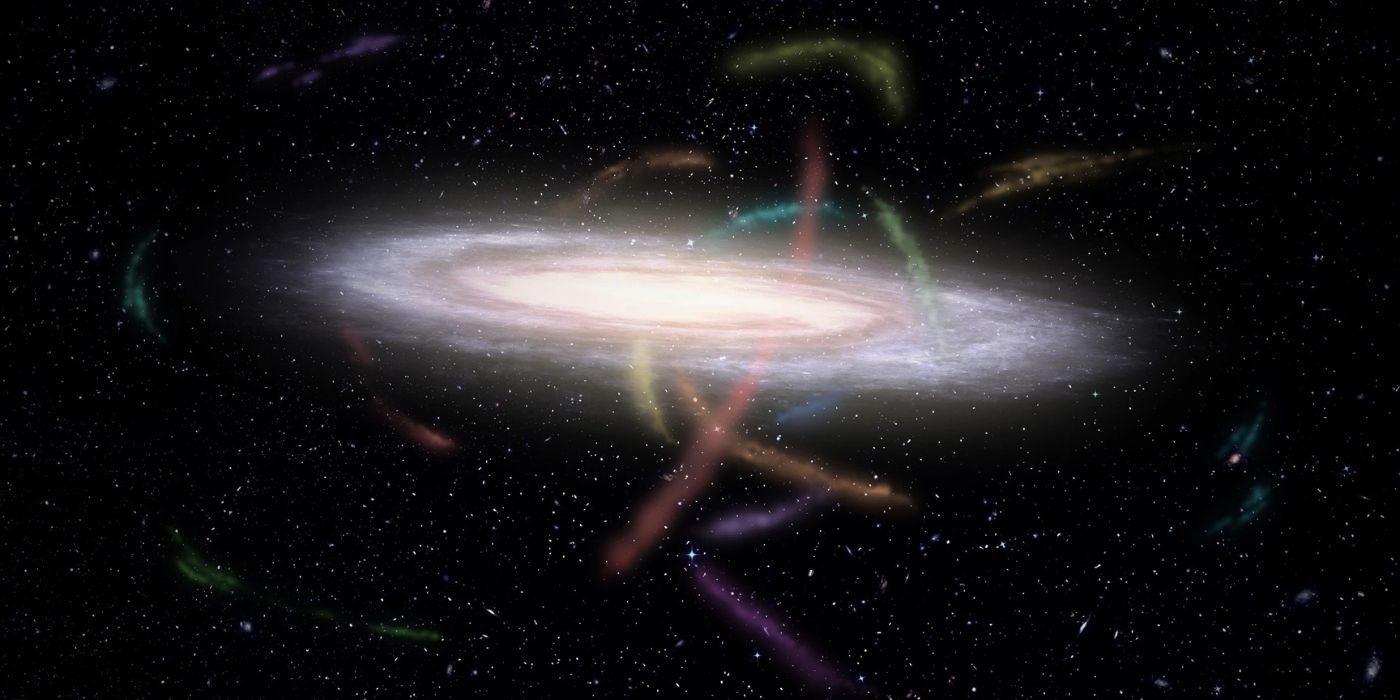
Jun 11, 2026
Life is But a Stream: Planetary Systems Along Stellar Streams
#Blog #Moiya McTier
Jun 8, 2026
The Sounds of Intelligence: A Conversation with 2026 Drake Award Recipient Lori Marino
#Blog #Drake Awards #Lori Marino #SETI
Jul 2, 2026
#Blog
#Lauren Sgro
Jun 29, 2026
#Blog
#Lauren Sgro
#Lucian Walkowicz
#Chelsea Haramia
#SETI
#SETI Institute
Humanity's Plan for First Contact: Who Speaks for Earth?
Jun 26, 2026
#Blog
#3I/ATLAS
#Franck Marchis
#Juice
What Juice Revealed About Interstellar Comet 3I/ATLAS
Jun 12, 2026
#Blog
#Lauren Sgro
Not Planets, Not Stars: NASA Volunteers Doubled the Number of Known Brown Dwarfs
Jun 11, 2026
#Blog
#Moiya McTier
Life is But a Stream: Planetary Systems Along Stellar Streams
Jun 8, 2026
#Blog
#Drake Awards
#Lori Marino
#SETI
The Sounds of Intelligence: A Conversation with 2026 Drake Award Recipient Lori Marino
Research
Related Projects

SkyMapper • SETI • Citizen Science • Astronomy
SkyMapper: Expanding Access to Real-time Astronomy Through a Global Astronomical Network
SkyMapper and the SETI Institute are connecting educators, students and the public to live astronomical observations through a distributed astronomical network. #SkyMapper #SETI #Citizen Science #Astronomy
VPL
Virtual Planetary Laboratory
How can we best assess whether an exoplanet supports life? #VPL
Discovery and Futures Lab
Discovery and Futures Lab
What happens if life beyond Earth is discovered? The Discovery and Futures Lab at the SETI Institute fosters novel and anticipatory research at the intersection of science, society, our planet, and the search for life beyond Earth. #Discovery and Futures Lab
May 17, 2026
SkyMapper: Expanding Access to Real-time Astronomy Through a Global Astronomical Network
SkyMapper and the SETI Institute are connecting educators, students and the public to live astronomical observations through a distributed astronomical network.
#SkyMapper
#SETI
#Citizen Science
#Astronomy
May 5, 2026
Virtual Planetary Laboratory
How can we best assess whether an exoplanet supports life?
#VPL
Apr 16, 2026
Discovery and Futures Lab
What happens if life beyond Earth is discovered? The Discovery and Futures Lab at the SETI Institute fosters novel and anticipatory research at the intersection of science, society, our planet, and the search for life beyond Earth.
#Discovery and Futures Lab
Support Us
Support the
SETI Institute
Scientists are getting closer in their search for life beyond earth. But with limited federal funding for the search for extraterrestrial intelligence, supporters are the reason cutting-edge scientists can keep their eyes on the sky.
