)

Thursday, Feb 13, 2025

Dr. Jane Huang's research on planet formation in harsh environments, particularly within the Sigma Orionis cluster, offers surprising insights into the universality of planet formation. In a recent SETI Live with communications specialist Beth Johnson, Dr. Huang discussed how the Atacama Large Millimeter/submillimeter Array (ALMA), a powerful radio telescope in Chile's Atacama Desert, has revealed that planets can form even in regions exposed to intense ultraviolet radiation from massive stars.
ALMA's Unique Capabilities
ALMA is located in the Atacama Desert, chosen for its dry and isolated conditions. It uses interferometry, combining signals from multiple telescopes to reconstruct detailed images. Unlike optical telescopes such as the Hubble Space Telescope, ALMA's ability to observe at very long wavelengths enables it to reveal intricate structures in protoplanetary disks - rotating circumstellar disks of dense gas and dust surrounding a young, newly formed star.
Gaps and Rings in Protoplanetary Disks
One of ALMA's significant contributions has been the detailed imaging of protoplanetary disks. Earlier telescopes could only observe these disks as blurry objects, but ALMA's high-resolution capabilities revealed gaps and rings within the dust swirling around young stars. These gaps and rings are significant because they suggest the presence of forming planets.
Key Points about Gaps and Rings:
- They indicate where and when planet formation is happening.
- The temperature, radiation, density, and chemical composition vary at different distances from a star, influencing planet formation.
- The diversity in the rings' positions suggests varied planet masses and locations.
Planet Formation in Extreme Conditions
Dr. Huang's research, building on ALMA's Disk Substructures at High Angular Resolution Project (DSHARP https://almascience.eso.org/almadata/lp/DSHARP/ ) program, indicates that the structures observed in milder environments also appear in harsher ones. Previous studies primarily focused on stable environments, but her work shifts the focus to the Sigma Orionis cluster, where massive, hot O stars emit intense ultraviolet radiation. These conditions were thought to hinder planet formation, yet her team’s findings show that protoplanetary disks in these extreme environments still display gaps and rings, indicating ongoing planet formation.
Implications for Habitability and Future Research
These findings broaden our perspective on habitability. While the potential for life on planets in such harsh conditions remains uncertain, the research suggests that habitable planets could be more common than previously believed. It also provides clues about our own solar system’s formation, highlighting the role of giant planets in shaping planetary systems and influencing the formation of rocky planets like Earth.
As Dr. Huang noted, studying the history of our solar system requires piecing together physical evidence and observing similar systems.
To see how astronomers are using ALMA to push the boundaries of what we know about planet formation, watch the video below or go to (https://youtube.com/live/E1SkJFLHP18 ) “Planets Form Where?? ALMA Observations Show Planet Formation in Harsh Environments” on our







News
Related News
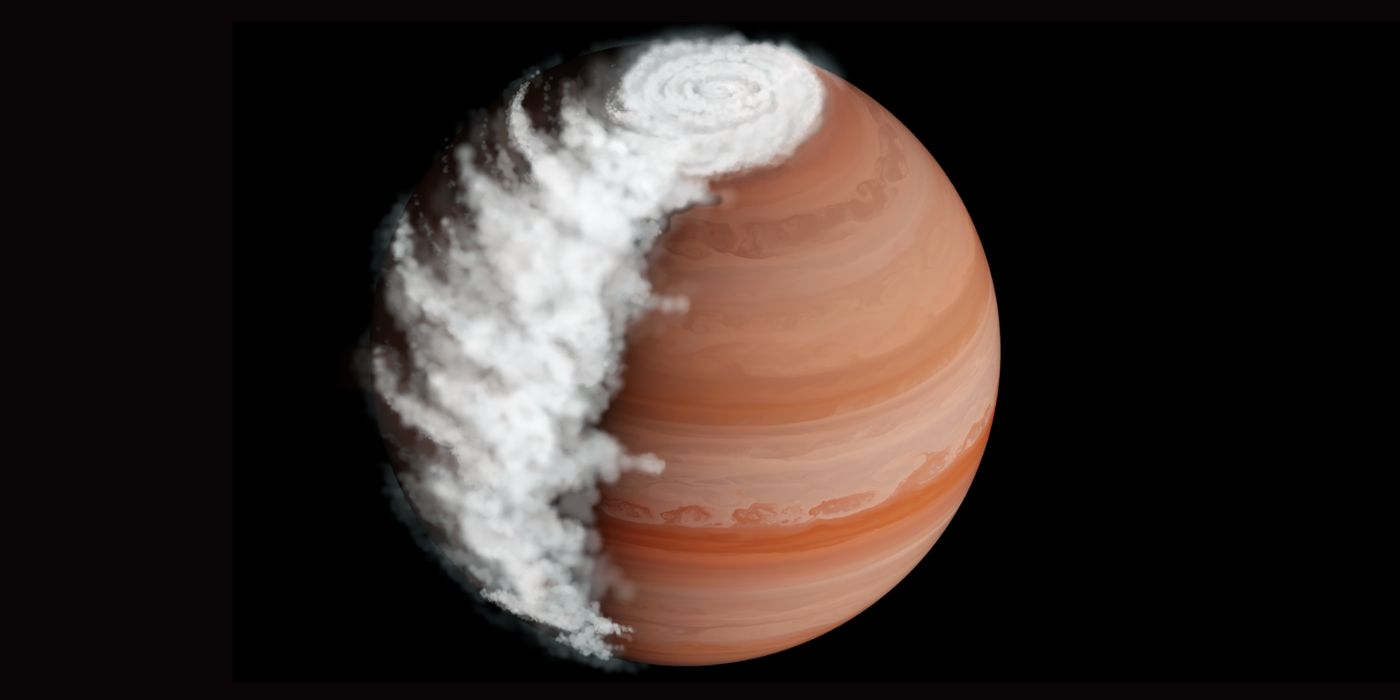
Jul 2, 2026
How Clouds Hide Alien Worlds—and How Astronomers See Through Them
#Blog #Lauren Sgro
Jun 29, 2026
Humanity's Plan for First Contact: Who Speaks for Earth?
#Blog #Lauren Sgro #Lucian Walkowicz #Chelsea Haramia #SETI #SETI Institute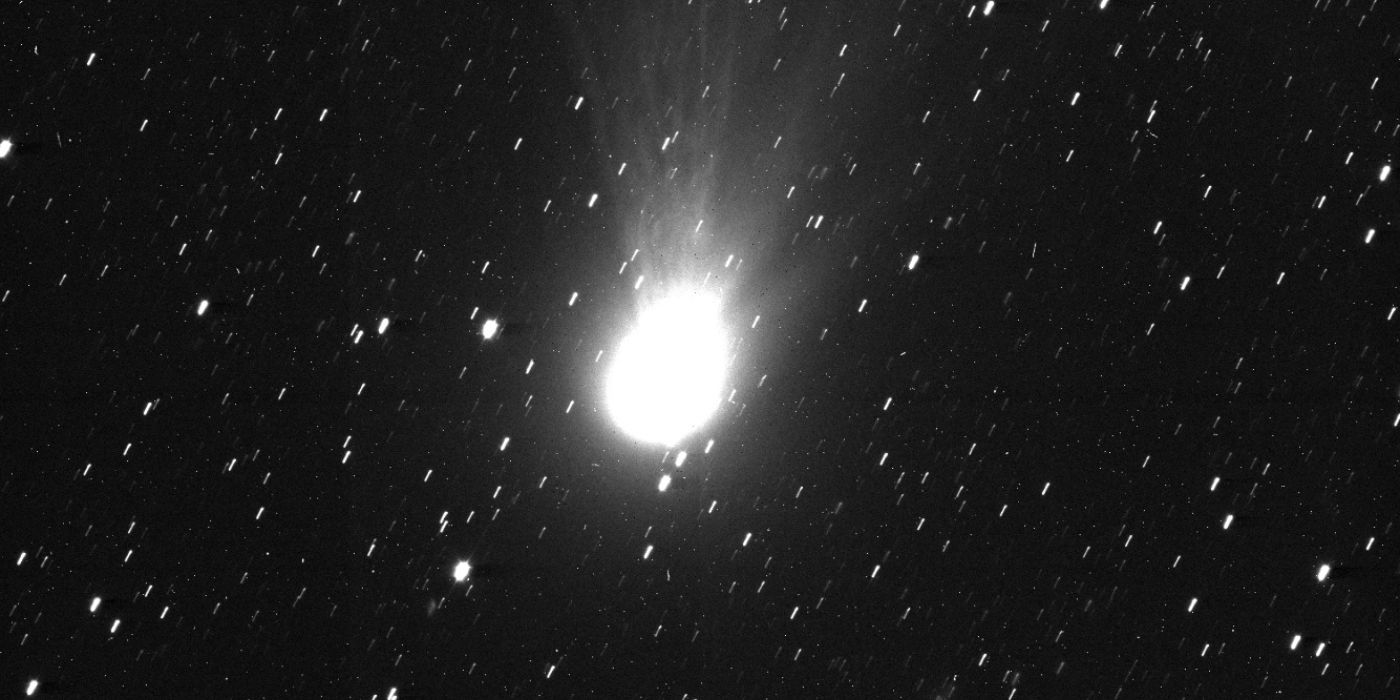
Jun 26, 2026
What Juice Revealed About Interstellar Comet 3I/ATLAS
#Blog #3I/ATLAS #Franck Marchis #Juice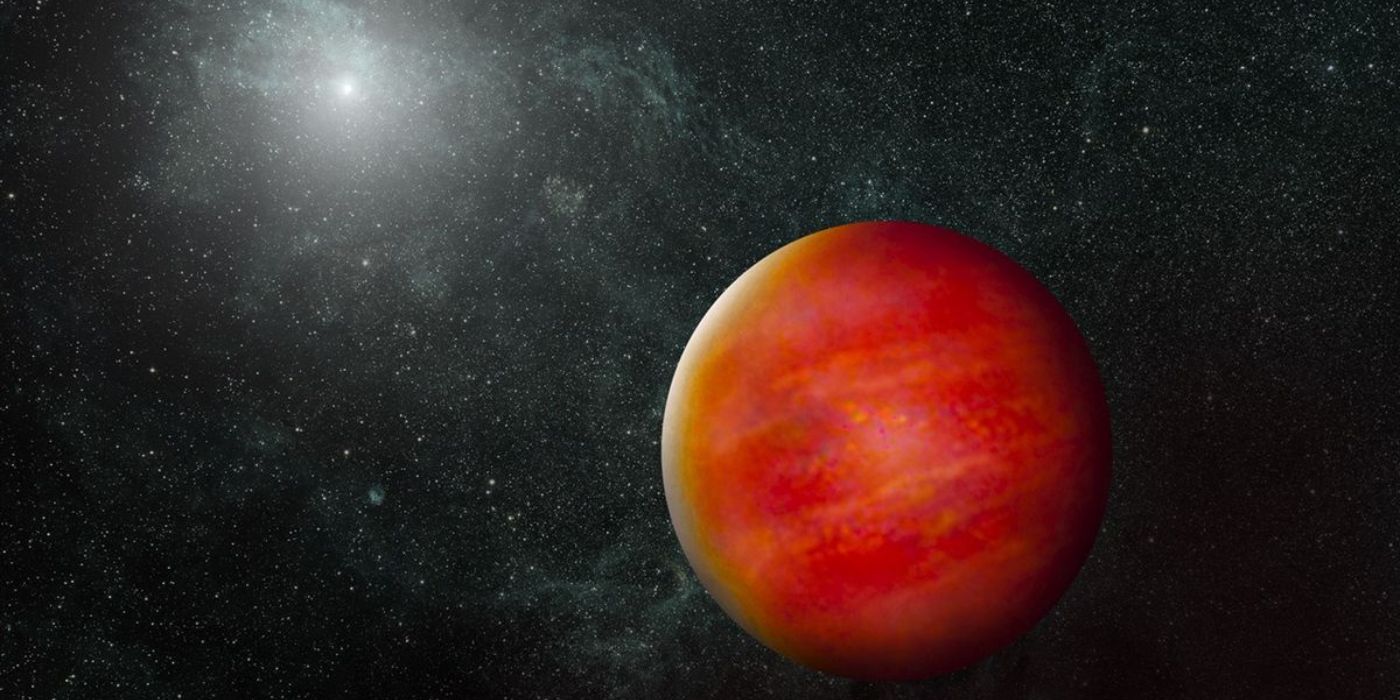
Jun 12, 2026
Not Planets, Not Stars: NASA Volunteers Doubled the Number of Known Brown Dwarfs
#Blog #Lauren Sgro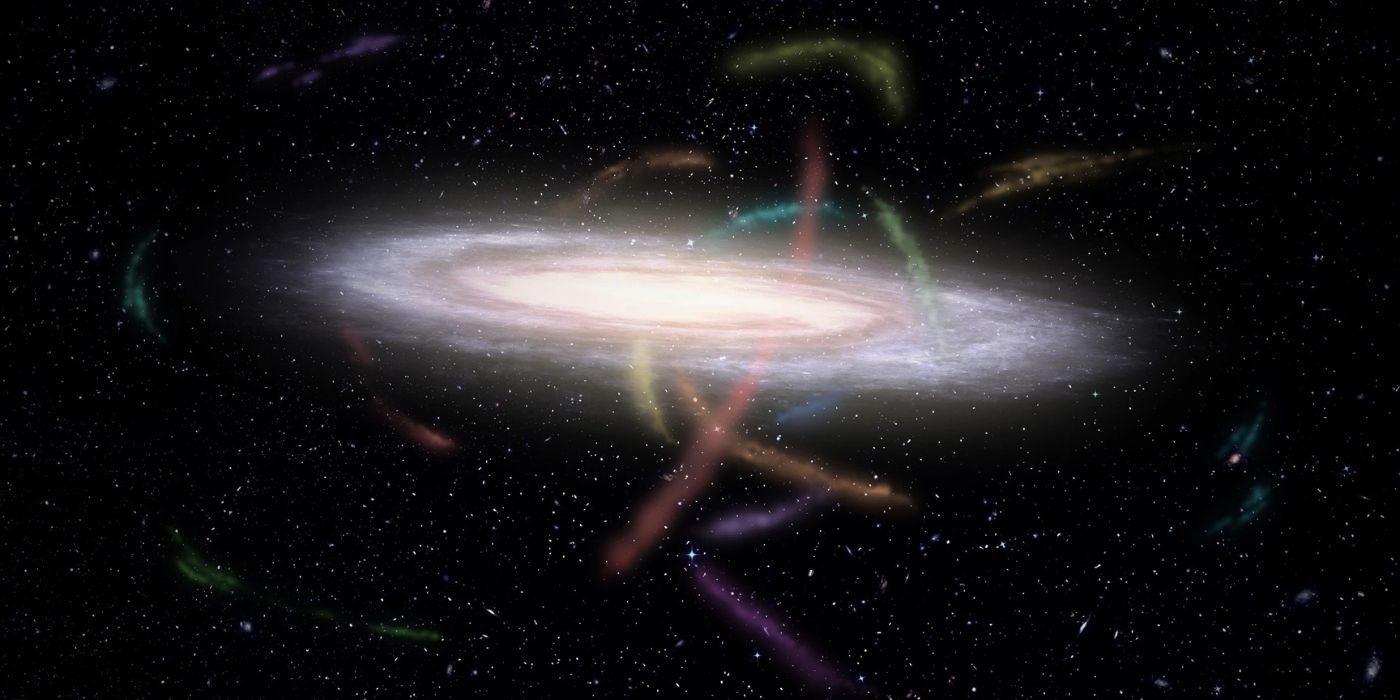
Jun 11, 2026
Life is But a Stream: Planetary Systems Along Stellar Streams
#Blog #Moiya McTier
Jun 8, 2026
The Sounds of Intelligence: A Conversation with 2026 Drake Award Recipient Lori Marino
#Blog #Drake Awards #Lori Marino #SETI
Jul 2, 2026
#Blog
#Lauren Sgro
Jun 29, 2026
#Blog
#Lauren Sgro
#Lucian Walkowicz
#Chelsea Haramia
#SETI
#SETI Institute
Humanity's Plan for First Contact: Who Speaks for Earth?
Jun 26, 2026
#Blog
#3I/ATLAS
#Franck Marchis
#Juice
What Juice Revealed About Interstellar Comet 3I/ATLAS
Jun 12, 2026
#Blog
#Lauren Sgro
Not Planets, Not Stars: NASA Volunteers Doubled the Number of Known Brown Dwarfs
Jun 11, 2026
#Blog
#Moiya McTier
Life is But a Stream: Planetary Systems Along Stellar Streams
Jun 8, 2026
#Blog
#Drake Awards
#Lori Marino
#SETI
The Sounds of Intelligence: A Conversation with 2026 Drake Award Recipient Lori Marino
Research
Related Projects

SkyMapper • SETI • Citizen Science • Astronomy
SkyMapper: Expanding Access to Real-time Astronomy Through a Global Astronomical Network
SkyMapper and the SETI Institute are connecting educators, students and the public to live astronomical observations through a distributed astronomical network. #SkyMapper #SETI #Citizen Science #Astronomy
VPL
Virtual Planetary Laboratory
How can we best assess whether an exoplanet supports life? #VPL
Discovery and Futures Lab
Discovery and Futures Lab
What happens if life beyond Earth is discovered? The Discovery and Futures Lab at the SETI Institute fosters novel and anticipatory research at the intersection of science, society, our planet, and the search for life beyond Earth. #Discovery and Futures Lab
May 17, 2026
SkyMapper: Expanding Access to Real-time Astronomy Through a Global Astronomical Network
SkyMapper and the SETI Institute are connecting educators, students and the public to live astronomical observations through a distributed astronomical network.
#SkyMapper
#SETI
#Citizen Science
#Astronomy
May 5, 2026
Virtual Planetary Laboratory
How can we best assess whether an exoplanet supports life?
#VPL
Apr 16, 2026
Discovery and Futures Lab
What happens if life beyond Earth is discovered? The Discovery and Futures Lab at the SETI Institute fosters novel and anticipatory research at the intersection of science, society, our planet, and the search for life beyond Earth.
#Discovery and Futures Lab
Support Us
Support the
SETI Institute
Scientists are getting closer in their search for life beyond earth. But with limited federal funding for the search for extraterrestrial intelligence, supporters are the reason cutting-edge scientists can keep their eyes on the sky.
