




Wednesday, Nov 12, 2025

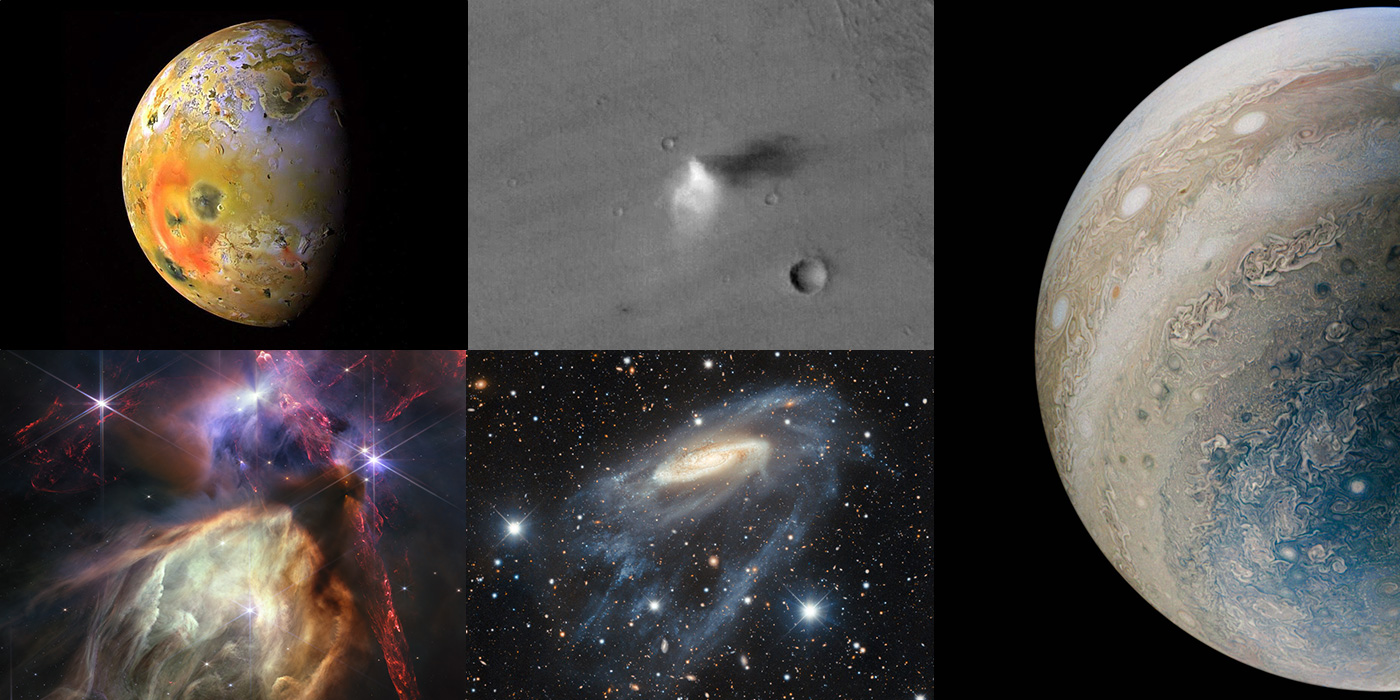
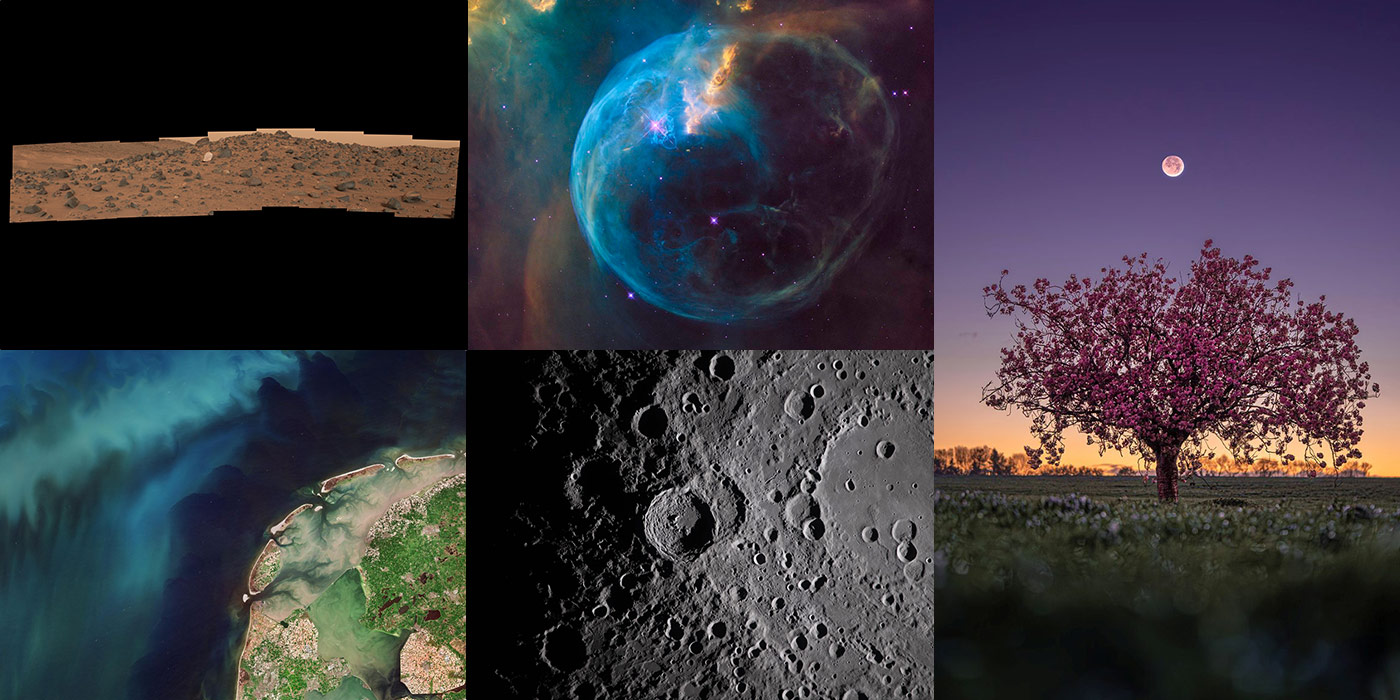
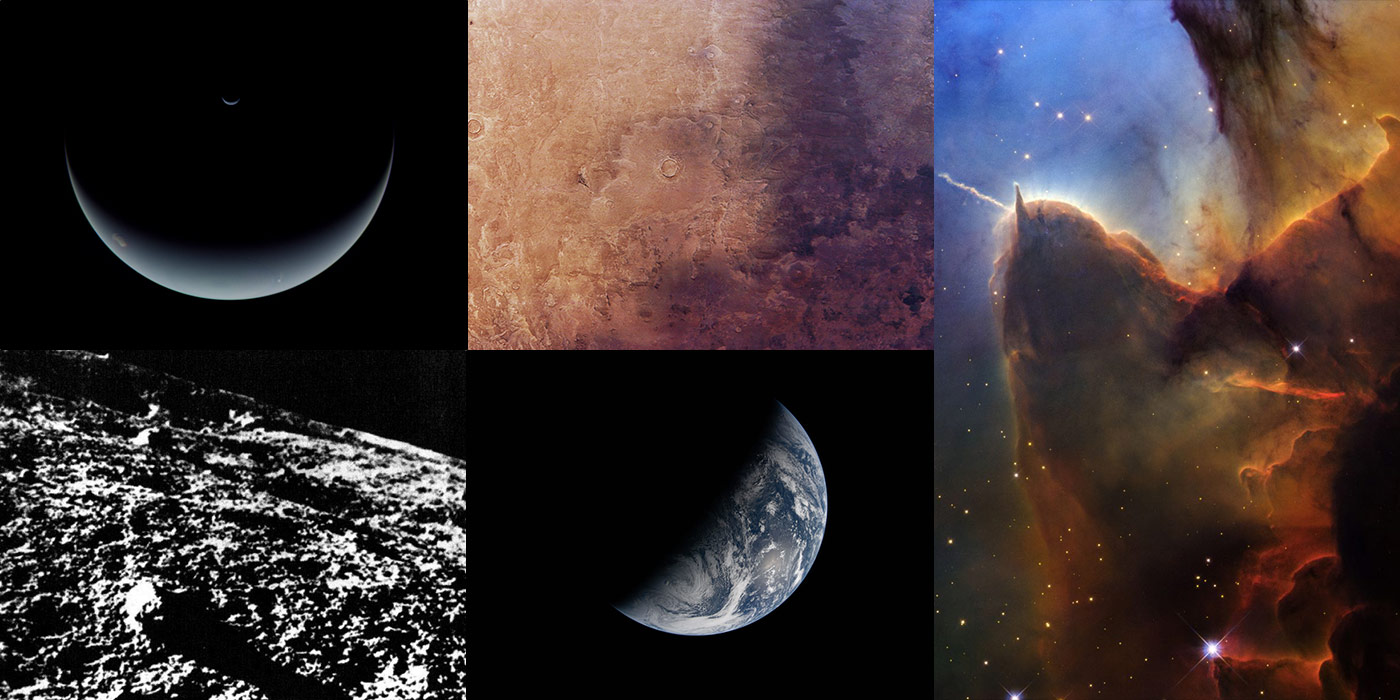
Swirling storm clouds on Jupiter, volcanoes on its moon Io, and a dancing dust devil on Mars feature this week in our planetary pictures. Additionally, we have beautiful astronomical images from the Dark Energy Survey and JWST.

Credit: NASA/JPL/University of Arizona.

Monday, 3 November 2025

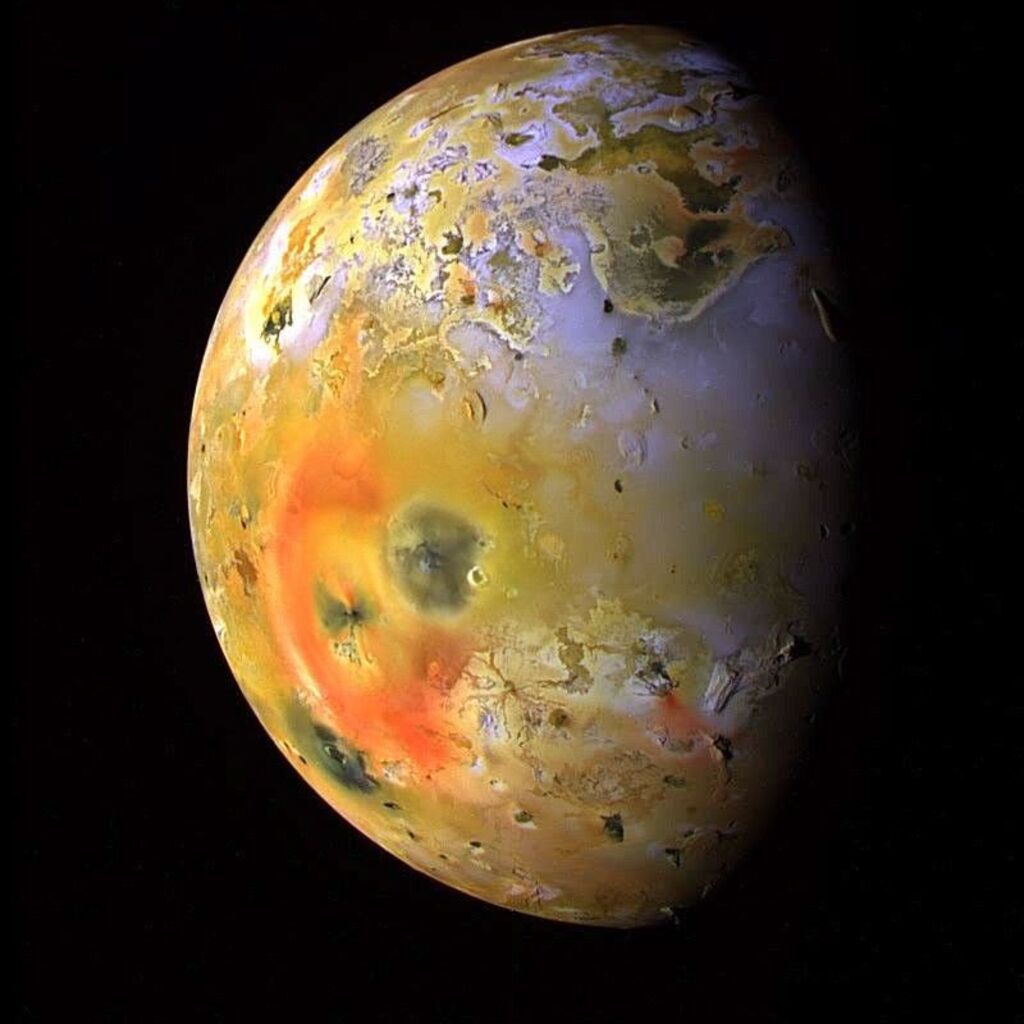
Io’s Pele Hemisphere

This global view of Jupiter's moon, Io, was obtained during the tenth orbit of Jupiter by NASA's Galileo spacecraft. Io, which is slightly larger than Earth's moon, is the most volcanically active body in the solar system.

In this enhanced color composite, deposits of sulfur dioxide frost appear in white and grey hues, while yellowish and brownish hues are probably due to other sulfurous materials. Bright red materials, such as the prominent ring surrounding Pele, and "black" spots with low brightness mark areas of recent volcanic activity and are usually associated with high temperatures and surface changes.

One of the most dramatic changes is the appearance of a new dark spot (located at the upper right edge of Pele), approximately 400 kilometers in diameter, which surrounds a volcanic center named Pillan Patera. The dark spot did not exist in images obtained 5 months earlier, but Galileo imaged a 120-kilometer-high plume erupting from this location during its ninth orbit.

Credit: Dark Energy Survey/DOE/FNAL/DECam/CTIO/NOIRLab/NSF/AURA
Image processing: R. Colombari & M. Zamani (NSF NOIRLab).

Tuesday, 4 November 2025

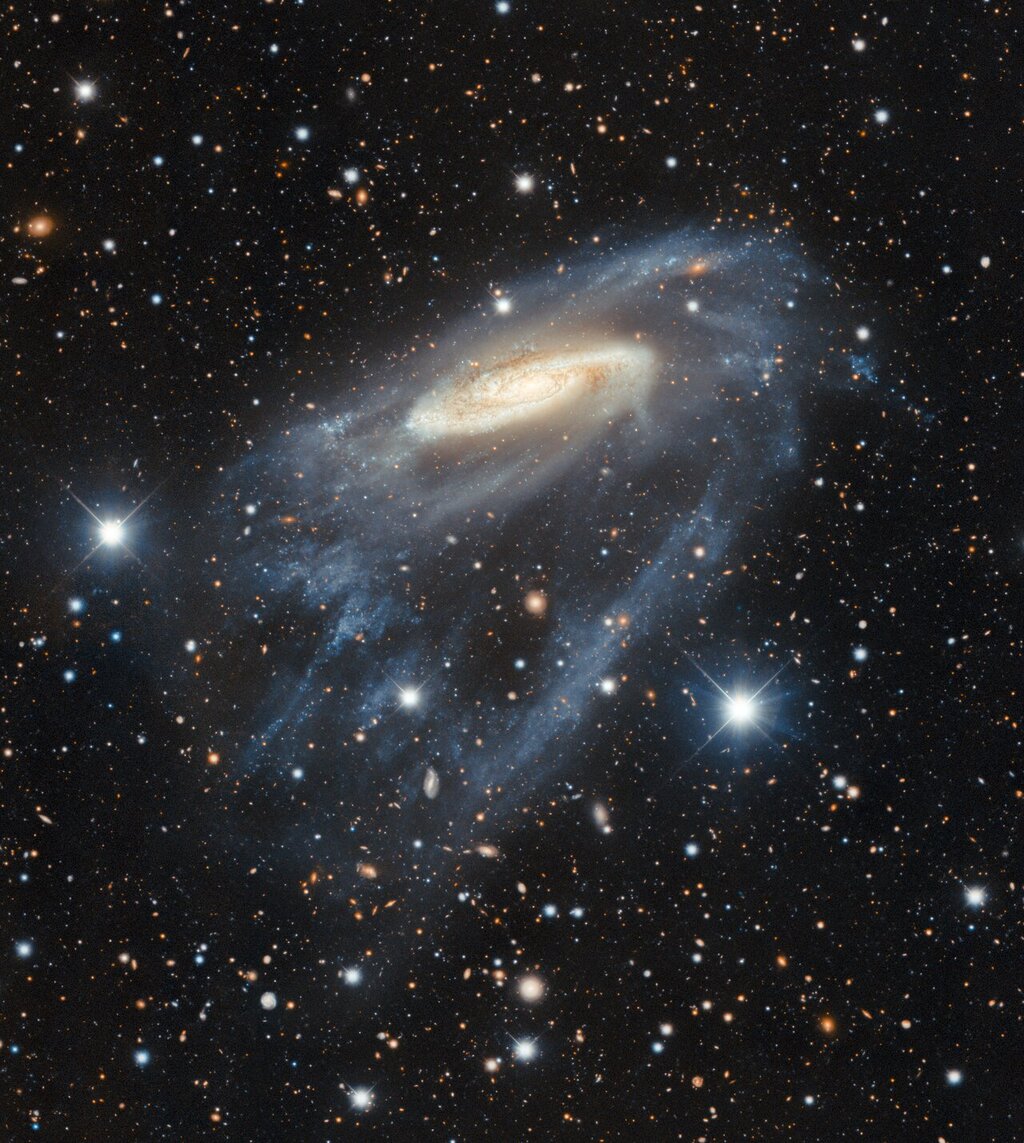
The Unfurling Spiral Arms of NGC 3981

This unbarred spiral galaxy in the constellation Crater features a bright central core, where a supermassive black hole lies, surrounded by a disk of hot, young stars and spiral arms laced with streams of dust and more young stars. The irregular, outstretched shape of its arms is likely due to gravitational influence from an encounter with one of its galactic neighbors. NGC 3981 is a member of the NGC 4038 Group of galaxies, which also contains the well-known interacting Antennae Galaxies. The NGC 4038 Group is a small component of the Virgo Supercluster, the immense collection of galaxies that hosts our own Milky Way Galaxy.

The unfurling arms of NGC 3981 appear to dissolve right into the cosmos in this image captured by the DOE-built Dark Energy Camera (DECam) on the Víctor M. Blanco 4-meter Telescope at the U.S. National Science Foundation Cerro Tololo Inter-American Observatory (CTIO), a Program of NSF NOIRLab.

Credit: ESA/DLR/FU Berlin.

Wednesday, 5 November 2025

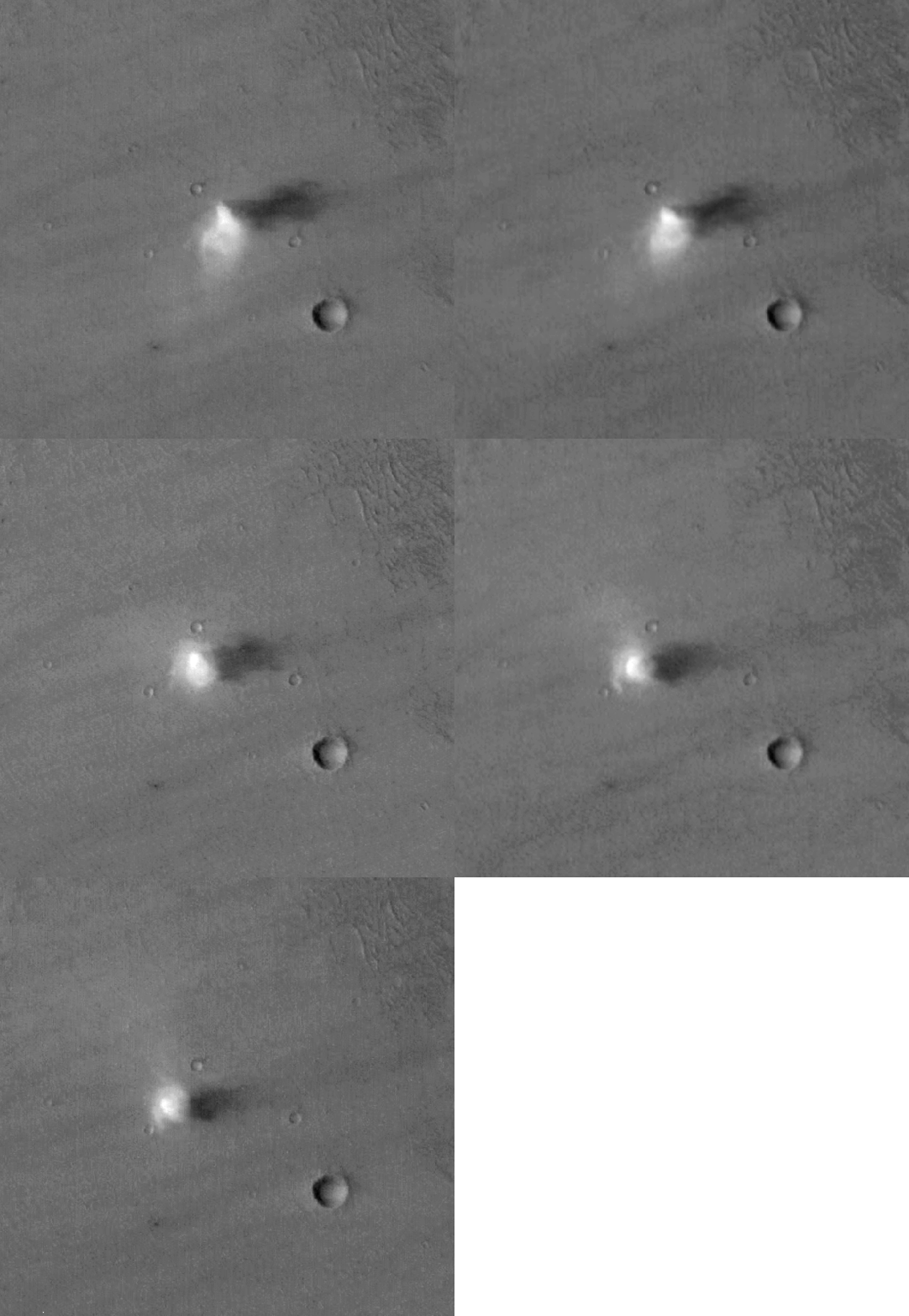
Dust Devil Dancing Across Mars

Dust devils are whirlwinds of dust that are blown across Mars’s surface. They are one way that dust gets lifted into the Red Planet’s thin atmosphere and transported from one place to another.

The High Resolution Stereo Camera (HRSC) on board ESA’s Mars Express tracked this dust devil across the Martian surface on 20 November 2018. The dust devil was one of 1039 found as part of new research published in Science Advances, which used 20 years of images from European Mars orbiters to use dust devils to trace strong surface winds on the Red Planet.

Credit: NASA, ESA, CSA, STScI, Klaus Pontoppidan (STScI); Image Processing: Alyssa Pagan (STScI).

Thursday, 6 November 2025

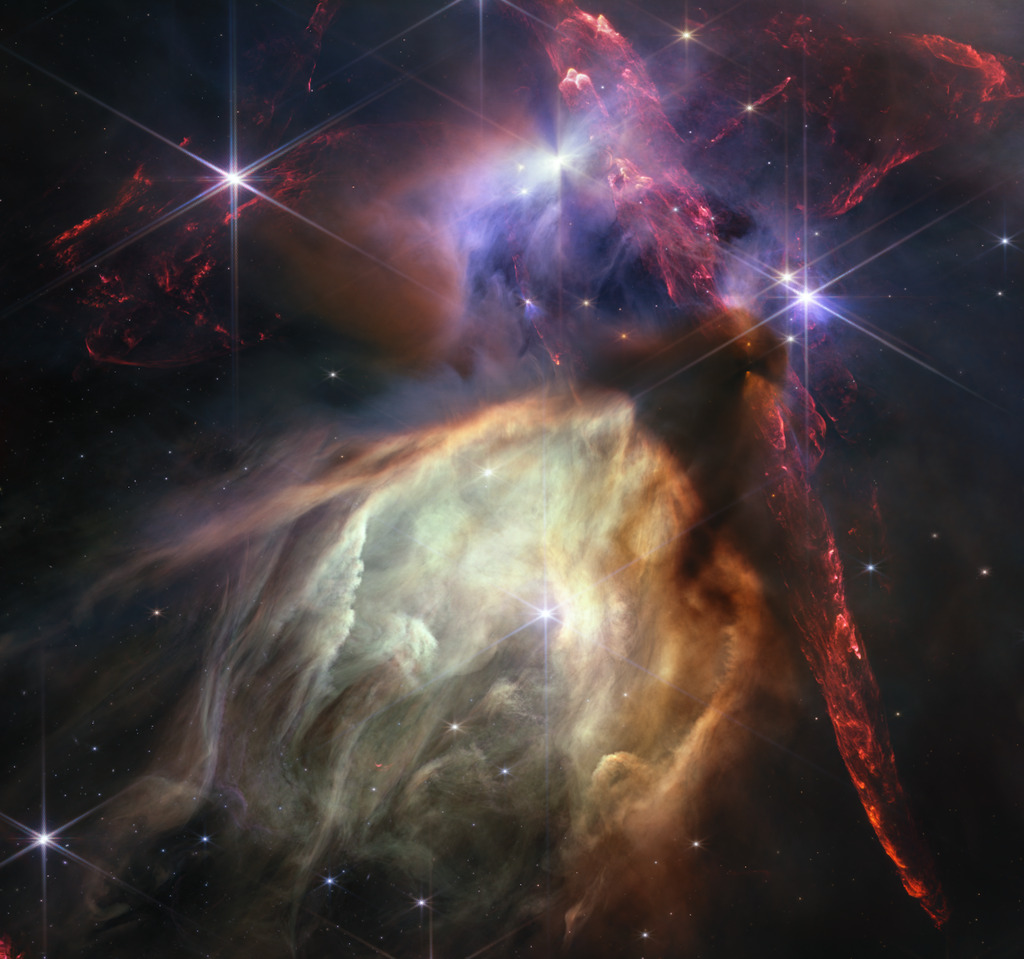
Rho Ophiuchi

The first anniversary image from NASA’s JWST displays star birth like it’s never been seen before, full of detailed, impressionistic texture. The subject is the Rho Ophiuchi cloud complex, the closest star-forming region to Earth. It is a relatively small, quiet stellar nursery, but you’d never know it from JWST's chaotic close-up. Jets bursting from young stars crisscross the image, impacting the surrounding interstellar gas and illuminating molecular hydrogen, which is shown in red. Some stars display the telltale shadow of a circumstellar disk, the makings of future planetary systems.

The young stars at the center of many of these disks are similar in mass to the Sun, or smaller. The heftiest in this image is the star S1, which appears amid a glowing cave it is carving out with its stellar winds in the lower half of the image. The lighter-colored gas surrounding S1 consists of polycyclic aromatic hydrocarbons, a family of carbon-based molecules that are among the most common compounds found in space.

Credit: NASA / JPL-Caltech / SwRI / MSSS / Giulio Macrì.

Friday, 7 November 2025

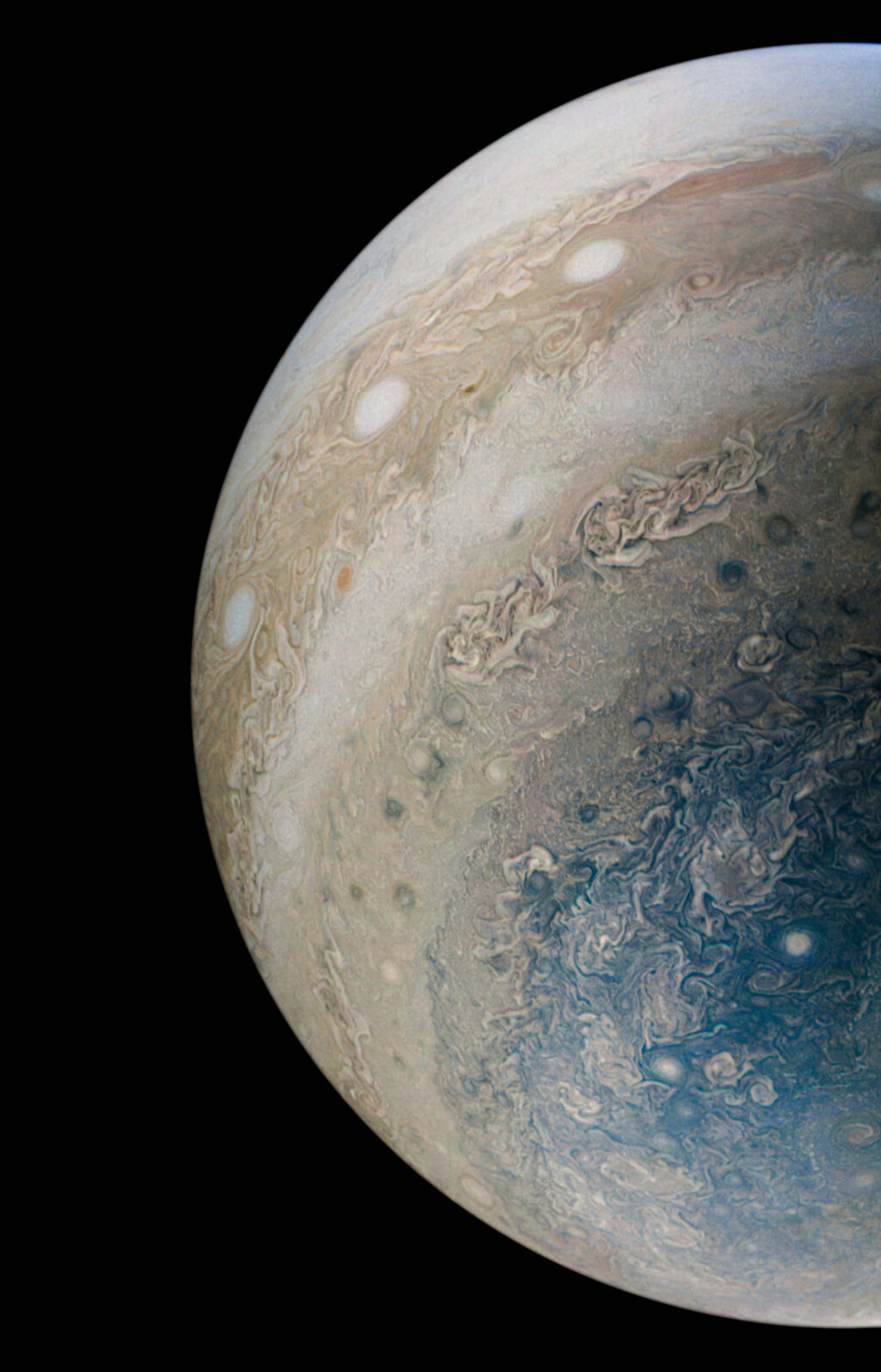
Dance of the Storms

A beautiful picture of Jupiter taken by JunoCam onboard NASA's Juno spacecraft and processed by a citizen scientist. Numerous swirling storms are visible among the cloud tops, appearing in shades of white, tan, and blue.

News

Related News

Featured Image
Jun 10, 2026
Planetary Picture of the Day - Week of June 1, 2026
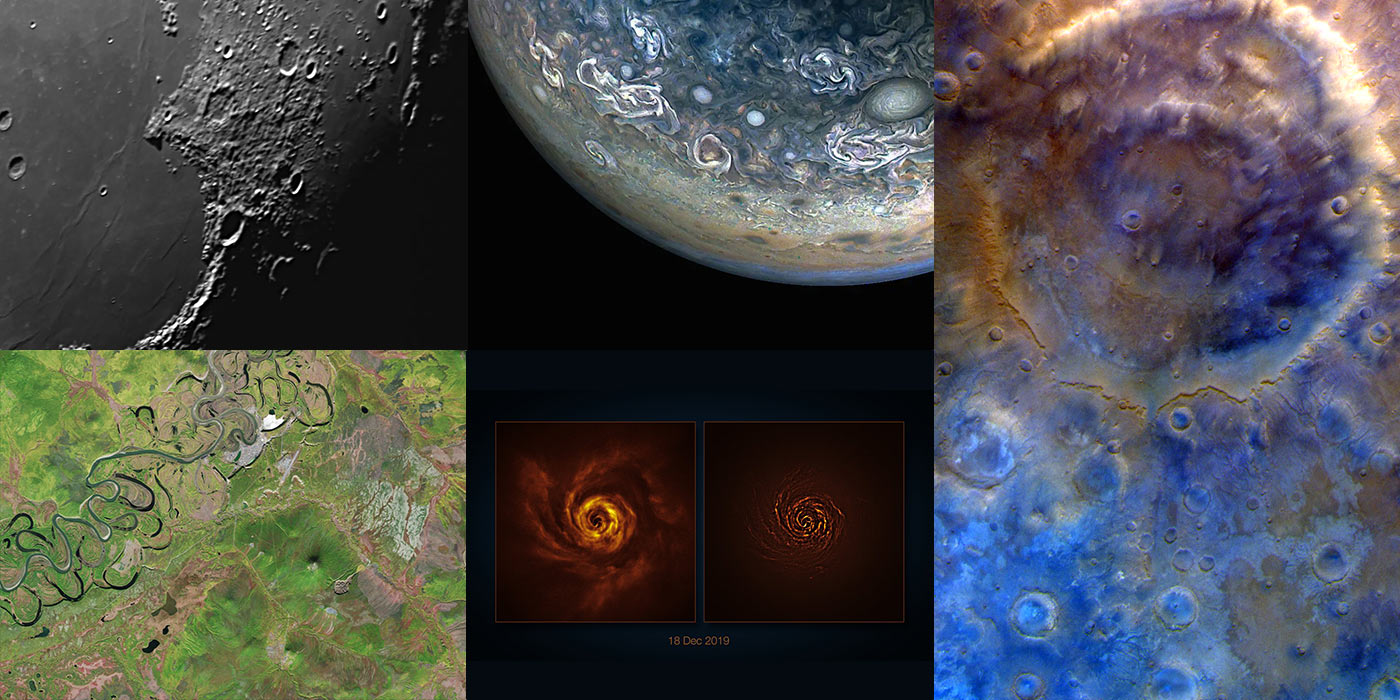
Our solar system contains dynamic worlds near and far, and our cameras capture amazing images of them every day, from a close-up flyby of Mars and the Moon’s beautiful Bay of Rainbows to the swirling storms of Jupiter. We also explore landscapes shaped by change, including Siberia’s expanding Batagaika mega-slump and a young star’s planet-forming disk, offering a glimpse of both Earth’s evolving surface and the processes that build new worlds. #PPOD
Featured Image
Jun 3, 2026
Planetary Picture of the Day - Week of May 25, 2026
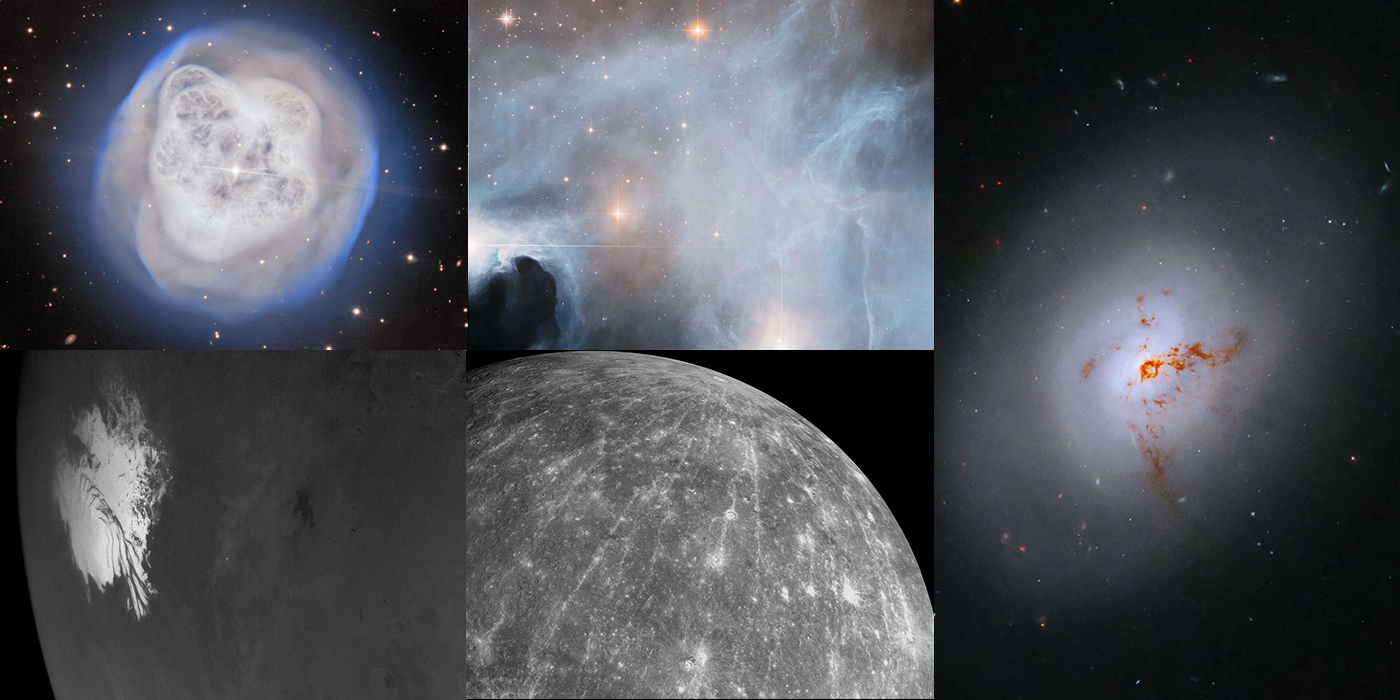
This week's images journeyed from the shimmering Crystal Ball Nebula to the icy south pole of Mars, highlighting beauty and change across our solar system and beyond. The collection also captured stars being born in a ghostly nebula, the dramatic rays of Mercury’s Hokusai Crater, and a distant galaxy caught in transition—offering a striking look at cosmic evolution across space and time. #PPOD
Featured Image
May 27, 2026
Planetary Picture of the Day - Week of May 18, 2026
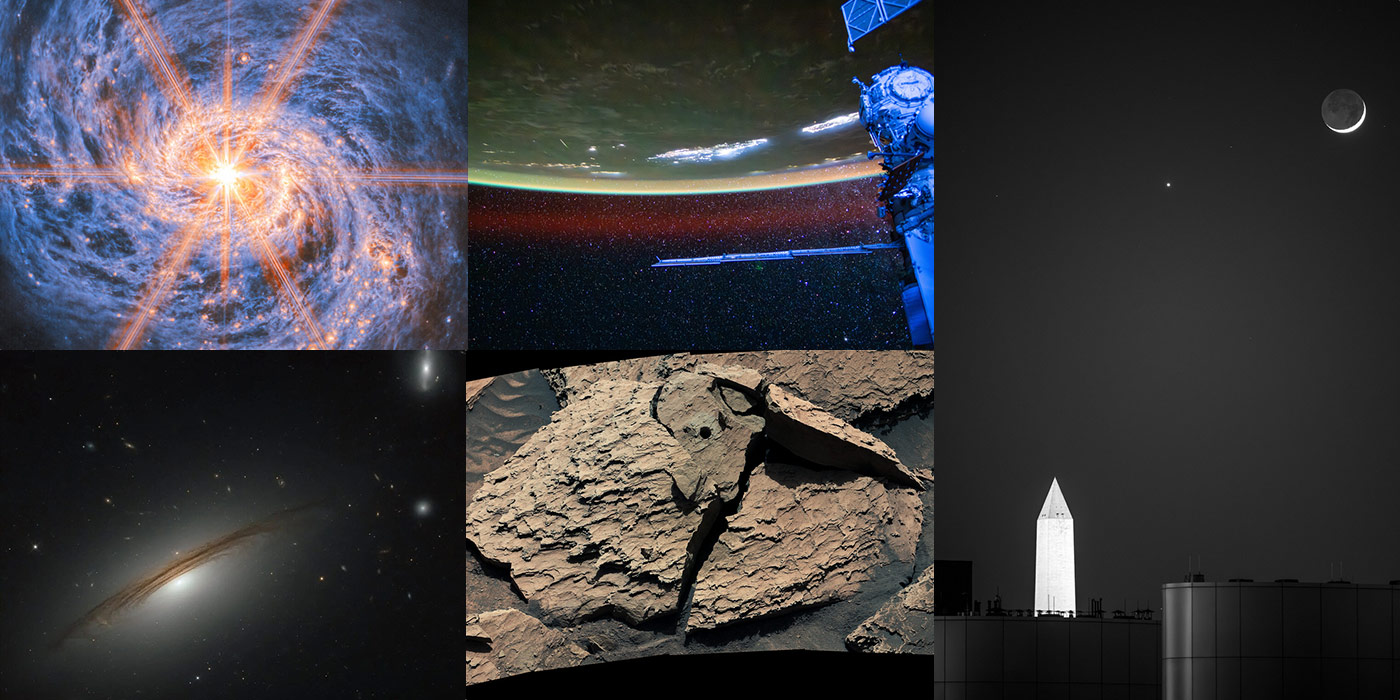
Moments both fleeting and immense—from a Moon–Venus conjunction over Washington, D.C. to a meteor streaking through Earth’s atmosphere as seen from the International Space Station. These images also spanned the cosmic scale, featuring a massive hybrid galaxy, a stubborn rock sampled by the Curiosity rover on Mars, and a stunning mid-infrared view of Messier 77 from JWST. #PPOD
Featured Image
May 21, 2026
Planetary Picture of the Day - Week of May 11, 2026
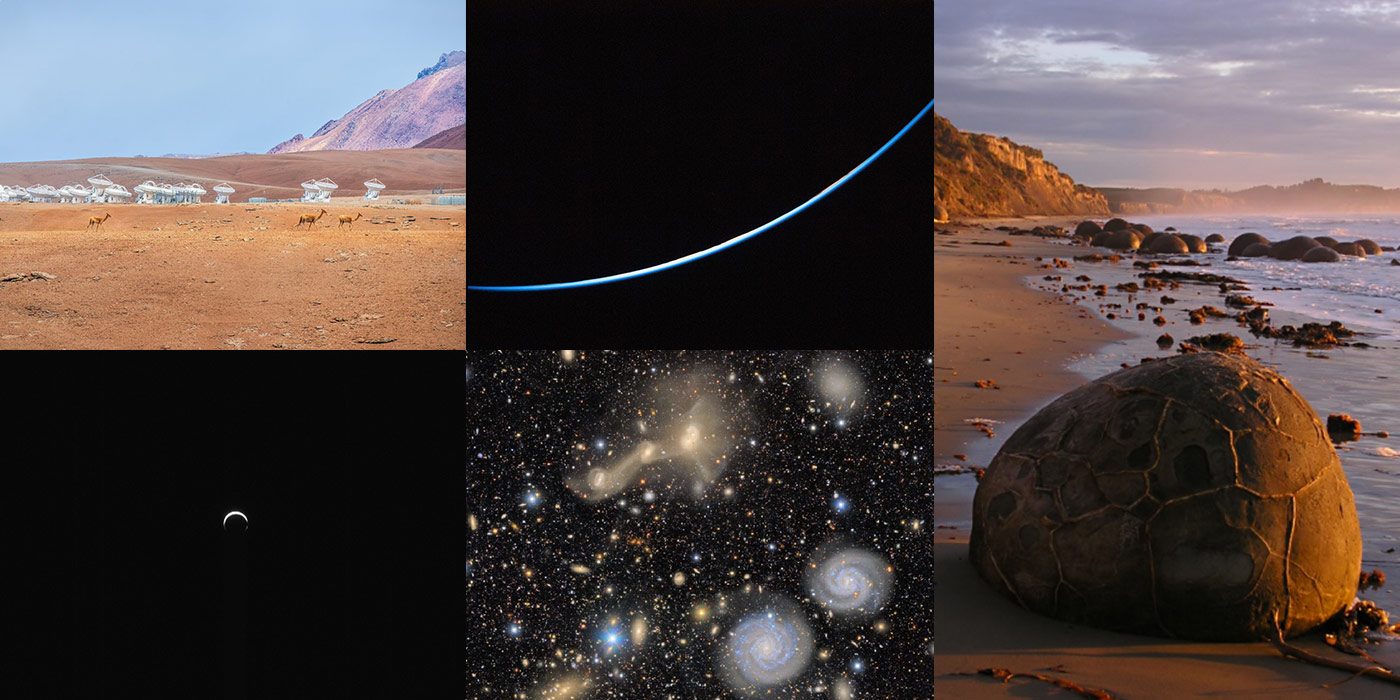
Where the round things are: From spherical boulders and circular radio telescope dishes to the curve of our blue marble, distant Mars, and far-away spiral galaxies, the universe comes back to circles. #PPOD
Featured Image
May 13, 2026
Planetary Picture of the Day - Week of May 04, 2026
From blooming tulip fields in the Netherlands to the glowing shell of the Bubble Nebula, last week’s PPOD images celebrated color and contrast across Earth, the Moon, and deep space. The collection also highlighted exploration and change—from unusual rocks studied by Perseverance rover on Mars to dramatic lunar shadows captured by Artemis II and the soft glow of May’s Flower Moon. #PPOD
Featured Image
May 6, 2026
Planetary Picture of the Day - Week of April 27, 2026
Dark and light play together in this week's photos, as we examine ash spreading across Mars over decades, night and day on the Moon, and the interplay of colors in a distant nebula. #PPOD
Research

Related Projects

Featured Image
SkyMapper • SETI • Citizen Science • Astronomy
SkyMapper: Expanding Access to Real-time Astronomy Through a Global Astronomical Network
SkyMapper and the SETI Institute are connecting educators, students and the public to live astronomical observations through a distributed astronomical network. #SkyMapper #SETI #Citizen Science #Astronomy
Featured Image
VPL
Virtual Planetary Laboratory
How can we best assess whether an exoplanet supports life? #VPL
Featured Image
Discovery and Futures Lab
What happens if life beyond Earth is discovered? The Discovery and Futures Lab at the SETI Institute fosters novel and anticipatory research at the intersection of science, society, our planet, and the search for life beyond Earth.  #Discovery and Futures Lab
Support Us

Support the
SETI Institute

Scientists are getting closer in their search for life beyond earth. But with limited federal funding for the search for extraterrestrial intelligence, supporters are the reason cutting-edge scientists can keep their eyes on the sky.