




Monday, 11 May 2026
Kaihinaki, New Zealand
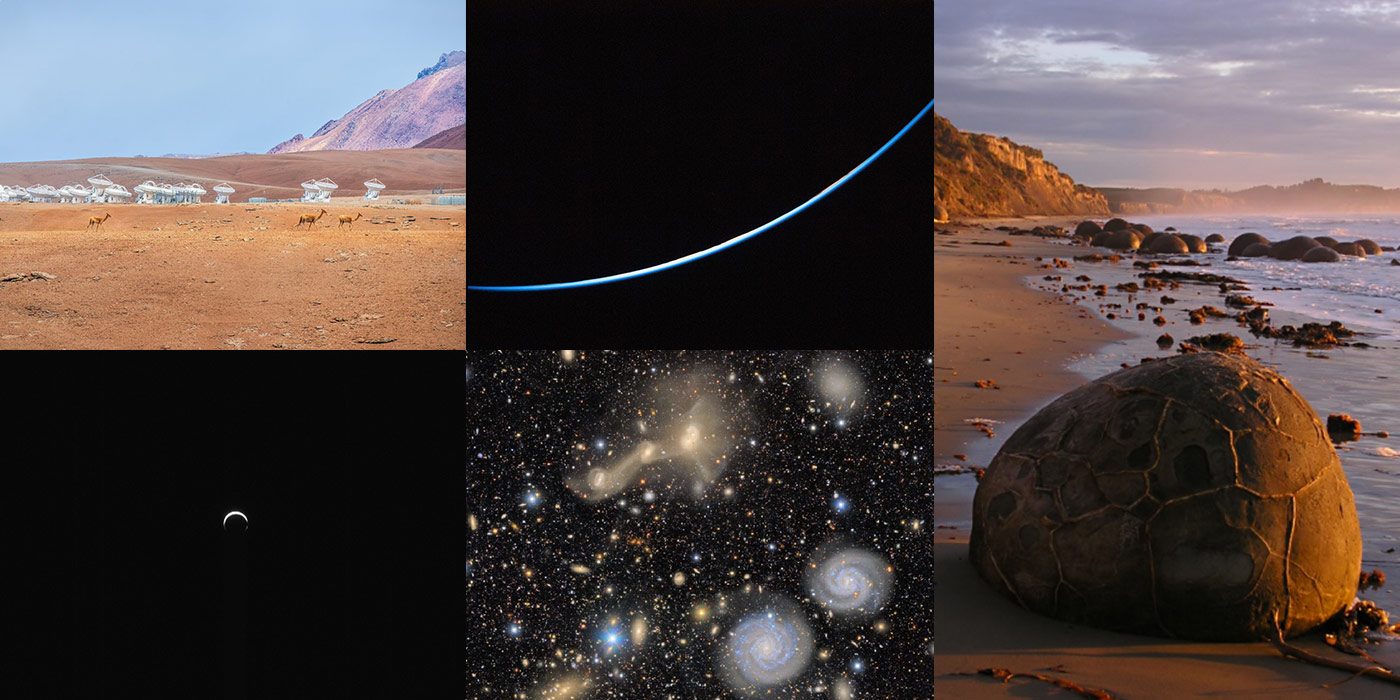
The Moeraki Boulders look almost too perfect to be natural — but these giant stone spheres along New Zealand’s Koekohe Beach were formed over millions of years. Scientists believe the boulders began as sediment on the ancient seafloor around 60 million years ago, gradually growing into massive calcite concretions before coastal erosion revealed them along the shoreline. Some are nearly 7 feet across and split open, revealing striking, crystal-filled cracks called septaria.
Beyond geology, the boulders are deeply connected to Māori tradition. According to legend, they are the remains of gourds, eel baskets, and food containers washed ashore from the wreck of the great canoe Āraiteuru. Today, they remain one of New Zealand’s most iconic natural wonders — equal parts science, history, and mythology.
Tuesday, 12 May 2026
Virgo Cluster Excerpt
A pair of spiral galaxies whirl across this excerpt from a First Look image captured by NSF–DOE Vera C. Rubin Observatory. Although NGC 4411b (left) and NGC 4411a (right) appear right next to each other, they don’t show signs of interaction, such as distorted arms. Above the pair is RSCG 55, a group of interacting galaxies with trails of material between them. These trails are made of stars, gas, and dust that have been pulled from one galaxy to another during a previous close encounter.
Wednesday, 13 May 2026
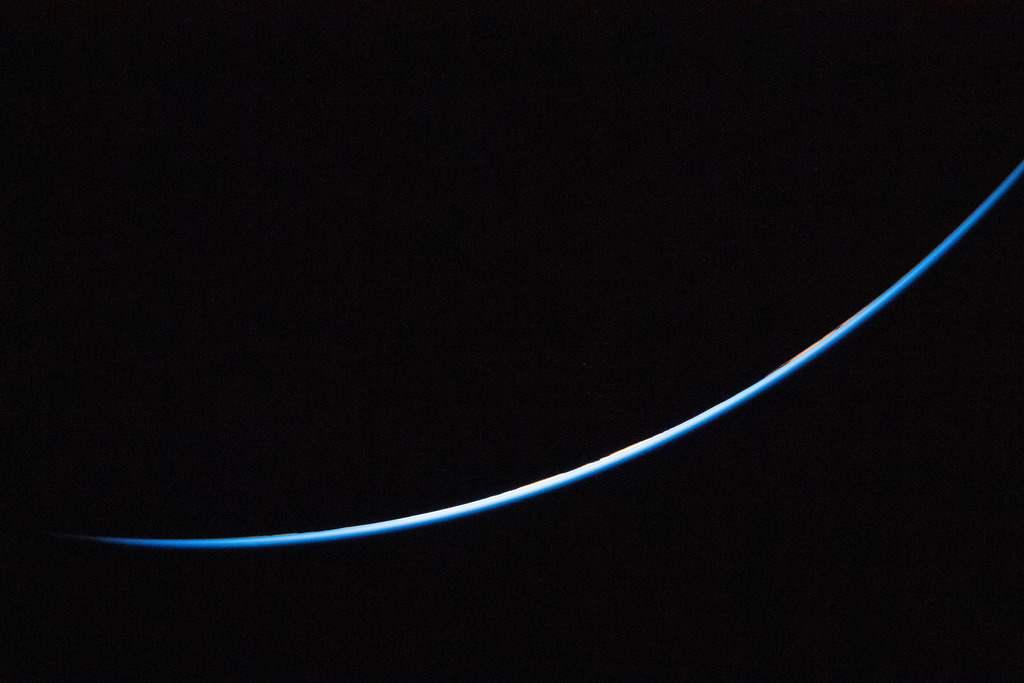
A Light in the Dark
A thin sliver of Earth’s edge is brightly illuminated against the vast darkness of space in this April 3, 2026, image taken during the Artemis II mission. This thin blue ribbon is what separates us from the abyss of space vacuum: the Earth's atmosphere.
Thursday, 14 May 2026
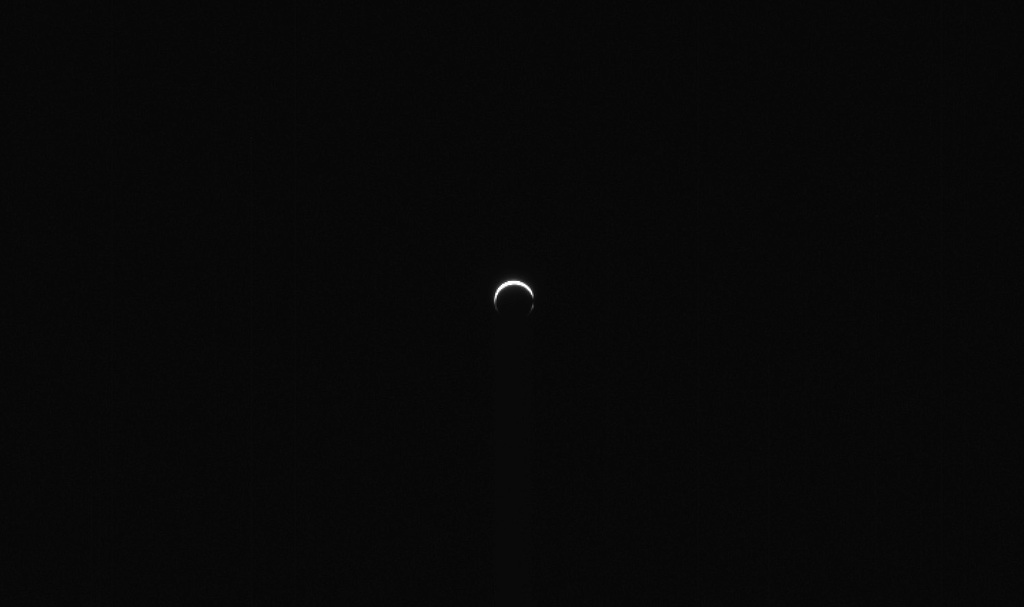
Mars from Psyche
This image of Mars was captured by NASA’s Psyche mission on May 3, 2026, about 3 million miles from the planet as the spacecraft approaches for a gravity assist on May 15. Sunlight is reflected and scattered by dust in the Martian atmosphere, creating an extended crescent around the planet.
The spacecraft is using the Red Planet’s gravity to increase speed and tilt its trajectory on the journey to the metal-rich asteroid Psyche.
Friday, 15 May 2026
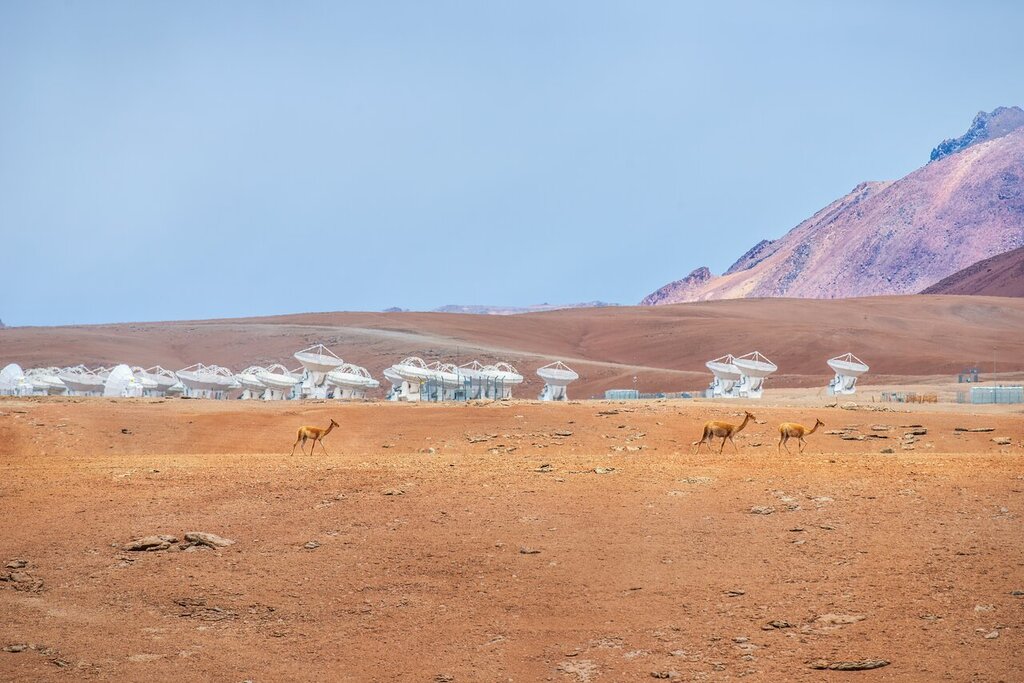
Adapted for Extremes
This image features two distinct families: a collection of ALMA antennas and a trio of vicuñas, a camelid related to llamas and alpacas. Unlike in almost every other way, the subjects of this image are linked by their extremely hostile home environment, high in the Chilean Andes.
The Chajnantor plateau, site of the Atacama Large Millimetre/submillimetre Array (ALMA) shown here, is 5000 meters above sea level, making it one of the driest places on Earth. The aridity is ideal for ALMA observations, which search for cosmic signals from the cold Universe that are readily absorbed by moist air. But the low number of cloudy days, along with a thin atmosphere, produces harsh conditions, pushing the limits of both engineering and evolution.
News
Related News
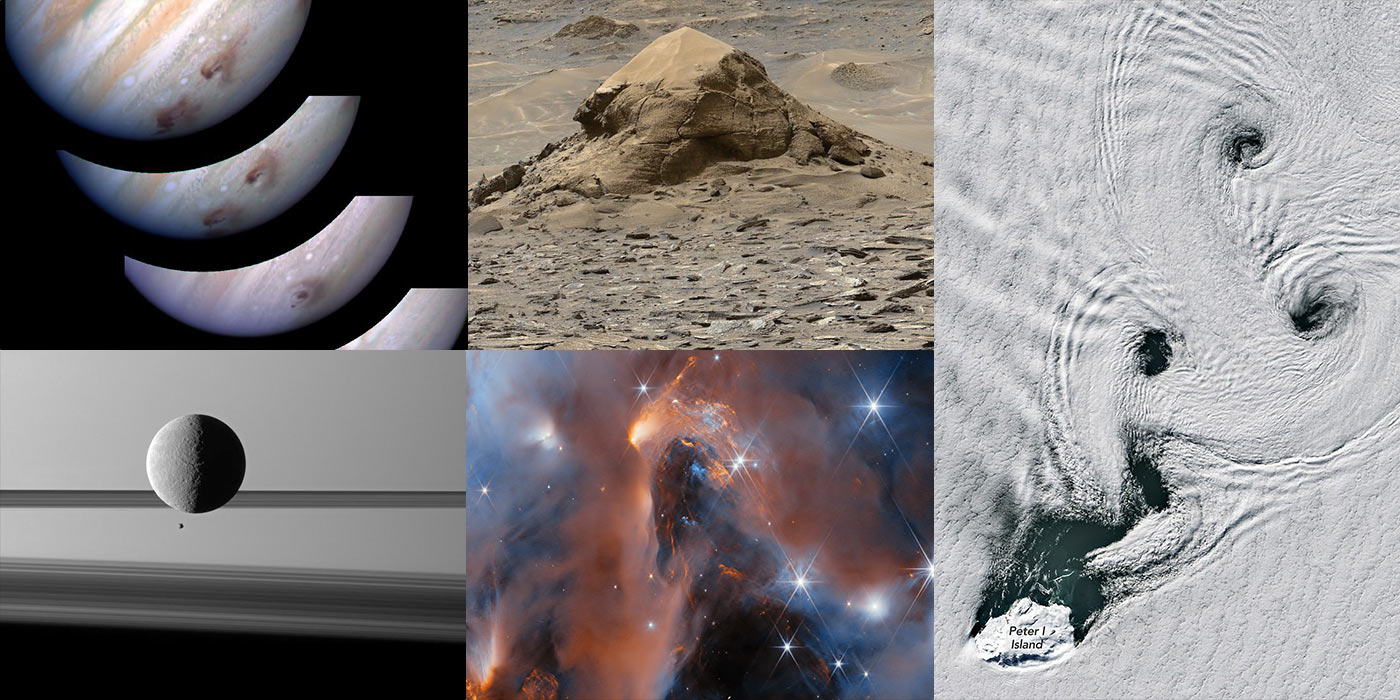
Planetary Picture of the Day - Week of June 1, 2026
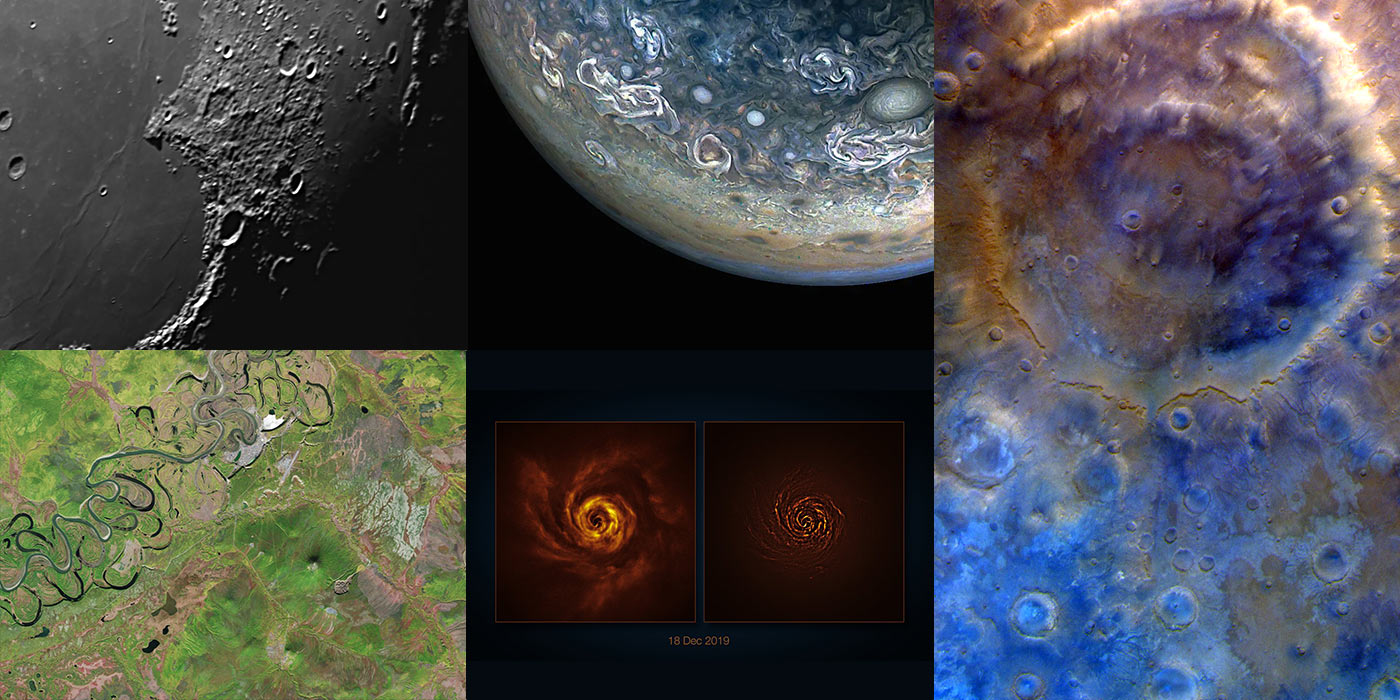
Our solar system contains dynamic worlds near and far, and our cameras capture amazing images of them every day, from a close-up flyby of Mars and the Moon’s beautiful Bay of Rainbows to the swirling storms of Jupiter. We also explore landscapes shaped by change, including Siberia’s expanding Batagaika mega-slump and a young star’s planet-forming disk, offering a glimpse of both Earth’s evolving surface and the processes that build new worlds. #PPOD
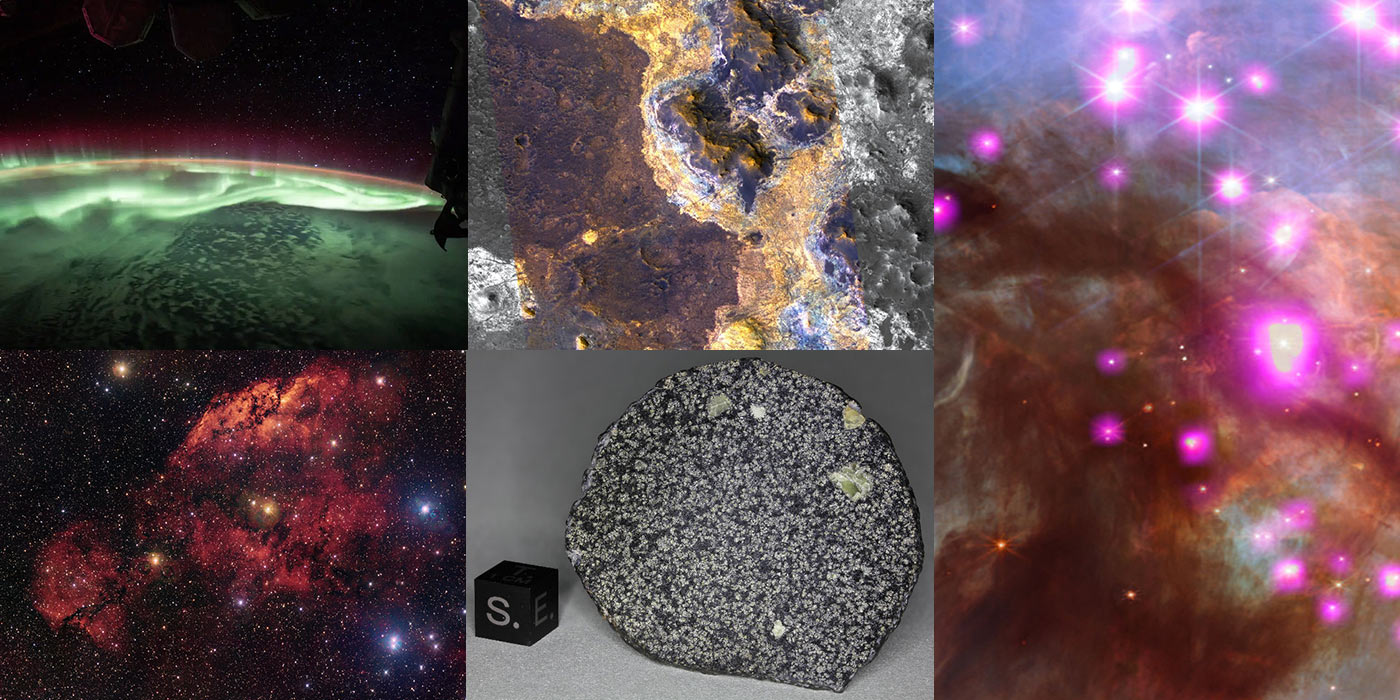
Planetary Picture of the Day - Week of May 25, 2026
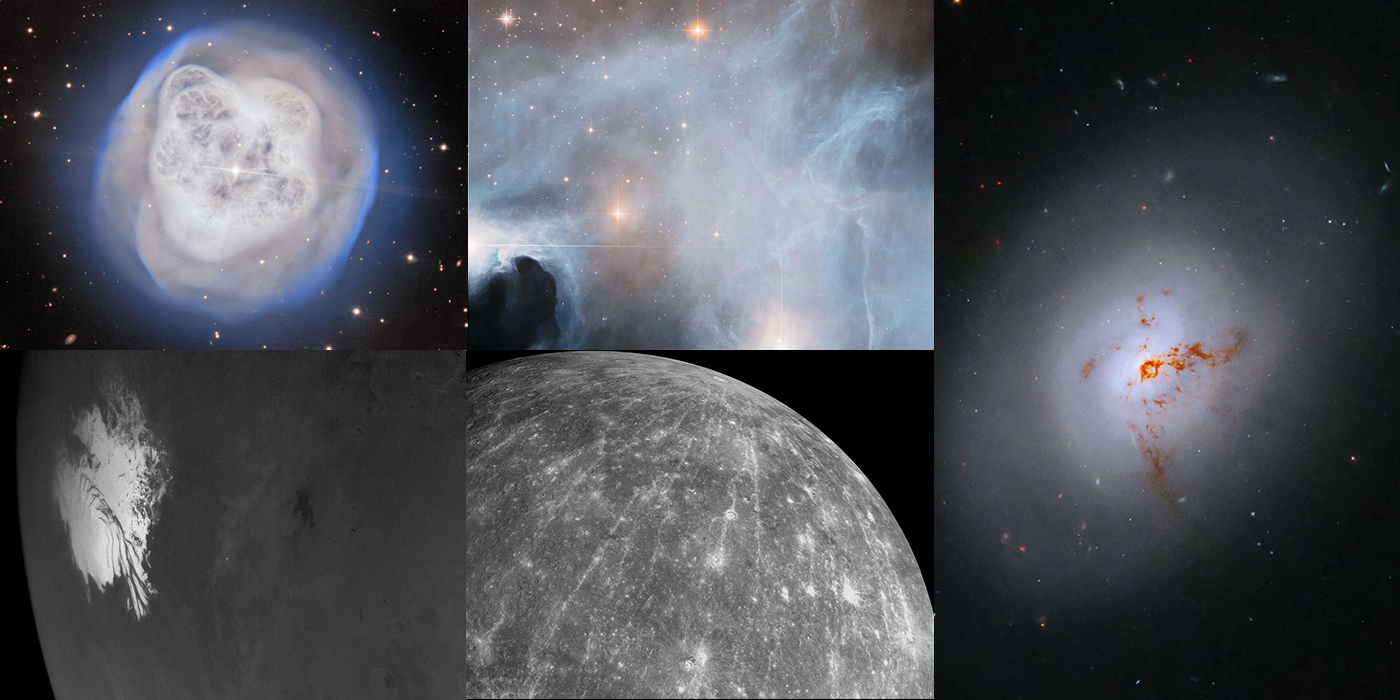
This week's images journeyed from the shimmering Crystal Ball Nebula to the icy south pole of Mars, highlighting beauty and change across our solar system and beyond. The collection also captured stars being born in a ghostly nebula, the dramatic rays of Mercury’s Hokusai Crater, and a distant galaxy caught in transition—offering a striking look at cosmic evolution across space and time. #PPOD
Planetary Picture of the Day - Week of May 18, 2026
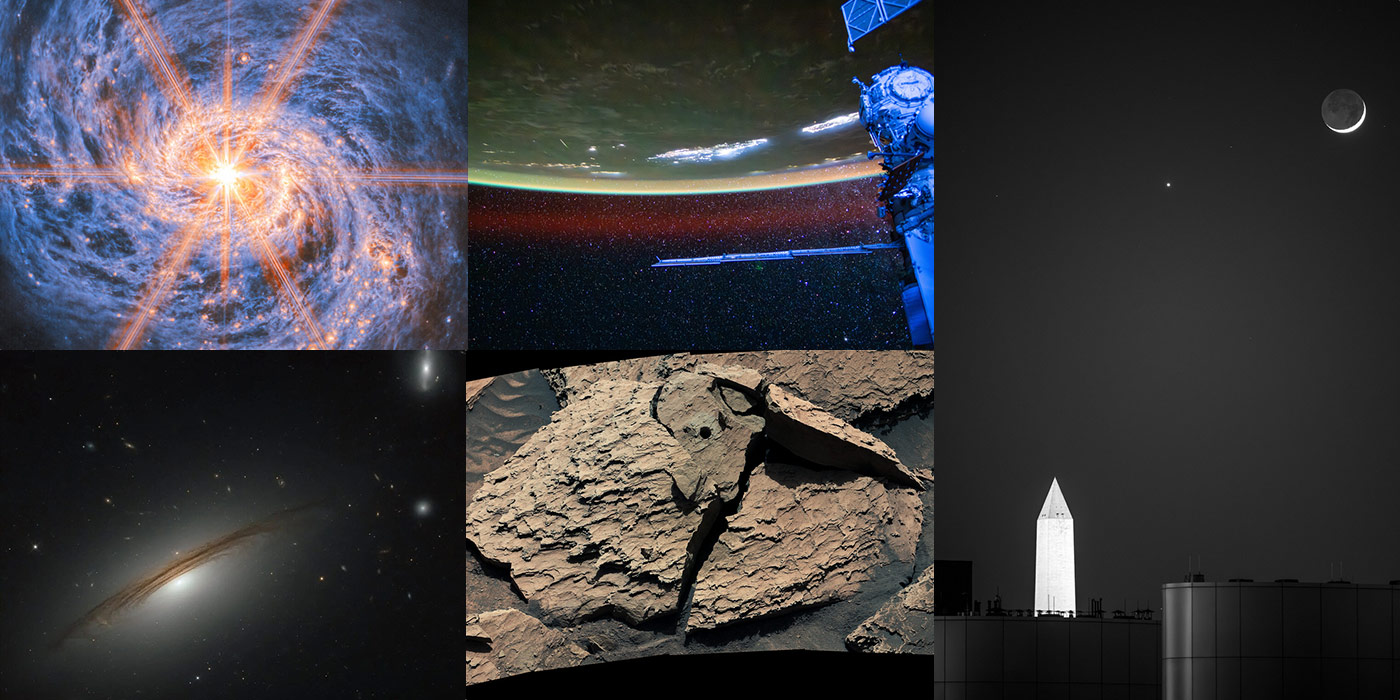
Moments both fleeting and immense—from a Moon–Venus conjunction over Washington, D.C. to a meteor streaking through Earth’s atmosphere as seen from the International Space Station. These images also spanned the cosmic scale, featuring a massive hybrid galaxy, a stubborn rock sampled by the Curiosity rover on Mars, and a stunning mid-infrared view of Messier 77 from JWST. #PPOD
Planetary Picture of the Day - Week of May 04, 2026
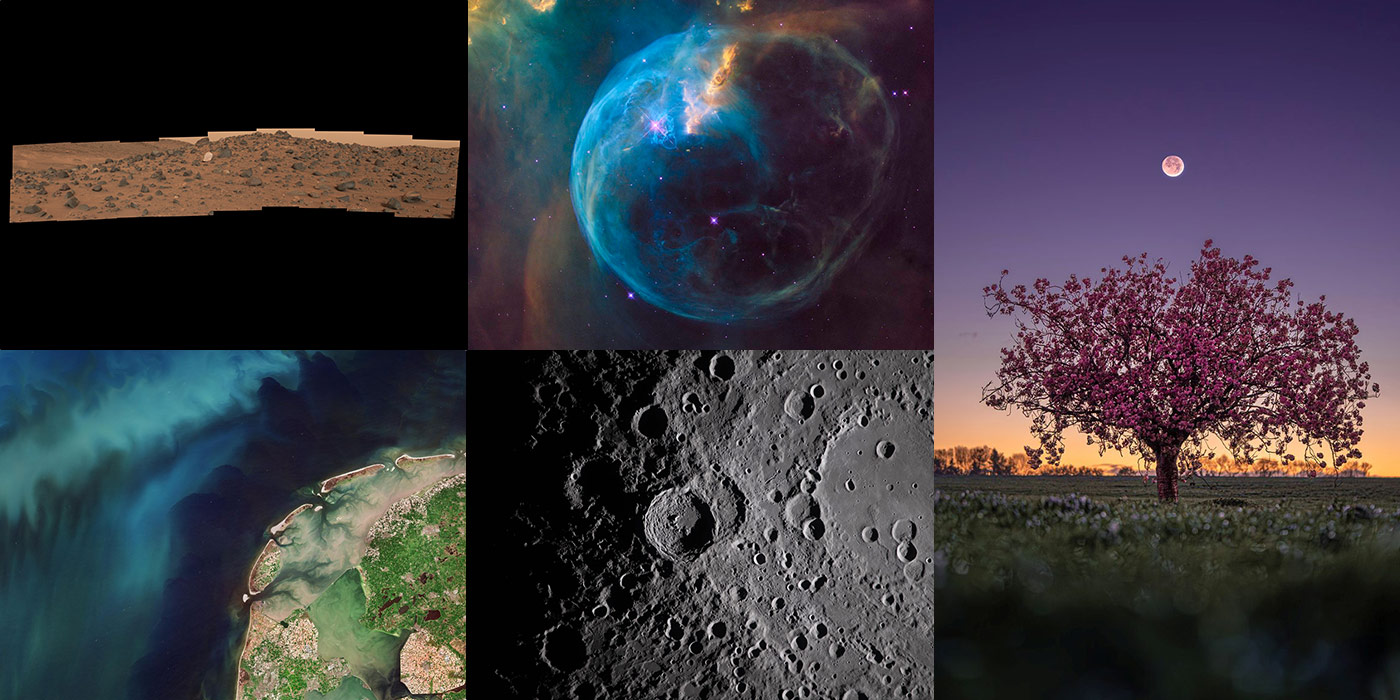
From blooming tulip fields in the Netherlands to the glowing shell of the Bubble Nebula, last week’s PPOD images celebrated color and contrast across Earth, the Moon, and deep space. The collection also highlighted exploration and change—from unusual rocks studied by Perseverance rover on Mars to dramatic lunar shadows captured by Artemis II and the soft glow of May’s Flower Moon. #PPOD
Planetary Picture of the Day - Week of April 27, 2026
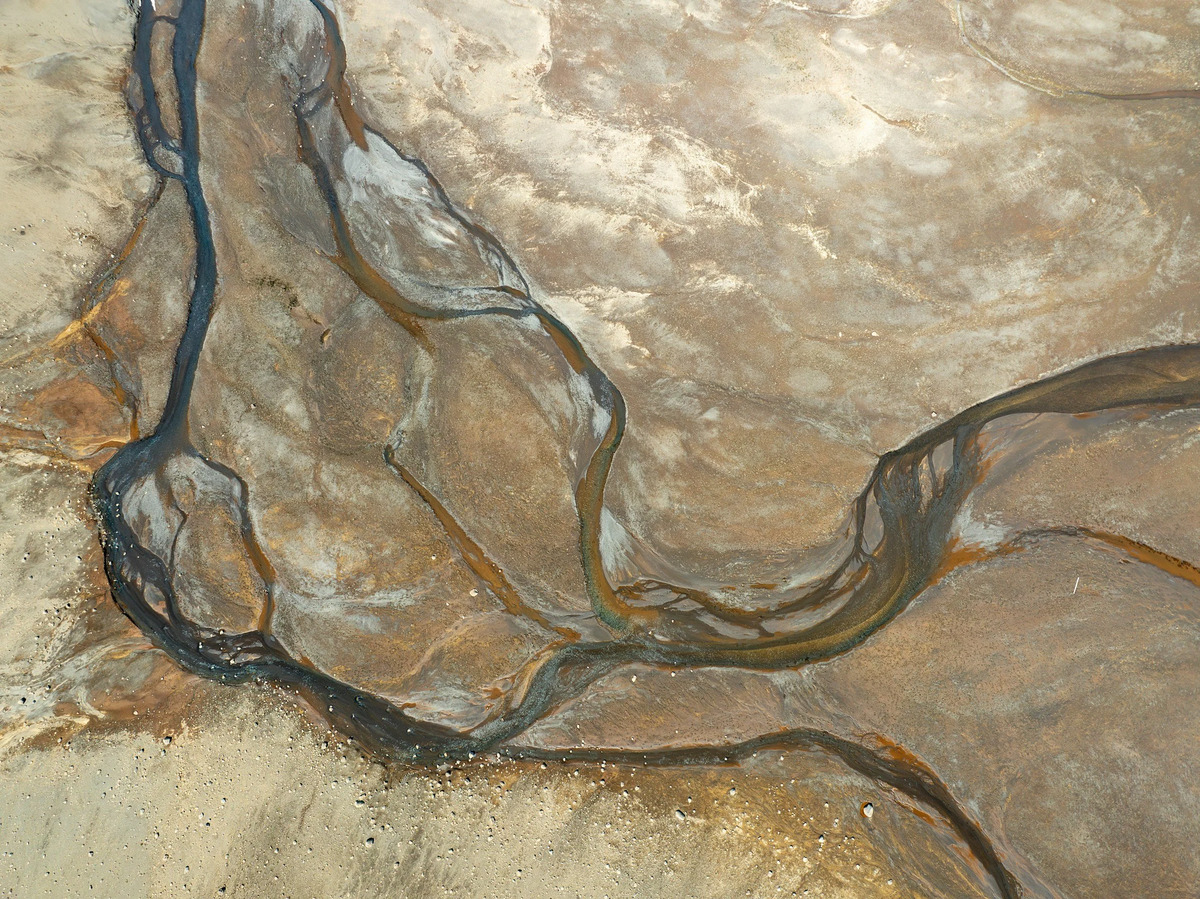
Dark and light play together in this week's photos, as we examine ash spreading across Mars over decades, night and day on the Moon, and the interplay of colors in a distant nebula. #PPOD
Planetary Picture of the Day - Week of April 20, 2026
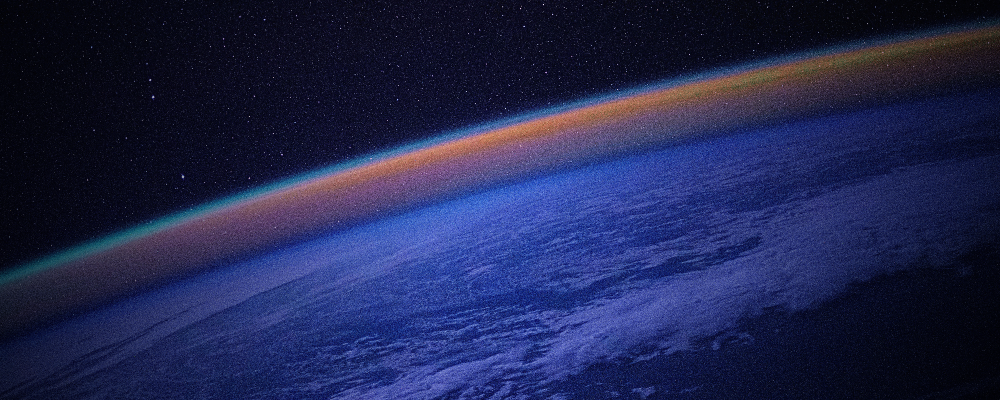
This week's planetary images took us from the fractured ice of Europa and the shadowed edge of the Moon to a fiery-looking sunset cloud glowing above Earth, captured from the International Space Station. They also revisited landmark discoveries and changing worlds, from the first images revealing Charon to dark volcanic ash slowly spreading across Mars's surface. #PPODResearch
Related Projects
SkyMapper: Expanding Access to Real-time Astronomy Through a Global Astronomical Network
SkyMapper and the SETI Institute are connecting educators, students and the public to live astronomical observations through a distributed astronomical network. #SkyMapper #SETI #Citizen Science #Astronomy
Virtual Planetary Laboratory
How can we best assess whether an exoplanet supports life? #VPL
Discovery and Futures Lab
What happens if life beyond Earth is discovered? The Discovery and Futures Lab at the SETI Institute fosters novel and anticipatory research at the intersection of science, society, our planet, and the search for life beyond Earth. #Discovery and Futures LabSupport the
SETI Institute
Scientists are getting closer in their search for life beyond earth. But with limited federal funding for the search for extraterrestrial intelligence, supporters are the reason cutting-edge scientists can keep their eyes on the sky.