)

Tuesday, Aug 19, 2025

At a Glance
|
Researchers, including Dr. Mark Showalter and Dr. Matthew Tiscareno of the SETI Institute, along with colleagues at the Space Telescope Science Institute (STScI), discovered a previously unknown moon of Uranus using the James Webb Space Telescope (JWST). Astronomers detected the faint object on February 2, 2025, in a series of 10 long-exposure images. This discovery adds a new member to Uranus’s family of satellites, bringing the count to 29. The team was led by Dr. Maryame El Moutamid of the Southwest Research Institute.

The count of inner moons stood at 11 until 2003, when Showalter and Dr. Jack Lissauer of NASA Ames discovered two moons, now named Mab and Cupid, using the Hubble Space Telescope. At the time, Hubble was the most powerful instrument available for detecting tiny moons orbiting close to one of the giant planets.
"JWST leaves Hubble in the dust," said Showalter. "It’s exciting to think about what additional discoveries might await us as JWST continues to study these distant worlds."

The small moon orbits about 56,000 kilometers (35,000 miles) from the planet’s center, between the orbits of the moons Ophelia and Bianca. It circles Uranus in less than half a day. Based on its brightness, the moon is estimated to be only six miles in diameter, too small to have been seen by Voyager 2 or the Hubble Space Telescope.
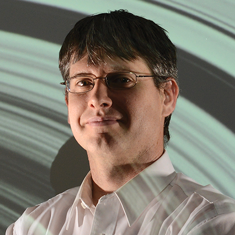
“No other planet has as many small inner moons as Uranus, and their complex inter-relationships with the rings hint at a chaotic history that blurs the boundary between a ring system and a system of moons,” said Tiscareno. “Moreover, the new moon is smaller and much fainter than the smallest of the previously known inner moons, making it likely that even more complexity remains to be discovered.”
This new moon is the 14th of Uranus's small moons, which include Miranda, Ariel, Umbriel, Titania, and Oberon. Ultimately, the International Astronomical Union (IAU) will approve a name for this newly discovered moon.
This discovery gives scientists another target for studying the planet’s delicate system of rings and satellites.
Read more about this discovery here: https://science.nasa.gov/blogs/webb/2025/08/19/new-moon-discovered-orbiting-uranus-using-nasas-webb-telescope/







News
Related News
Jul 10, 2026
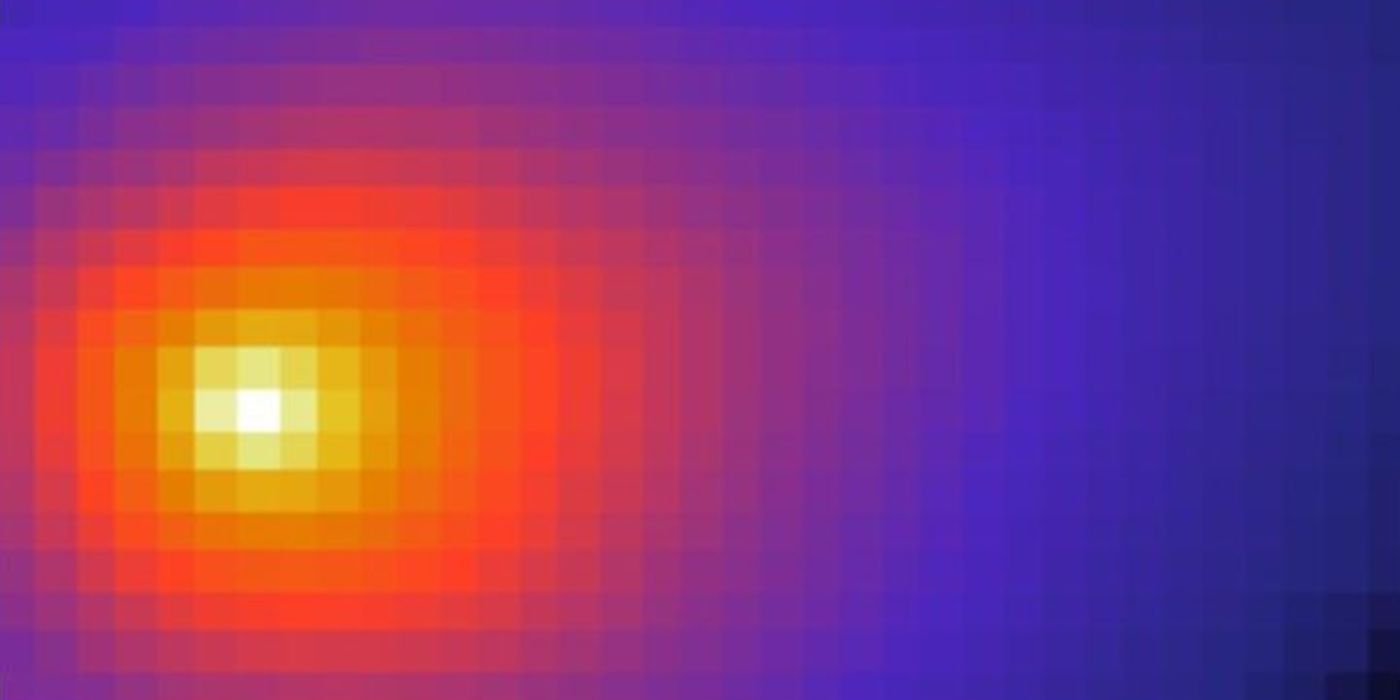
A Remarkably Ancient Visitor: 3I/ATLAS
#3I/ATLAS #Comets, Meteors, and Asteroids #JWST
Jun 5, 2026
Beyond Disclosure Day: The Real-World Protocols
#Press Releases #SETI #Astronomy #Bill Diamond #SETI Institute
Jun 4, 2026
SETI Institute In the News: May Roundup 2026
#SETI Institute in the News #SETI Institute #Community #Solar System #Matija Ćuk #Neptune #SETI #Bill Diamond #UAPs #Drake Awards #Lori Marino #Matthew Tiscareno #Outreach #Exoplanets #Carl Sagan Center
Jun 1, 2026
SETI Institute Awards $1 Million in STRIDE Grants to Advance Astrobiology, Exoplanet Science, and Public Engagement
#Press Releases #STRIDE #Research #Carl Sagan Center #Spectroscopy #Solar System #SETI #Climate and Bioscience #Astronomy #Astrobiology #Exoplanets #Data Science #Education #Outreach #Hat Creek Radio Observatory #Unistellar #SkyMapper
May 13, 2026
SETI Institute to Honor Dr. Matthew Tiscareno with 2026 Carl Sagan Center Director’s Award
The Drake Awards event will also recognize SETI Forward and SETI Institute REU student award recipients. #Press Releases #Drake Awards #Frank Drake #SETI #Awards #Planetary Astronomy #Astrobiology #SETI Forward #Education #Carl Sagan Center #Matthew Tiscareno #Nathalie Cabrol #REU
May 7, 2026
SETI Institute In the News: April Roundup 2026
#SETI Institute in the News #SETI Institute #Community #SETI #Discovery and Futures Lab #Lucian Walkowicz #Chelsea Haramia #NASA Missions and Observatories #Pascal Lee #Mars #Janice Bishop #Mark Showalter #JWST #Uranus #Bill Diamond #UAPs
Jul 10, 2026
#3I/ATLAS
#Comets, Meteors, and Asteroids
#JWST
Jun 5, 2026
#Press Releases
#SETI
#Astronomy
#Bill Diamond
#SETI Institute
Beyond Disclosure Day: The Real-World Protocols
Jun 4, 2026
#SETI Institute in the News
#SETI Institute
#Community
#Solar System
#Matija Ćuk
#Neptune
#SETI
#Bill Diamond
#UAPs
#Drake Awards
#Lori Marino
#Matthew Tiscareno
#Outreach
#Exoplanets
#Carl Sagan Center
SETI Institute In the News: May Roundup 2026
Jun 1, 2026
#Press Releases
#STRIDE
#Research
#Carl Sagan Center
#Spectroscopy
#Solar System
#SETI
#Climate and Bioscience
#Astronomy
#Astrobiology
#Exoplanets
#Data Science
#Education
#Outreach
#Hat Creek Radio Observatory
#Unistellar
#SkyMapper
SETI Institute Awards $1 Million in STRIDE Grants to Advance Astrobiology, Exoplanet Science, and Public Engagement
May 13, 2026
SETI Institute to Honor Dr. Matthew Tiscareno with 2026 Carl Sagan Center Director’s Award
The Drake Awards event will also recognize SETI Forward and SETI Institute REU student award recipients.
#Press Releases
#Drake Awards
#Frank Drake
#SETI
#Awards
#Planetary Astronomy
#Astrobiology
#SETI Forward
#Education
#Carl Sagan Center
#Matthew Tiscareno
#Nathalie Cabrol
#REU
May 7, 2026
#SETI Institute in the News
#SETI Institute
#Community
#SETI
#Discovery and Futures Lab
#Lucian Walkowicz
#Chelsea Haramia
#NASA Missions and Observatories
#Pascal Lee
#Mars
#Janice Bishop
#Mark Showalter
#JWST
#Uranus
#Bill Diamond
#UAPs
SETI Institute In the News: April Roundup 2026
Research
Related Projects

SkyMapper • SETI • Citizen Science • Astronomy
SkyMapper: Expanding Access to Real-time Astronomy Through a Global Astronomical Network
SkyMapper and the SETI Institute are connecting educators, students and the public to live astronomical observations through a distributed astronomical network. #SkyMapper #SETI #Citizen Science #Astronomy
VPL
Virtual Planetary Laboratory
How can we best assess whether an exoplanet supports life? #VPL
Discovery and Futures Lab
Discovery and Futures Lab
What happens if life beyond Earth is discovered? The Discovery and Futures Lab at the SETI Institute fosters novel and anticipatory research at the intersection of science, society, our planet, and the search for life beyond Earth. #Discovery and Futures Lab
May 17, 2026
SkyMapper: Expanding Access to Real-time Astronomy Through a Global Astronomical Network
SkyMapper and the SETI Institute are connecting educators, students and the public to live astronomical observations through a distributed astronomical network.
#SkyMapper
#SETI
#Citizen Science
#Astronomy
May 5, 2026
Virtual Planetary Laboratory
How can we best assess whether an exoplanet supports life?
#VPL
Apr 16, 2026
Discovery and Futures Lab
What happens if life beyond Earth is discovered? The Discovery and Futures Lab at the SETI Institute fosters novel and anticipatory research at the intersection of science, society, our planet, and the search for life beyond Earth.
#Discovery and Futures Lab
Support Us
Support the
SETI Institute
Scientists are getting closer in their search for life beyond earth. But with limited federal funding for the search for extraterrestrial intelligence, supporters are the reason cutting-edge scientists can keep their eyes on the sky.
