








Thursday, Jun 04, 2026

At A Glance

  • This Moon of Neptune Might Have Survived a Wrecking-Ball Event: Matija Ćuk comments on research examining the complex orbital history of Neptune's moons, helping scientists reconstruct how Triton may have dramatically reshaped the planet's satellite system.
  • Spaceships Over Doncaster: The Truth About Ufos – And How Believers May Be Wired Differently: Bill Diamond emphasizes that unexplained aerial phenomena require careful investigation and evidence-based analysis rather than speculation.
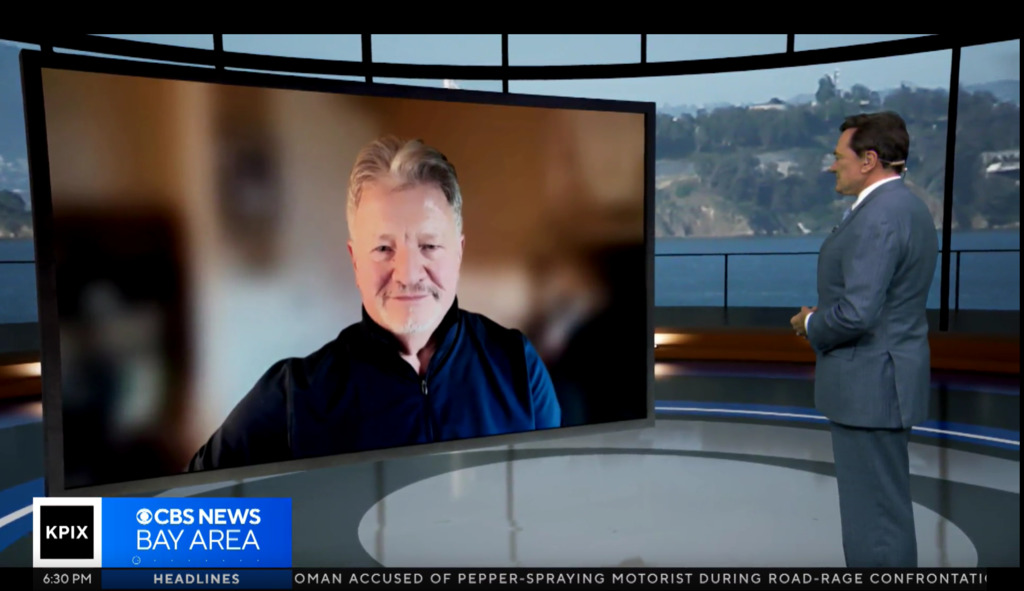
  • SETI Institute CEO Discusses UFO Questions on CBS News: In a national television interview, Bill Diamond addressed continuing public fascination with UFOs and the possibility of extraterrestrial life.
  • Watch Dr. Lori Marino’s Conversation with the CEO of the SETI Institute: Bill Diamond joins neuroscientist Lori Marino in a conversation examining animal cognition and what it may teach us about recognizing intelligence elsewhere in the universe.
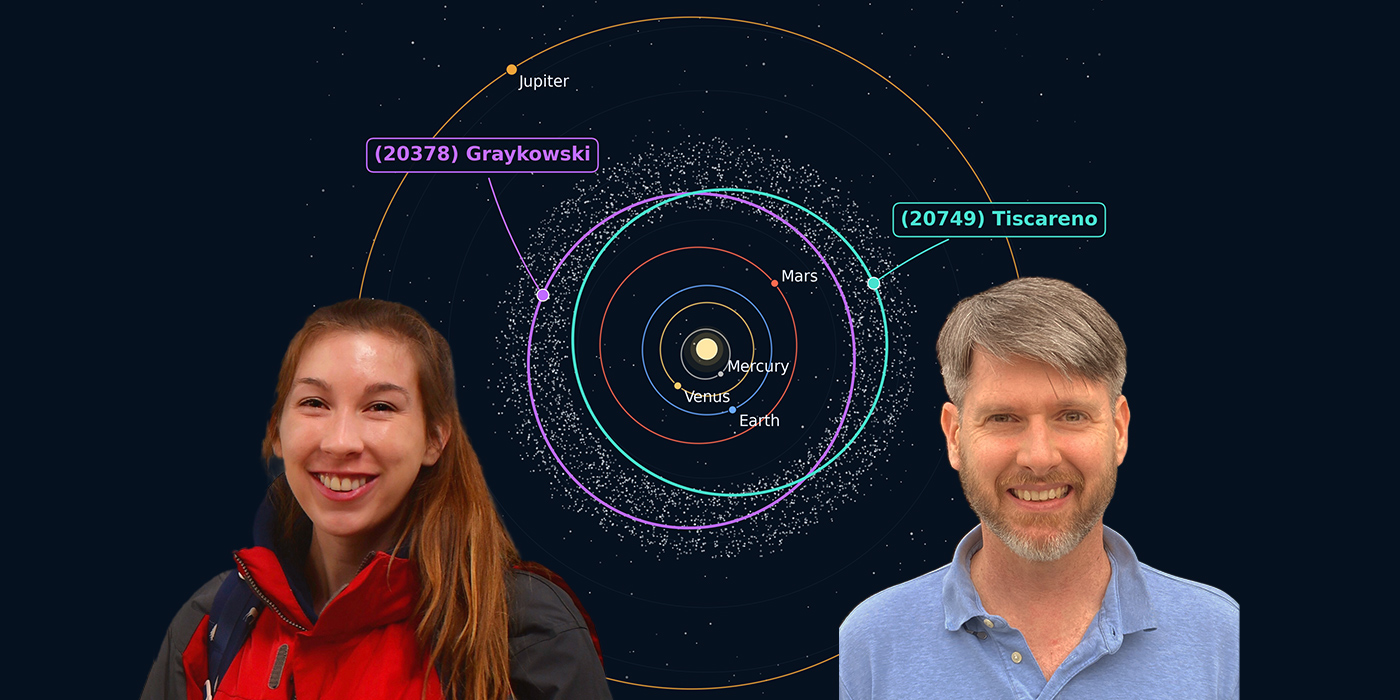
  • SETI Institute Honors Dr. Matthew Tiscareno with 2026 Carl Sagan Center Director’s Award: The SETI Institute honors Tiscareno for his scientific leadership and groundbreaking contributions to planetary ring systems and solar system dynamics.
  • Star Wars In Real Life? Astronomers Find 27 Possible Twin-Sun Worlds: SETI Institute Affiliate Margo Thornton led the research, identifying dozens of potential circumbinary planets orbiting two stars.
  • The Search For Aliens Levels Up: Steve Croft discusses how new observatories and advanced computing technologies are expanding the search for technosignatures across the galaxy.

In May 2026, SETI Institute scientists and affiliates contributed to a wide range of conversations spanning planetary science, astrobiology, exoplanet discovery, and the search for extraterrestrial intelligence.

New research explored the origins of Neptune’s unusual moon system, while a study led by SETI Institute affiliate Margo Thornton identified 27 candidate planets orbiting binary stars using a novel detection method. At the same time, developments in radio astronomy and artificial intelligence continued to reshape strategies for detecting possible technosignatures beyond Earth.

Public engagement also remained an important focus throughout the month. Discussions surrounding UAPs, intelligence in both terrestrial and extraterrestrial contexts, and the future of SETI research highlighted the growing intersection between scientific discovery and public curiosity. Together, these stories reflect the SETI Institute’s ongoing commitment to advancing rigorous research while fostering informed conversations about humanity’s place in the universe.

This Moon of Neptune Might Have Survived a Wrecking-Ball Event

This Moon of Neptune Might Have Survived a Wrecking-Ball Event

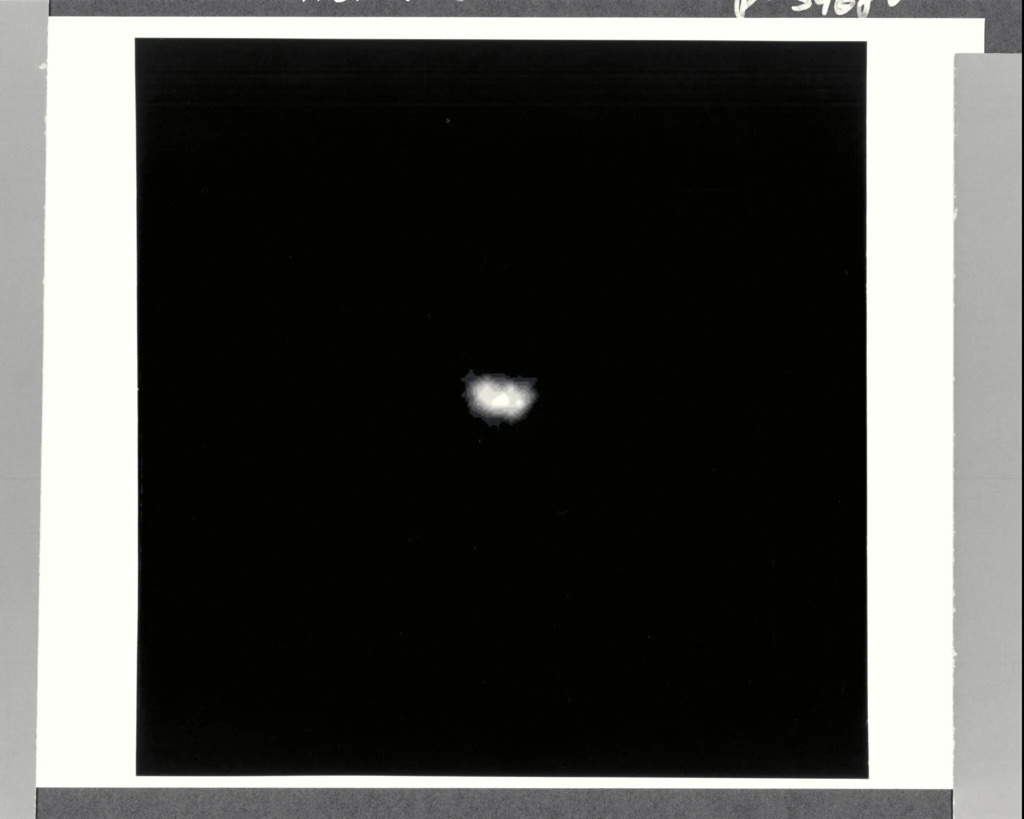
New research examining Neptune's moon Nereid is providing important insights into one of the most dramatic events in the history of the outer solar system: the capture of Triton. Scientists believe Triton was once an independent object that was gravitationally captured by Neptune, an event that likely disrupted the planet's original satellite system.

SETI Institute research scientist Matija Ćuk commented on the orbital dynamics and planetary evolution, helping researchers investigate how Nereid's unusual orbit may preserve evidence of this ancient event. By studying the interactions between Neptune's moons, scientists can better understand the processes that shaped the giant planets and their satellite systems billions of years ago.

The work highlights the SETI Institute's continued contributions to planetary science and efforts to reconstruct the history of our solar system through the study of celestial mechanics and planetary dynamics.

Read the full article by The New York Times: This Moon of Neptune Might Have Survived a Wrecking-Ball Event

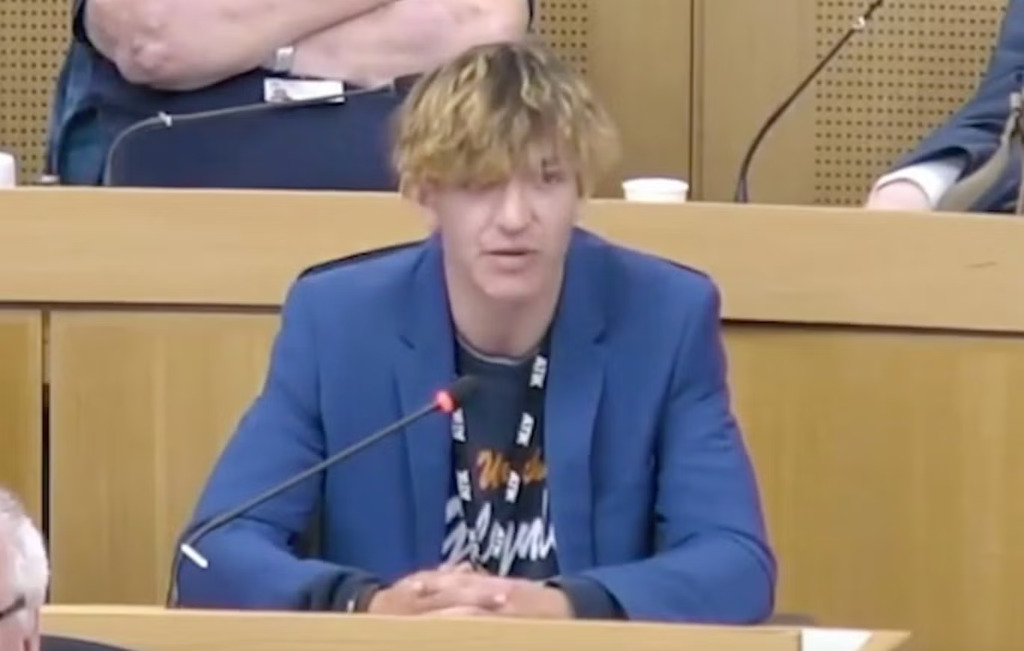
ET phone... Reform? A councillor in Doncaster pushed for more insight into supposed close encounters in the area (City of Doncaster Council)

Spaceships Over Doncaster: The Truth About Ufos – And How Believers May Be Wired Differently

Public interest in unidentified anomalous phenomena (UAPs) continued throughout May as policymakers, researchers, and the public debated how best to investigate unexplained observations.

Commenting on the discussion, SETI Institute President and CEO Bill Diamond emphasized the importance of approaching such reports through the scientific method. While some sightings remain unexplained, Diamond noted that unexplained observations should not be automatically interpreted as evidence of extraterrestrial visitation, reflecting the SETI Institute’s longstanding commitment to evidence-based investigation, and its broader mission of applying rigorous scientific inquiry to questions about life and intelligence beyond Earth.

Read the full article by The Independent: Spaceships Over Doncaster: The Truth About Ufos – And How Believers May Be Wired Differently

SETI Institute CEO Discusses UFO Questions on CBS News

SETI Institute CEO Discusses UFO Questions on CBS News

In a national television interview, Bill Diamond addressed continuing public fascination with UFOs and the possibility of extraterrestrial life.

Diamond explained that while many aerial observations remain unidentified, there is currently no confirmed evidence linking such phenomena to alien civilizations. He emphasized that science advances by carefully evaluating data, testing hypotheses, and following evidence wherever it leads.

His appearance provided an opportunity to communicate the SETI Institute's scientific approach to one of society's most enduring questions: are we alone? The interview also highlighted the Institute's role in helping distinguish between speculation and evidence in public discussions about extraterrestrial life.

Watch the full CBS News segment: SETI CEO Discusses UFO Questions and the Search for Life Beyond Earth

Watch Dr. Lori Marino’s Conversation with the CEO of the SETI Institute

In advance of receiving the 2026 Drake Award, neuroscientist Lori Marino joined SETI Live for a conversation with Bill Diamond about animal intelligence, communication, and consciousness.

Their discussion explored how studying cognition in whales and dolphins can inform broader questions about the nature of intelligence and how scientists might recognize it beyond earth. For SETI researchers, these questions have particular relevance because the search for extraterrestrial intelligence requires scientists to consider forms of intelligence that may differ significantly from our own.

By bringing together perspectives from neuroscience, biology, and astrobiology, the conversation reflected the interdisciplinary approach increasingly shaping SETI Institute research and public engagement.

Watch the full conversation from the Whale Sanctuary Project: Dr. Lori Marino in Conversation with the CEO of the SETI Institute

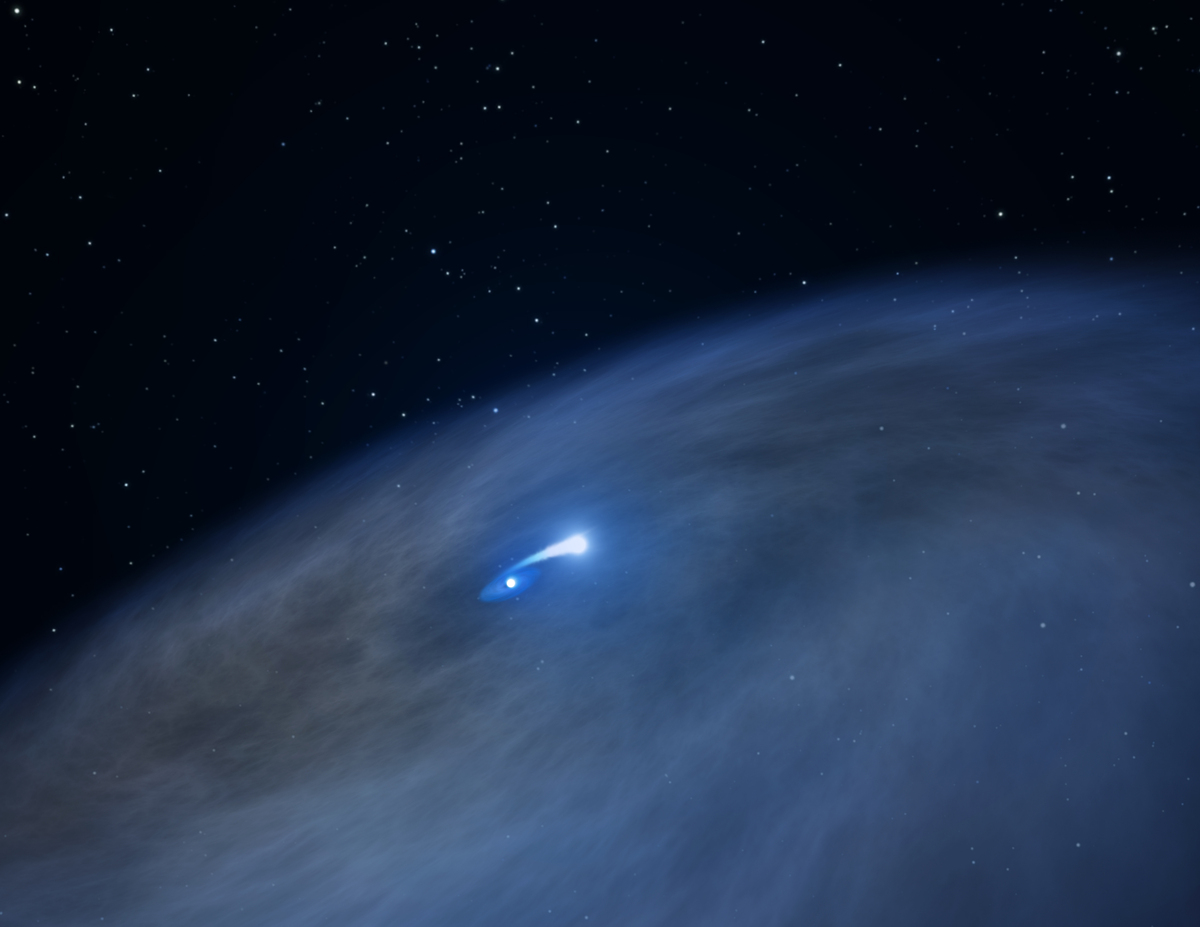
An artist’s rendition of a multiplanetary circumbinary system. Credit: NASA/JPLCaltech/T. Pyle

Star Wars In Real Life? Astronomers Find 27 Possible Twin-Sun Worlds

A new study has identified 27 candidate planets orbiting binary star systems, expanding the known population of potential "twin-sun" worlds.

The research was led by SETI Institute Affiliate Margo Thornton and identified 27 candidate circumbinary planets using a novel technique based on subtle changes in stellar eclipse timing. These planets provide valuable opportunities to study how planetary systems form and survive in environments very different from our own solar system.

The findings broaden our understanding of planetary diversity throughout the galaxy and contribute to ongoing efforts to identify potentially habitable environments beyond Earth. The work also reflects the SETI Institute's growing involvement in exoplanet science and the search for worlds that may support life.

Read the full article from MSN: Star Wars in Real Life? Astronomers Find 27 Possible Twin-Sun Worlds

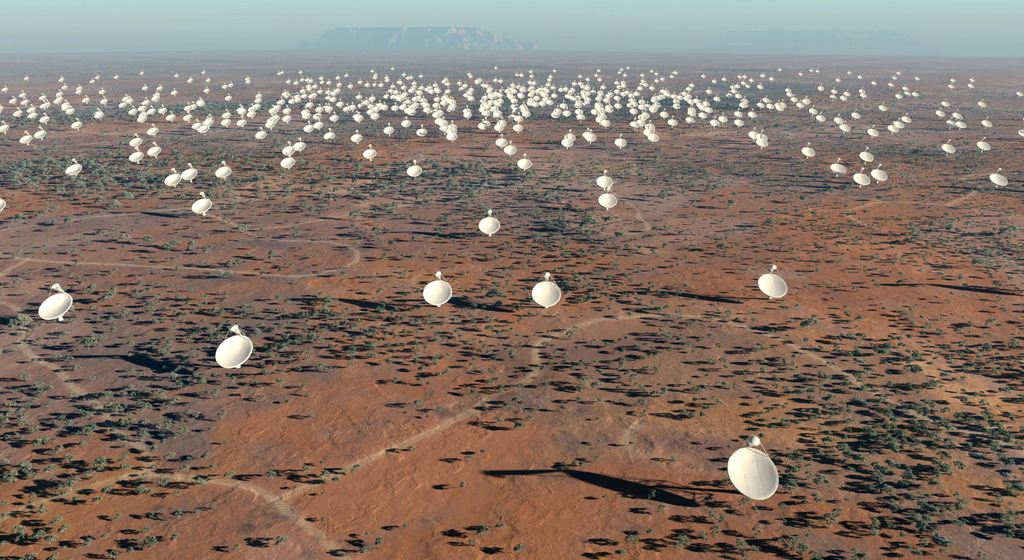
The name of the Square Kilometre Array refers to the project’s ultimate goal of having dishes and antennas with a collecting area totaling 1 square kilometer. However, the project — pictured here in a photo illustration — will begin its science operations at roughly 10 percent that level. Credit: SPDO/TDP/DRAO/Swinburne Astronomy Productions (CC BY 3.0)

The Search For Aliens Levels Up

As new observatories and advanced computing systems come online, researchers are dramatically expanding humanity's ability to search for technosignatures—evidence of technological civilizations beyond Earth.

In a feature examining the future of SETI research, SETI Institute scientist Steve Croft discussed how next-generation facilities and artificial intelligence tools are transforming the search for extraterrestrial intelligence. These technologies allow scientists to process unprecedented volumes of astronomical data while searching for signals and patterns that might otherwise go unnoticed. Croft highlighted how facilities such as the Square Kilometre Array Observatory and the next-generation Very Large Array will dramatically expand the search for technosignatures in the coming decade.

Croft emphasized how the combination of powerful new telescopes, sophisticated algorithms, and growing international collaboration is opening new opportunities to explore one of science's most profound questions.

Read the full feature by Astronomy Magazine: The Search for Aliens Levels Up

News

Related News

Featured Image
Jun 9, 2026
Disclosure Needs Data
#SkyMapper #Franck Marchis #SETI #citizen science
Featured Image
Jun 5, 2026
Beyond Disclosure Day: The Real-World Protocols
#Press Releases #SETI #Astronomy #Bill Diamond #SETI Institute
Featured Image
Jun 3, 2026
SETI Institute Looks for Signs of Technology in Interstellar Visitor 3I/ATLAS
Observations with the Allen Telescope Array set new limits on possible signals from extraterrestrial transmitters. #Press Releases #ATA #3I/ATLAS #Hat Creek Radio Observatory #Radio Astronomy #SETI
Featured Image
Jun 1, 2026
SETI Institute Awards $1 Million in STRIDE Grants to Advance Astrobiology, Exoplanet Science, and Public Engagement
#Press Releases #STRIDE #Research #Carl Sagan Center #Spectroscopy #Solar System #SETI #Climate and Bioscience #Astronomy #Astrobiology #Exoplanets #Data Science #Education #Outreach #Hat Creek Radio Observatory #Unistellar #SkyMapper
Featured Image
May 28, 2026
Celebrating Frank Drake
#Frank Drake #SETI #Project Ozma #Drake Equation #SETI Institute
Research

Related Projects

Featured Image
SkyMapper • SETI • Citizen Science • Astronomy
SkyMapper: Expanding Access to Real-time Astronomy Through a Global Astronomical Network
SkyMapper and the SETI Institute are connecting educators, students and the public to live astronomical observations through a distributed astronomical network. #SkyMapper #SETI #Citizen Science #Astronomy
Featured Image
VPL
Virtual Planetary Laboratory
How can we best assess whether an exoplanet supports life? #VPL
Featured Image
Discovery and Futures Lab
What happens if life beyond Earth is discovered? The Discovery and Futures Lab at the SETI Institute fosters novel and anticipatory research at the intersection of science, society, our planet, and the search for life beyond Earth.  #Discovery and Futures Lab
Support Us

Support the
SETI Institute

Scientists are getting closer in their search for life beyond earth. But with limited federal funding for the search for extraterrestrial intelligence, supporters are the reason cutting-edge scientists can keep their eyes on the sky.