)

Monday, Jul 20, 2026
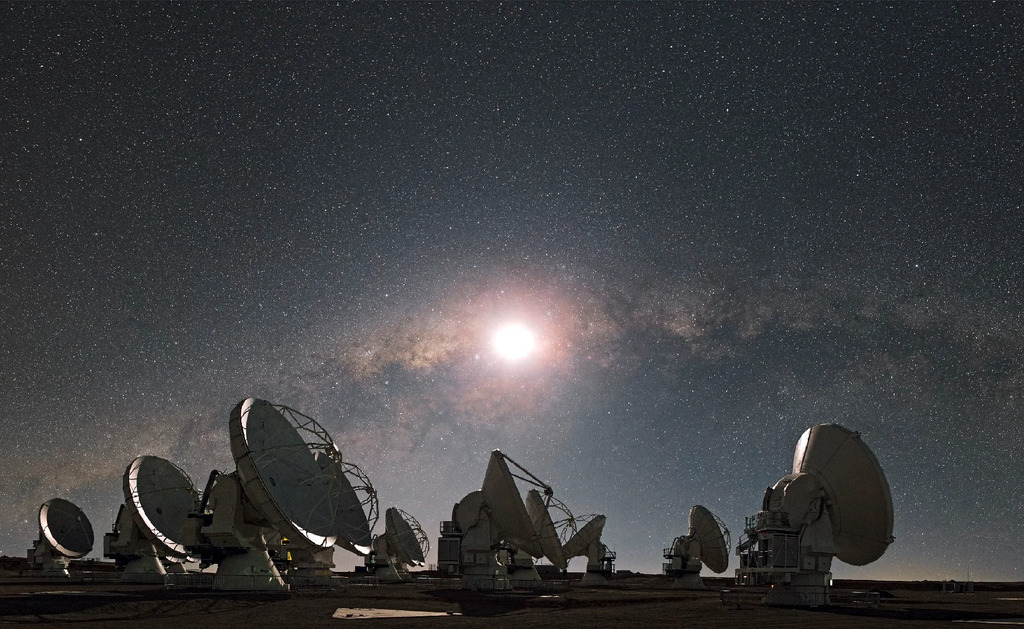
The Karl G. Jansky Very Large Array (VLA) listening for radio waves from space. Credit: NRAO
At A Glance
|
The discovery of the interstellar object 3I/ATLAS drew global attention as researchers rapidly deployed the Allen Telescope Array to search for possible technosignatures, while new studies explores how stellar environments may obscure extraterrestrial radio signals and how future detections could be verified and communicated through internationally recognized protocols.
Other features examined the enduring scientific value of comets, the role of animal cognition in broadening our understanding of intelligence, and the interdisciplinary research shaping the search for life elsewhere in the Universe.
Recognition of SETI Institute optical scientist Eduardo Bendek by NASA Ames further highlighted the Institute's contributions to advancing technologies that will enable future missions to directly image potentially habitable worlds. Together, these stories reflect the SETI Institute's commitment to rigorous scientific research, interdisciplinary collaboration, and thoughtful public engagement as it advances our understanding of life in the Universe.

Pictured left to right: Sungshin Choi, Yi-Chun Chen, Emma Yates, Eduardo Bendek
Ames Science Stars of the Month: July 2026
NASA Ames recognized SETI Institute optical scientist Eduardo Bendek as its July 2026 Space Science Star for his contributions to the Ames Coronagraph Testbed (ACT), a near-infrared technology testbed supporting the development of NASA's future Habitable Worlds Observatory.
Bendek developed and evaluated multiple first-light experiment concepts for the testbed and presented recommendations that will help guide the project’s next phase. His work advances technologies designed to directly image and study potentially habitable exoplanets, supporting NASA’s long-term search for worlds beyond our solar system.
Read the full article by NASA: Ames Science Stars of the Month July 2026
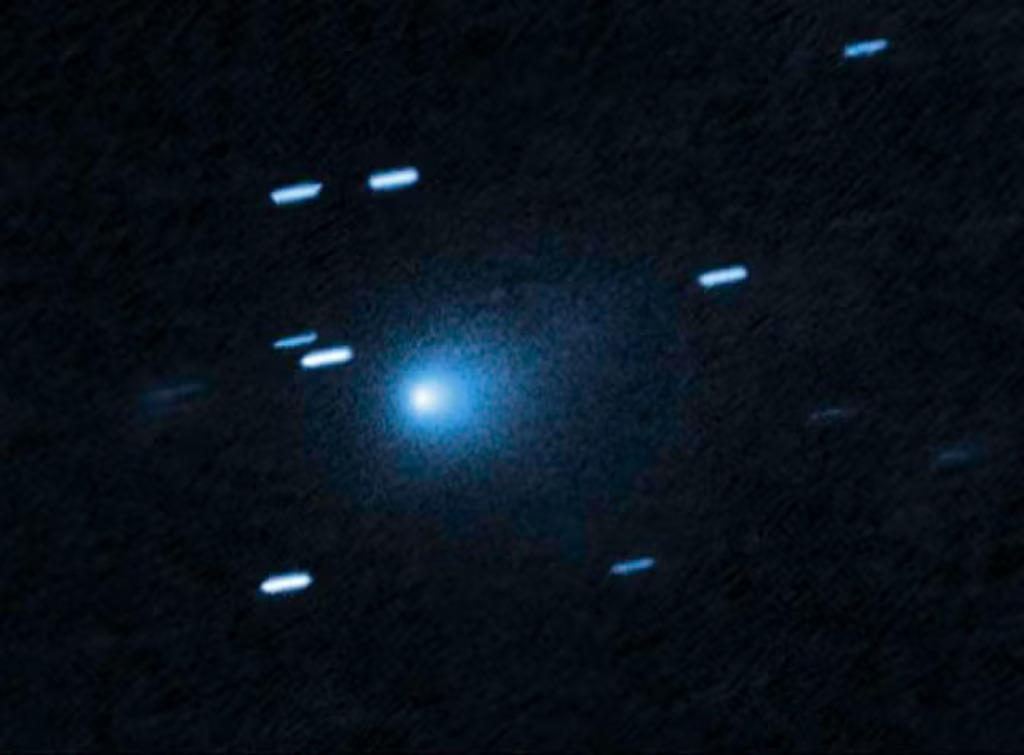
Interstellar object 3I/ATLAS imaged by the Hubble Space Telescope (NASA)
Strange Interstellar Comet Speculated To Be Alien Spacecraft Is Older Than Solar System
The discovery of 3I/ATLAS, only the third known interstellar object to pass through our Solar System, sparked extensive scientific investigation into its origin and composition. While new research suggests the ancient comet may predate our solar system, the SETI Institute contributed to the global effort by searching the object for possible technosignatures.
Using the Allen Telescope Array in Northern California, researchers conducted more than seven hours of observations, searching for narrowband radio signals that could indicate the presence of technology. After analyzing approximately 74 million candidate signals, every detection was ultimately traced to human-generated radio interference, leaving no evidence of extraterrestrial technology.
Although the observations revealed no technosignatures, the campaign demonstrated the SETI Institute's ability to rapidly deploy advanced radio astronomy facilities whenever rare interstellar visitors present unique scientific opportunities. The study also established an important scientific baseline for future technosignature searches, helping researchers better distinguish natural interstellar objects from any truly anomalous discoveries.
Read the full article by Independent: Strange interstellar comet speculated to be alien spacecraft is older than Solar System
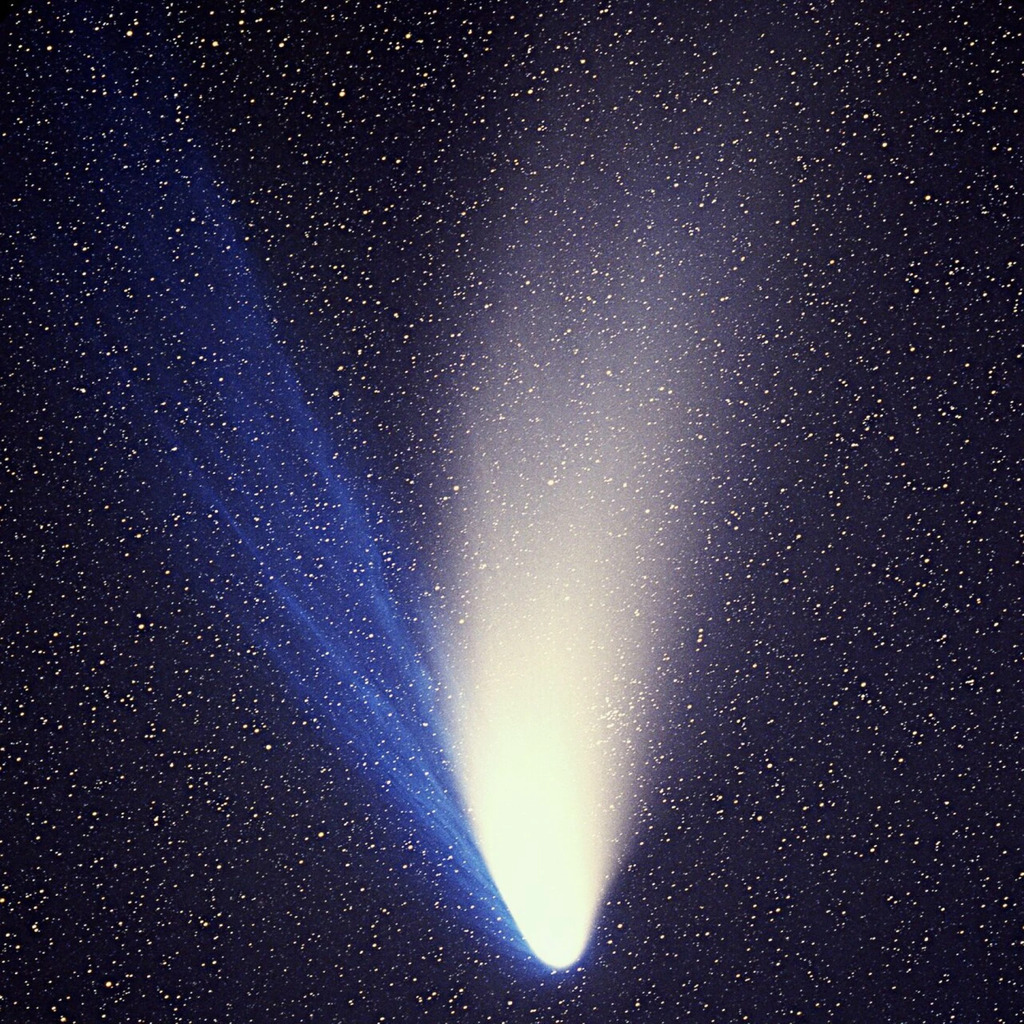
Comet Hale-Bopp in 1997, E. Kolmhofer, H. Raab / Johannes Kepler Observatory
Best Of Blue Dot: Sky Ghosts Of The Cosmos: Comets
Comets remain among the most scientifically valuable objects in the Solar System because they preserve material dating back to its earliest formation.
During an episode of Blue Dot, SETI Institute scientist Franck Marchis and Ariel Graykowski discussed how comets provide insight into the chemical building blocks that shaped the planets billions of years ago. Their conversation explored why these icy bodies are often described as cosmic time capsules and how modern observations continue to improve scientists' understanding of Solar System evolution.
The discussion also examined how studying both Solar System comets and rare interstellar visitors expands our understanding of planetary formation and the diversity of planetary systems throughout the galaxy.
Listen to the full podcast by NSPR: Best Of Blue Dot: Sky Ghosts Of The Cosmos: Comets
The Karl G. Jansky Very Large Array (VLA) listening for radio waves from space. Credit: NRAO
Beyond Fermi's Paradox XVIII: What If We Make Contact?
The possibility of detecting extraterrestrial intelligence raises questions that extend well beyond astronomy.
In the concluding installment of Universe Today's series on the Fermi Paradox, SETI Institute co-founder Jill Tarter’s contribution to the development of post-detection frameworks are highlighted, including the Rio Scale, which evaluate the significance of potential SETI detections, and broader international protocols for responding to evidence of extraterrestrial intelligence.
The article explores how scientists have spent decades preparing not only to search for technosignatures, but also to verify discoveries, communicate findings responsibly, and coordinate an international scientific response should humanity ever detect evidence of intelligent life beyond Earth.
Read the full article by Universe Today: Beyond Fermi's Paradox XVIII: What if We Make Contact?
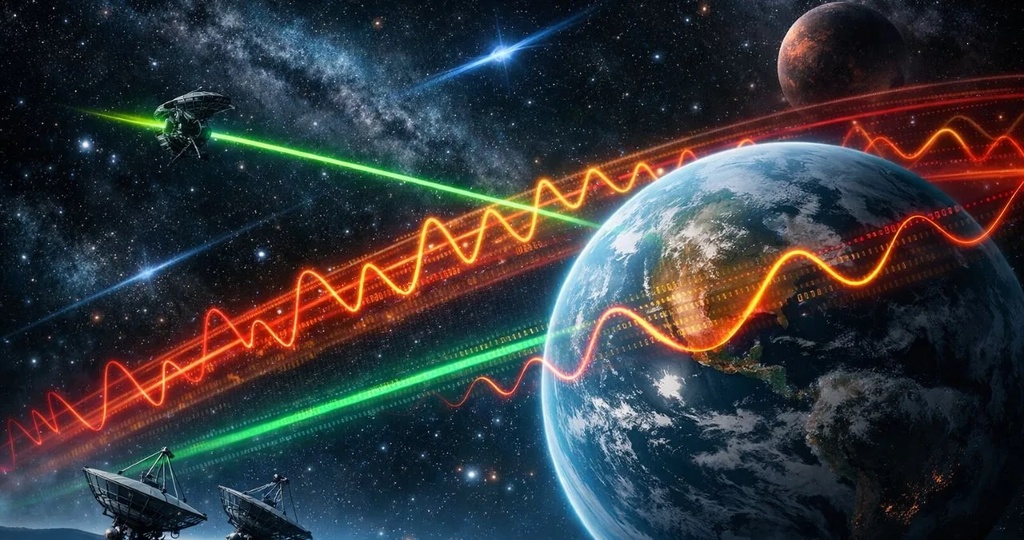
Image credits: Mashable Middle East
Alien Signals May Be Slipping Past Earth, And We’d Never Know
New research suggests that extraterrestrial radio signals may be reaching Earth but remain undetected because they are distorted by the turbulent space weather surrounding their host stars.
SETI Institute scientist Vishal Gajjar led a study showing that charged particles and plasma emitted by stars can broaden narrowband radio signals, reducing their strength and making them difficult for existing technosignature searches to detect. The findings suggest that some extraterrestrial signals could fall below current detection threshold, even if they are present.
The research highlights the need to expand SETI search strategies to account for signal broadening, helping future observations better distinguish potential technosignatures from natural astrophysical effects.
Read the full article by Mashable Middle East: Alien Signals May Be Slipping Past Earth, And We’d Never Know
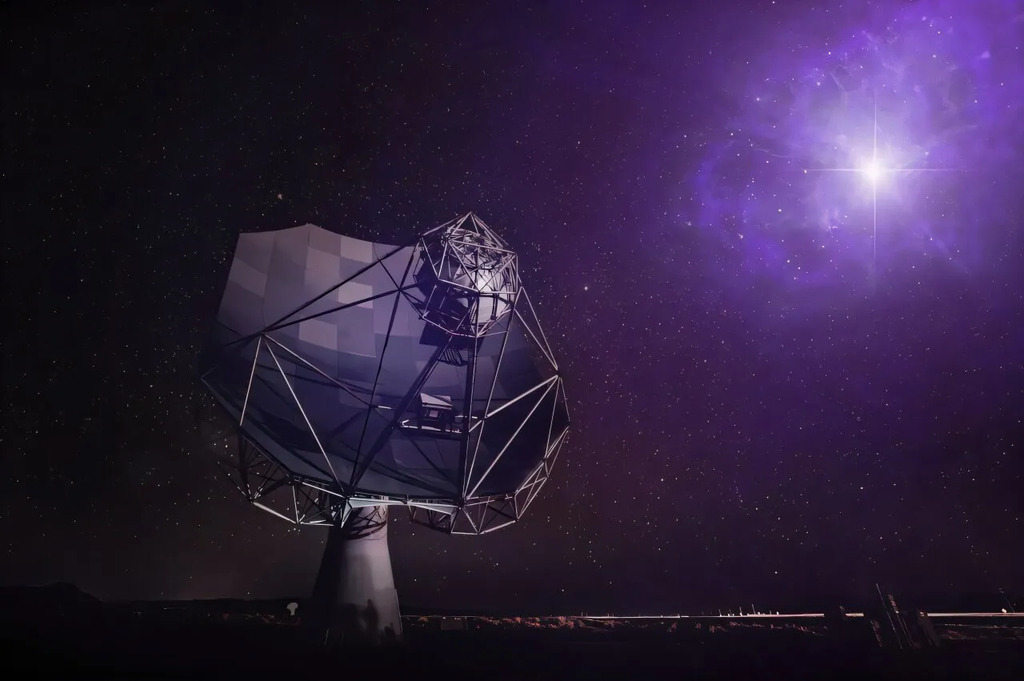
A prototype antenna for the next-generation Very Large Array tracks the Crab Nebula in this composite of astrophotography and radio data. Arrays like the VLA are central to how scientists would verify a potential SETI detection. Credit: NSF/AUI/NSF NRAO/A.Sosnovici/M.Weiss
The Real Disclosure Day: The Protocols For Announcing Extraterrestrial Intelligence
While popular culture often imagines a dramatic "disclosure day," scientists have spent decades developing protocols for responsibly handling a genuine detection of extraterrestrial intelligence.
A newly updated Declaration of Principles from the International Academy of Astronautics outlines how researchers should verify, communicate, and coordinate any credible evidence of extraterrestrial intelligence. The revisions reflect today’s media landscape by addressing issues such as misinformation, data transparency, researcher protection, and the expanding search for technosignatures beyond traditional radio signals.
SETI Institute President and CEO Bill Diamond, a member of the IAA SETI Committee, emphasized that the updated protocols acknowledge both the rapid advances in search technologies and the need for responsible scientific communication as the search for life beyond Earth continues.
For more on the search for intelligent extraterrestrial life, watch Bill Diamond in The Backstage Experience: "Disclosure Day". In the episode, hosts Jon Stenvall and Dave Morales sit down with Steven Spielberg and Emily Blunt to discuss their science fiction thriller Disclosure Day, followed by Bill Diamond's insights into the scientific search for extraterrestrial intelligence and a look at the U.S. government's recent UAP/UFO file releases.
Watch the interview here.
Read the full article by Astronomy: The Real Disclosure Day: The Protocols For Announcing Extraterrestrial Intelligence

Bottlenose Dolphin swimming near Kennedy Space Center. Credits: NASA
Blue Dot: Animal Intelligence with Lori Marino
As the recipient of the 2026 Drake Award, neuroscientist Lori Marino joined Blue Dot to discuss animal intelligence, consciousness, and communication.
Drawing on decades of research involving whales, dolphins, and other highly intelligent species, Marino explored how studying non-human cognition challenges long-held assumptions about intelligence and expands our understanding of complex communication. The communication also examined how research on whale communication is informing SETI studies by providing real-world analogs for detecting and interpreting unfamiliar forms of intelligence.
The discussion highlighted the increasingly interdisciplinary nature of SETI research, bringing together neuroscience, biology, and astrobiology to better understand one of science's most profound questions: what does intelligence truly look like?
Read the full article by NSPR: Blue Dot: Animal Intelligence with Lori Marino







News
Related News
Jul 17, 2026
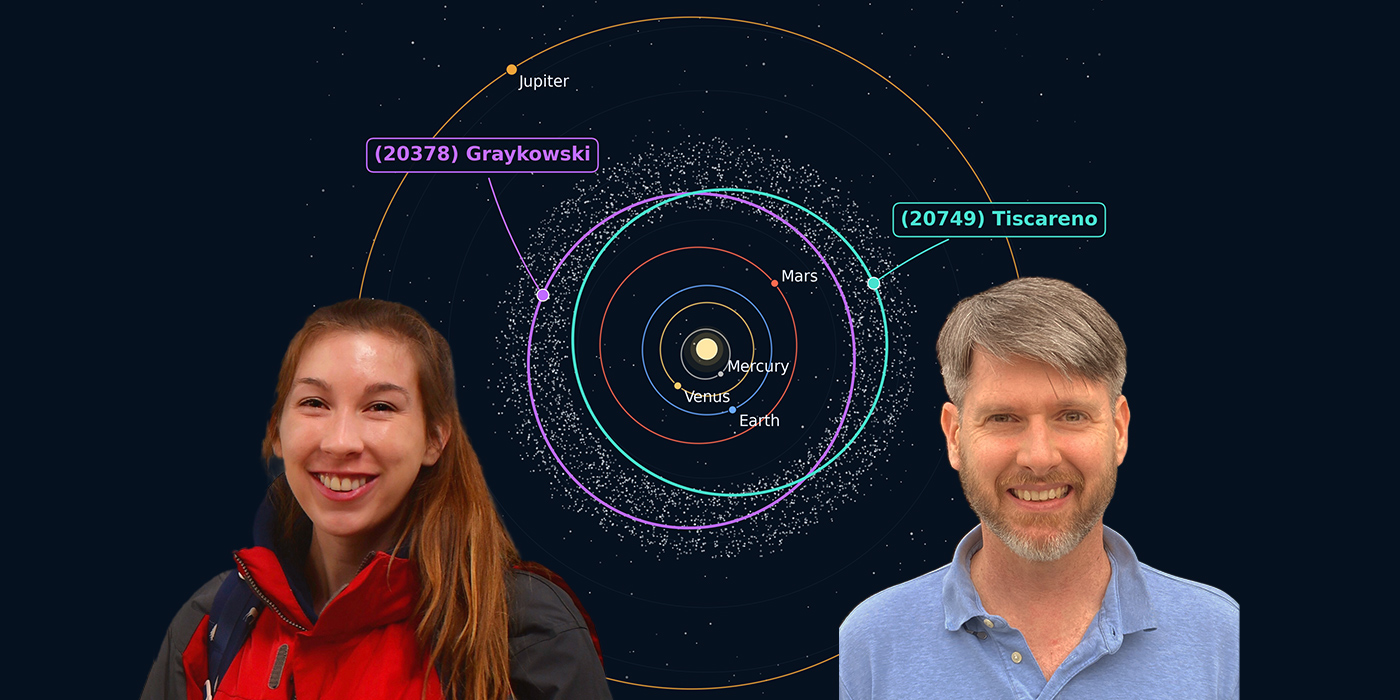
Two SETI Institute Scientists Honored with Asteroids Bearing Their Names
#Comets, Meteors, and Asteroids #Ariel Graykowski #Matthew Tiscareno #Planetary Astronomy #Solar System #Saturn
Jul 10, 2026
A Remarkably Ancient Visitor: 3I/ATLAS
#3I/ATLAS #Comets, Meteors, and Asteroids #JWST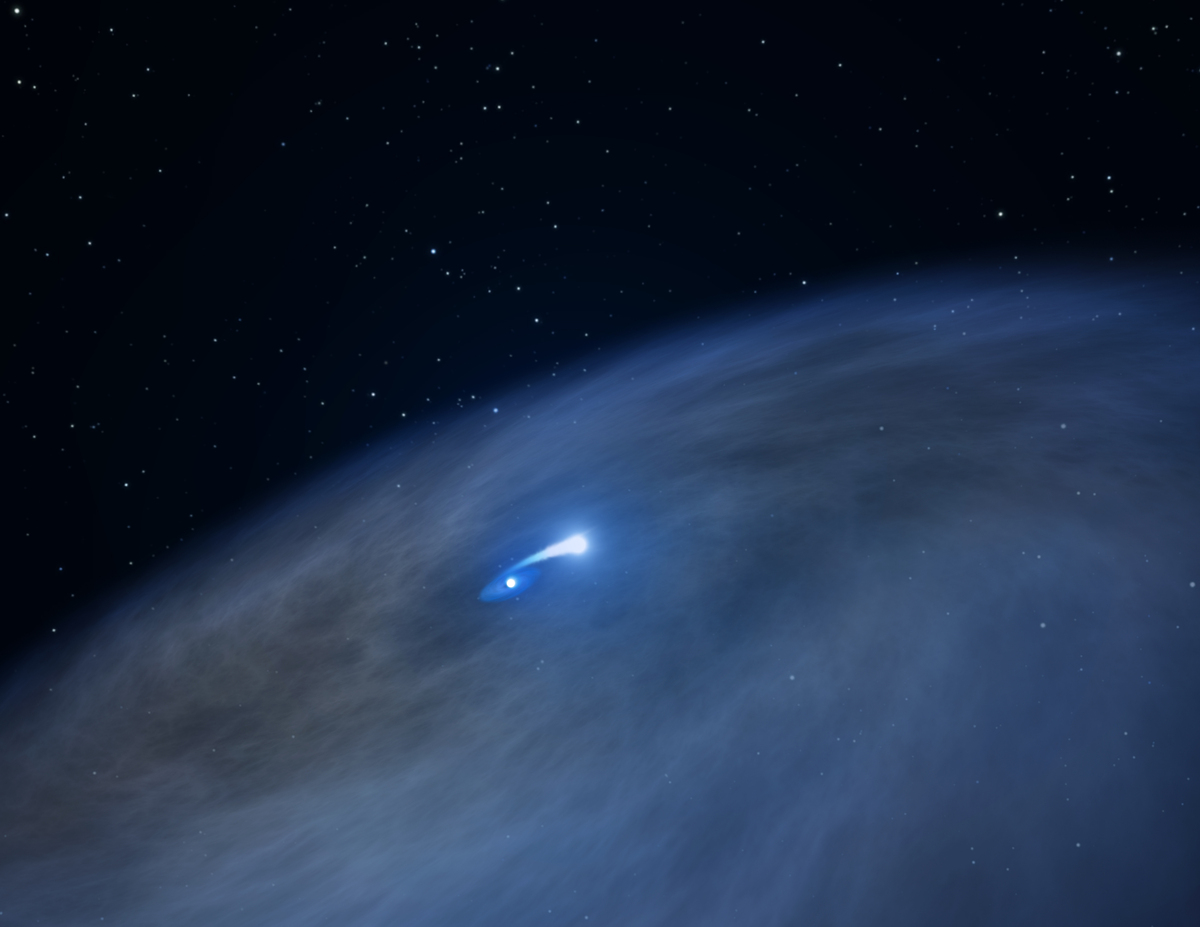
Jul 10, 2026
SETI Institute Achievements: Q1 2026 Activity Report
#Activity Reports #Carl Sagan Center #Outreach #Education #AIR #Community #Research
Jun 29, 2026
Humanity's Plan for First Contact: Who Speaks for Earth?
#Blog #Lauren Sgro #Lucian Walkowicz #Chelsea Haramia #SETI #SETI Institute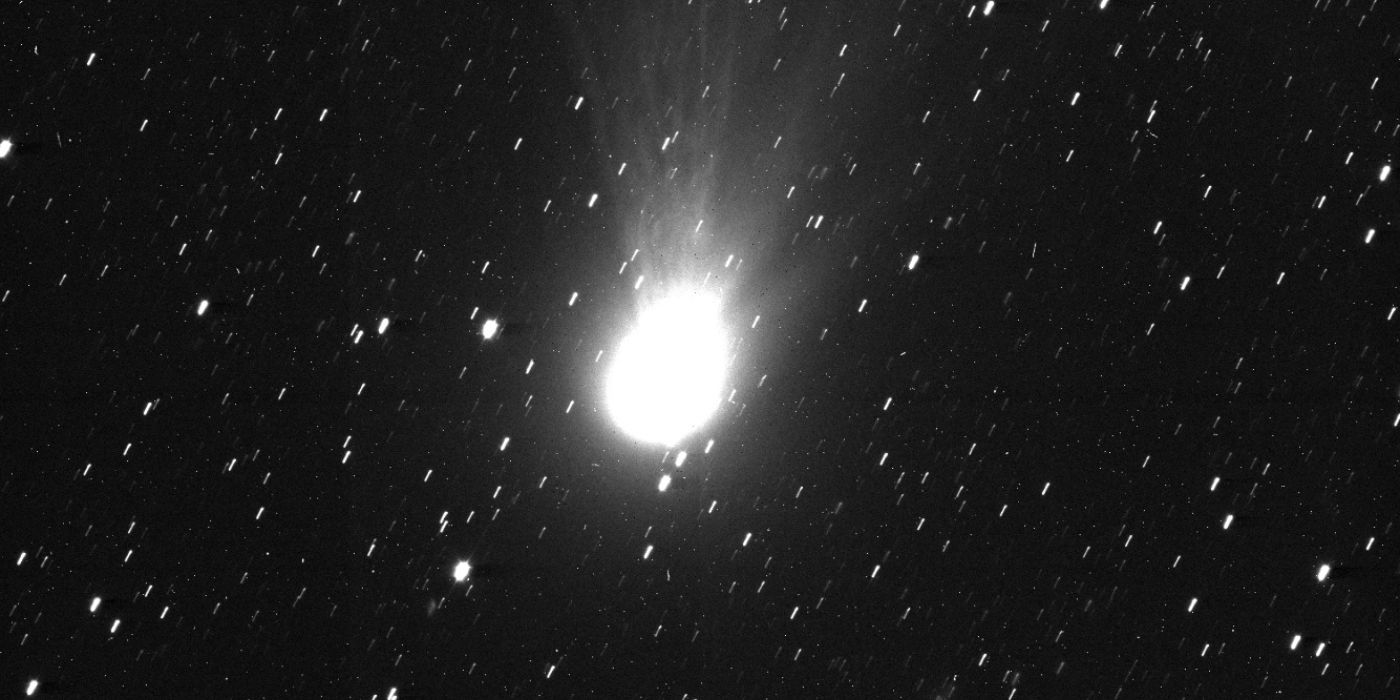
Jun 26, 2026
What Juice Revealed About Interstellar Comet 3I/ATLAS
#Blog #3I/ATLAS #Franck Marchis #Juice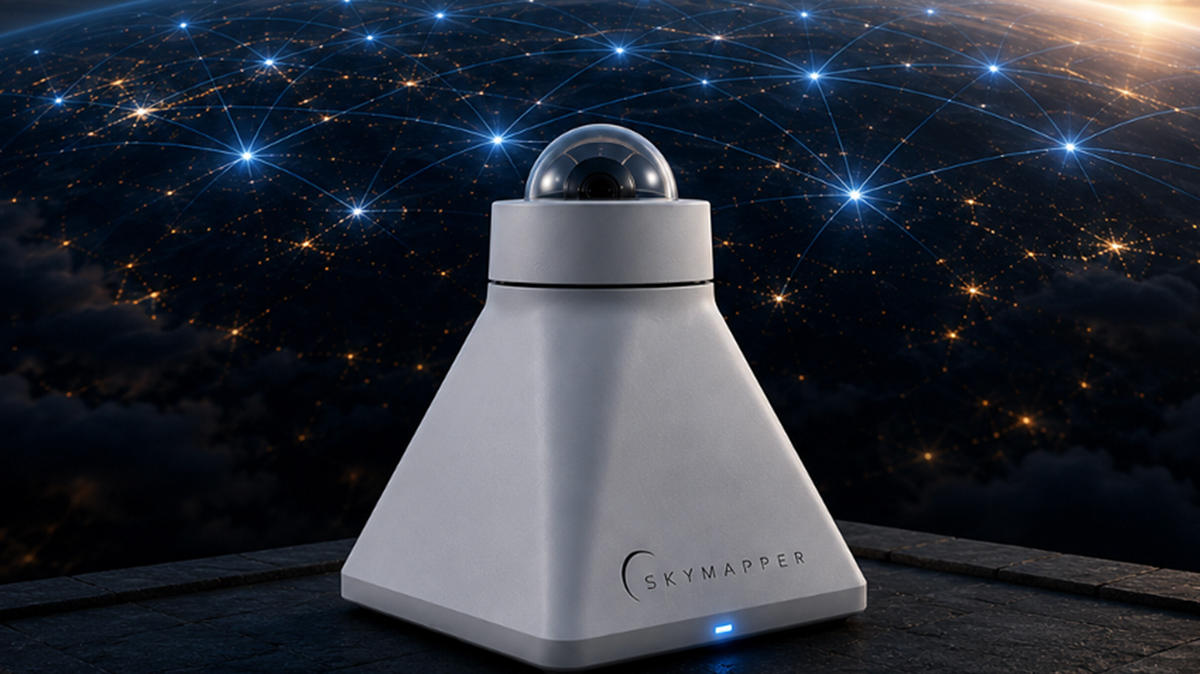
Jun 9, 2026
Disclosure Needs Data
#SkyMapper #Franck Marchis #SETI #citizen science
Jul 17, 2026
#Comets, Meteors, and Asteroids
#Ariel Graykowski
#Matthew Tiscareno
#Planetary Astronomy
#Solar System
#Saturn
Jul 10, 2026
#3I/ATLAS
#Comets, Meteors, and Asteroids
#JWST
A Remarkably Ancient Visitor: 3I/ATLAS
Jul 10, 2026
#Activity Reports
#Carl Sagan Center
#Outreach
#Education
#AIR
#Community
#Research
SETI Institute Achievements: Q1 2026 Activity Report
Jun 29, 2026
#Blog
#Lauren Sgro
#Lucian Walkowicz
#Chelsea Haramia
#SETI
#SETI Institute
Humanity's Plan for First Contact: Who Speaks for Earth?
Jun 26, 2026
#Blog
#3I/ATLAS
#Franck Marchis
#Juice
What Juice Revealed About Interstellar Comet 3I/ATLAS
Jun 9, 2026
#SkyMapper
#Franck Marchis
#SETI
#citizen science
Disclosure Needs Data
Research
Related Projects

SkyMapper • SETI • Citizen Science • Astronomy
SkyMapper: Expanding Access to Real-time Astronomy Through a Global Astronomical Network
SkyMapper and the SETI Institute are connecting educators, students and the public to live astronomical observations through a distributed astronomical network. #SkyMapper #SETI #Citizen Science #Astronomy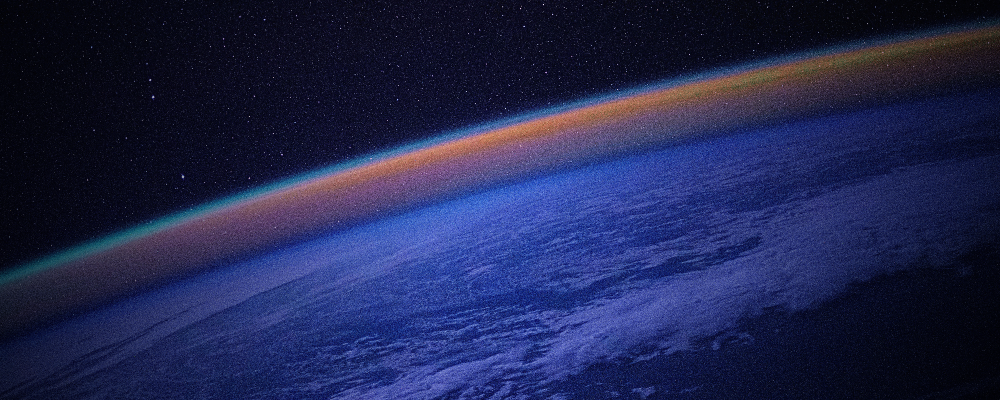
VPL
Virtual Planetary Laboratory
How can we best assess whether an exoplanet supports life? #VPL
Discovery and Futures Lab
Discovery and Futures Lab
What happens if life beyond Earth is discovered? The Discovery and Futures Lab at the SETI Institute fosters novel and anticipatory research at the intersection of science, society, our planet, and the search for life beyond Earth. #Discovery and Futures Lab
May 17, 2026
SkyMapper: Expanding Access to Real-time Astronomy Through a Global Astronomical Network
SkyMapper and the SETI Institute are connecting educators, students and the public to live astronomical observations through a distributed astronomical network.
#SkyMapper
#SETI
#Citizen Science
#Astronomy
May 5, 2026
Virtual Planetary Laboratory
How can we best assess whether an exoplanet supports life?
#VPL
Apr 16, 2026
Discovery and Futures Lab
What happens if life beyond Earth is discovered? The Discovery and Futures Lab at the SETI Institute fosters novel and anticipatory research at the intersection of science, society, our planet, and the search for life beyond Earth.
#Discovery and Futures Lab
Support Us
Support the
SETI Institute
Scientists are getting closer in their search for life beyond earth. But with limited federal funding for the search for extraterrestrial intelligence, supporters are the reason cutting-edge scientists can keep their eyes on the sky.
