)

Friday, Jun 13, 2025

Mars, the enigmatic Red Planet, has long captivated humanity with its stark, seemingly barren landscape. Today, it’s a cold, dry world – a shadow of its once-vibrant past. But what if this desolate expanse once harbored gushing rivers, sprawling lakes, and even precipitation, much like early Earth? A groundbreaking discovery by NASA’s Curiosity Rover, featuring a surprisingly rare mineral called siderite, is not only reshaping our understanding of ancient Mars but also offering profound insights into planetary climate evolution and perhaps even a cautionary tale for our world.
In a recent SETI Live episode hosted by Beth Johnson, Dr. Ben Tutolo, an associate professor at the University of Calgary and a participating scientist on NASA's Curiosity Rover team, unveiled how an unassuming iron carbonate - siderite - is the key to unlocking Mars's atmospheric secrets.
Mars: A Tale of Two Climates
Mars's prevailing image today is a barren, frozen wasteland. Yet, geological evidence has long hinted at a different story — a past where liquid water was abundant. However, for liquid water to exist, Mars needed a significantly warmer climate, sustained by a much thicker atmosphere teeming with carbon dioxide. Current estimates suggest that CO2 levels needed to be a thousand times greater than what is observed on Mars today.
The puzzle then became: what happened to all that CO2? Scientists knew some certainly escaped into space. But a significant piece of the atmospheric puzzle, a mechanism for sequestering vast amounts of atmospheric carbon into the planet's crust, remained largely unproven on Mars. This is where the story of siderite begins.
Curiosity's Unexpected Find in Gale Crater
Curiosity’s mission on Mars has been one of consistent revelation. As it drilled into familiar strata in Mount Sharp within Gale Crater, it unearthed a surprising companion: siderite, an iron carbonate.
The sheer abundance of siderite was astounding, reaching up to 10.5% in some samples. This was a significant mineralogical component, detected across 90 meters of rock layers. What made this even more remarkable was that orbital mapping, which uses spectroscopic instruments (tools that analyze light to determine material composition) to survey the Martian surface from afar, had completely missed it. This highlights the indispensable role of on-the-ground exploration and in-situ (on-site) analysis that only a rover like Curiosity can provide.
Siderite: The Carbon Sink of Ancient Mars
Why is siderite such a significant discovery? On Earth, our familiar carbonate is calcite (calcium carbonate), forming vast limestone deposits. This is a cornerstone of Earth's long-term carbon cycle: volcanic CO2 enters the atmosphere, dissolves in water, and eventually precipitates as limestone, locking away carbon. On iron-rich Mars, siderite is the expected equivalent.
The discovery of siderite alongside highly soluble magnesium sulfate salts strongly suggests their formation through evaporation. This provides critical evidence for a similar carbon sequestration (the process of capturing and storing atmospheric carbon) process on Mars. It confirms that volcanic CO2 on early Mars did not just escape into space; a significant portion dissolved in water and was then locked away in rocks as siderite. This mechanism provides a tangible explanation for how Mars could have lost its dense, CO2-rich atmosphere and transitioned to its current arid state.
Lessons from Mars: A Planetary Climate Warning
The Martian siderite discovery offers a unique planetary-scale experiment, holding profound lessons for Earth, particularly in the context of our current climate crisis. Dr. Tutolo, with his background in terrestrial carbon capture solutions, drew striking parallels. On Earth, scientists are actively exploring methods to sequester CO2 in rocks to mitigate climate change. The Martian example, preserved over billions of years, demonstrates the long-term stability of captured carbonates.
However, the Martian story also serves as a stark warning. Earth’s long-term carbon cycle has maintained habitable temperatures for billions of years. Yet, Mars’s fate demonstrates the extreme fragility of planetary habitability. The delicate balance between CO2 input and CO2 output is easily disrupted. A slight imbalance, over geological timescales, can lead to catastrophic climate shifts, as Mars experienced.
Today, human technology injects CO2 into the atmosphere at an unprecedented rate, far exceeding the planet's natural capacity to balance it. The Martian lesson is clear: even seemingly small perturbations to the carbon cycle, when sustained, can lead to dramatic and irreversible changes in a planet's climate.
Searching for Life and Beyond
The siderite discovery also has significant implications for the search for life. If Mars had warm, wet conditions for a billion years after its formation, this period represents a prime window of habitability for the emergence and evolution of life. Future missions to collect samples for return to Earth should prioritize rocks from this interval.
Furthermore, this discovery broadens our perspective on exoplanet habitability. Mars, seemingly "too far" from the sun to be habitable, clearly had periods where it supported liquid water. This suggests that the traditional "Goldilocks Zone" for habitability might be more flexible than previously thought.
The success of this discovery owes much to Curiosity's incredible suite of instruments, particularly the ChemMin X-ray diffraction instrument, the only one of its kind ever operated on another planet. Its ability to not only identify minerals but also precisely quantify their composition was vital in confirming the purity and abundance of the siderite.
The story of Mars is not just about a distant, dead world; it's a profound narrative about planetary habitability that resonates deeply with our own existence.
To learn more, check out the research paper, watch the video below, or find Mars’ Ancient Carbon Cycle: How Rocks on Mars Tell the Story of a Vanishing Climate on our YouTube channel.







News
Related News

Jul 24, 2026
A New Way to Search for Alien Civilizations
#Blog #Lauren Sgro
Jul 21, 2026
Celebrating 25 Years of Exoplanet Astrobiology: Welcoming the Virtual Planetary Laboratory to its New Home at the SETI Institute
#VPL #Astrobiology #SETI Institute #Victoria Meadows #Andrew Lincowski #Eric Wolf #Nicholas Wogan #Kimberly Bott #Hannah Dawson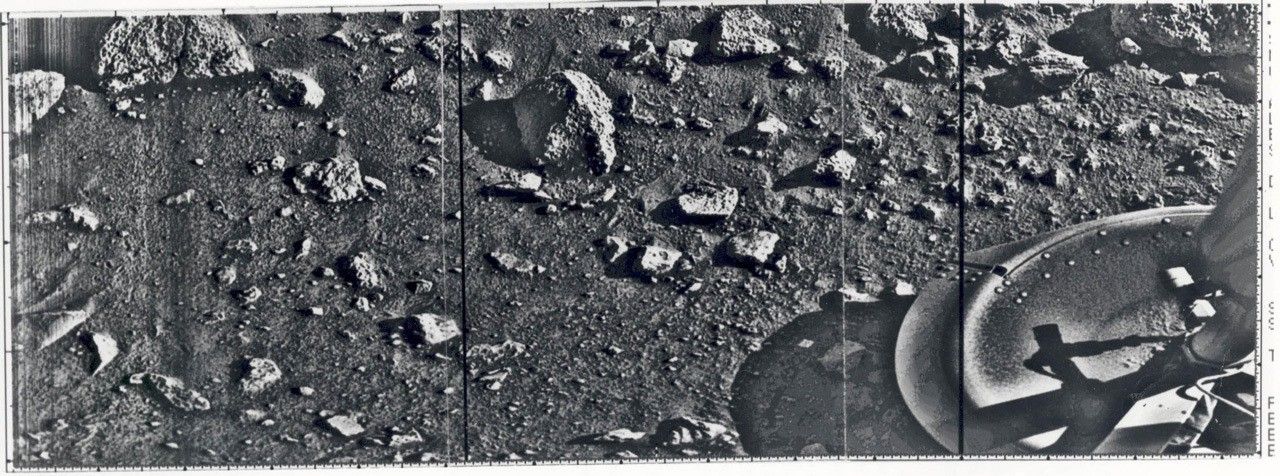
Jul 20, 2026
50 Years After Viking 1: The Mission That Changed the Search for Life on Mars
Half a century after the first successful Mars landing, Viking's greatest legacy may be the questions it taught us to ask. #Mars #NASA Missions and Observatories #Anniversary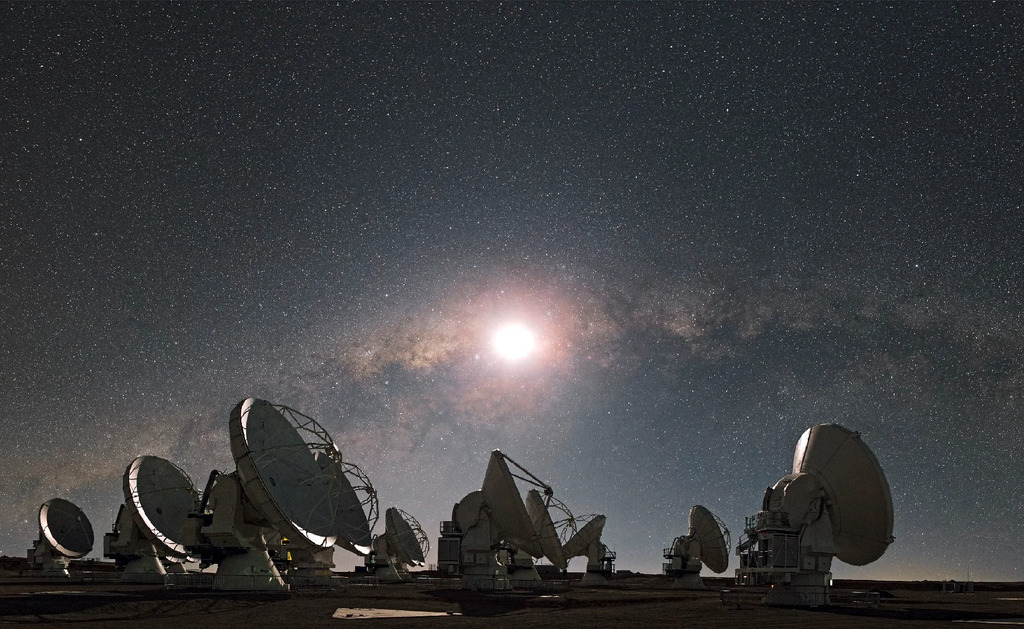
Jul 20, 2026
SETI Institute In the News: June Roundup 2026
Throughout June 2026, SETI Institute scientists, affiliates, and collaborators contributed to discussions spanning interstellar visitors, planetary science, technosignature searches, animal cognition, and the scientific process guiding the search for life beyond Earth. #SETI Institute in the News #SETI Institute #Community #Eduardo Bendek #Optical SETI #SETI #3I/ATLAS #ATA #Comets, Meteors, and Asteroids #Solar System #Franck Marchis #Ariel Graykowski #Jill Tarter #Vishal Gajjar #Radio Astronomy #Bill Diamond #Lori Marino
Jul 17, 2026
Two SETI Institute Scientists Honored with Asteroids Bearing Their Names
#Comets, Meteors, and Asteroids #Ariel Graykowski #Matthew Tiscareno #Planetary Astronomy #Solar System #Saturn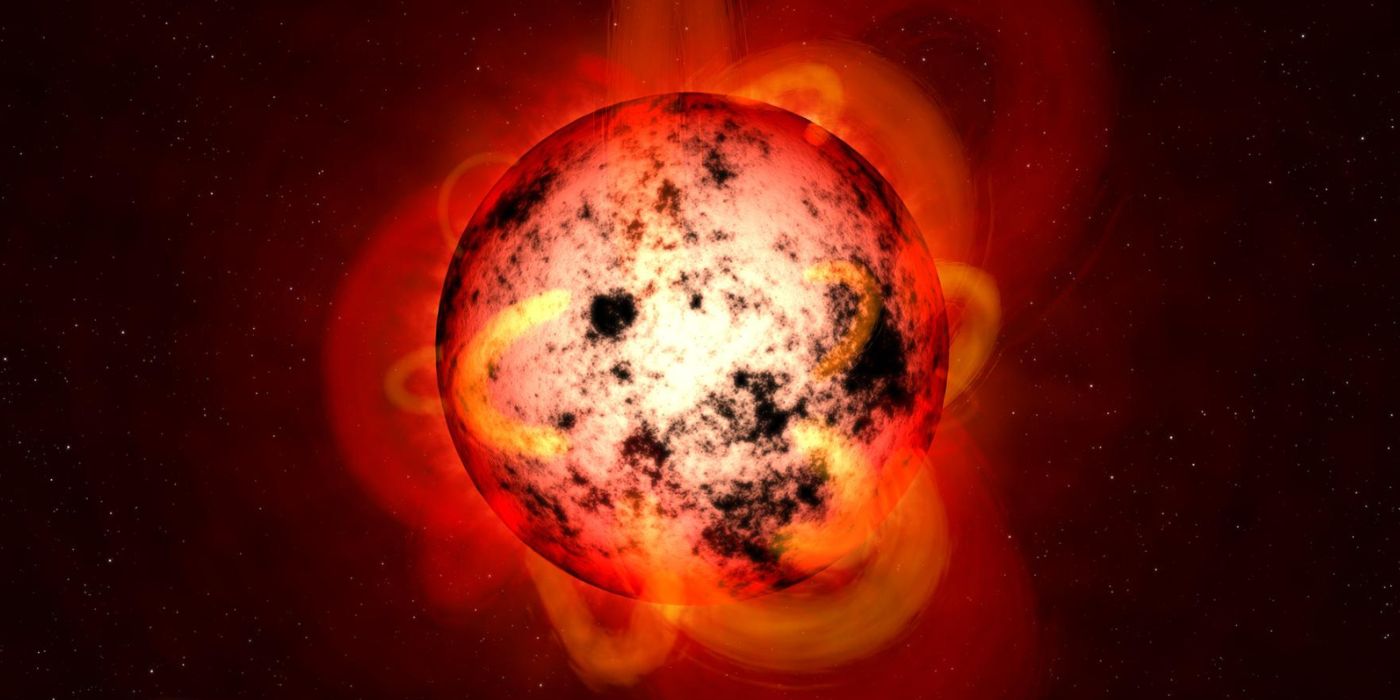
Jul 17, 2026
How Clouds Hide Alien Worlds—and How Astronomers See Through Them
#Blog #Moiya McTier
Jul 24, 2026
#Blog
#Lauren Sgro
Jul 21, 2026
#VPL
#Astrobiology
#SETI Institute
#Victoria Meadows
#Andrew Lincowski
#Eric Wolf
#Nicholas Wogan
#Kimberly Bott
#Hannah Dawson
Celebrating 25 Years of Exoplanet Astrobiology: Welcoming the Virtual Planetary Laboratory to its New Home at the SETI Institute
Jul 20, 2026
50 Years After Viking 1: The Mission That Changed the Search for Life on Mars
Half a century after the first successful Mars landing, Viking's greatest legacy may be the questions it taught us to ask.
#Mars
#NASA Missions and Observatories
#Anniversary
Jul 20, 2026
SETI Institute In the News: June Roundup 2026
Throughout June 2026, SETI Institute scientists, affiliates, and collaborators contributed to discussions spanning interstellar visitors, planetary science, technosignature searches, animal cognition, and the scientific process guiding the search for life beyond Earth.
#SETI Institute in the News
#SETI Institute
#Community
#Eduardo Bendek
#Optical SETI
#SETI
#3I/ATLAS
#ATA
#Comets, Meteors, and Asteroids
#Solar System
#Franck Marchis
#Ariel Graykowski
#Jill Tarter
#Vishal Gajjar
#Radio Astronomy
#Bill Diamond
#Lori Marino
Jul 17, 2026
#Comets, Meteors, and Asteroids
#Ariel Graykowski
#Matthew Tiscareno
#Planetary Astronomy
#Solar System
#Saturn
Two SETI Institute Scientists Honored with Asteroids Bearing Their Names
Jul 17, 2026
#Blog
#Moiya McTier
How Clouds Hide Alien Worlds—and How Astronomers See Through Them
Research
Related Projects

SkyMapper • SETI • Citizen Science • Astronomy
SkyMapper: Expanding Access to Real-time Astronomy Through a Global Astronomical Network
SkyMapper and the SETI Institute are connecting educators, students and the public to live astronomical observations through a distributed astronomical network. #SkyMapper #SETI #Citizen Science #Astronomy
VPL
Virtual Planetary Laboratory
How can we best assess whether an exoplanet supports life? #VPL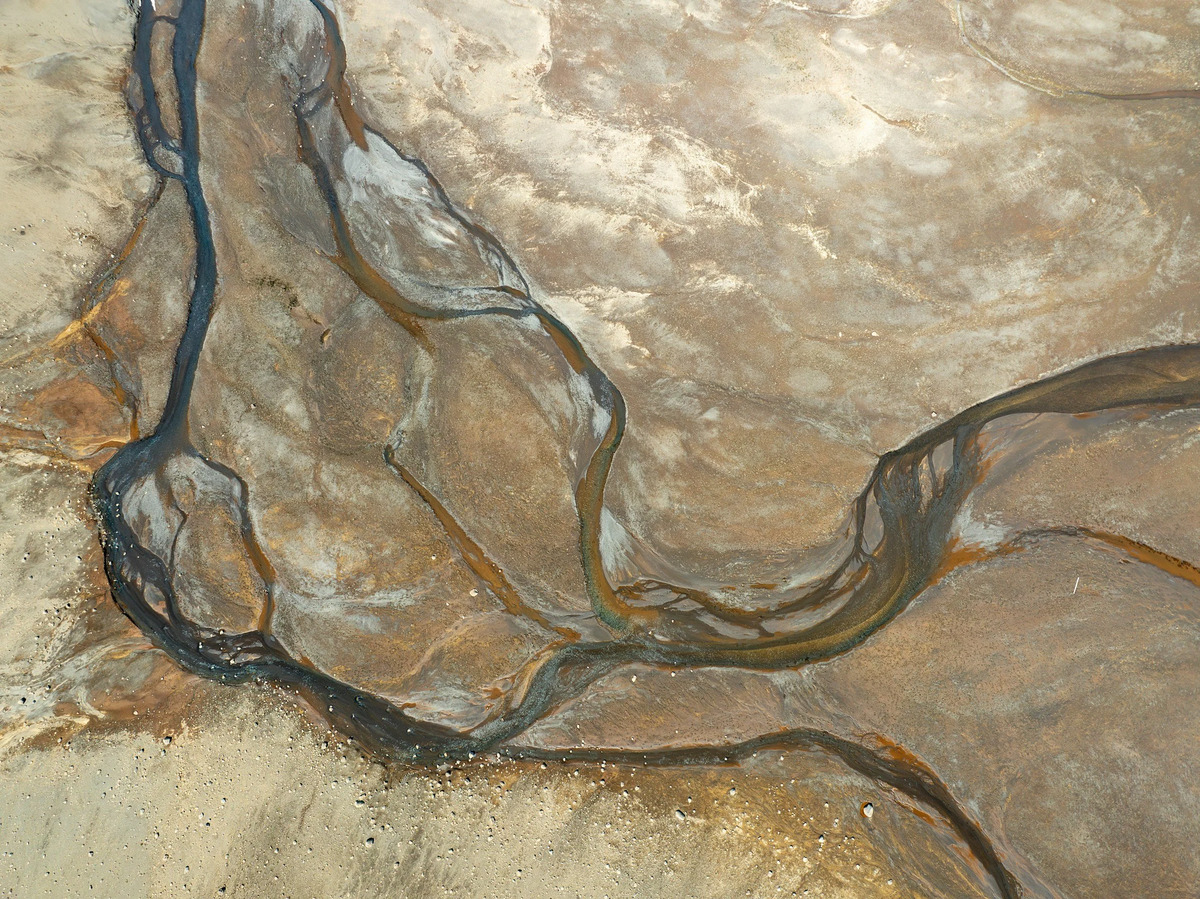
Discovery and Futures Lab
Discovery and Futures Lab
What happens if life beyond Earth is discovered? The Discovery and Futures Lab at the SETI Institute fosters novel and anticipatory research at the intersection of science, society, our planet, and the search for life beyond Earth. #Discovery and Futures Lab
May 17, 2026
SkyMapper: Expanding Access to Real-time Astronomy Through a Global Astronomical Network
SkyMapper and the SETI Institute are connecting educators, students and the public to live astronomical observations through a distributed astronomical network.
#SkyMapper
#SETI
#Citizen Science
#Astronomy
May 5, 2026
Virtual Planetary Laboratory
How can we best assess whether an exoplanet supports life?
#VPL
Apr 16, 2026
Discovery and Futures Lab
What happens if life beyond Earth is discovered? The Discovery and Futures Lab at the SETI Institute fosters novel and anticipatory research at the intersection of science, society, our planet, and the search for life beyond Earth.
#Discovery and Futures Lab
Support Us
Support the
SETI Institute
Scientists are getting closer in their search for life beyond earth. But with limited federal funding for the search for extraterrestrial intelligence, supporters are the reason cutting-edge scientists can keep their eyes on the sky.
