








At a Glance
|
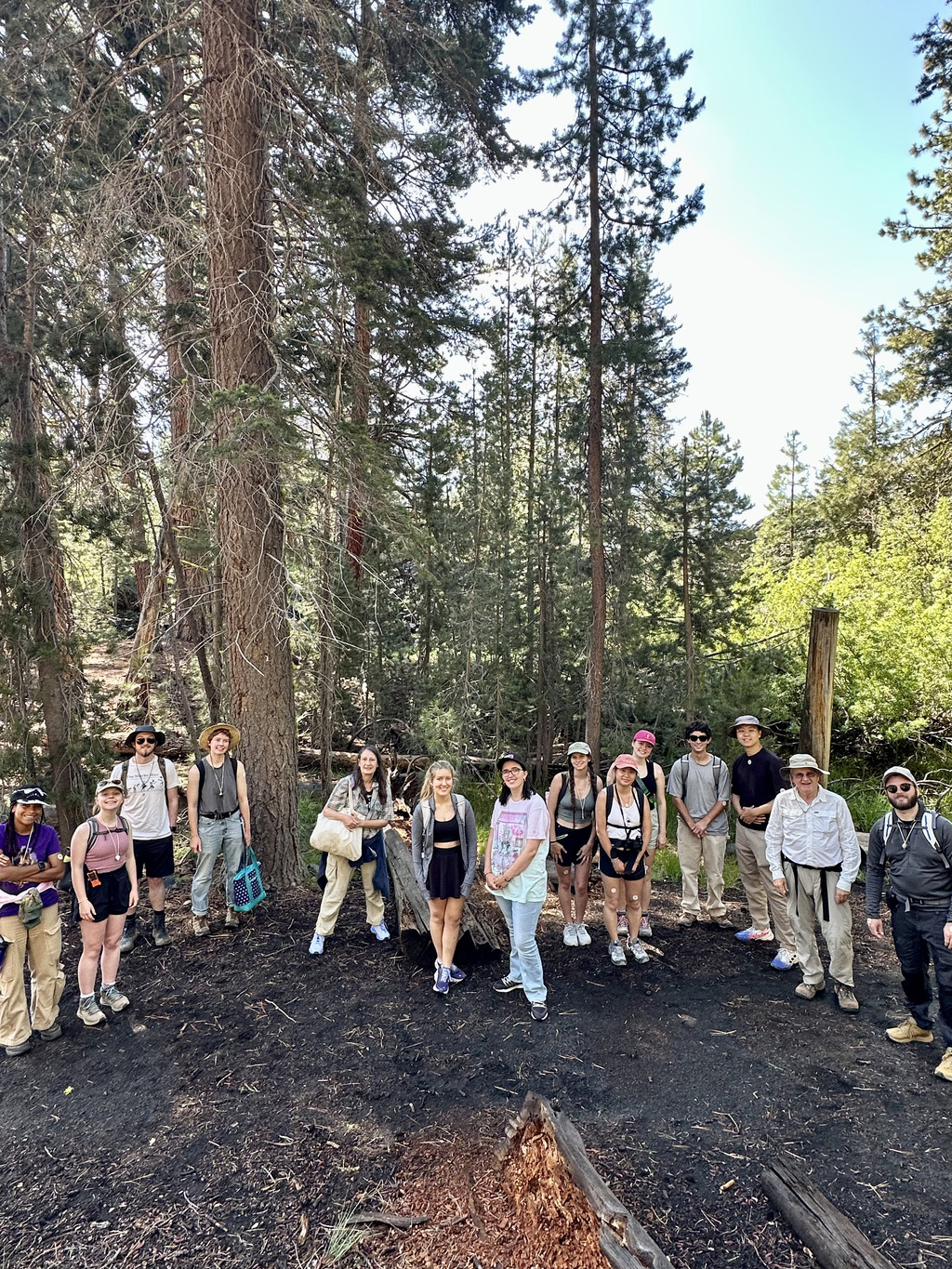
Each summer, the SETI Institute invites a select group of undergraduate students to participate in its Research Experience for Undergraduates (REU) program. Each student assists their scientist mentor on a research project, learning how to conduct, write about and present scientific findings. For the summer of 2025, the 19th year of the program at the SETI Institute, 12 students joined the program to work on projects that included exploring caves and pits on Mars, using the SETI Institute’s Allen Telescope Array (ATA) to search for signs of extraterrestrial technology, vetting exoplanet candidates, hunting for bolide clusters and more.
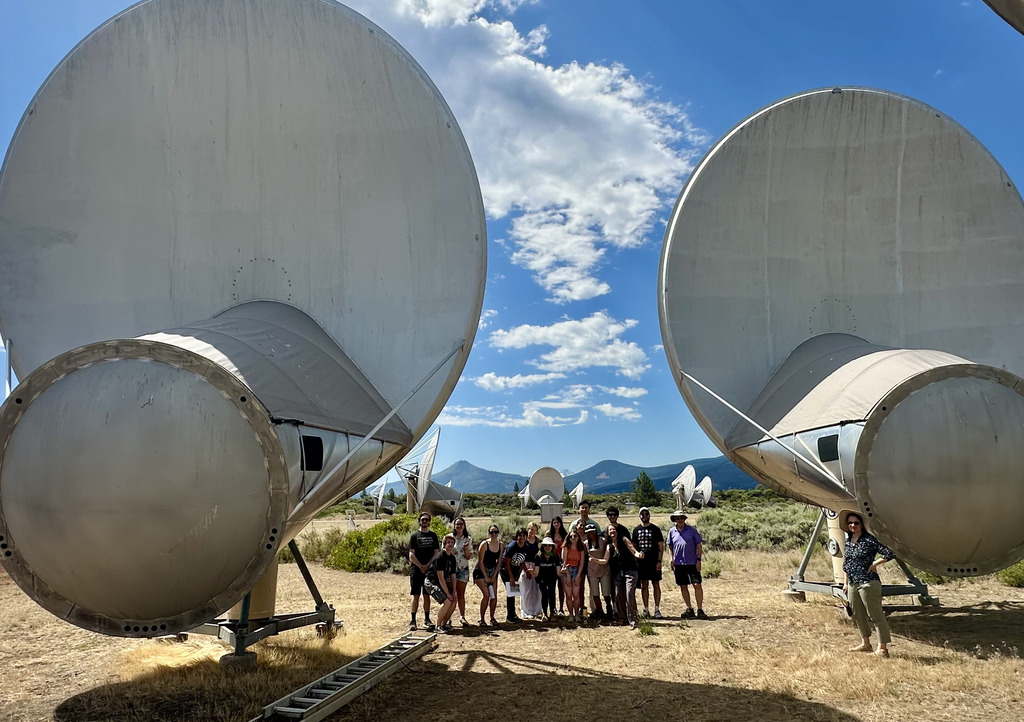
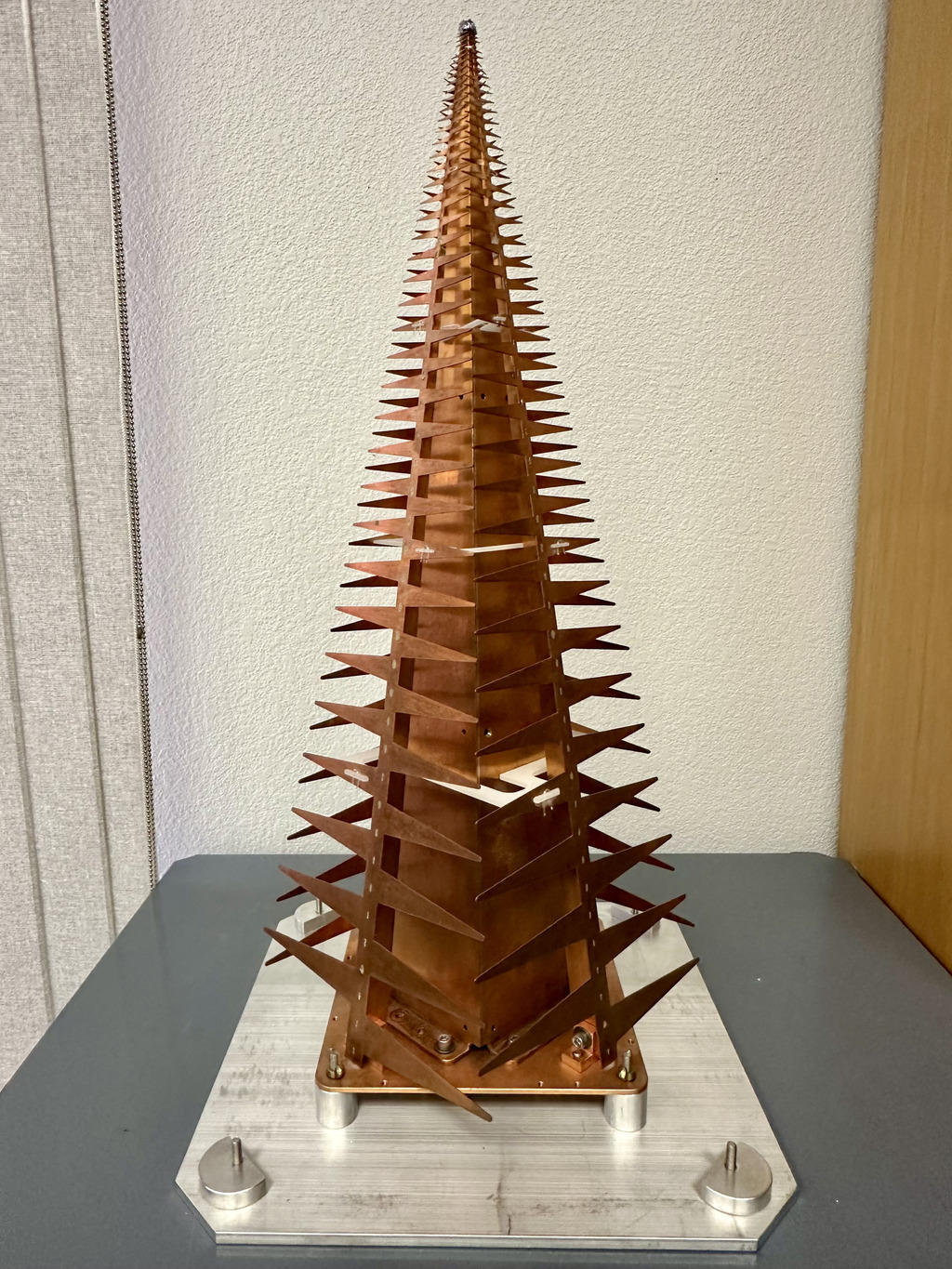
As part of the program, students participate in several off-site field trips. In July, the students spent a week at the Hat Creek Radio Observatory (HCRO), home to the ATA and Lassen Volcanic National Park, bridging deep-space research and hands-on terrestrial analog research.
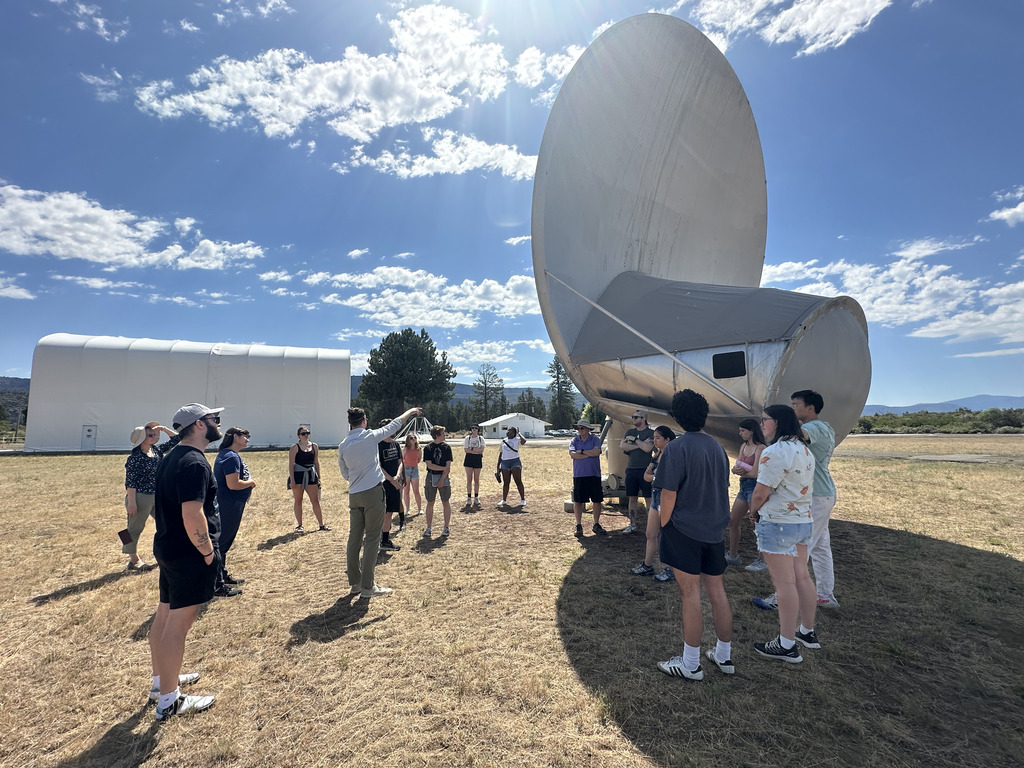
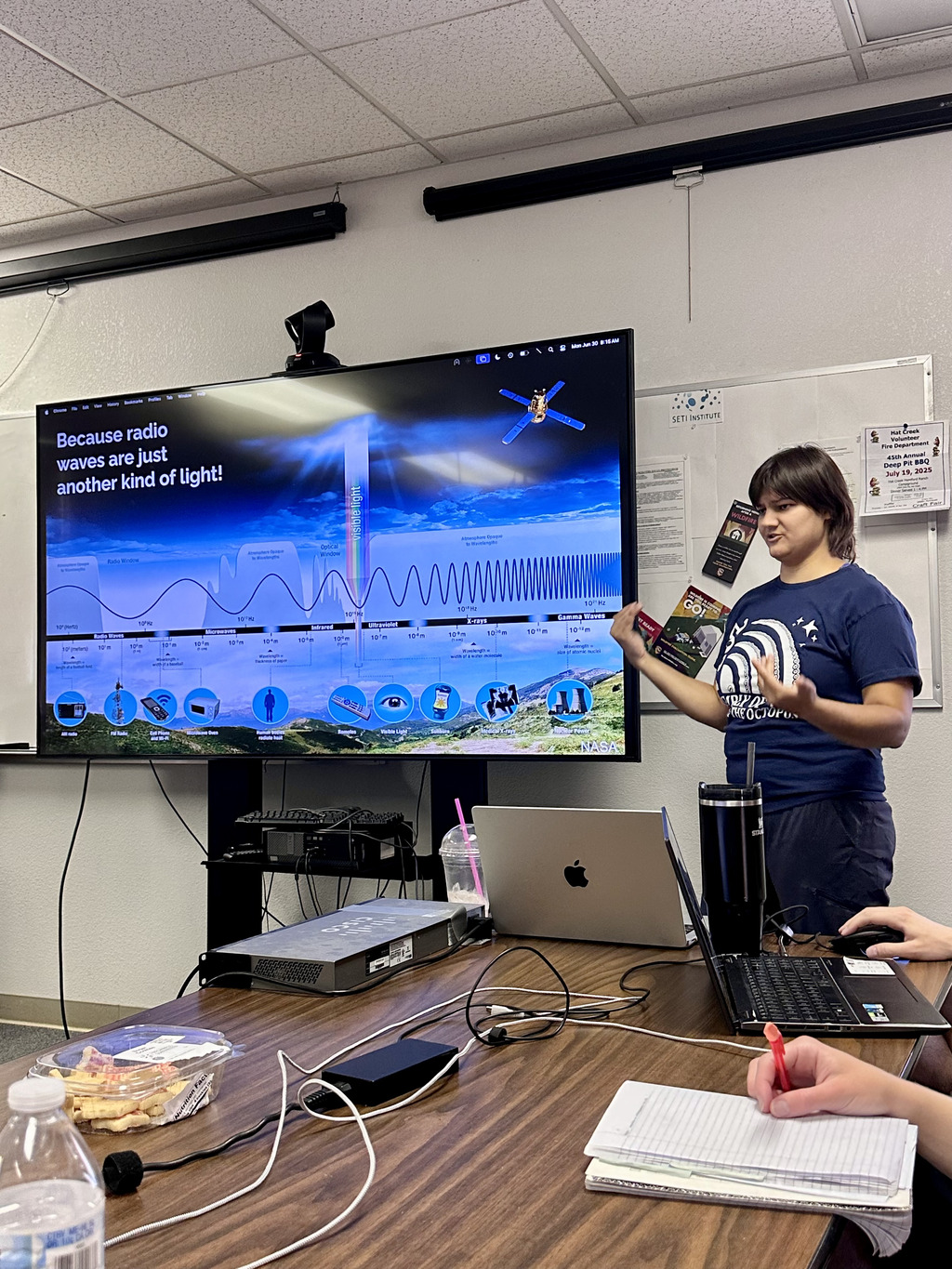
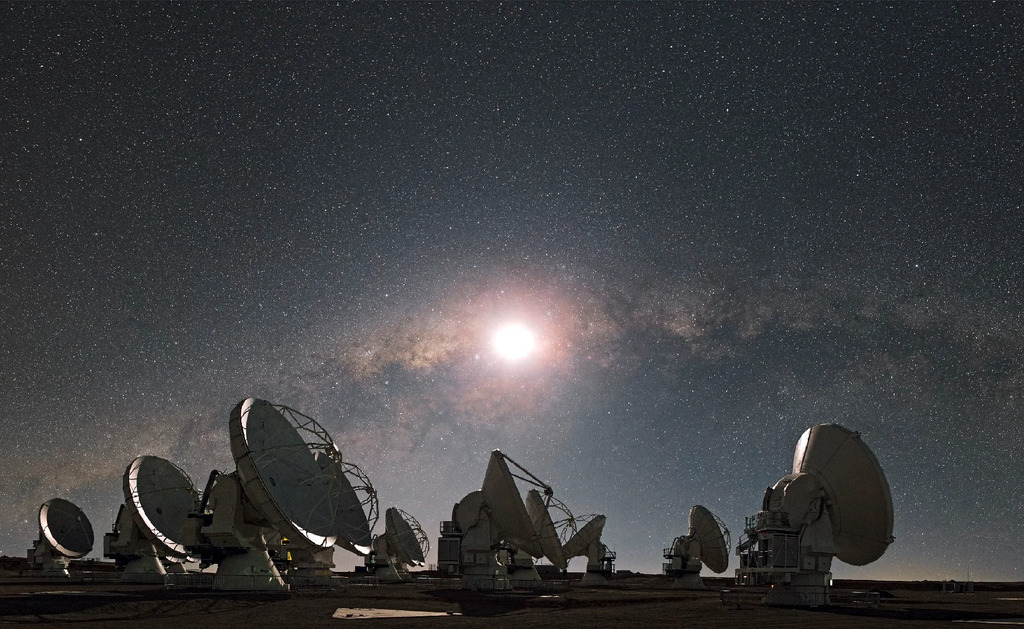
At the ATA, Dr. Sofia Sheikh and research assistant Joel Earwicker delivered a mini bootcamp to familiarize the students with ATA operations and conduct observations. Some of the highlights included using Doppler shifts to calculate the orbital motion of Mars-based spacecraft, tracing neutral hydrogen to map the spiral arms of the Milky Way and trying to observe the interstellar comet 3I/ATLAS.
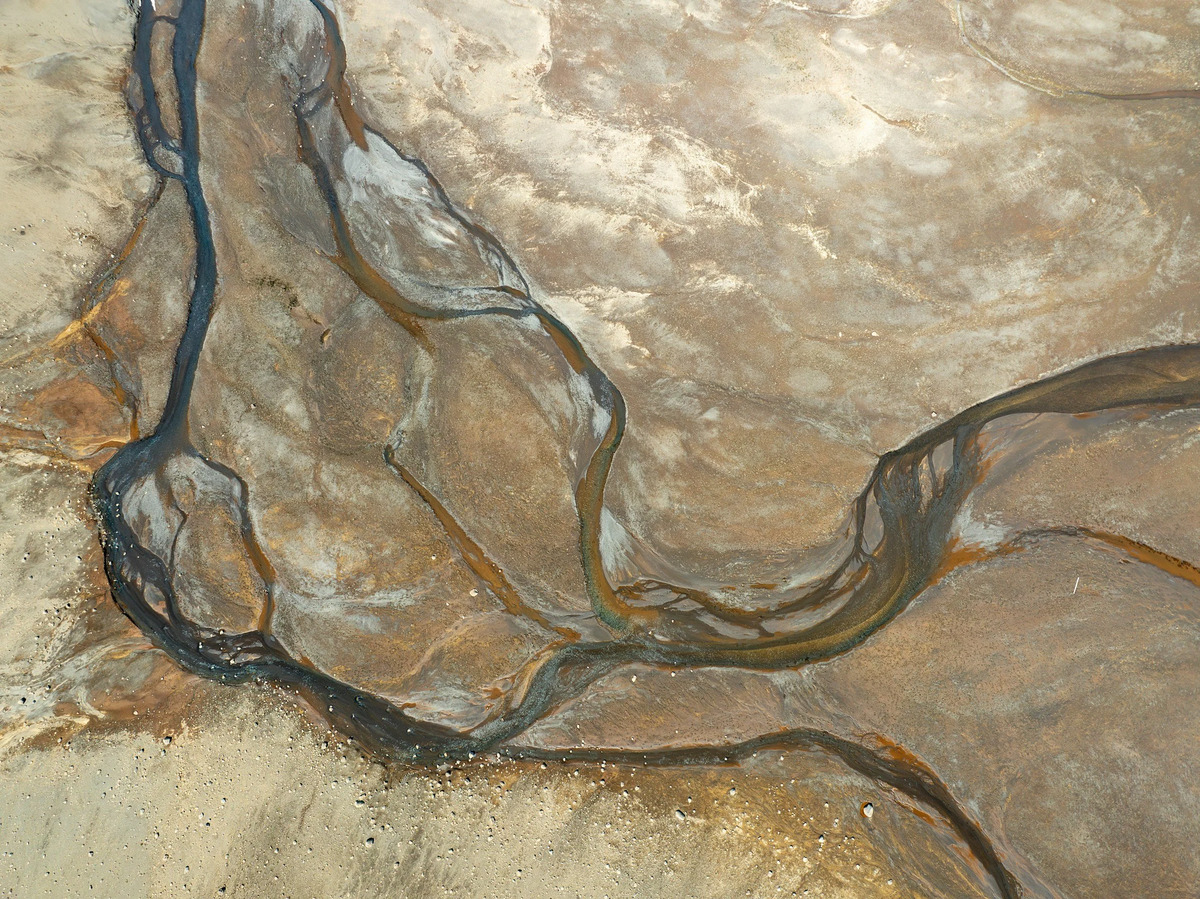
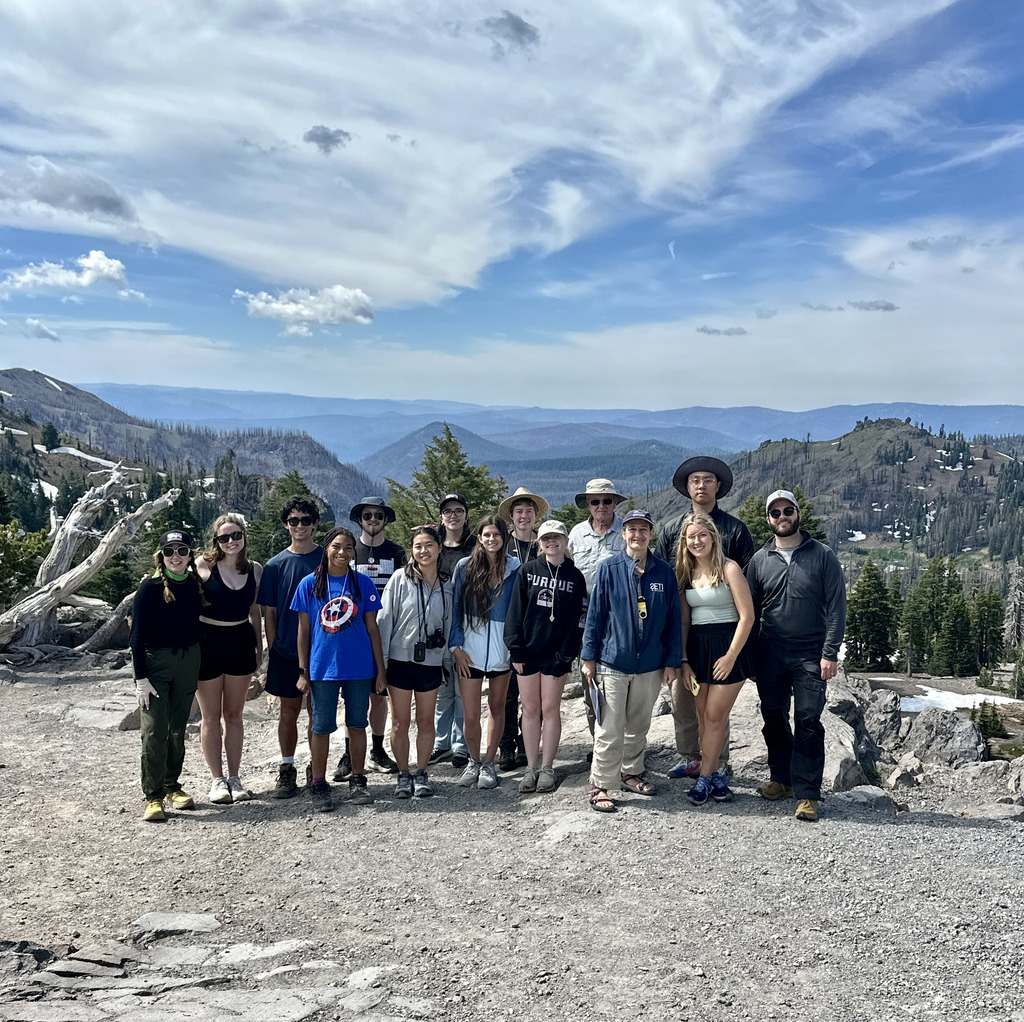
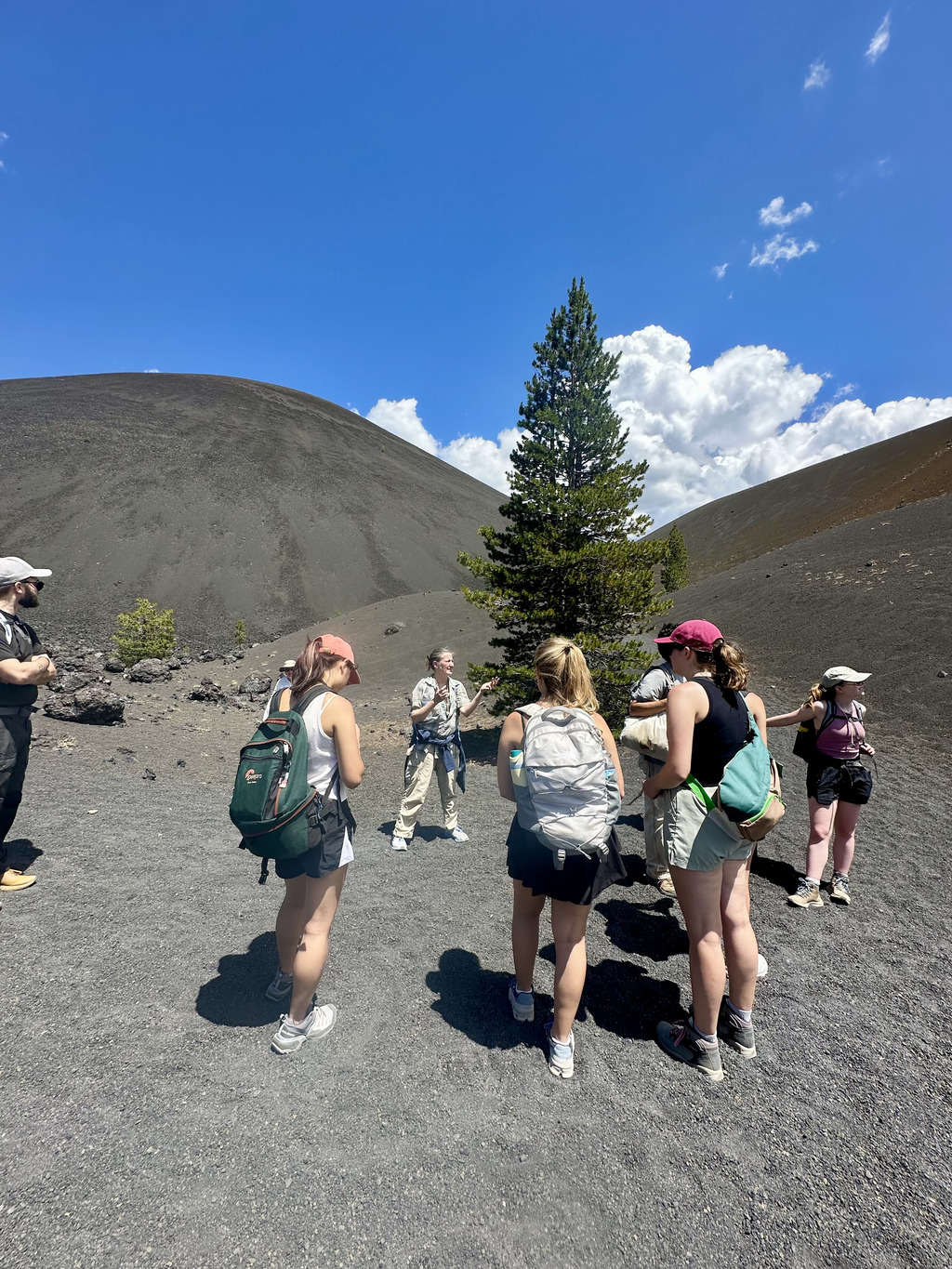
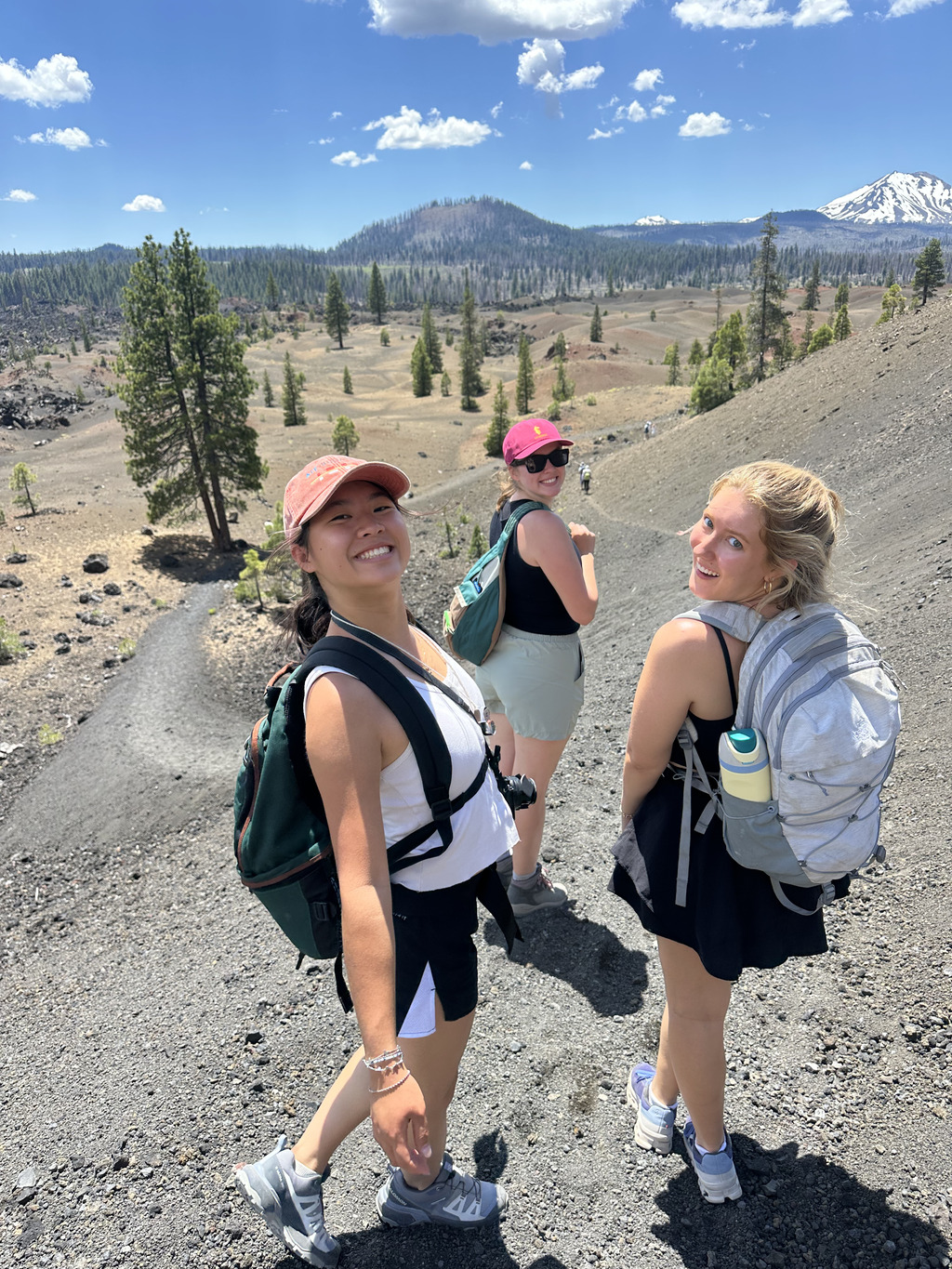
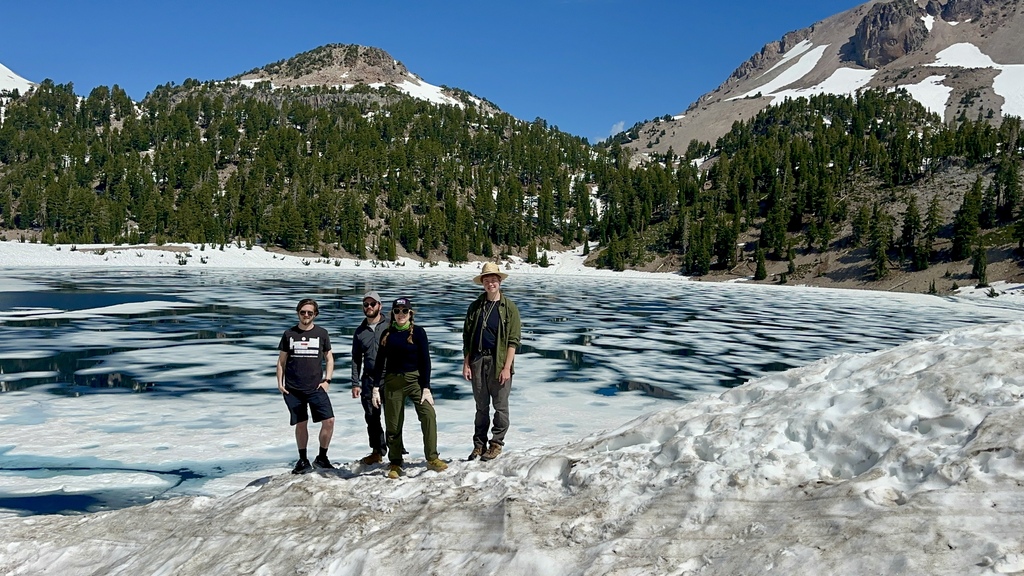
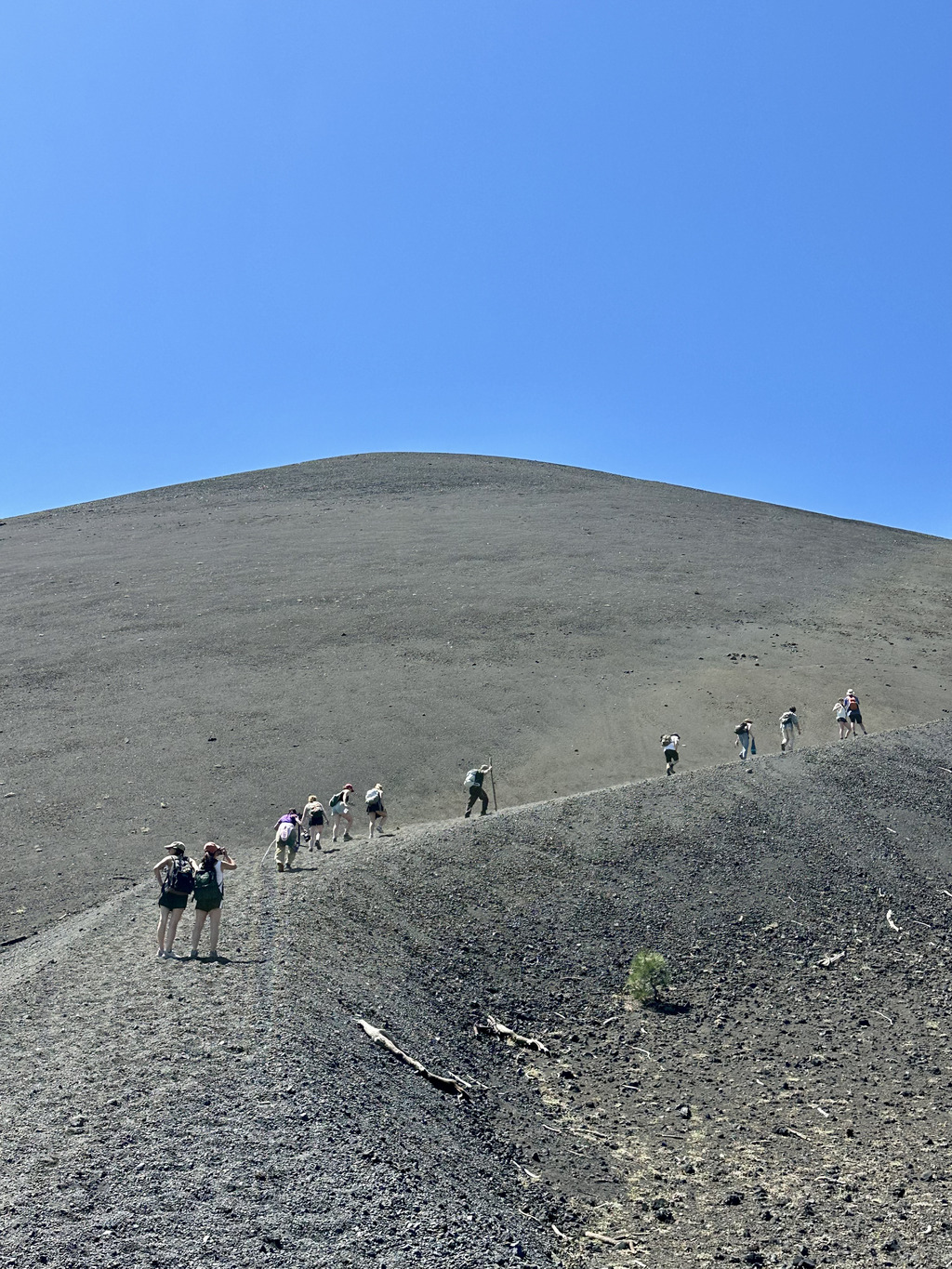
At Lassen, Dr. Rosalba Bonaccorsi led the students as they hiked up a cinder cone, explored ancient lava tubes, and traversed hydrothermal areas, drawing connections between Earth's extreme environments and the potential habitability of other planets.
Whether they were standing in the shadow of the ATA's radio telescope dishes or trekking across hardened lava, the students asked with the same questions SETI Institute researchers think about every day: What could life look like across the universe? How will we know where to look for it? How will we recognize it if we find it?
After their time at the ATA and in the field, the students gained new skills and insights, as well as a renewed curiosity about their home planet and worlds beyond Earth.
News
Related News
Disclosure Needs Data
#SkyMapper #Franck Marchis #SETI #citizen science
The Sounds of Intelligence: A Conversation with 2026 Drake Award Recipient Lori Marino
#Blog #Drake Awards #Lori Marino #SETI
Beyond Disclosure Day: The Real-World Protocols
#Press Releases #SETI #Astronomy #Bill Diamond #SETI Institute
SETI Institute In the News: May Roundup 2026
#SETI Institute in the News #SETI Institute #Community #Solar System #Matija Ćuk #Neptune #SETI #Bill Diamond #UAPs #Drake Awards #Lori Marino #Matthew Tiscareno #Outreach #Exoplanets #Carl Sagan Center
SETI Institute Looks for Signs of Technology in Interstellar Visitor 3I/ATLAS
Observations with the Allen Telescope Array set new limits on possible signals from extraterrestrial transmitters. #Press Releases #ATA #3I/ATLAS #Hat Creek Radio Observatory #Radio Astronomy #SETI
SETI Institute Awards $1 Million in STRIDE Grants to Advance Astrobiology, Exoplanet Science, and Public Engagement
#Press Releases #STRIDE #Research #Carl Sagan Center #Spectroscopy #Solar System #SETI #Climate and Bioscience #Astronomy #Astrobiology #Exoplanets #Data Science #Education #Outreach #Hat Creek Radio Observatory #Unistellar #SkyMapperResearch
Related Projects
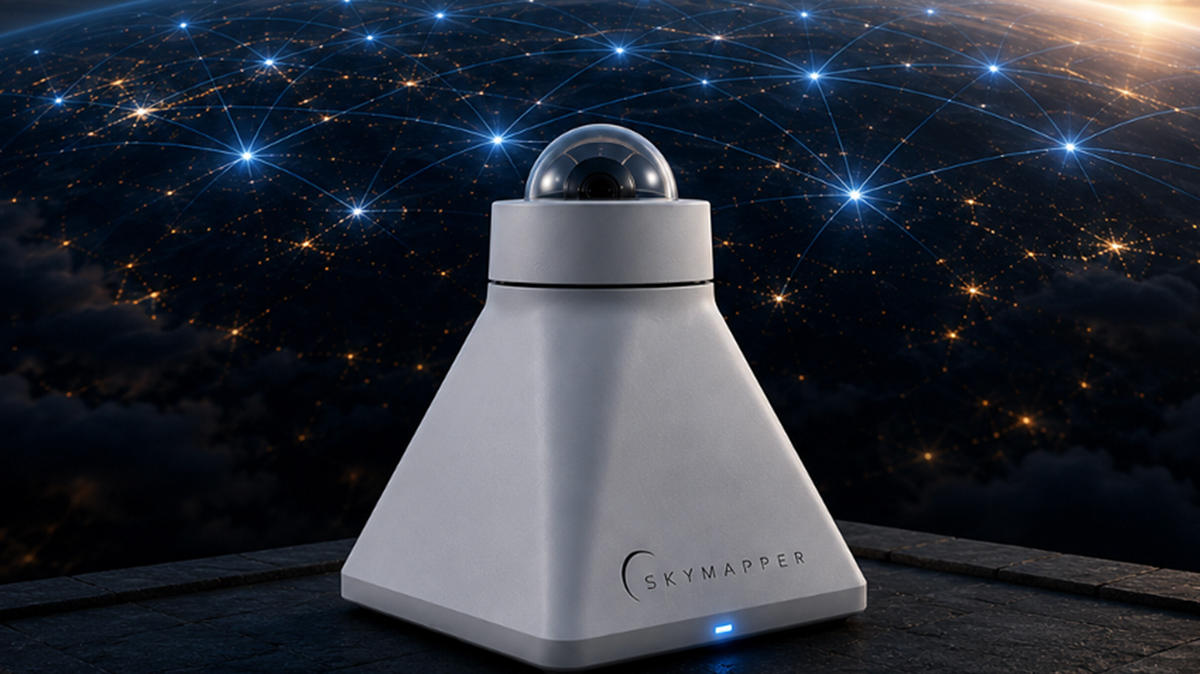
SkyMapper: Expanding Access to Real-time Astronomy Through a Global Astronomical Network
SkyMapper and the SETI Institute are connecting educators, students and the public to live astronomical observations through a distributed astronomical network. #SkyMapper #SETI #Citizen Science #Astronomy
Virtual Planetary Laboratory
How can we best assess whether an exoplanet supports life? #VPL
Discovery and Futures Lab
What happens if life beyond Earth is discovered? The Discovery and Futures Lab at the SETI Institute fosters novel and anticipatory research at the intersection of science, society, our planet, and the search for life beyond Earth. #Discovery and Futures LabSupport the
SETI Institute
Scientists are getting closer in their search for life beyond earth. But with limited federal funding for the search for extraterrestrial intelligence, supporters are the reason cutting-edge scientists can keep their eyes on the sky.