)

Thursday, Jan 26, 2023
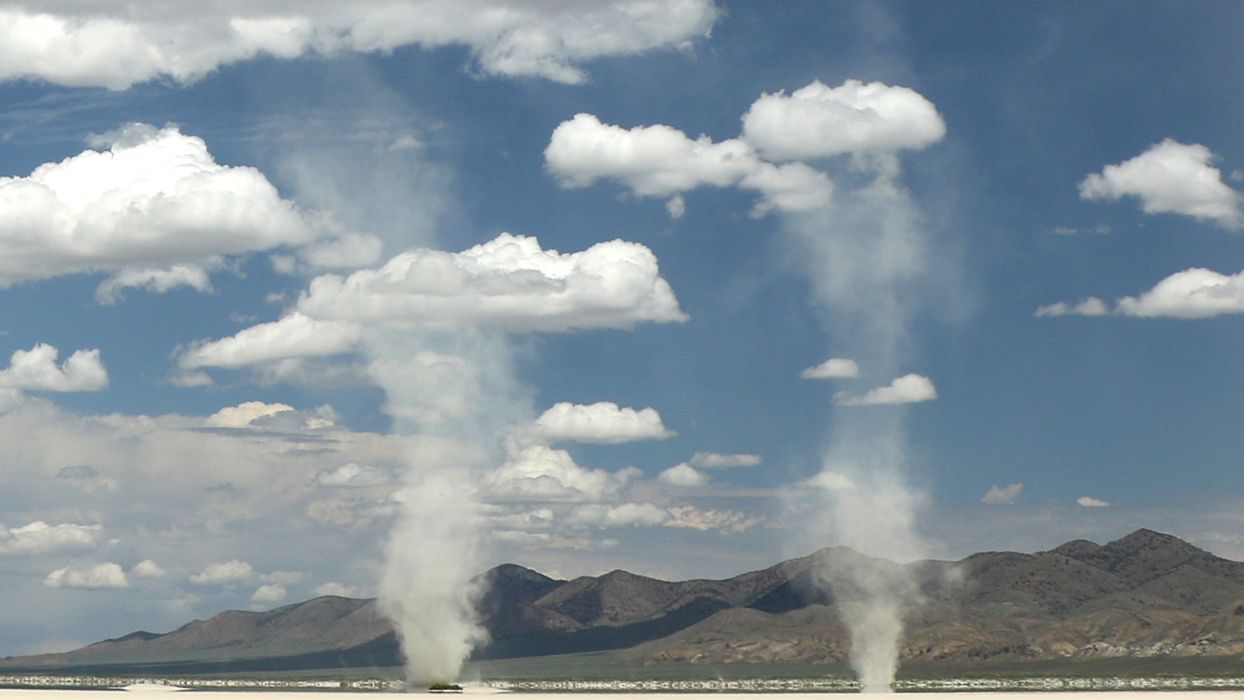
Photo credit: Lori Fenton
On Earth, dust devils are a curiosity. On Mars, they’re a commonplace.
Lori Fenton, a planetary scientist at the SETI Institute, has a serious interest in these whirling dustups, as they are a major contributor – possibly even the principal contributor – to dust in the martian atmosphere. But studying dust devils in situ on Mars is obviously difficult. So instead, she leads expeditions to the Smith Creek Valley – a mile-high, dry basin in central Nevada -- to learn more about the meteorological conditions that affect the size, shape, and frequency of these powdery whirls.

Fenton is the leader of a small team of researchers that includes another SETI Institute scientist, Tim Michaels, and several undergraduate students from St. Lawrence University in upstate New York. They set up their instrumentation on the Nevada “playas,” which are flat dry lakes bare of vegetation that lie between mountain ranges. Fenton notes that you can imagine what these places look like by reference to Road Runner cartoons. “The playas resemble the terrain where Wile E. Coyote gives chase to this high-speed bird.”
The playas are composed of dusty sediment that filters down from the hills when it rains, producing a fine clay when it dries. These are perfect ingredients for dust devils in the summer, when it gets hot, so that’s where Fenton and her team set up some automated instrumentation.
“We had four cameras, allowing multiple stereo imaging,” she notes. “We had a weather mast, and a small instrument I call a baby lidar. It shoots an infrared laser up into the sky, so anything that intercepts the beam, like dust from dust devils, will cross it and tell us something about the structure of the atmosphere.”

Fenton's team was looking for correlations. Did the properties of the dust devils correlate with meteorological conditions? If so, they could apply their findings to Mars to infer something about local conditions on the red planet by observing the dust devils.
But despite the flexibility of their approach, Fenton’s team learned that dust devils are complicated.
“They vary a lot from moment to moment, from hour to hour,” she notes. “They don’t always seem to clearly correlate with varying conditions,” Fenton admits. “And we don’t understand why, unfortunately. That’s very frustrating, but we’ve got some ideas, and I think we can make progress with further analysis and atmospheric modeling.”
As Fenton emphasizes, dust devils are more than just a red planet curiosity. They can have a large effect on the planet’s climate, and can also indicate what local conditions are like. The devil may be in the details, but the details will give insight into the conditions on the fourth rock from the Sun.
“It’s just going to take more work than we anticipated,” Fenton says. “But if we want to fathom the weather patterns on Mars, we really need to understand it.”
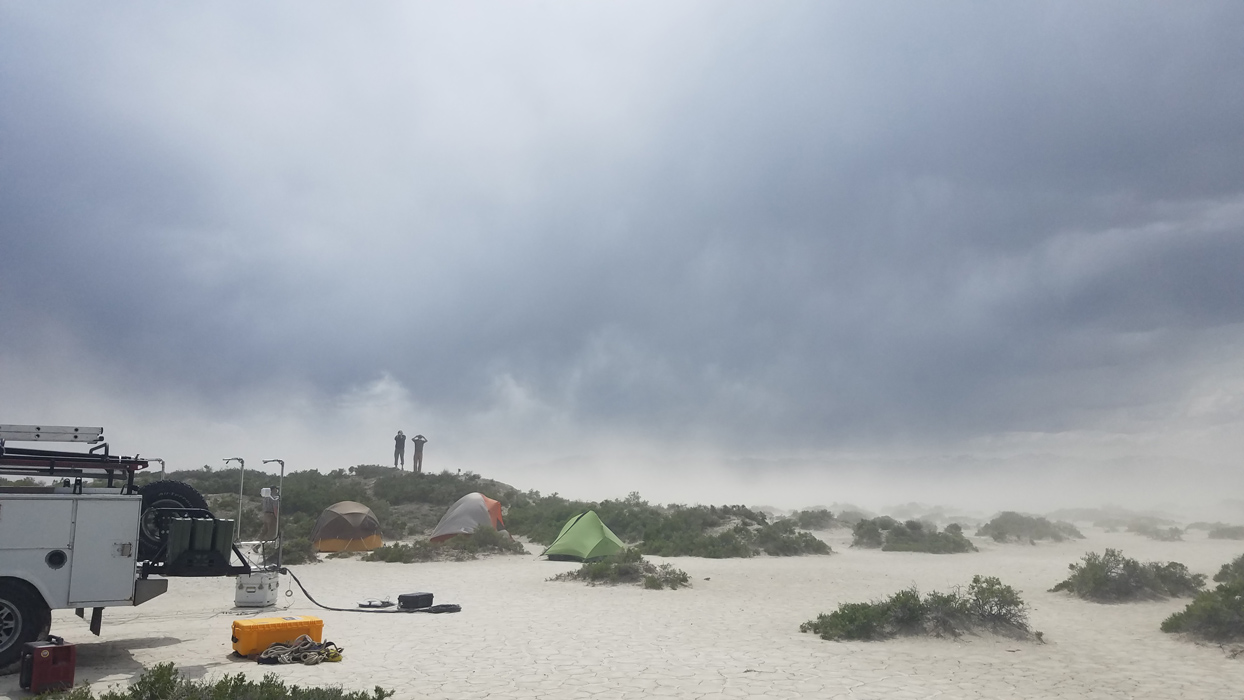
Photo credit: Lori Fenton
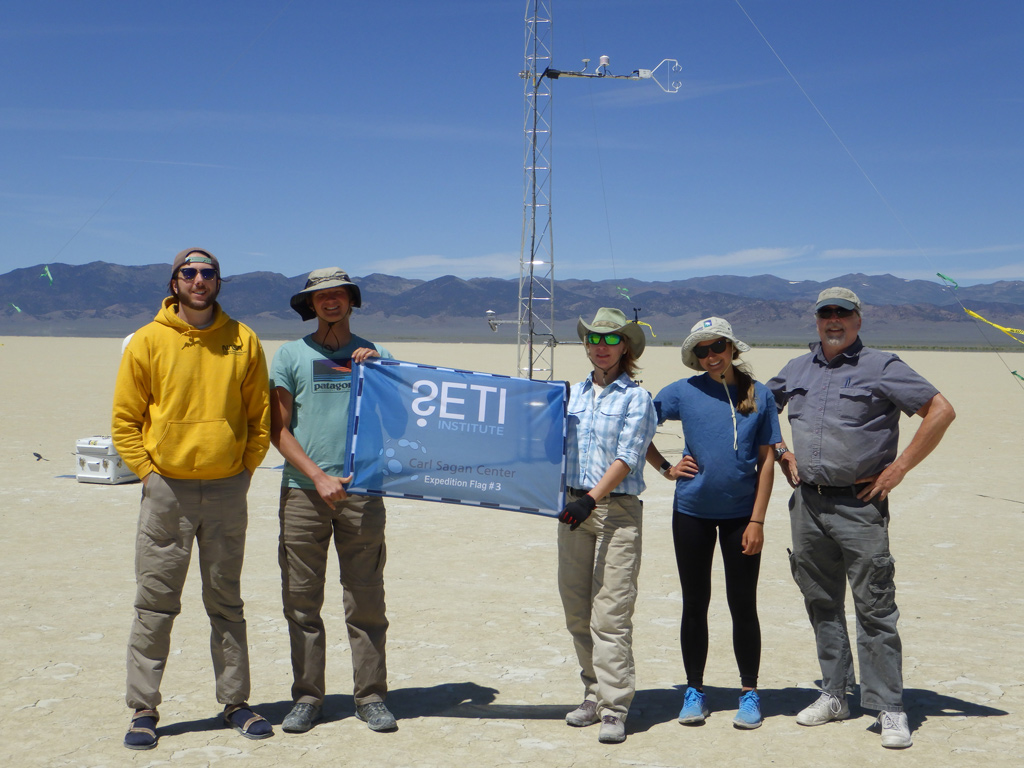
Photo credit: Lori Fenton







News
Related News

Jul 21, 2026
Celebrating 25 Years of Exoplanet Astrobiology: Welcoming the Virtual Planetary Laboratory to its New Home at the SETI Institute
#VPL #Astrobiology #SETI Institute #Victoria Meadows #Andrew Lincowski #Eric Wolf #Nicholas Wogan #Kimberly Bott #Hannah Dawson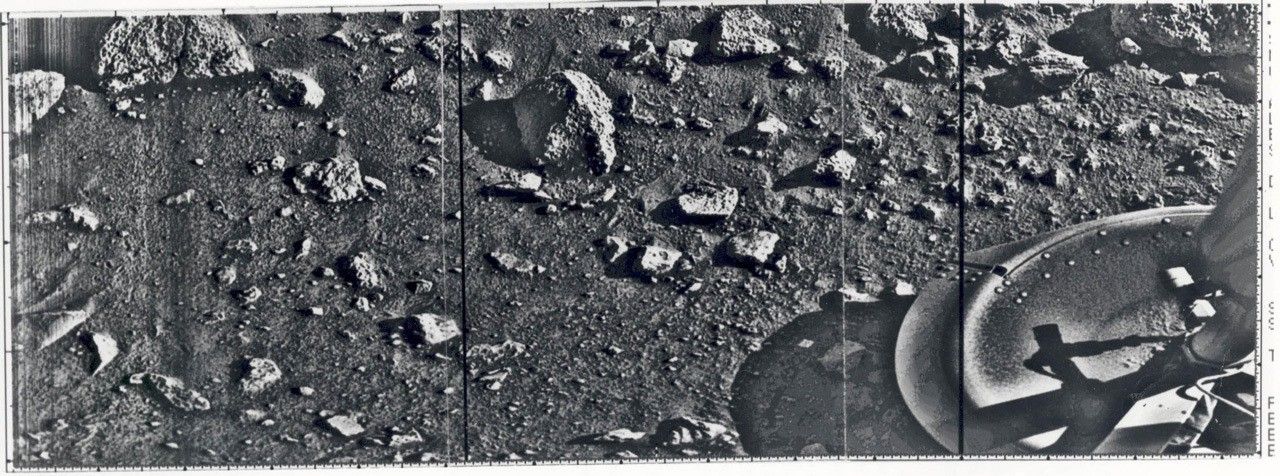
Jul 20, 2026
50 Years After Viking 1: The Mission That Changed the Search for Life on Mars
Half a century after the first successful Mars landing, Viking's greatest legacy may be the questions it taught us to ask. #Mars #NASA Missions and Observatories #Anniversary
Jun 1, 2026
SETI Institute Awards $1 Million in STRIDE Grants to Advance Astrobiology, Exoplanet Science, and Public Engagement
#Press Releases #STRIDE #Research #Carl Sagan Center #Spectroscopy #Solar System #SETI #Climate and Bioscience #Astronomy #Astrobiology #Exoplanets #Data Science #Education #Outreach #Hat Creek Radio Observatory #Unistellar #SkyMapper
May 13, 2026
SETI Institute to Honor Dr. Matthew Tiscareno with 2026 Carl Sagan Center Director’s Award
The Drake Awards event will also recognize SETI Forward and SETI Institute REU student award recipients. #Press Releases #Drake Awards #Frank Drake #SETI #Awards #Planetary Astronomy #Astrobiology #SETI Forward #Education #Carl Sagan Center #Matthew Tiscareno #Nathalie Cabrol #REU
May 7, 2026
SETI Institute In the News: April Roundup 2026
#SETI Institute in the News #SETI Institute #Community #SETI #Discovery and Futures Lab #Lucian Walkowicz #Chelsea Haramia #NASA Missions and Observatories #Pascal Lee #Mars #Janice Bishop #Mark Showalter #JWST #Uranus #Bill Diamond #UAPs
May 4, 2026
SETI Institute Announces Nominees for the Speculative Life BioArt Residency
Six international artists shortlisted for a new residency at the intersection of art, astrobiology, and biotechnology #AIR #SETI Institute #Speculative Life #Astrobiology #Danielle Siembieda #Nathalie Cabrol
Jul 21, 2026
#VPL
#Astrobiology
#SETI Institute
#Victoria Meadows
#Andrew Lincowski
#Eric Wolf
#Nicholas Wogan
#Kimberly Bott
#Hannah Dawson
Jul 20, 2026
50 Years After Viking 1: The Mission That Changed the Search for Life on Mars
Half a century after the first successful Mars landing, Viking's greatest legacy may be the questions it taught us to ask.
#Mars
#NASA Missions and Observatories
#Anniversary
Jun 1, 2026
#Press Releases
#STRIDE
#Research
#Carl Sagan Center
#Spectroscopy
#Solar System
#SETI
#Climate and Bioscience
#Astronomy
#Astrobiology
#Exoplanets
#Data Science
#Education
#Outreach
#Hat Creek Radio Observatory
#Unistellar
#SkyMapper
SETI Institute Awards $1 Million in STRIDE Grants to Advance Astrobiology, Exoplanet Science, and Public Engagement
May 13, 2026
SETI Institute to Honor Dr. Matthew Tiscareno with 2026 Carl Sagan Center Director’s Award
The Drake Awards event will also recognize SETI Forward and SETI Institute REU student award recipients.
#Press Releases
#Drake Awards
#Frank Drake
#SETI
#Awards
#Planetary Astronomy
#Astrobiology
#SETI Forward
#Education
#Carl Sagan Center
#Matthew Tiscareno
#Nathalie Cabrol
#REU
May 7, 2026
#SETI Institute in the News
#SETI Institute
#Community
#SETI
#Discovery and Futures Lab
#Lucian Walkowicz
#Chelsea Haramia
#NASA Missions and Observatories
#Pascal Lee
#Mars
#Janice Bishop
#Mark Showalter
#JWST
#Uranus
#Bill Diamond
#UAPs
SETI Institute In the News: April Roundup 2026
May 4, 2026
SETI Institute Announces Nominees for the Speculative Life BioArt Residency
Six international artists shortlisted for a new residency at the intersection of art, astrobiology, and biotechnology
#AIR
#SETI Institute
#Speculative Life
#Astrobiology
#Danielle Siembieda
#Nathalie Cabrol
Research
Related Projects

SkyMapper • SETI • Citizen Science • Astronomy
SkyMapper: Expanding Access to Real-time Astronomy Through a Global Astronomical Network
SkyMapper and the SETI Institute are connecting educators, students and the public to live astronomical observations through a distributed astronomical network. #SkyMapper #SETI #Citizen Science #Astronomy
VPL
Virtual Planetary Laboratory
How can we best assess whether an exoplanet supports life? #VPL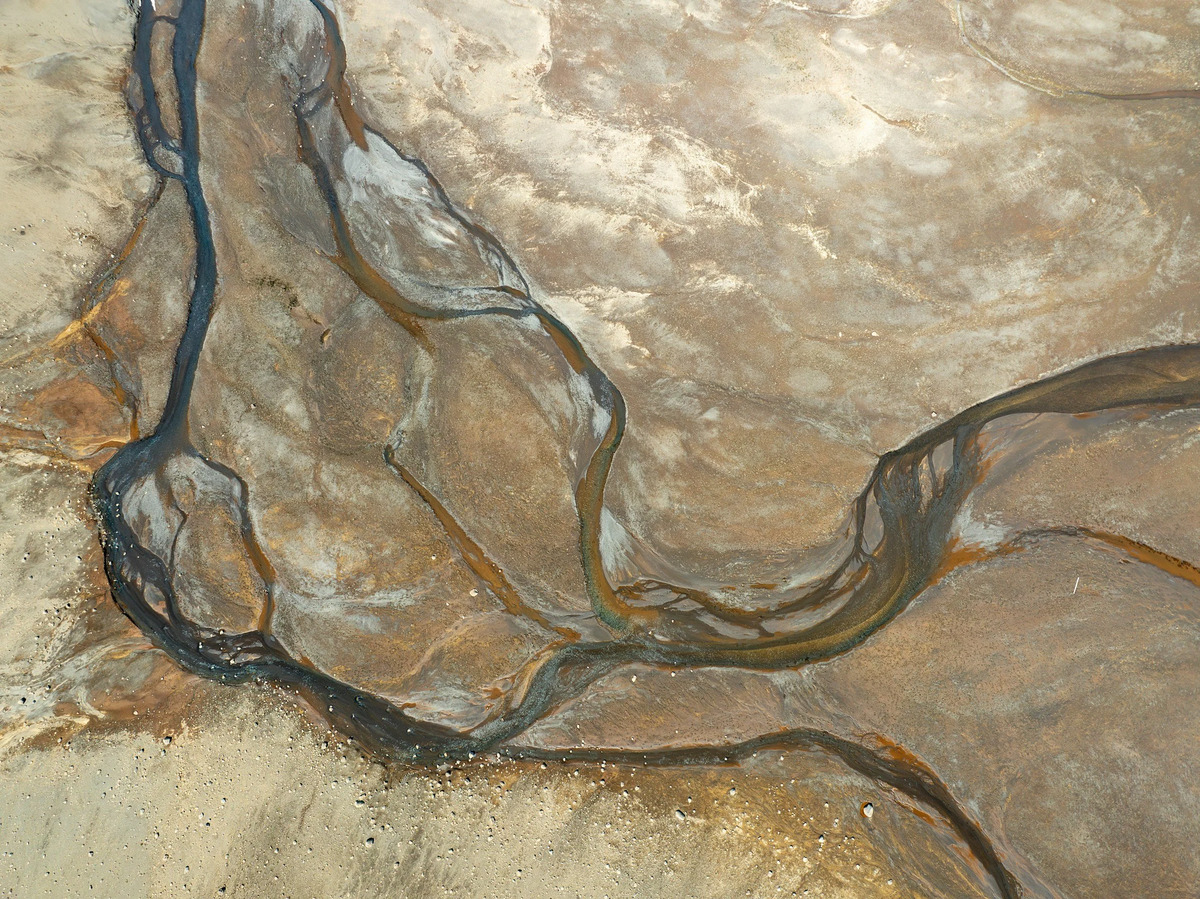
Discovery and Futures Lab
Discovery and Futures Lab
What happens if life beyond Earth is discovered? The Discovery and Futures Lab at the SETI Institute fosters novel and anticipatory research at the intersection of science, society, our planet, and the search for life beyond Earth. #Discovery and Futures Lab
May 17, 2026
SkyMapper: Expanding Access to Real-time Astronomy Through a Global Astronomical Network
SkyMapper and the SETI Institute are connecting educators, students and the public to live astronomical observations through a distributed astronomical network.
#SkyMapper
#SETI
#Citizen Science
#Astronomy
May 5, 2026
Virtual Planetary Laboratory
How can we best assess whether an exoplanet supports life?
#VPL
Apr 16, 2026
Discovery and Futures Lab
What happens if life beyond Earth is discovered? The Discovery and Futures Lab at the SETI Institute fosters novel and anticipatory research at the intersection of science, society, our planet, and the search for life beyond Earth.
#Discovery and Futures Lab
Support Us
Support the
SETI Institute
Scientists are getting closer in their search for life beyond earth. But with limited federal funding for the search for extraterrestrial intelligence, supporters are the reason cutting-edge scientists can keep their eyes on the sky.
