)

Thursday, Sep 04, 2025

At A Glance
|
From tracking a rare interstellar visitor to revealing hidden star systems, the SETI Institute is at the forefront of space science. Explore four recent stories showcasing our role in groundbreaking discoveries and global scientific collaboration.
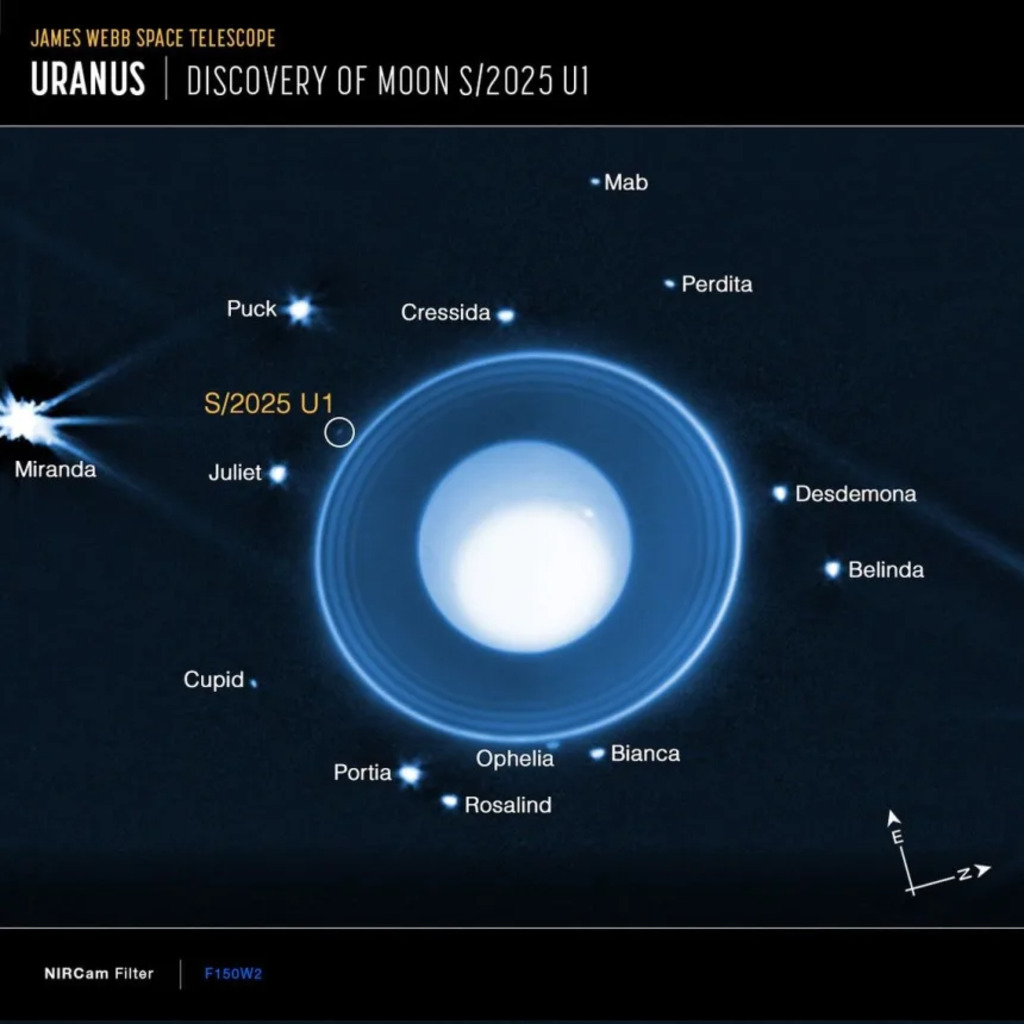
Astronomers Discover Hidden Moon Orbiting Uranus
Astronomers using the James Webb Space Telescope discovered a previously unknown Uranian moon, S/2025 U1, just 6 miles wide. The finding raises the planet’s known moon count to 29 and offers new insight into Uranus’ rings and their origins. CNN and others covered the story, highlighting contributions from SETI Institute scientist Dr. Matthew Tiscareno, who noted the unusual complexity of Uranus’ inner moons and rings: “Their inter-relationships hint at a chaotic history that blurs the boundary between a ring system and a system of moons.”
Read the full story by CNN here: Astronomers discover hidden moon orbiting Uranus
The Search for Extraterrestrial Life Is a Roller Coaster of Hope and Disappointment
Scientific American recently published an article that explored the search for extraterrestrial life, tracing the story from 19th-century Martian “canals” to modern exoplanet discoveries. The piece features Dr. Nathalie Cabrol, astrobiologist and Director of the Carl Sagan Center for Research at the SETI Institute, who reflects on how the discovery of thousands of planets beyond our solar system have transformed the SETI Institute’s outlook: “Planets became the rule, not the exception.” With more than 5,900 confirmed exoplanets,and more than 15,000 exoplanet candidates awaiting confirmation, the discovery of so many worlds is reshaping the way we think about where life might exist in the universe.
Read the full story by Scientific American here: The Search for Extraterrestrial Life Is a Roller Coaster of Hope and Disappointment
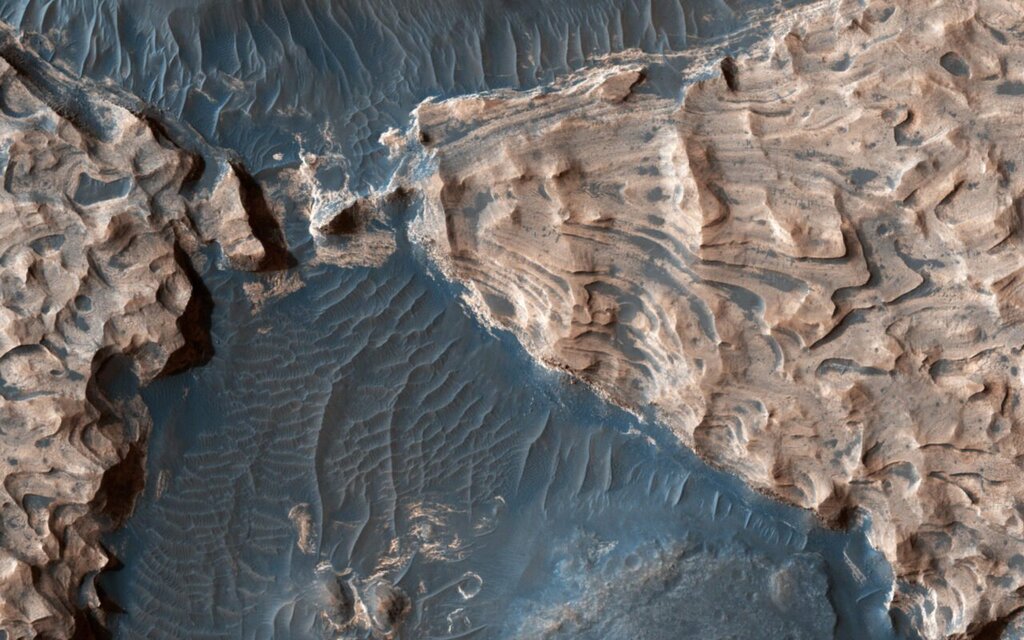
Scientists Think They Have Found a Brand-New Mineral on Mars
A team led by SETI Institute astrobiologist Dr. Janice Bishop identified what may be an entirely new mineral on Mars. Using orbital data and lab experiments, the researchers studied sulfate-rich deposits near Valles Marineris—an ancient canyon thought to have once hosted water. They discovered an unusual ferric hydroxysulfate compound that forms only in the presence of oxygen and heat, hinting at past volcanic activity. If confirmed, this would mark a brand-new mineral, offering vital clues about Mars’ dynamic surface history and its potential to have once supported life.
Read the story by Gizmodo: Scientists Think They Have Found a Brand-New Mineral on Mars
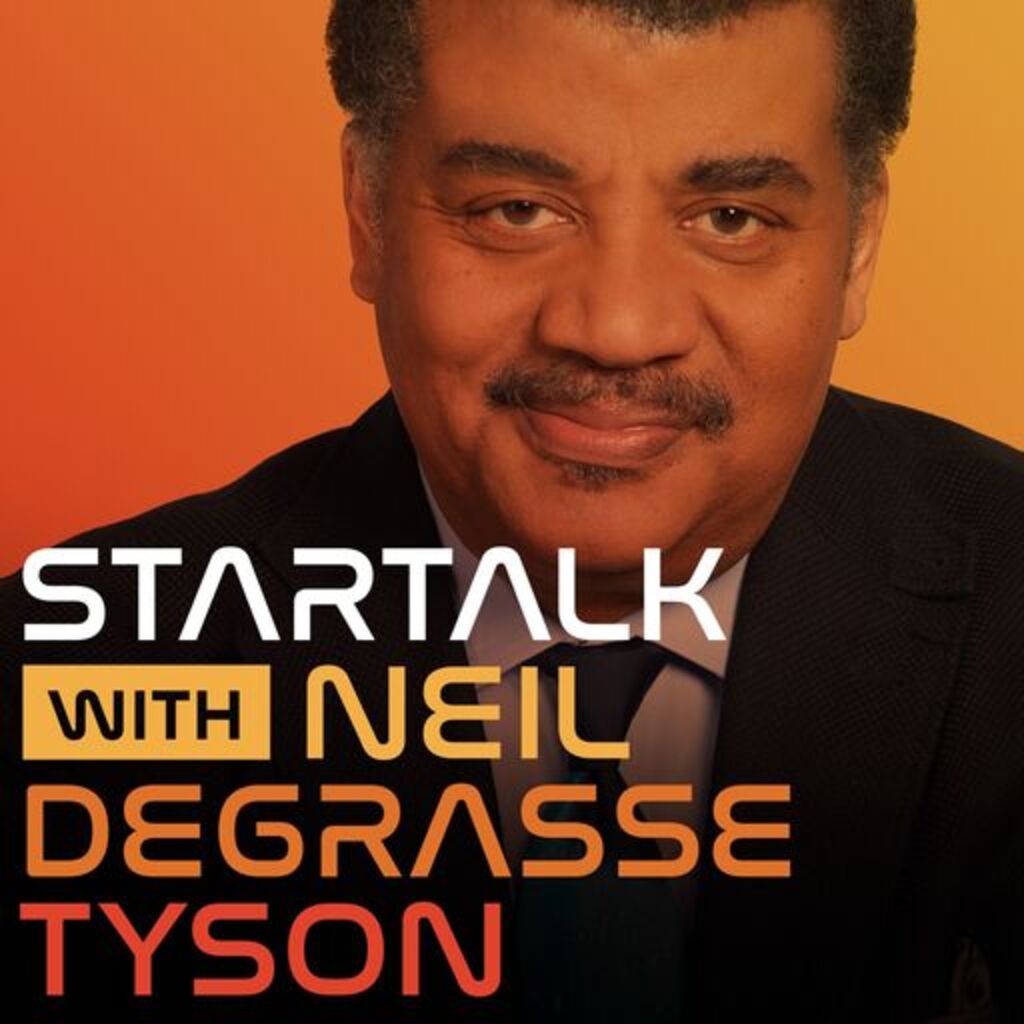
Are We Alone? with Jill Tarter
Are we alone in the universe? Neil deGrasse Tyson and comic co-host Matt Kirshen sit down with one of the founders of the SETI Institute, Dr. Jill Tarter, to explore the search for intelligent life beyond Earth, technosignatures, The Drake Equation, and more.
Listen to the whole episode here: Are we alone? with Jill Tarter







News
Related News
Jul 10, 2026
SETI Institute Achievements: Q1 2026 Activity Report
#Activity Reports #Carl Sagan Center #Outreach #Education #AIR #Community #Research
Jun 29, 2026
Humanity's Plan for First Contact: Who Speaks for Earth?
#Blog #Lauren Sgro #Lucian Walkowicz #Chelsea Haramia #SETI #SETI Institute
Jun 5, 2026
Beyond Disclosure Day: The Real-World Protocols
#Press Releases #SETI #Astronomy #Bill Diamond #SETI Institute
Jun 4, 2026
SETI Institute In the News: May Roundup 2026
#SETI Institute in the News #SETI Institute #Community #Solar System #Matija Ćuk #Neptune #SETI #Bill Diamond #UAPs #Drake Awards #Lori Marino #Matthew Tiscareno #Outreach #Exoplanets #Carl Sagan Center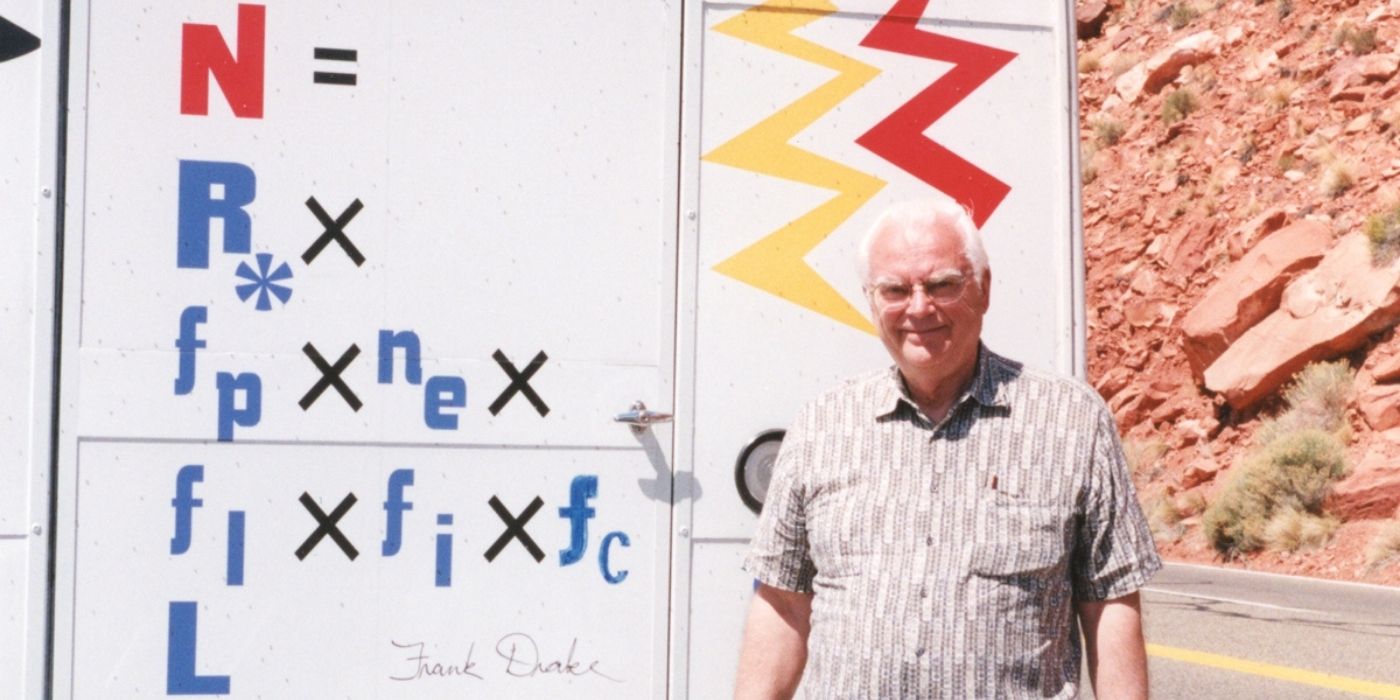
May 28, 2026
Celebrating Frank Drake
#Frank Drake #SETI #Project Ozma #Drake Equation #SETI Institute
May 13, 2026
SETI Institute to Honor Dr. Matthew Tiscareno with 2026 Carl Sagan Center Director’s Award
The Drake Awards event will also recognize SETI Forward and SETI Institute REU student award recipients. #Press Releases #Drake Awards #Frank Drake #SETI #Awards #Planetary Astronomy #Astrobiology #SETI Forward #Education #Carl Sagan Center #Matthew Tiscareno #Nathalie Cabrol #REU
Jul 10, 2026
#Activity Reports
#Carl Sagan Center
#Outreach
#Education
#AIR
#Community
#Research
Jun 29, 2026
#Blog
#Lauren Sgro
#Lucian Walkowicz
#Chelsea Haramia
#SETI
#SETI Institute
Humanity's Plan for First Contact: Who Speaks for Earth?
Jun 5, 2026
#Press Releases
#SETI
#Astronomy
#Bill Diamond
#SETI Institute
Beyond Disclosure Day: The Real-World Protocols
Jun 4, 2026
#SETI Institute in the News
#SETI Institute
#Community
#Solar System
#Matija Ćuk
#Neptune
#SETI
#Bill Diamond
#UAPs
#Drake Awards
#Lori Marino
#Matthew Tiscareno
#Outreach
#Exoplanets
#Carl Sagan Center
SETI Institute In the News: May Roundup 2026
May 28, 2026
#Frank Drake
#SETI
#Project Ozma
#Drake Equation
#SETI Institute
Celebrating Frank Drake
May 13, 2026
SETI Institute to Honor Dr. Matthew Tiscareno with 2026 Carl Sagan Center Director’s Award
The Drake Awards event will also recognize SETI Forward and SETI Institute REU student award recipients.
#Press Releases
#Drake Awards
#Frank Drake
#SETI
#Awards
#Planetary Astronomy
#Astrobiology
#SETI Forward
#Education
#Carl Sagan Center
#Matthew Tiscareno
#Nathalie Cabrol
#REU
Research
Related Projects

SkyMapper • SETI • Citizen Science • Astronomy
SkyMapper: Expanding Access to Real-time Astronomy Through a Global Astronomical Network
SkyMapper and the SETI Institute are connecting educators, students and the public to live astronomical observations through a distributed astronomical network. #SkyMapper #SETI #Citizen Science #Astronomy
VPL
Virtual Planetary Laboratory
How can we best assess whether an exoplanet supports life? #VPL
Discovery and Futures Lab
Discovery and Futures Lab
What happens if life beyond Earth is discovered? The Discovery and Futures Lab at the SETI Institute fosters novel and anticipatory research at the intersection of science, society, our planet, and the search for life beyond Earth. #Discovery and Futures Lab
May 17, 2026
SkyMapper: Expanding Access to Real-time Astronomy Through a Global Astronomical Network
SkyMapper and the SETI Institute are connecting educators, students and the public to live astronomical observations through a distributed astronomical network.
#SkyMapper
#SETI
#Citizen Science
#Astronomy
May 5, 2026
Virtual Planetary Laboratory
How can we best assess whether an exoplanet supports life?
#VPL
Apr 16, 2026
Discovery and Futures Lab
What happens if life beyond Earth is discovered? The Discovery and Futures Lab at the SETI Institute fosters novel and anticipatory research at the intersection of science, society, our planet, and the search for life beyond Earth.
#Discovery and Futures Lab
Support Us
Support the
SETI Institute
Scientists are getting closer in their search for life beyond earth. But with limited federal funding for the search for extraterrestrial intelligence, supporters are the reason cutting-edge scientists can keep their eyes on the sky.
