)

Tuesday, Sep 30, 2014

Planetary astronomer Mark Showalter is rabid about rings. While everyone knows about Saturn’s spectacular ring system, it’s often forgotten that Jupiter, Uranus, and Neptune are also encircled by fainter and narrower rings. Each of these systems interacts closely with a family of small, inner moons. Showalter works on some of NASA’s highest-profile missions to the outer planets, including Cassini, now orbiting Saturn, and New Horizons, which flew past Jupiter en route to its 2015 encounter with Pluto. He has even searched for the rings of Mars, although so far with no success. Known for his persistence in planetary image analysis, Mark's work on the earlier Voyager mission led to his discovery of Jupiter’s faint, outer “gossamer” rings and Saturn’s tiny ring-moon, Pan.
Mark is the discoverer of six moons and three planetary rings. He is the Principal Investigator of NASA's Planetary Data System Rings Node, a co-investigator on the Cassini-Huygens mission to Saturn, and co-investigator on the New Horizons mission to Pluto.
In February 2012, he led the team of astronomers who invited the public to help select names for Pluto's two tiniest moons (nicknamed P4 and P5) that he co-discovered. The names were selected based on the results of an unprecedented Internet vote that received almost 500,000 votes, including 30,000 write-in suggestions. P4 has been named Kerberos, after the three-headed dog of Greek mythology. P5 has been named Styx, after the mythological river that separates the world of the living from the realm of the dead.
On July 15, 2013, Mark and his team discovered a previously unknown fourteenth moon of Neptune, in images taken by the Hubble Space Telescope from 2004 to 2009. The as yet unnamed fourteenth moon, currently known as S/2004 N 1, is thought to measure no more than 20 km in diameter.
Additional Information
- Mark Showalter Profile
- Discovery of another moon around Pluto
- Naming the Moons of Pluto
- Astronomers Ask Public to Help Name Pluto's New Moons
- Pluto's Smallest Moons Receive Their Official Names
Showalter's SETITalk about the discovery of the fourth and fifth moons of Pluto. His recent discoveries of two small moons orbiting Pluto raise interesting new questions about how the dwarf planet formed. We now know that a total of four outer moons circle around a central "double-planet" comprising Pluto and its large, nearby moon Charon.
A SETIChat about naming the Pluto's moons. Hosted by Franck Marchis, with scientists Mark Showalter, Senior Research Scientist at the Carl Sagan Center of the SETI Institute, and Hal Weaver, Researcher at the Johns Hopkins University Applied Physics Laboratory. Moderated by Nadia Drake, science reporter from Wired, and Alan Boyle, Science editor at NBC News Digital.
A follow-up SETIChat with Franck Marchis, Alan Boyle, and Mark Showalter discussing the possible names of Pluto's moon.







News
Related News
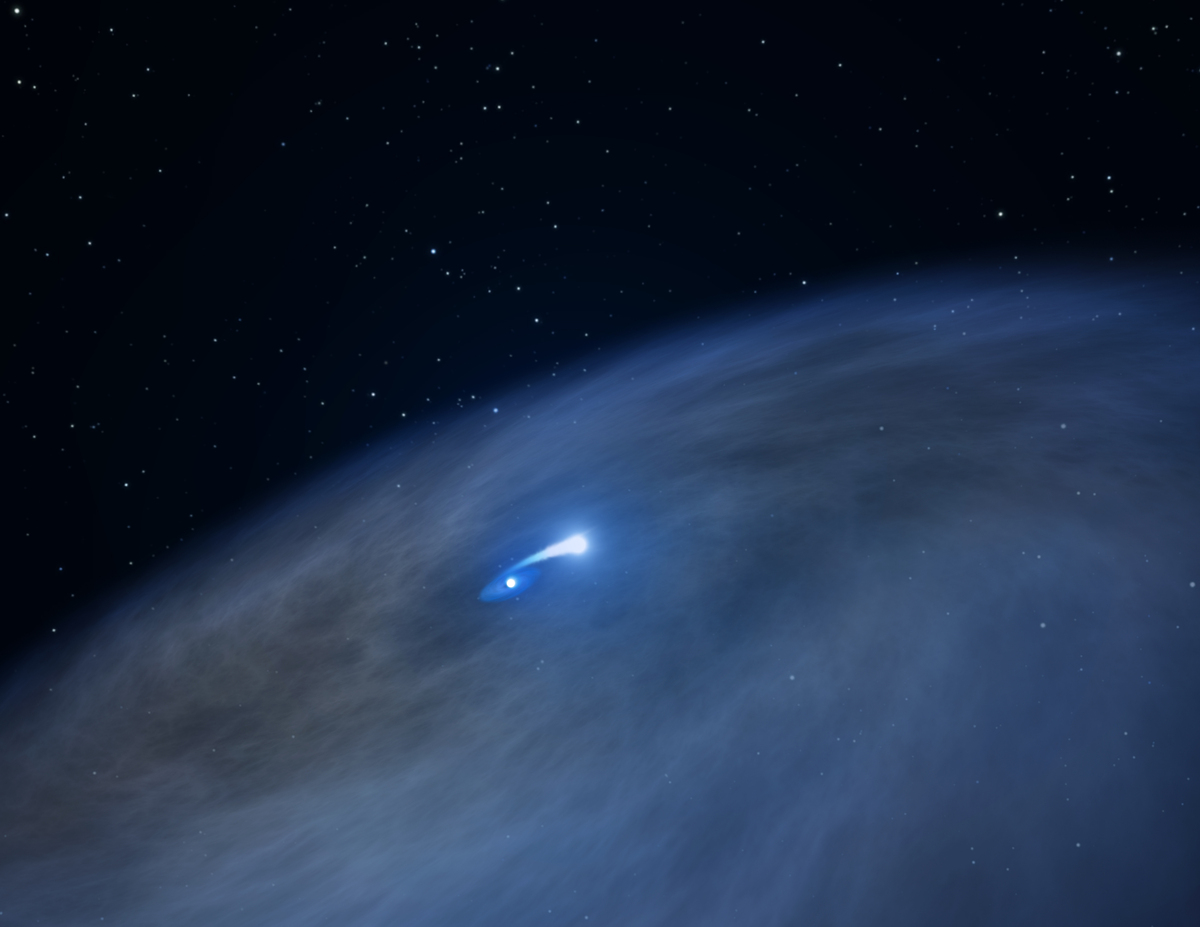
Jul 10, 2026
SETI Institute Achievements: Q1 2026 Activity Report
#Activity Reports #Carl Sagan Center #Outreach #Education #AIR #Community #Research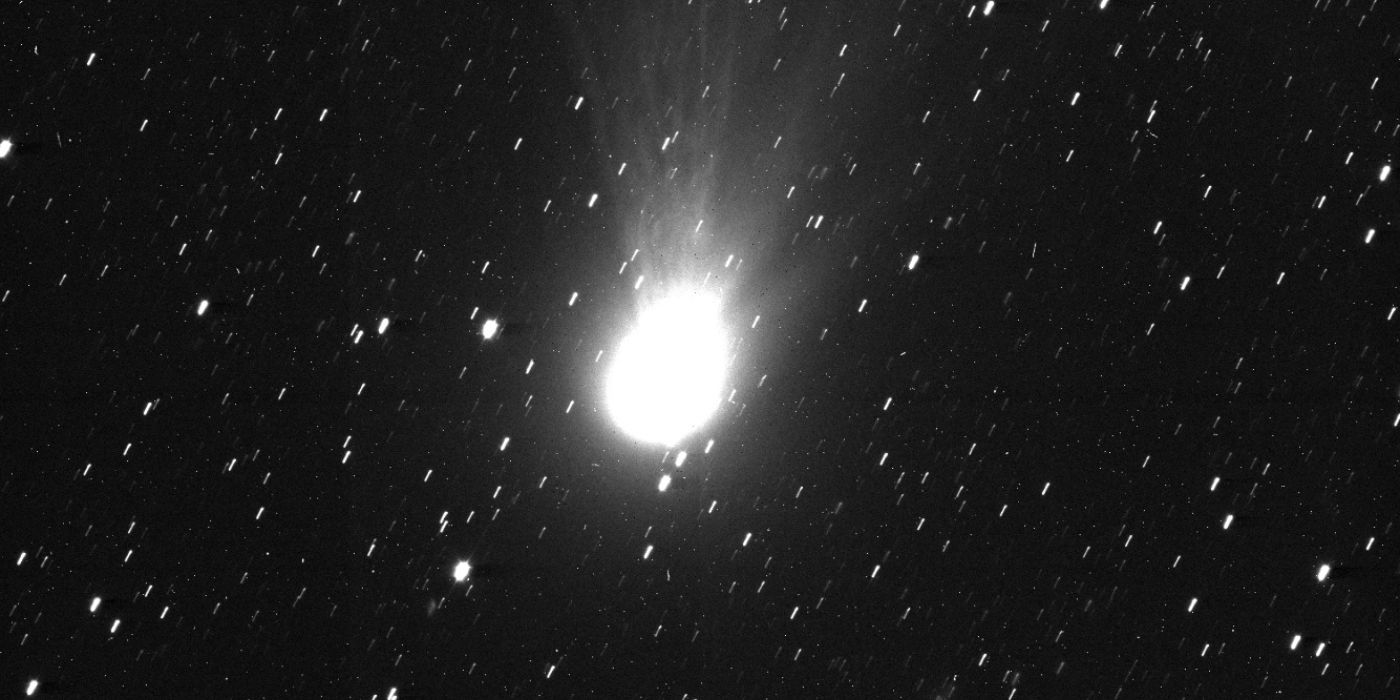
Jun 26, 2026
What Juice Revealed About Interstellar Comet 3I/ATLAS
#Blog #3I/ATLAS #Franck Marchis #Juice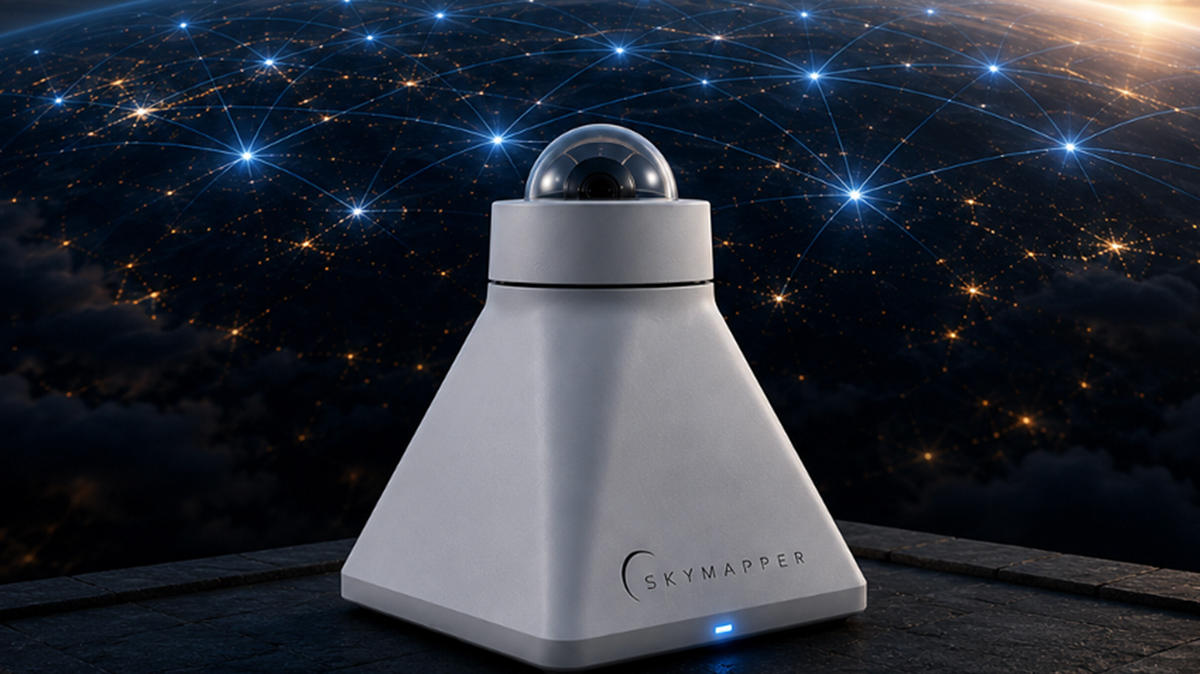
Jun 9, 2026
Disclosure Needs Data
#SkyMapper #Franck Marchis #SETI #citizen science
Jun 4, 2026
SETI Institute In the News: May Roundup 2026
#SETI Institute in the News #SETI Institute #Community #Solar System #Matija Ćuk #Neptune #SETI #Bill Diamond #UAPs #Drake Awards #Lori Marino #Matthew Tiscareno #Outreach #Exoplanets #Carl Sagan Center
Jun 1, 2026
SETI Institute Awards $1 Million in STRIDE Grants to Advance Astrobiology, Exoplanet Science, and Public Engagement
#Press Releases #STRIDE #Research #Carl Sagan Center #Spectroscopy #Solar System #SETI #Climate and Bioscience #Astronomy #Astrobiology #Exoplanets #Data Science #Education #Outreach #Hat Creek Radio Observatory #Unistellar #SkyMapper
May 7, 2026
SETI Institute In the News: April Roundup 2026
#SETI Institute in the News #SETI Institute #Community #SETI #Discovery and Futures Lab #Lucian Walkowicz #Chelsea Haramia #NASA Missions and Observatories #Pascal Lee #Mars #Janice Bishop #Mark Showalter #JWST #Uranus #Bill Diamond #UAPs
Jul 10, 2026
#Activity Reports
#Carl Sagan Center
#Outreach
#Education
#AIR
#Community
#Research
Jun 26, 2026
#Blog
#3I/ATLAS
#Franck Marchis
#Juice
What Juice Revealed About Interstellar Comet 3I/ATLAS
Jun 9, 2026
#SkyMapper
#Franck Marchis
#SETI
#citizen science
Disclosure Needs Data
Jun 4, 2026
#SETI Institute in the News
#SETI Institute
#Community
#Solar System
#Matija Ćuk
#Neptune
#SETI
#Bill Diamond
#UAPs
#Drake Awards
#Lori Marino
#Matthew Tiscareno
#Outreach
#Exoplanets
#Carl Sagan Center
SETI Institute In the News: May Roundup 2026
Jun 1, 2026
#Press Releases
#STRIDE
#Research
#Carl Sagan Center
#Spectroscopy
#Solar System
#SETI
#Climate and Bioscience
#Astronomy
#Astrobiology
#Exoplanets
#Data Science
#Education
#Outreach
#Hat Creek Radio Observatory
#Unistellar
#SkyMapper
SETI Institute Awards $1 Million in STRIDE Grants to Advance Astrobiology, Exoplanet Science, and Public Engagement
May 7, 2026
#SETI Institute in the News
#SETI Institute
#Community
#SETI
#Discovery and Futures Lab
#Lucian Walkowicz
#Chelsea Haramia
#NASA Missions and Observatories
#Pascal Lee
#Mars
#Janice Bishop
#Mark Showalter
#JWST
#Uranus
#Bill Diamond
#UAPs
SETI Institute In the News: April Roundup 2026
Research
Related Projects

SkyMapper • SETI • Citizen Science • Astronomy
SkyMapper: Expanding Access to Real-time Astronomy Through a Global Astronomical Network
SkyMapper and the SETI Institute are connecting educators, students and the public to live astronomical observations through a distributed astronomical network. #SkyMapper #SETI #Citizen Science #Astronomy
VPL
Virtual Planetary Laboratory
How can we best assess whether an exoplanet supports life? #VPL
Discovery and Futures Lab
Discovery and Futures Lab
What happens if life beyond Earth is discovered? The Discovery and Futures Lab at the SETI Institute fosters novel and anticipatory research at the intersection of science, society, our planet, and the search for life beyond Earth. #Discovery and Futures Lab
May 17, 2026
SkyMapper: Expanding Access to Real-time Astronomy Through a Global Astronomical Network
SkyMapper and the SETI Institute are connecting educators, students and the public to live astronomical observations through a distributed astronomical network.
#SkyMapper
#SETI
#Citizen Science
#Astronomy
May 5, 2026
Virtual Planetary Laboratory
How can we best assess whether an exoplanet supports life?
#VPL
Apr 16, 2026
Discovery and Futures Lab
What happens if life beyond Earth is discovered? The Discovery and Futures Lab at the SETI Institute fosters novel and anticipatory research at the intersection of science, society, our planet, and the search for life beyond Earth.
#Discovery and Futures Lab
Support Us
Support the
SETI Institute
Scientists are getting closer in their search for life beyond earth. But with limited federal funding for the search for extraterrestrial intelligence, supporters are the reason cutting-edge scientists can keep their eyes on the sky.
