Wednesday, Jan 07, 2026

Credit: NASA/JPL-Caltech/University of Arizona.

Monday, 22 December 2025

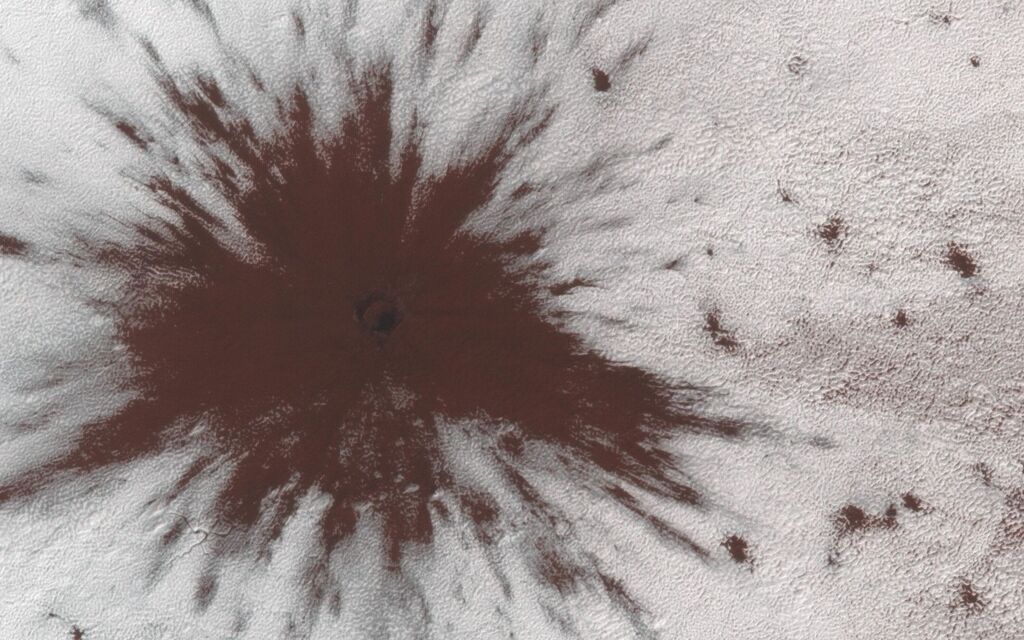
Impact Near the South Pole

This image shows a new impact crater on Mars that formed between July and September 2018. It's notable because it occurred in the seasonal southern ice cap and has apparently punched through it, creating a two-toned blast pattern.

The impact hit the ice layer, and the tones of the blast pattern tell us the sequence. When an impactor hits the ground, the force is tremendous, like an explosion. The larger, lighter-colored blast pattern could be the result of scouring by winds from the impact shockwave. The darker-colored inner blast pattern is because the impactor penetrated the thin ice layer, excavated the dark sand underneath, and threw it out in all directions on top of the layer.

Credit: ESA/Juice/NavCam.

Tuesday, 23 December 2025

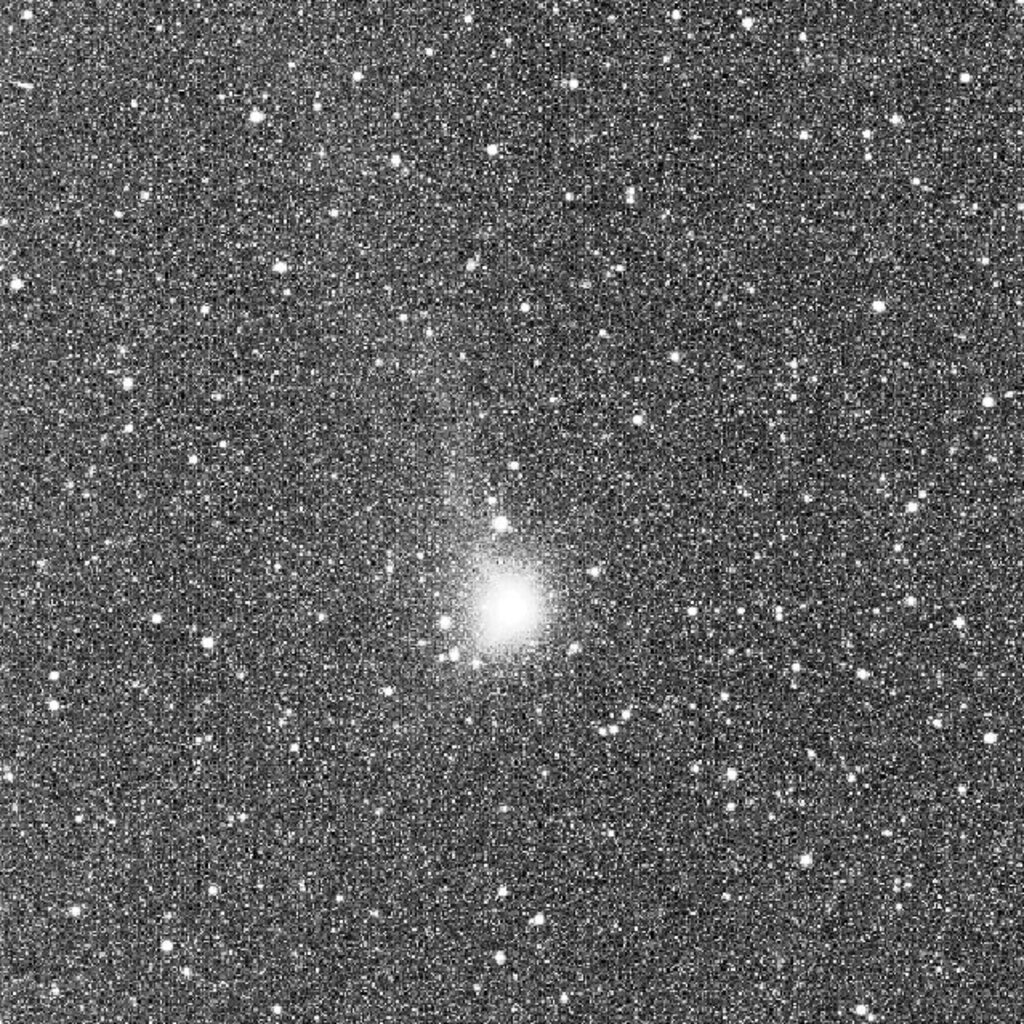
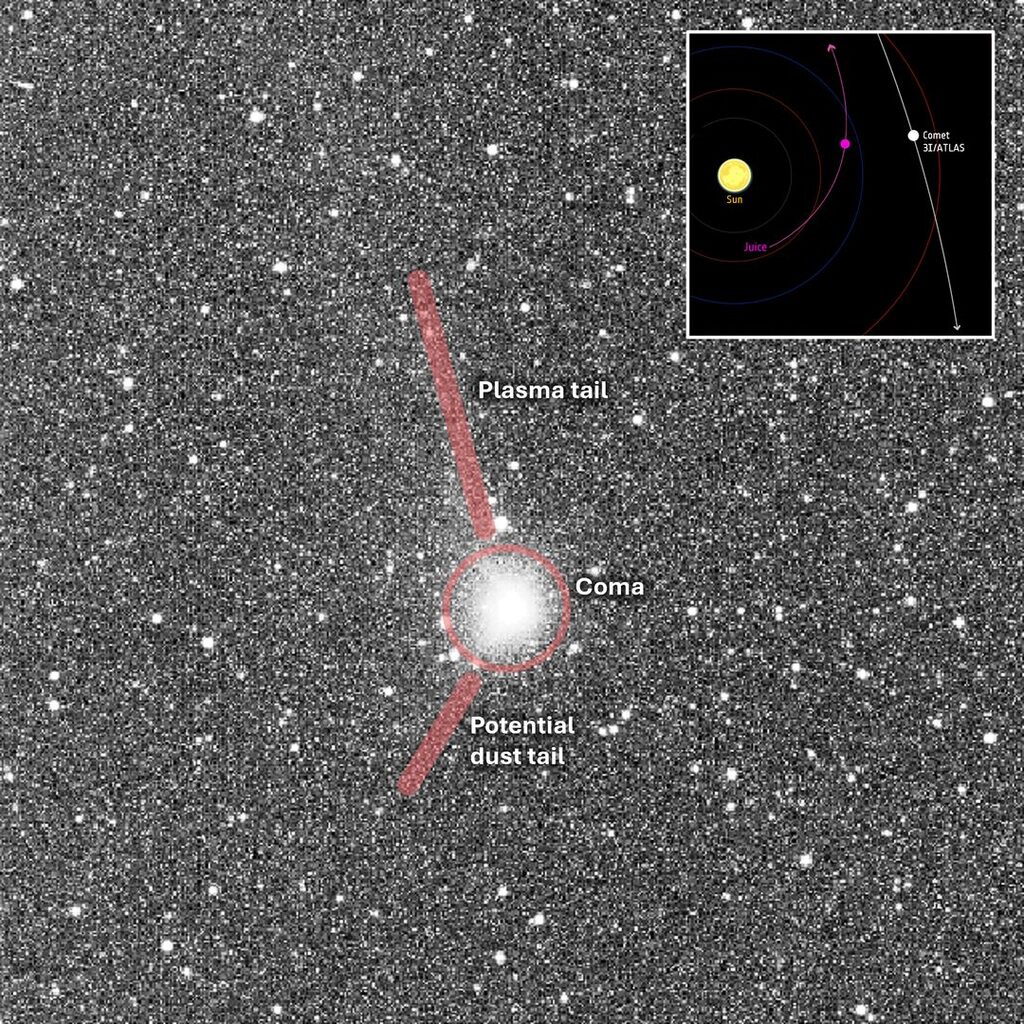
Comet 3I/ATLAS from ESA's Juice

During November 2025, ESA’s Jupiter Icy Moons Explorer (Juice) used five of its science instruments to observe 3I/ATLAS. The instruments collected information about how the comet is behaving and what it is made of.

In addition, Juice snapped the comet with its onboard Navigation Camera (NavCam), designed not as a high-resolution science camera, but to help Juice navigate Jupiter’s icy moons following arrival in 2031.

Not only do we clearly see the glowing halo of gas surrounding the comet, known as its coma, but we also see a hint of two tails. The comet’s ‘plasma tail’ – made up of electrically charged gas, stretches out towards the top of the frame. We may also be able to see a fainter ‘dust tail’ – made up of tiny solid particles – stretching to the lower left of the frame.

The image was taken on 2 November 2025, during Juice’s first slot for observing 3I/ATLAS. It was two days before Juice’s closest approach to the comet, which occurred on 4 November at a distance of about 66 million km.

Credit: NASA, ESA, STScI, Kristina Monsch (CfA); Image Processing: Joseph DePasquale (STScI).

Wednesday, 24 December 2025

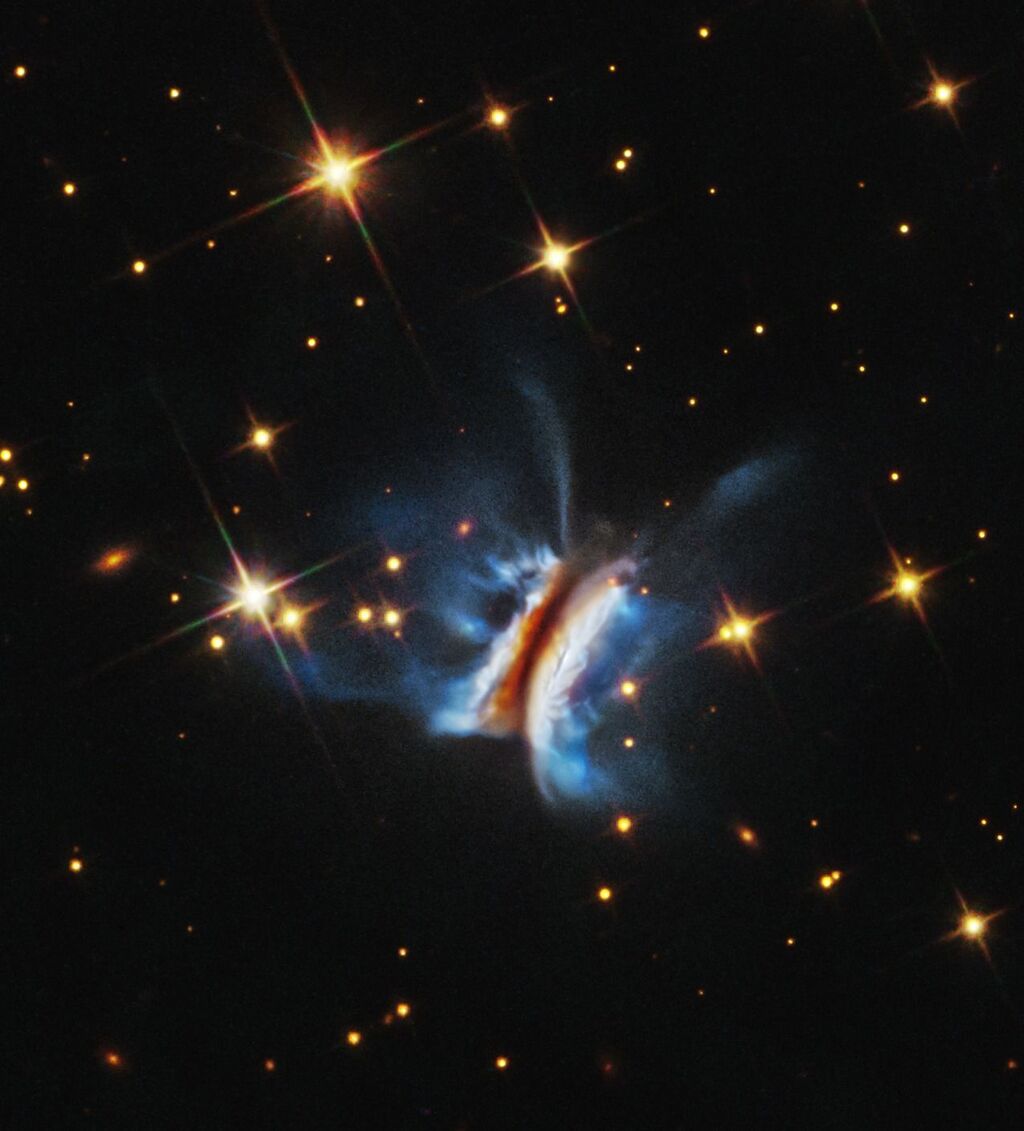
Dracula’s Chivito (IRAS 23077+6707)

This Hubble Space Telescope image shows the largest planet-forming disk ever observed around a young star. It spans nearly 400 billion miles — 40 times the diameter of our solar system. Tilted nearly edge-on as seen from Earth, the dark, dusty disk resembles a hamburger. Hubble reveals it to be unusually chaotic, with bright wisps of material extending far above and below the disk—more than seen in any similar circumstellar disk. Cataloged as IRAS 23077+6707, the system is located approximately 1,000 light-years from Earth. The discovery marks a new milestone for Hubble and offers fresh insight into planet formation in extreme environments across the galaxy.

Credit: ESO, ESA/Gaia/DPAC, M. Vioque et al.

Friday, 26 December 2025

Hints of Planets

How do planetary systems like our own take shape? Data from ESA’s Gaia space telescope is offering a rare look inside the dusty birthplaces of stars and planets.

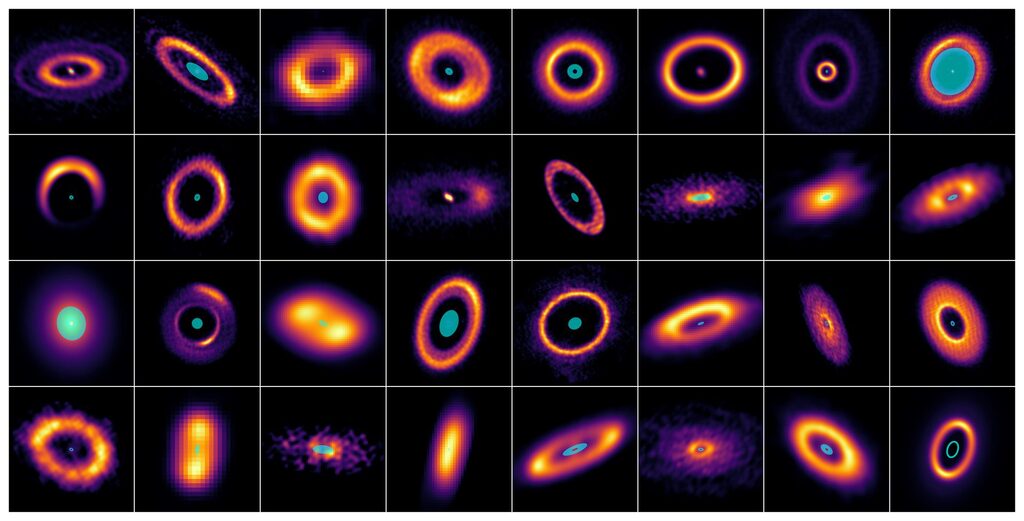
This collage shows 31 young star systems, observed in orange and purple by the Atacama Large Millimeter Array (ALMA). For scale, a model of our Solar System at just one million years old appears at the bottom right, with Jupiter’s orbit shown in cyan.

Each system centers on a newborn star, formed from collapsing clouds of gas and dust flattened into spinning protoplanetary disks. From these disks, planets—and sometimes additional stars—begin to emerge.

Across a larger sample of 98 systems, Gaia detected subtle stellar motions pointing to hidden companions. Seven are consistent with planetary-mass objects, eight with brown dwarfs, and sixteen with additional stars. Gaia’s predicted positions for these companions are marked in cyan, offering new clues to how planetary systems assemble in their earliest stages.

News

Related News

Featured Image
Jun 16, 2026
Planetary Picture of the Day - Week of June 8, 2026
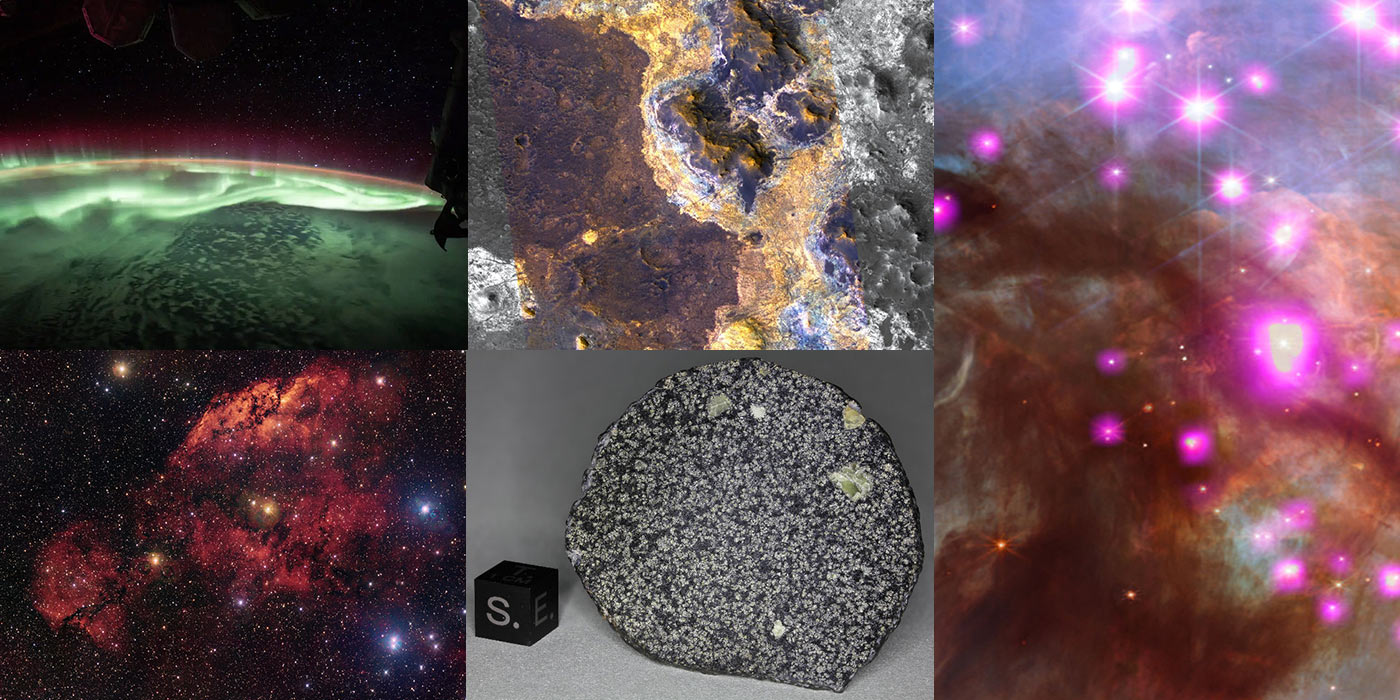
Ancient Martian landscapes, glowing auroras, and stellar nurseries come together in this week’s PPOD collection, highlighting worlds and phenomena shaped by billions of years of cosmic history. From a rare meteorite born in the earliest days of the solar system to colorful nebulae where new stars are forming today, these images offer a remarkable look at both our origins and the ongoing evolution of the universe. #PPOD
Featured Image
Jun 10, 2026
Planetary Picture of the Day - Week of June 1, 2026
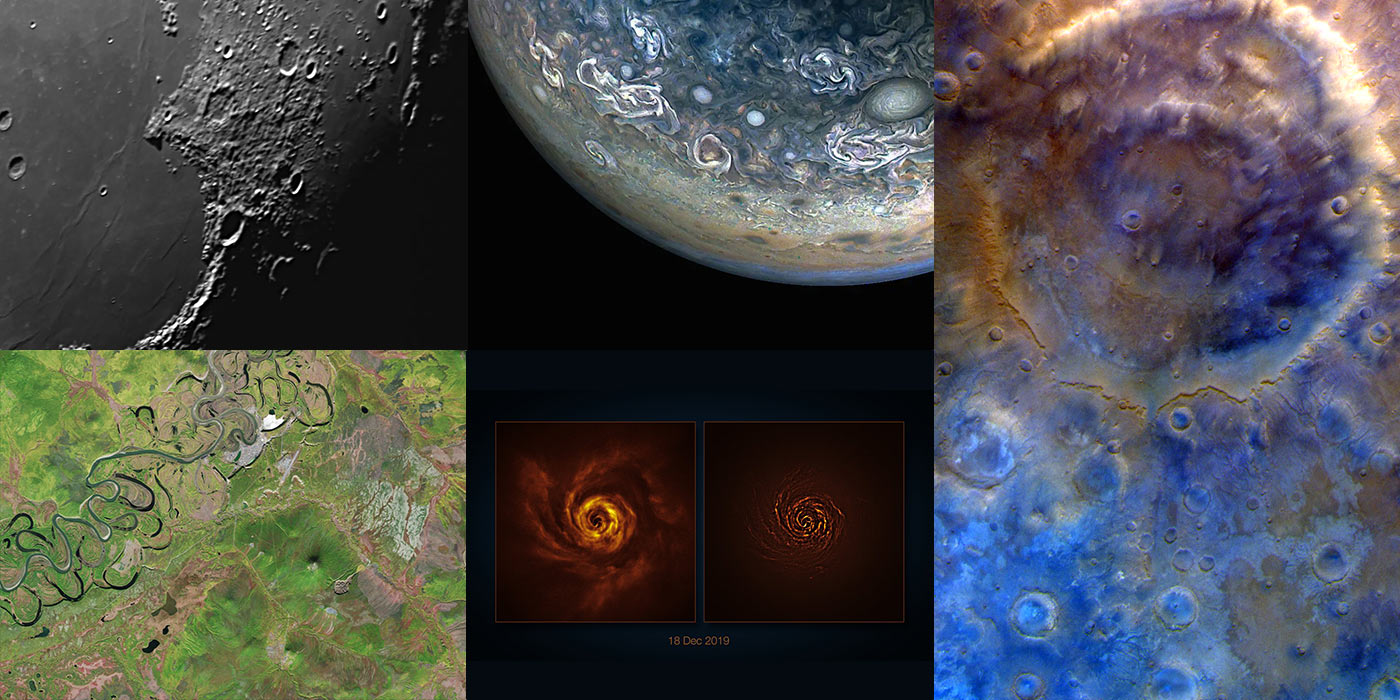
Our solar system contains dynamic worlds near and far, and our cameras capture amazing images of them every day, from a close-up flyby of Mars and the Moon’s beautiful Bay of Rainbows to the swirling storms of Jupiter. We also explore landscapes shaped by change, including Siberia’s expanding Batagaika mega-slump and a young star’s planet-forming disk, offering a glimpse of both Earth’s evolving surface and the processes that build new worlds. #PPOD
Featured Image
Jun 3, 2026
Planetary Picture of the Day - Week of May 25, 2026
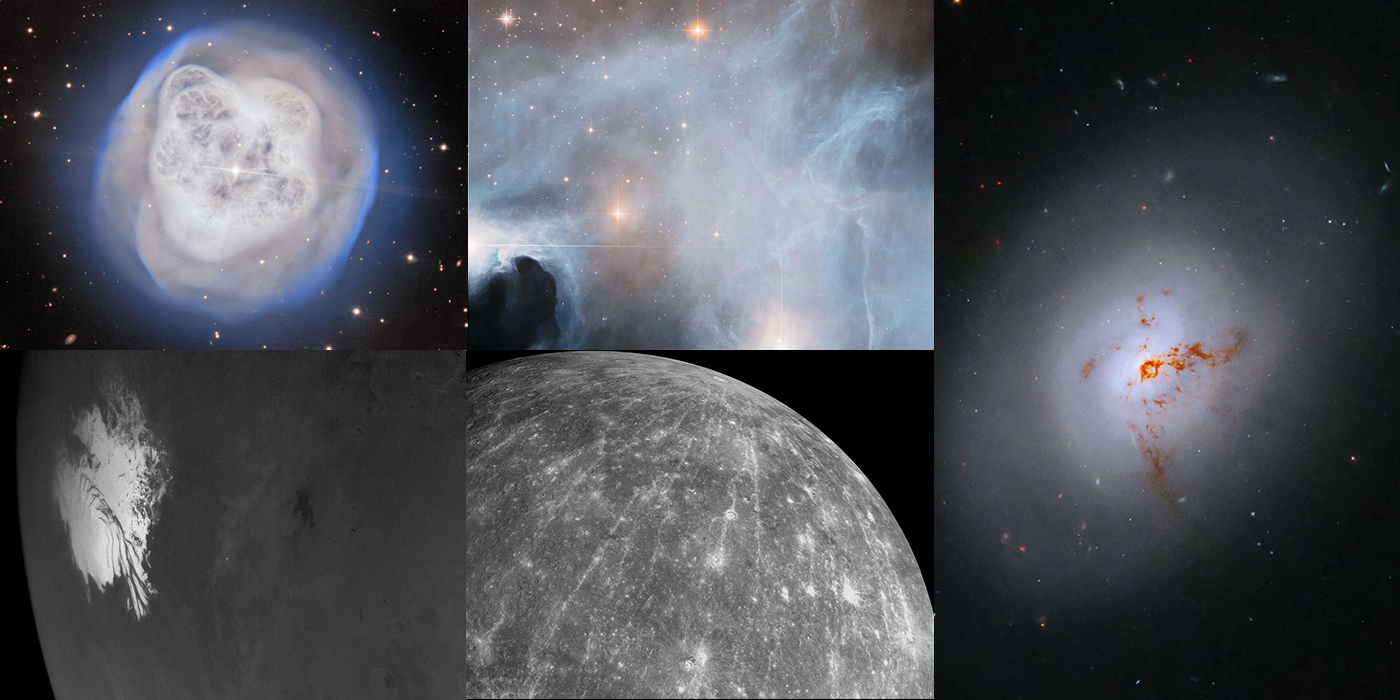
This week's images journeyed from the shimmering Crystal Ball Nebula to the icy south pole of Mars, highlighting beauty and change across our solar system and beyond. The collection also captured stars being born in a ghostly nebula, the dramatic rays of Mercury’s Hokusai Crater, and a distant galaxy caught in transition—offering a striking look at cosmic evolution across space and time. #PPOD
Featured Image
May 27, 2026
Planetary Picture of the Day - Week of May 18, 2026
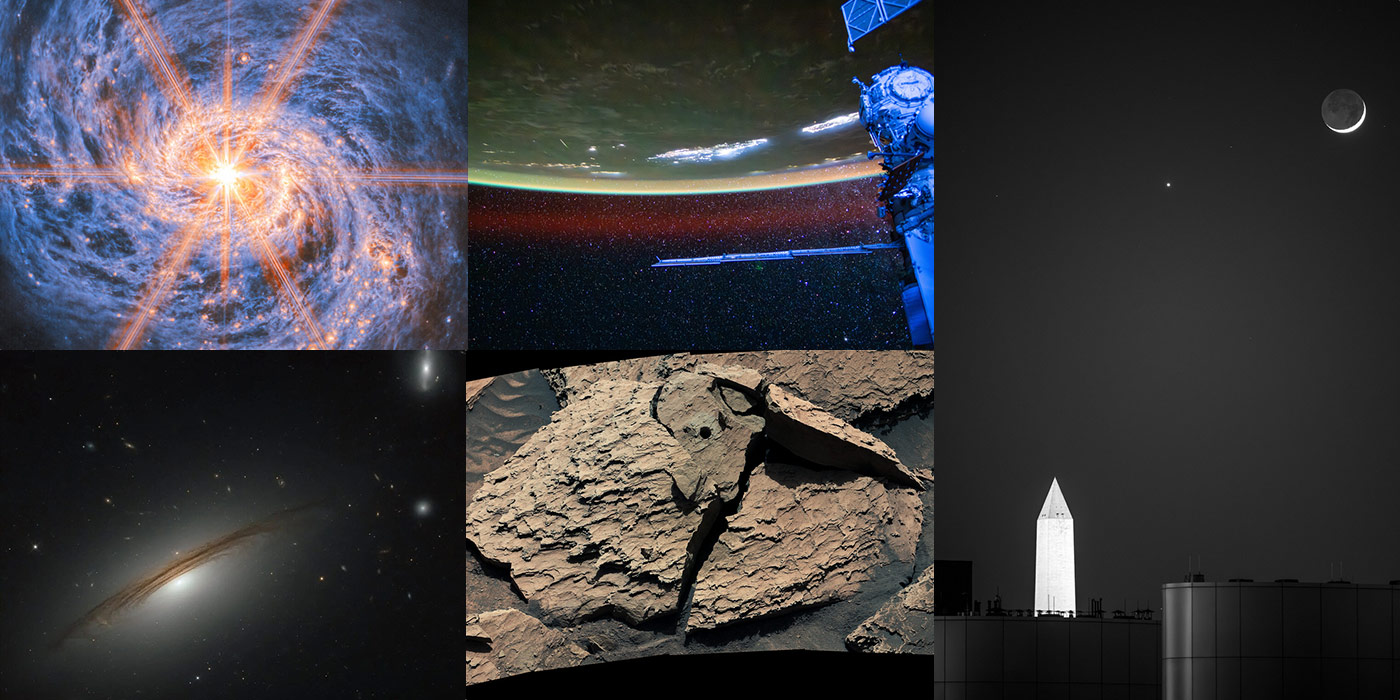
Moments both fleeting and immense—from a Moon–Venus conjunction over Washington, D.C. to a meteor streaking through Earth’s atmosphere as seen from the International Space Station. These images also spanned the cosmic scale, featuring a massive hybrid galaxy, a stubborn rock sampled by the Curiosity rover on Mars, and a stunning mid-infrared view of Messier 77 from JWST. #PPOD
Featured Image
May 21, 2026
Planetary Picture of the Day - Week of May 11, 2026
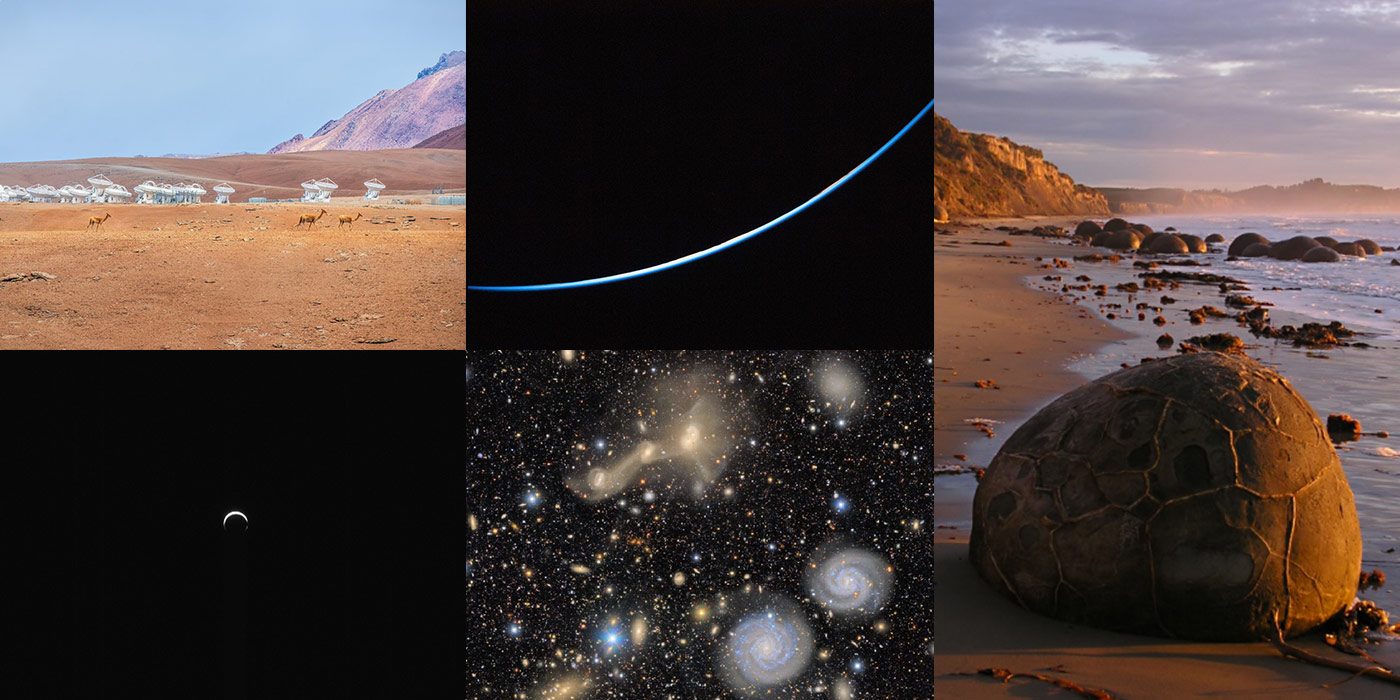
Where the round things are: From spherical boulders and circular radio telescope dishes to the curve of our blue marble, distant Mars, and far-away spiral galaxies, the universe comes back to circles. #PPOD
Featured Image
May 13, 2026
Planetary Picture of the Day - Week of May 04, 2026
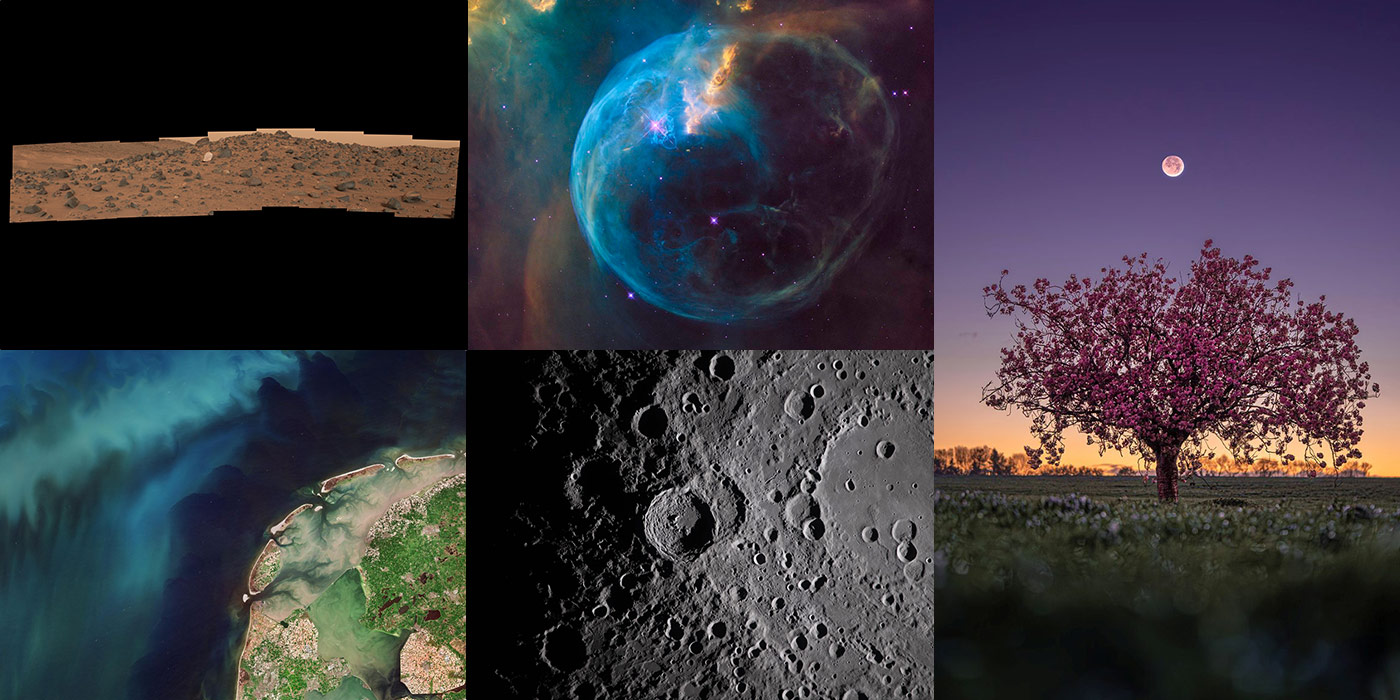
From blooming tulip fields in the Netherlands to the glowing shell of the Bubble Nebula, last week’s PPOD images celebrated color and contrast across Earth, the Moon, and deep space. The collection also highlighted exploration and change—from unusual rocks studied by Perseverance rover on Mars to dramatic lunar shadows captured by Artemis II and the soft glow of May’s Flower Moon. #PPOD
Research

Related Projects

Featured Image
SkyMapper • SETI • Citizen Science • Astronomy
SkyMapper: Expanding Access to Real-time Astronomy Through a Global Astronomical Network
SkyMapper and the SETI Institute are connecting educators, students and the public to live astronomical observations through a distributed astronomical network. #SkyMapper #SETI #Citizen Science #Astronomy
Featured Image
VPL
Virtual Planetary Laboratory
How can we best assess whether an exoplanet supports life? #VPL
Featured Image
Discovery and Futures Lab
What happens if life beyond Earth is discovered? The Discovery and Futures Lab at the SETI Institute fosters novel and anticipatory research at the intersection of science, society, our planet, and the search for life beyond Earth.  #Discovery and Futures Lab
Support Us

Support the
SETI Institute

Scientists are getting closer in their search for life beyond earth. But with limited federal funding for the search for extraterrestrial intelligence, supporters are the reason cutting-edge scientists can keep their eyes on the sky.