)

Author: Rebecca McDonald
Friday, Oct 18, 2019

Sunset in Antofagasta. Image by Rebecca McDonald.
Recent headlines suggested that we may discover life on Mars soon. We don’t know whether or not that will happen, but the search is on. In 2020, there will be two landmark missions to Mars: NASA’s Mars 2020 and ESA’s ExoMars. Both efforts will search for signs of present or past life on Mars. Other missions to search for evidence of extraterrestrial life are in various stages of planning. Dragonfly is a large robotic motorcraft that will be deployed on Titan (Saturn's largest moon). Dragonfly will study prebiotic chemistry and extraterrestrial habitability. NASA’s Europa Clipper and ESA’s Jupiter Icy Moons Explorer will investigate the potential habitability of Jupiter’s moons Europa, Callisto, and Ganymede
Space missions are expensive, take many years to develop, and are risky. How do the people who design these missions know what to do and how to do it? Where should they look? How do they identify not only which planet or moon to explore, but exactly where on that planet or moon should they survey from orbit and the ground? What kind of geology should they target? What chemicals or minerals might indicate the possibility of life? What tools do they need to find these so-called biosignatures? What exploration strategies will be most successful and what operational templates will be most efficient? Can AI help?
This month, Dr. Nathalie A. Cabrol, Director of the Carl Sagan Center at the SETI Institute, is leading a team of scientists, engineers, roboticists, and students into remote areas of Chile. Their mission is to find out what we can learn about life and habitability in extreme terrestrial environments and how this knowledge can be applied to the search for life beyond Earth. The NASA Astrobiology Institute is supporting the expedition, which will help prepare missions such as Mars 2020 and ExoMars in their search for biosignatures. The team will examine microbial habitats in arid locations, at high altitude, and in extremely elevated levels of ultraviolet radiation. Part of what they want to learn is whether they can identify patterns that could help mission teams to detect "stealth" microbial life. There are patterns to habitability and life habitats and they happen to be fractal in nature (repeatable at various scales). However, pattern identification is more challenging when surface conditions are harsh and resources for life scarce. If such patterns exist for extremophiles (microbial life living in extreme environments), then learning what they are could help us develop and train detection algorithms for AI technologies. This would enable AI to help identify areas where the probability of finding past or present evidence of life could be higher than in others. Understanding what geological, mineralogical, and physicochemical conditions are required for microhabitats and life is, however, only half the question. The team also wants to learn how life impacts and transforms the environment around it, which could provide additional clues for exploring other planets. New instruments, tools, and methods to advance the search of life beyond Earth will also be tested.
The team will return to several areas from past expeditions to confirm hypotheses formed on previous visits. Additionally, they will collect new data and develop ideas for possible future research in support of the search for life. To achieve their science objectives, they will go to locations that are analog to potential ancient Martian habitats for microbial life. These include ancient dry lake beds (such as Salar de Pajonales and Laguna Lejía), hydrothermal systems (such as El Tatio), and microbial habitats exposed to a high UV environment (such as the summit lake of the Simba Volcano). These sites are all at high altitudes, ranging from about 3,554 meters up to 5,940 meters. Studying the habitats and microbial life in these locations is similar to going back in time on Mars about 3.9 to 3.5 billion years ago, when the planet experienced a critical environmental transition and lost its atmosphere and became arid and hostile at the surface.
The team began to gather in Antofagasta, Chile, on October 15, and the expedition will continue until November 7. More team members will be joining the journey later, and some are still traveling. So far, the group includes:
- Nathalie Cabrol, Director of the Carl Sagan Center at the SETI Institute and team leader
- Kimberly Warren-Rhodes, an astrobiologist, and ecologist at the SETI Institute
- Kevin Rhodes, Coastal Fisheries Coordinator, MarAlliance
- Evan Eshelman, Senior Research Scientist, Impossible Sensing
- Nancy Hinman, Professor of Geosciences, University of Montana
- Claire Mondro, PhD candidate, planetary geoscience, University of Tennessee
- Jeff Moersch, Professor in the Department of Earth and Planetary Sciences and Director of the Planetary Geoscience Institute at the University of Tennessee, Knoxville
- Michael Phillips, PhD candidate, planetary geoscience, University of Tennessee
- Michael McInenly, MS candidate - shallow sub-surface geophysics - University of Montana
- Cinthya Jafet Tebes Cayo, PhD candidate in science with a mention in geology, biochemist, Universidad Católica del Norte, Antofagasta, Chile
The expedition team is highly experienced. Some members have been conducting research in Chile for up to 17 years. As they begin to lay out their work plans, they are well-prepared to address their first challenge. The shipment of science equipment has been delayed, which means everyone must adapt their strategies and adjust their schedules to ensure they will be able to accomplish as much as possible as soon as the team arrives at the first site. As a result, the extra time in Antofagasta is being used to fine-tune the last logistical details and develop a step-by-step activity plan for the various groups for once the team arrives in the field. Preparation includes identifying drill sequences, reconnaissance for microbial sampling, and flight planning. The team’s plan is, as of today, to leave Antofagasta and head for the Atacama and Altiplano tomorrow. Hopefully, the shipment won’t be too far behind – but everybody has enough in their personal equipment to get started so... stay tuned!
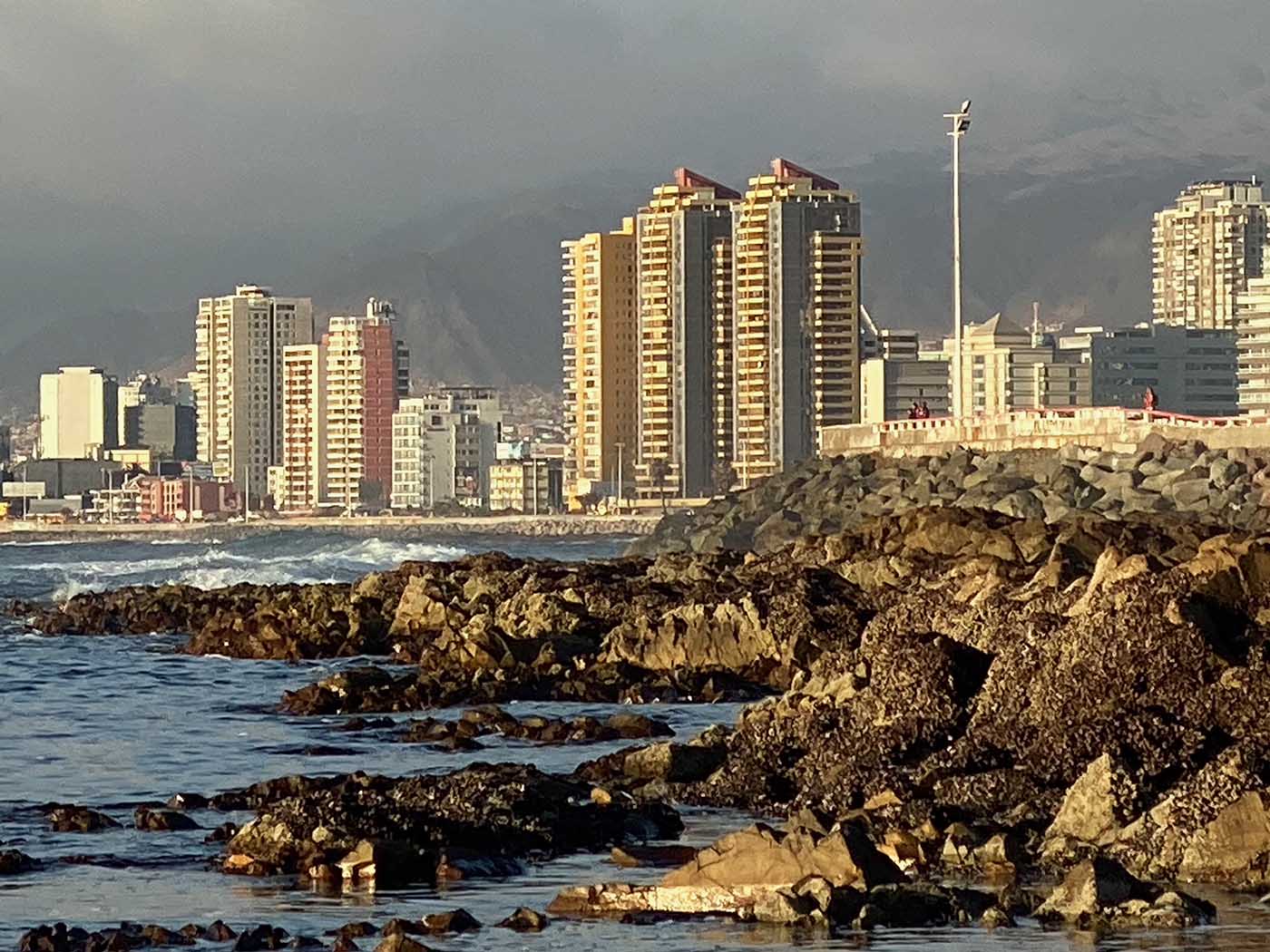
The shoreline in Antofagasta.
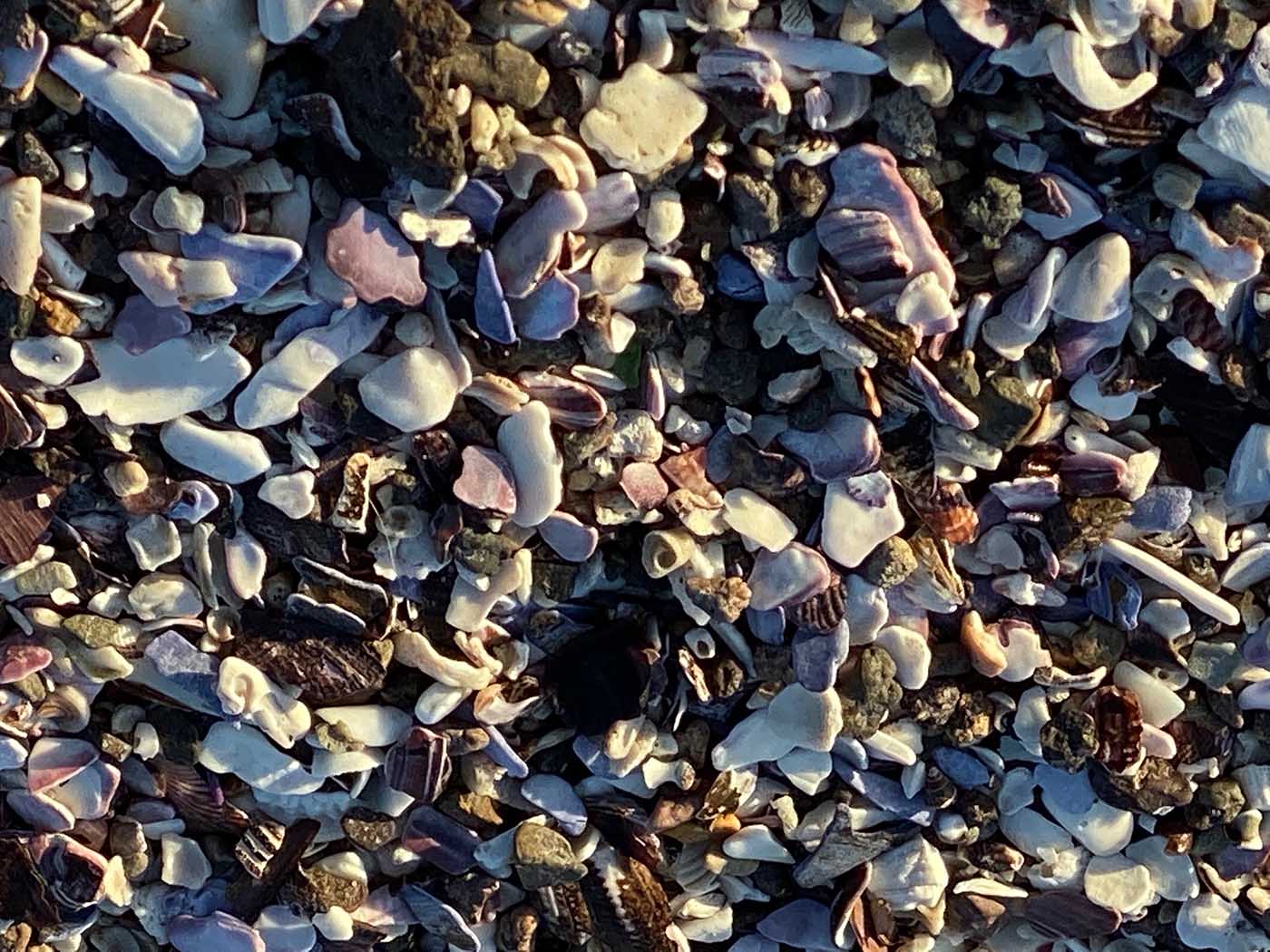
Signs of past life at the beach in Antofagasta.
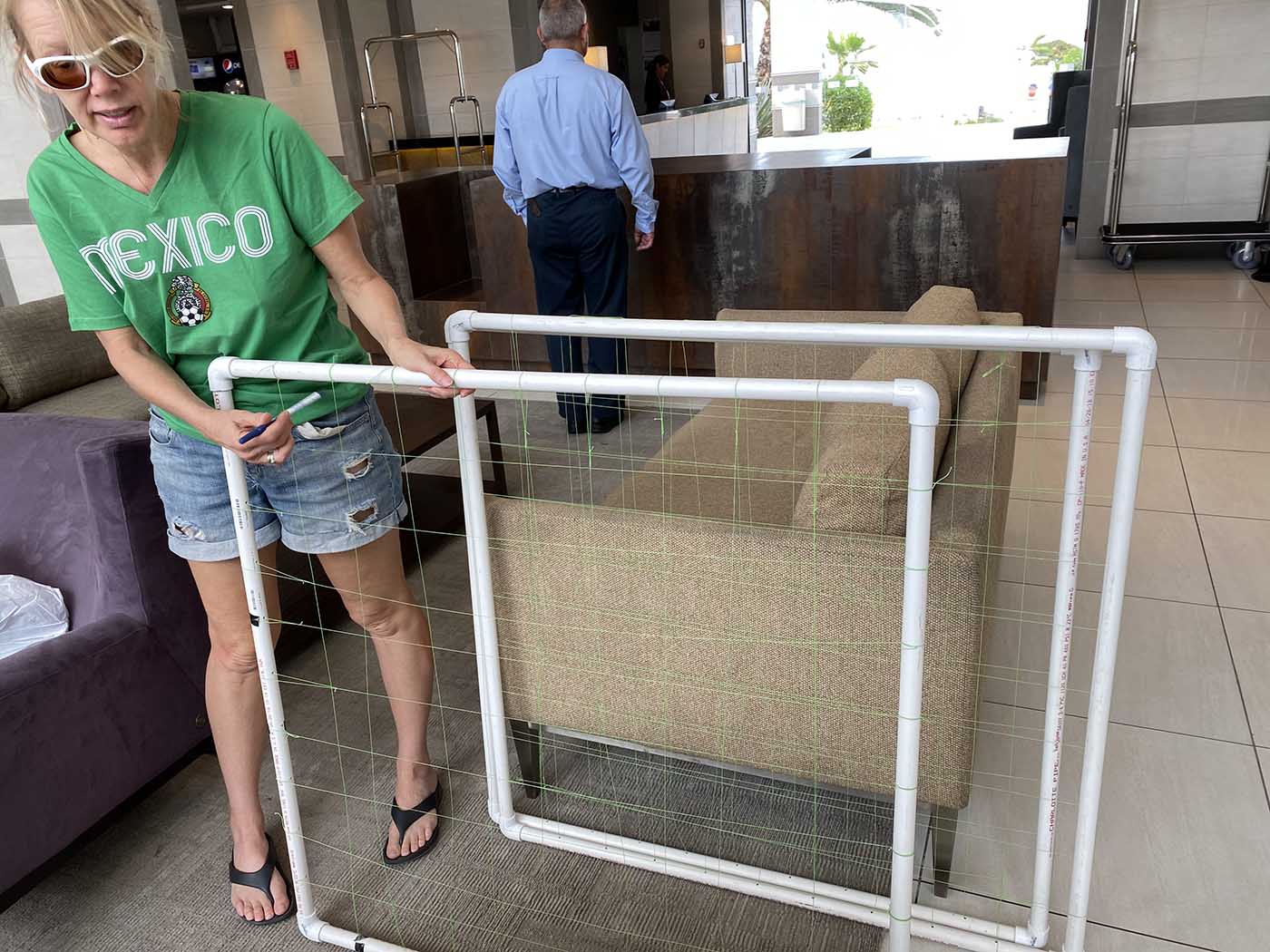
Kimberly Warren-Rhodes
Explains how she will mark habitat grids in Salar de Pajonales for drone imaging.
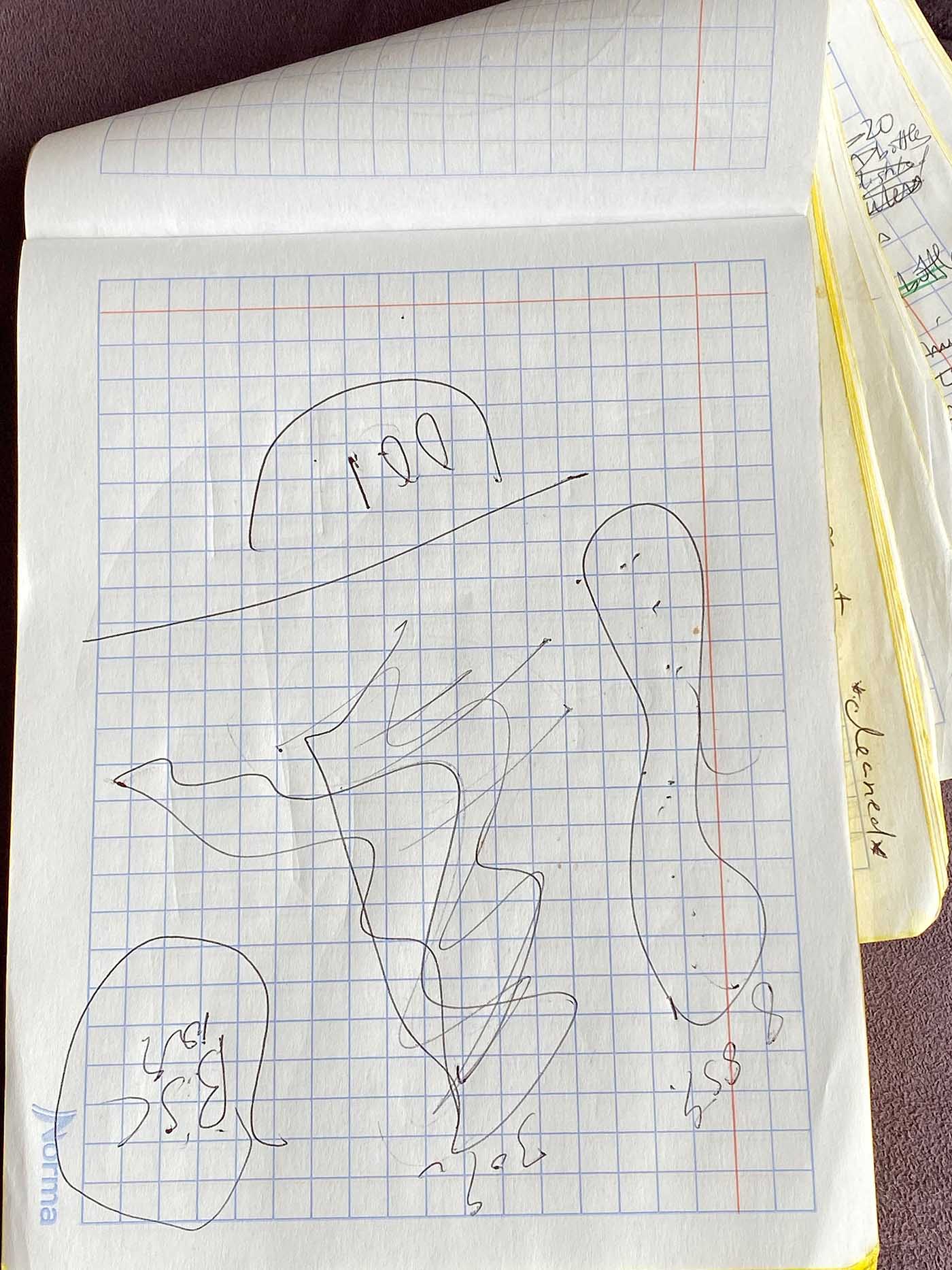
A rough diagram of sample domes, ridges, and aeolian cover in Salar de Pajonales.
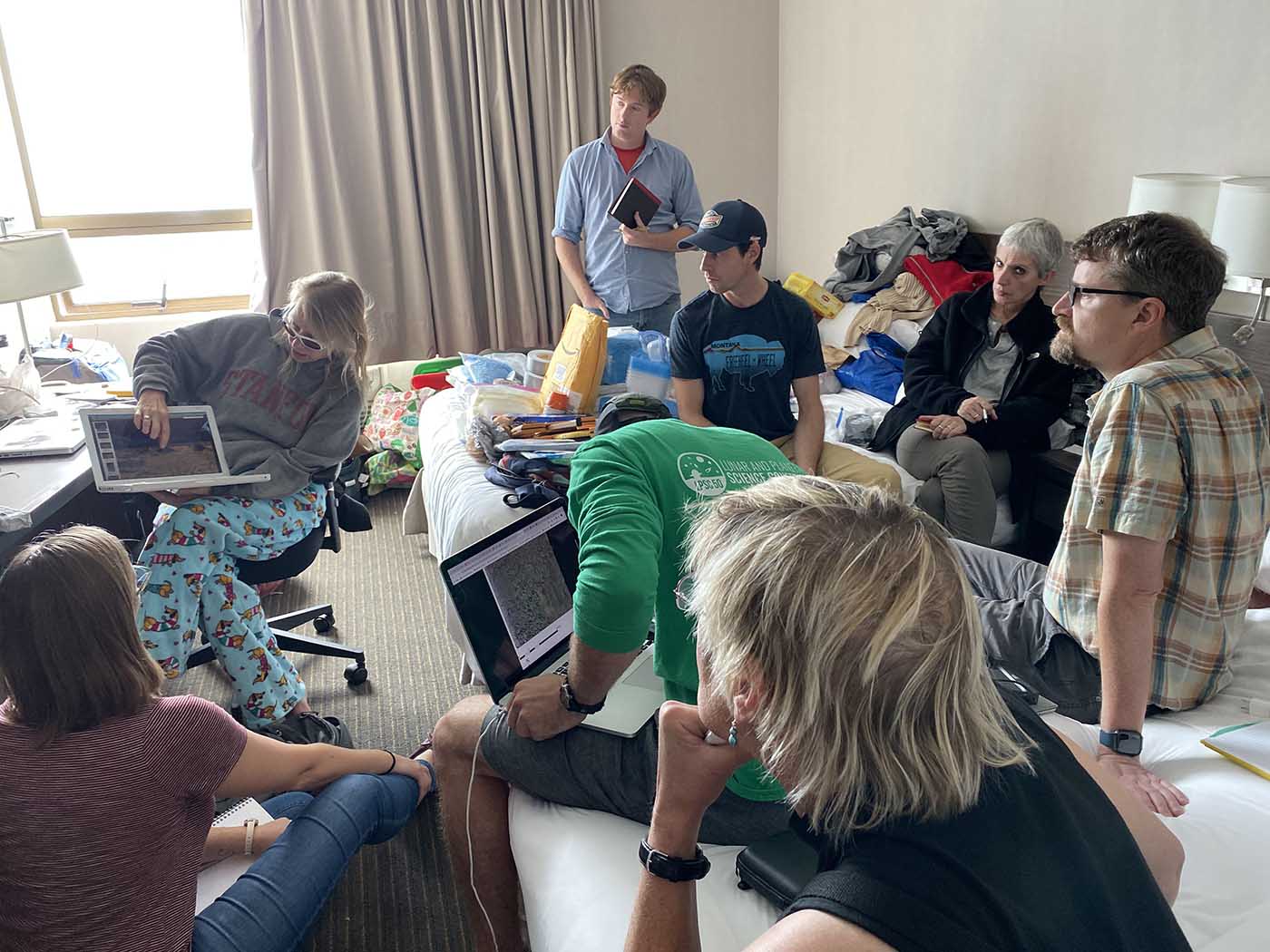
Making drone flight plans.
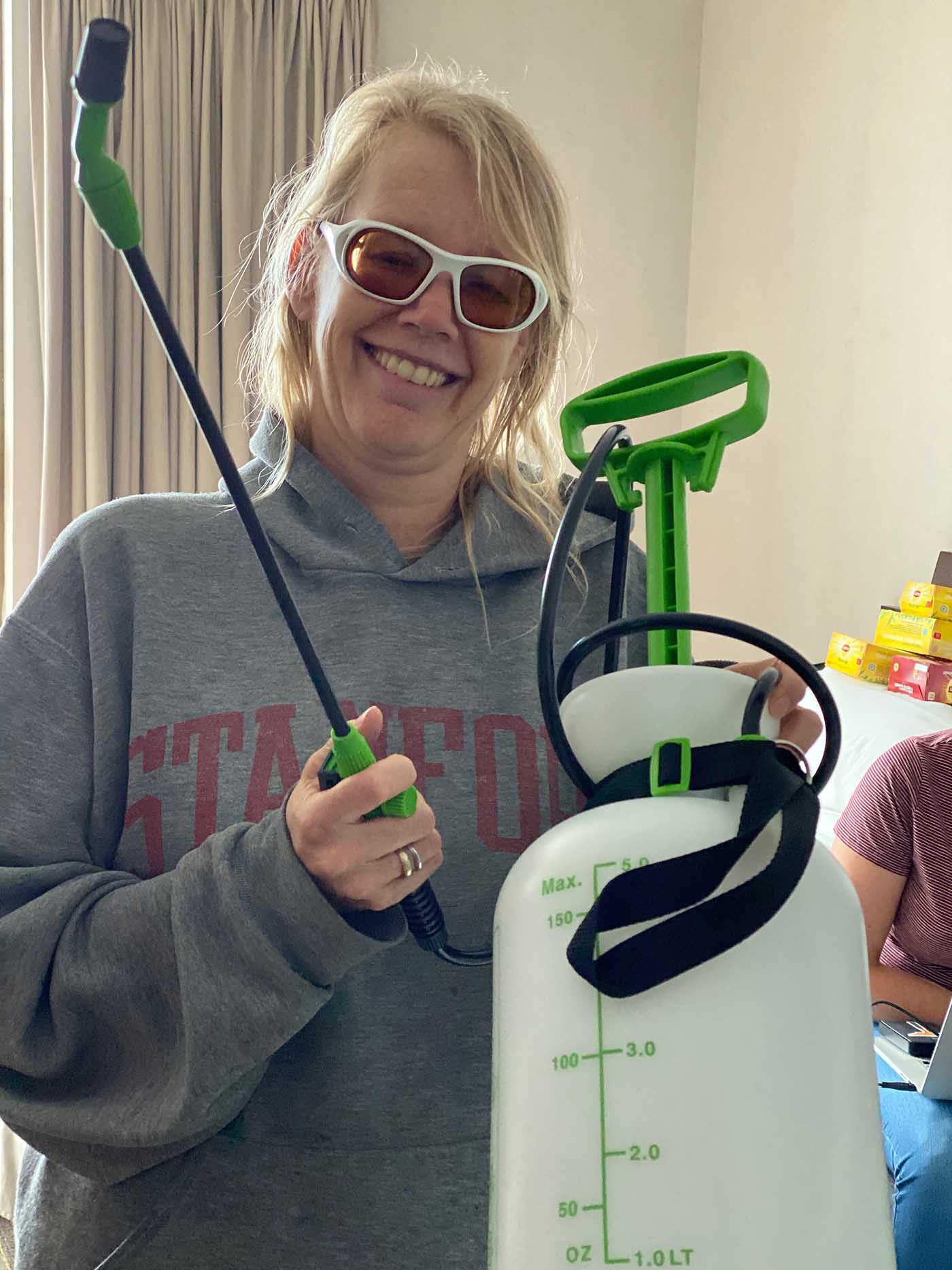
Kimberly Warren-Rhodes shows the team the sprayer she found to use for "wetting experiments" in colonized sites in Salar de Pajonales.







News
Related News

Jun 1, 2026
SETI Institute Awards $1 Million in STRIDE Grants to Advance Astrobiology, Exoplanet Science, and Public Engagement
#Press Releases #STRIDE #Research #Carl Sagan Center #Spectroscopy #Solar System #SETI #Climate and Bioscience #Astronomy #Astrobiology #Exoplanets #Data Science #Education #Outreach #Hat Creek Radio Observatory #Unistellar #SkyMapper
May 13, 2026
SETI Institute to Honor Dr. Matthew Tiscareno with 2026 Carl Sagan Center Director’s Award
The Drake Awards event will also recognize SETI Forward and SETI Institute REU student award recipients. #Press Releases #Drake Awards #Frank Drake #SETI #Awards #Planetary Astronomy #Astrobiology #SETI Forward #Education #Carl Sagan Center #Matthew Tiscareno #Nathalie Cabrol #REU
May 7, 2026
SETI Institute In the News: April Roundup 2026
#SETI Institute in the News #SETI Institute #Community #SETI #Discovery and Futures Lab #Lucian Walkowicz #Chelsea Haramia #NASA Missions and Observatories #Pascal Lee #Mars #Janice Bishop #Mark Showalter #JWST #Uranus #Bill Diamond #UAPs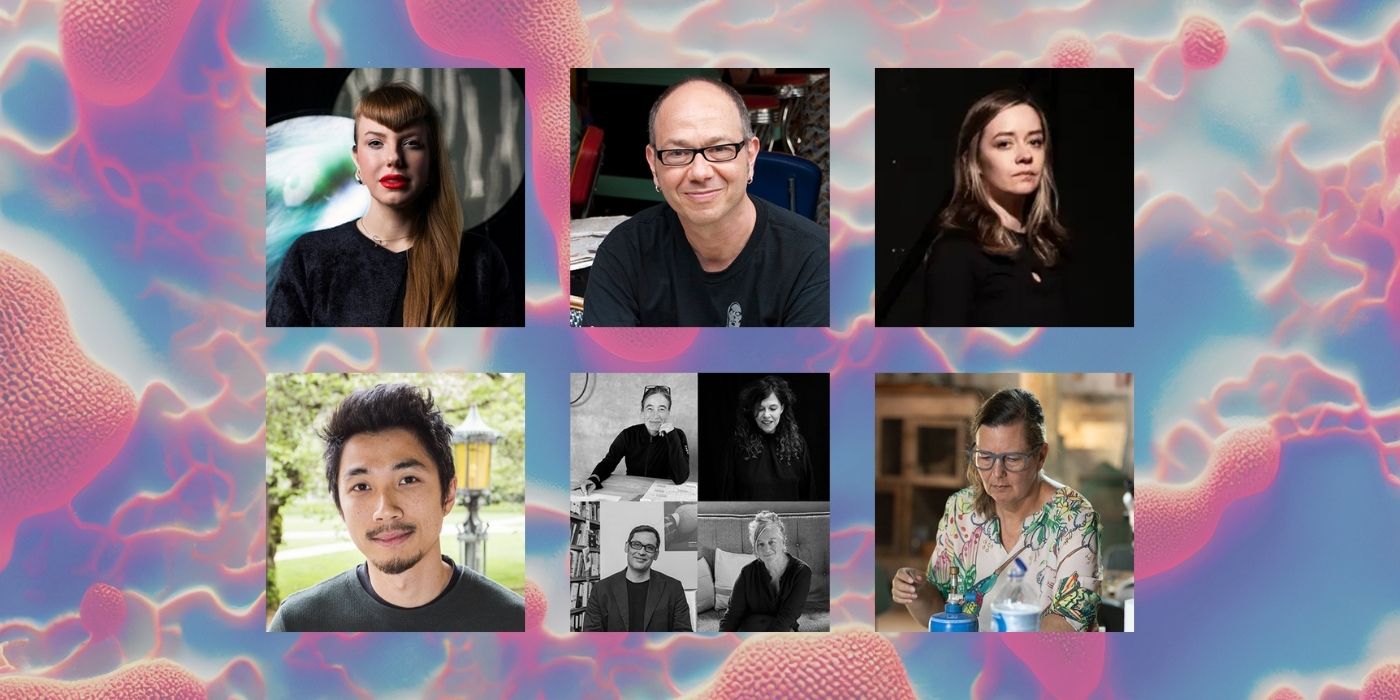
May 4, 2026
SETI Institute Announces Nominees for the Speculative Life BioArt Residency
Six international artists shortlisted for a new residency at the intersection of art, astrobiology, and biotechnology #AIR #SETI Institute #Speculative Life #Astrobiology #Danielle Siembieda #Nathalie Cabrol
Apr 27, 2026
Rethinking Organics on Mars
By Nathalie A. Cabrol, Director of the Carl Sagan Center for Research, SETI Institute #Mars #Astrobiology #Solar System #Curiosity Rover #NASA Missions and Observatories #Nathalie Cabrol
Apr 21, 2026
SETI Institute Launches Discovery and Futures Lab to Explore the Human Dimensions of Life Beyond Earth
New initiative bridges science, society, and the future of discovery in astrobiology and SETI #Press Releases #Discovery and Futures Lab #Lucian Walkowicz #Chelsea Haramia #Carl Sagan Center #Nathalie Cabrol #Simon Steel #Bill Diamond #Astrobiology #SETI
Jun 1, 2026
#Press Releases
#STRIDE
#Research
#Carl Sagan Center
#Spectroscopy
#Solar System
#SETI
#Climate and Bioscience
#Astronomy
#Astrobiology
#Exoplanets
#Data Science
#Education
#Outreach
#Hat Creek Radio Observatory
#Unistellar
#SkyMapper
May 13, 2026
SETI Institute to Honor Dr. Matthew Tiscareno with 2026 Carl Sagan Center Director’s Award
The Drake Awards event will also recognize SETI Forward and SETI Institute REU student award recipients.
#Press Releases
#Drake Awards
#Frank Drake
#SETI
#Awards
#Planetary Astronomy
#Astrobiology
#SETI Forward
#Education
#Carl Sagan Center
#Matthew Tiscareno
#Nathalie Cabrol
#REU
May 7, 2026
#SETI Institute in the News
#SETI Institute
#Community
#SETI
#Discovery and Futures Lab
#Lucian Walkowicz
#Chelsea Haramia
#NASA Missions and Observatories
#Pascal Lee
#Mars
#Janice Bishop
#Mark Showalter
#JWST
#Uranus
#Bill Diamond
#UAPs
SETI Institute In the News: April Roundup 2026
May 4, 2026
SETI Institute Announces Nominees for the Speculative Life BioArt Residency
Six international artists shortlisted for a new residency at the intersection of art, astrobiology, and biotechnology
#AIR
#SETI Institute
#Speculative Life
#Astrobiology
#Danielle Siembieda
#Nathalie Cabrol
Apr 27, 2026
Rethinking Organics on Mars
By Nathalie A. Cabrol, Director of the Carl Sagan Center for Research, SETI Institute
#Mars
#Astrobiology
#Solar System
#Curiosity Rover
#NASA Missions and Observatories
#Nathalie Cabrol
Apr 21, 2026
SETI Institute Launches Discovery and Futures Lab to Explore the Human Dimensions of Life Beyond Earth
New initiative bridges science, society, and the future of discovery in astrobiology and SETI
#Press Releases
#Discovery and Futures Lab
#Lucian Walkowicz
#Chelsea Haramia
#Carl Sagan Center
#Nathalie Cabrol
#Simon Steel
#Bill Diamond
#Astrobiology
#SETI
Research
Related Projects

SkyMapper • SETI • Citizen Science • Astronomy
SkyMapper: Expanding Access to Real-time Astronomy Through a Global Astronomical Network
SkyMapper and the SETI Institute are connecting educators, students and the public to live astronomical observations through a distributed astronomical network. #SkyMapper #SETI #Citizen Science #Astronomy
VPL
Virtual Planetary Laboratory
How can we best assess whether an exoplanet supports life? #VPL
Discovery and Futures Lab
Discovery and Futures Lab
What happens if life beyond Earth is discovered? The Discovery and Futures Lab at the SETI Institute fosters novel and anticipatory research at the intersection of science, society, our planet, and the search for life beyond Earth. #Discovery and Futures Lab
May 17, 2026
SkyMapper: Expanding Access to Real-time Astronomy Through a Global Astronomical Network
SkyMapper and the SETI Institute are connecting educators, students and the public to live astronomical observations through a distributed astronomical network.
#SkyMapper
#SETI
#Citizen Science
#Astronomy
May 5, 2026
Virtual Planetary Laboratory
How can we best assess whether an exoplanet supports life?
#VPL
Apr 16, 2026
Discovery and Futures Lab
What happens if life beyond Earth is discovered? The Discovery and Futures Lab at the SETI Institute fosters novel and anticipatory research at the intersection of science, society, our planet, and the search for life beyond Earth.
#Discovery and Futures Lab
Support Us
Support the
SETI Institute
Scientists are getting closer in their search for life beyond earth. But with limited federal funding for the search for extraterrestrial intelligence, supporters are the reason cutting-edge scientists can keep their eyes on the sky.
