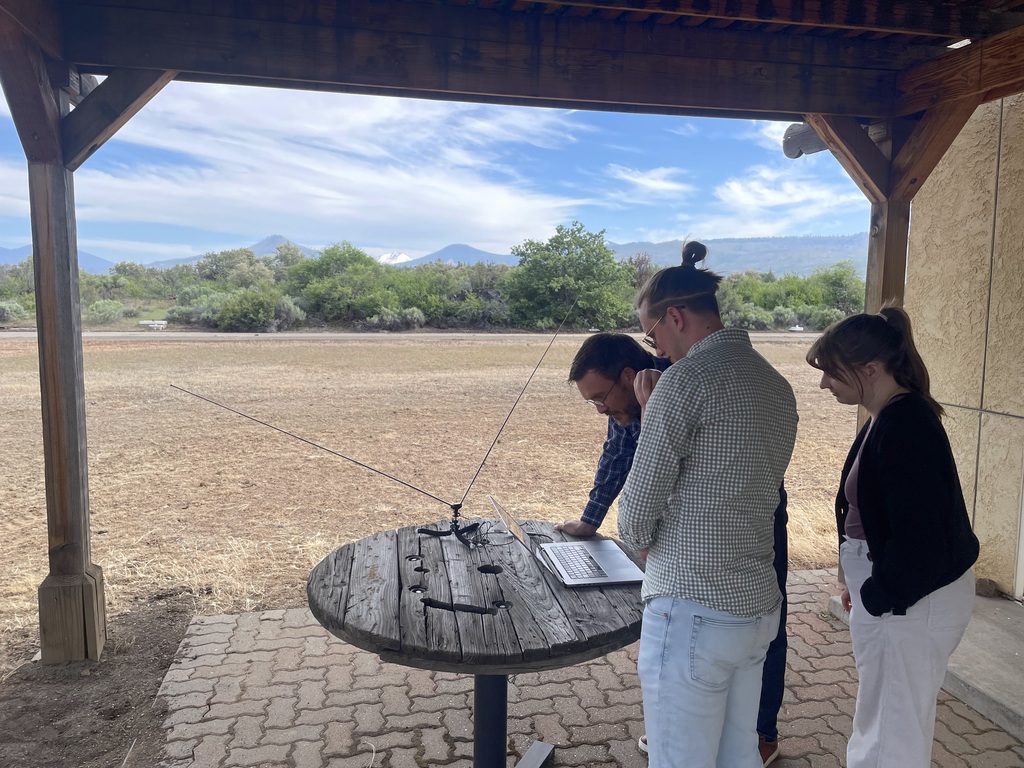
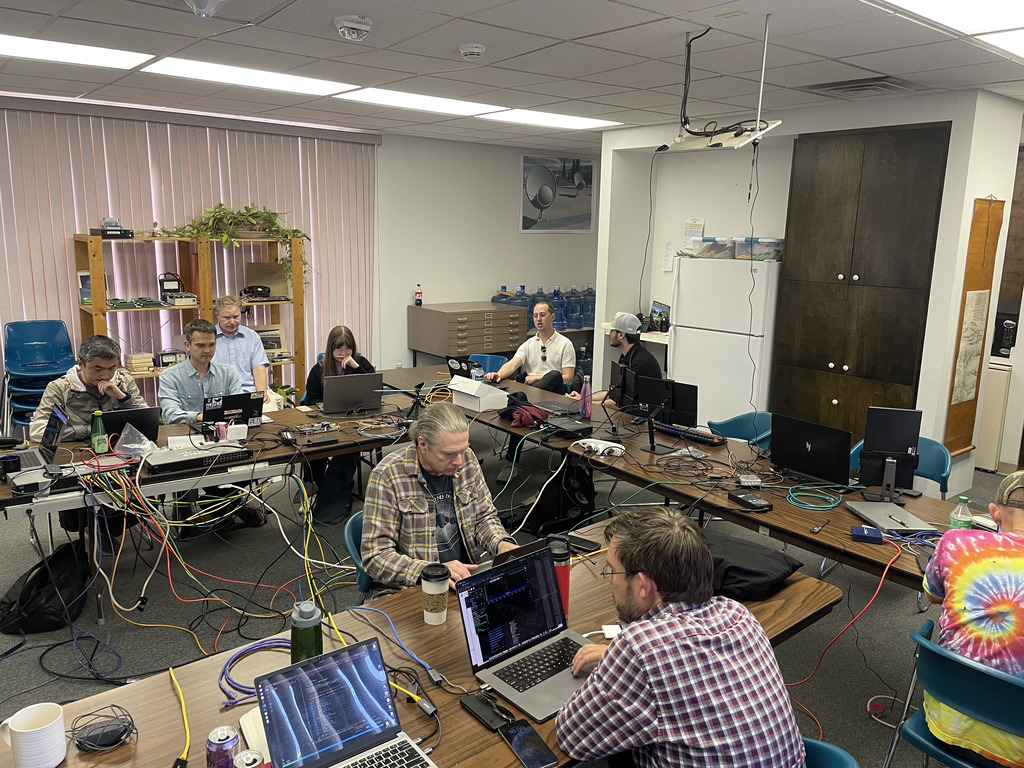
Image Credit: Wael Farah.
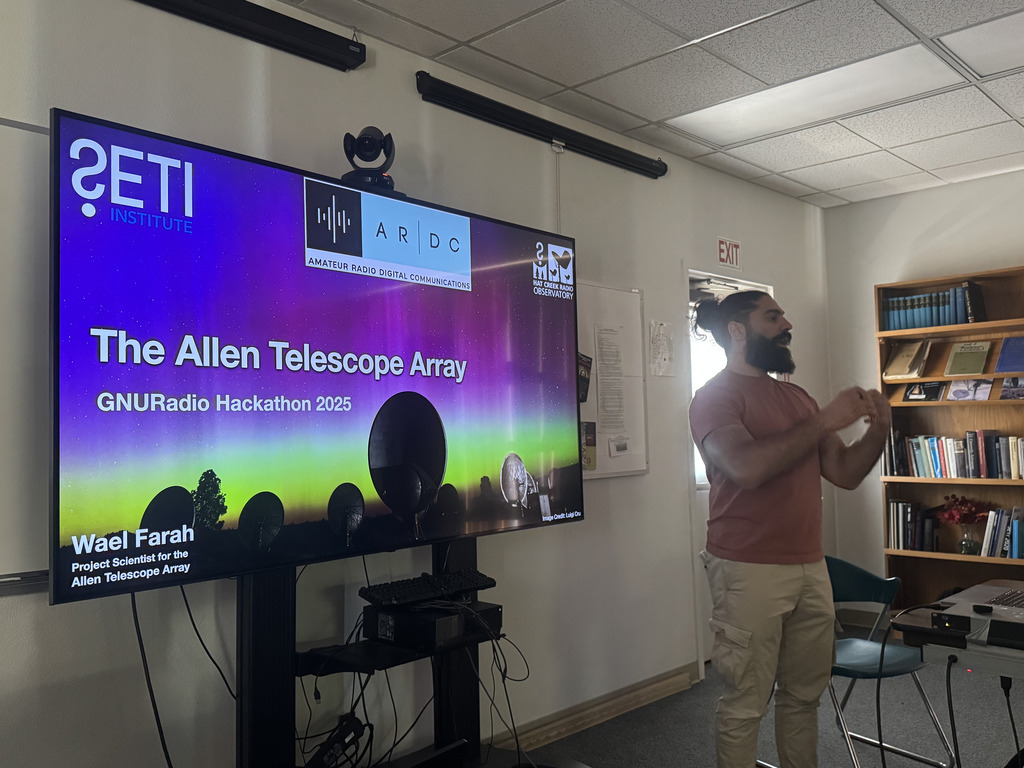
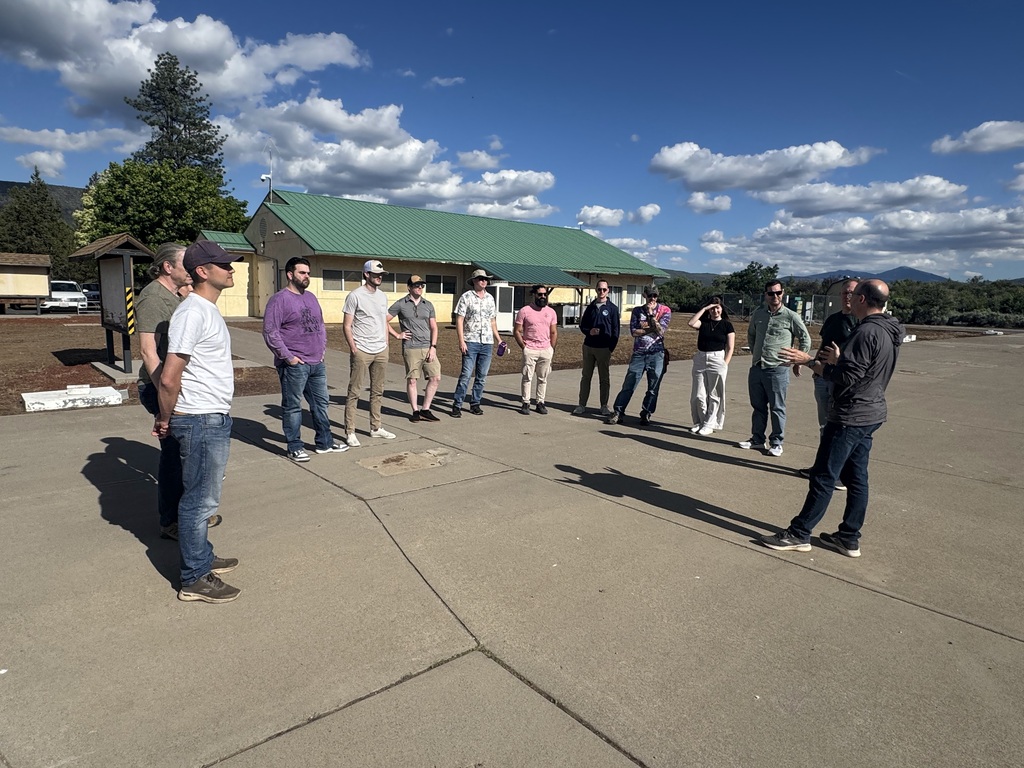
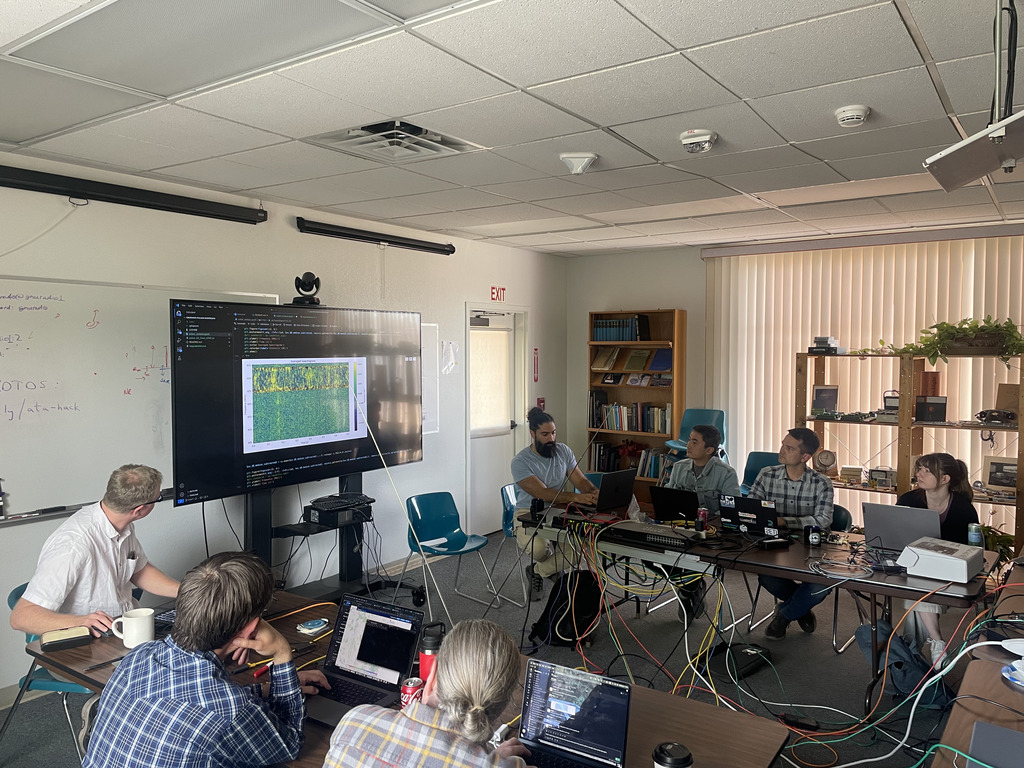
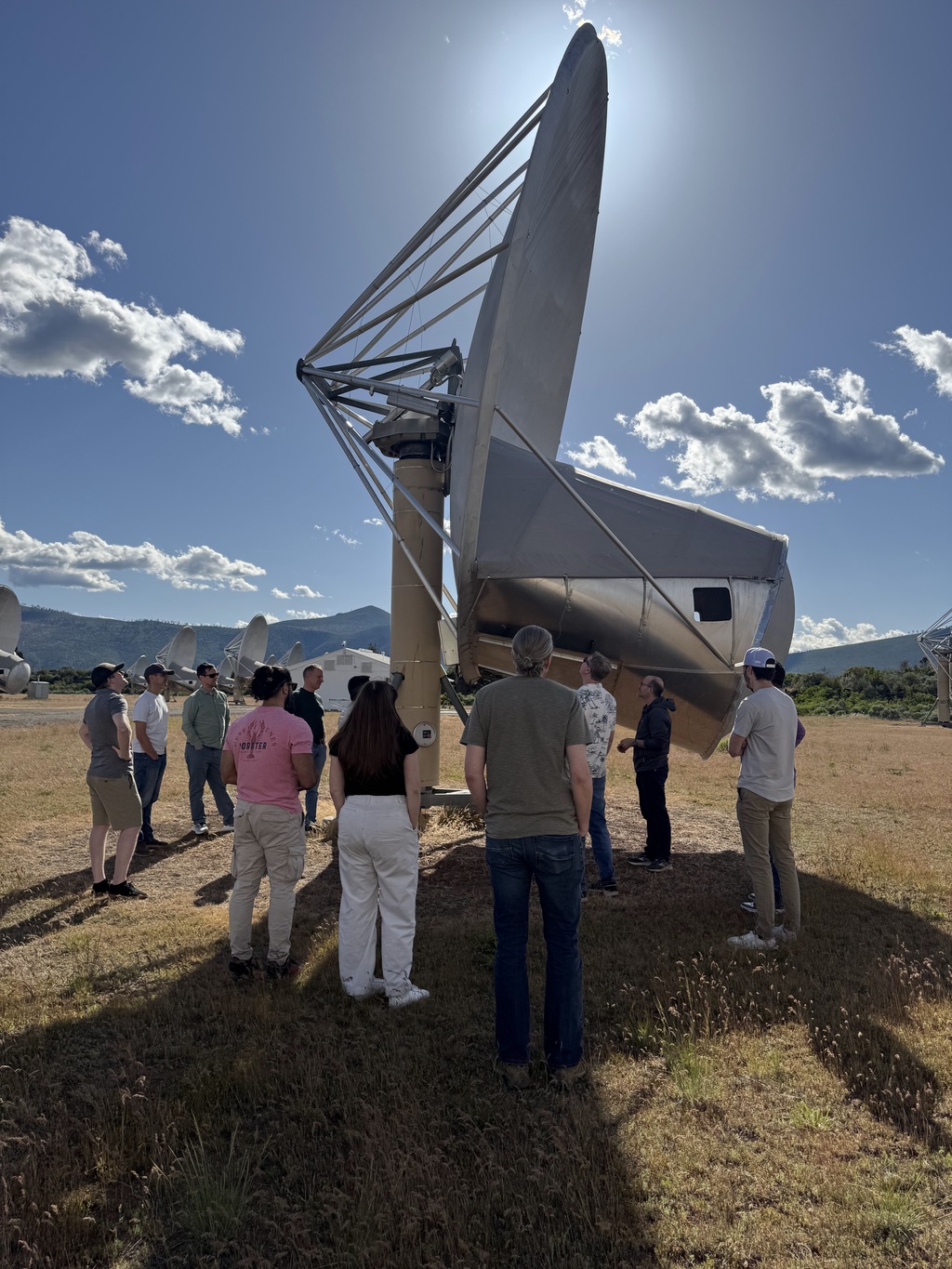
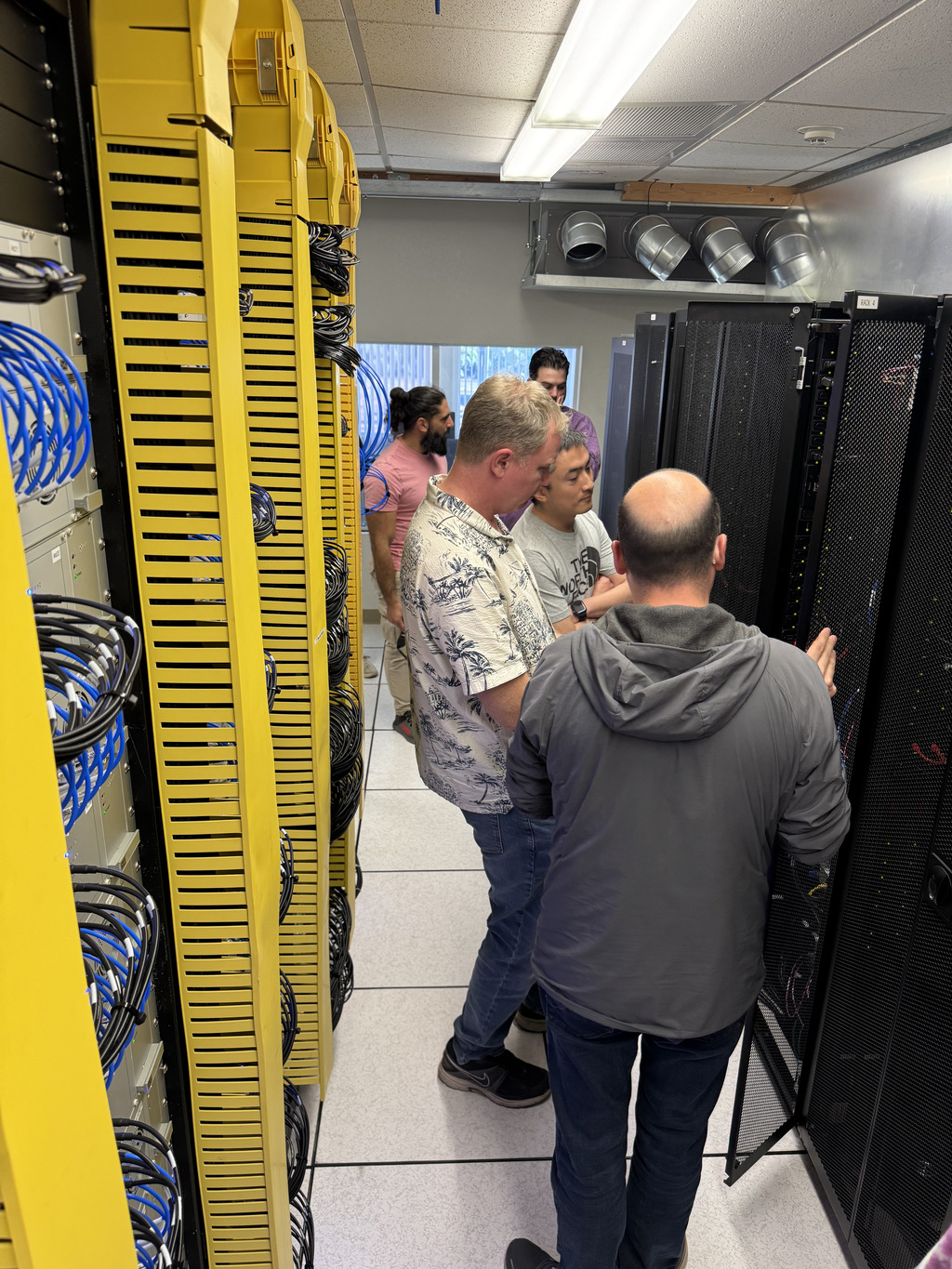
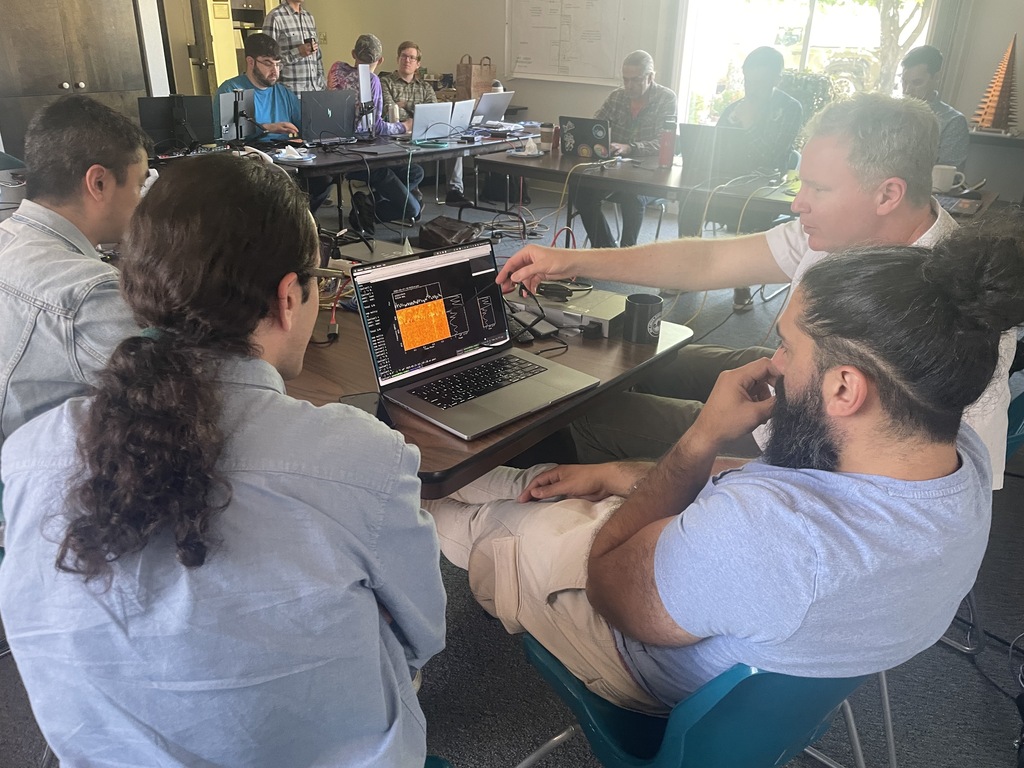
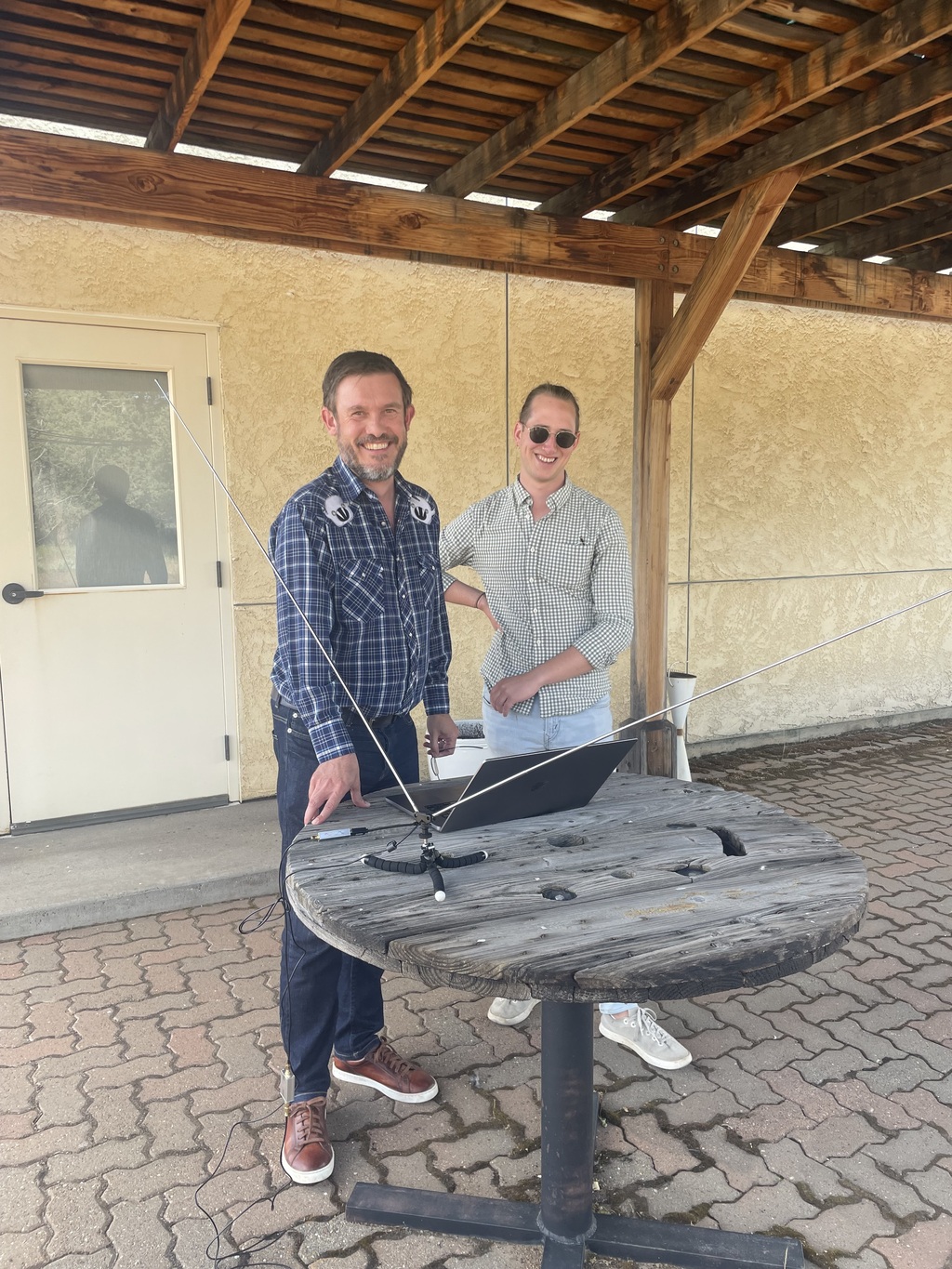
The SETI Institute's Allen Telescope Array (ATA) recently played host to 16 scientists, engineers, and technologists who gathered for a three-day "hackathon" to develop novel capabilities for the observatory. Sponsored by the Amateur Radio Digital Communications charitable foundation, in collaboration with the SETI Institute, the Breakthrough Listen Initiative, and GNU Radio, the hackathon drew participants from across the United States and around the world who were interested in using the ATA for SETI and radio astronomy, observations of Earth-orbiting satellites, and education, among other topics.
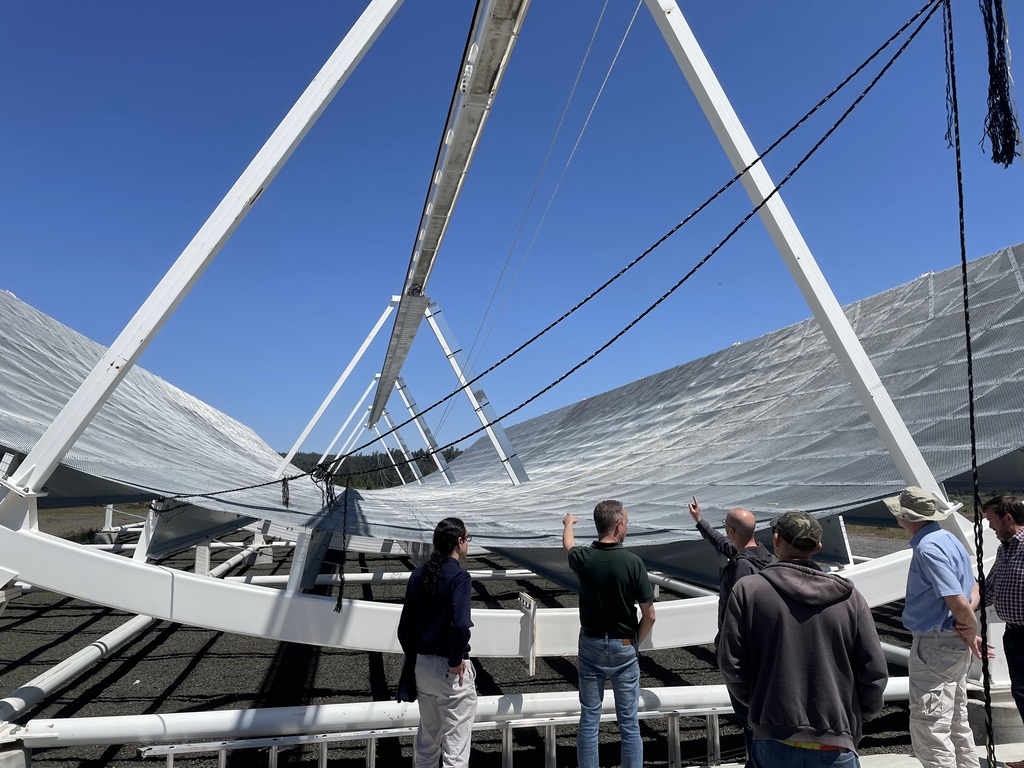
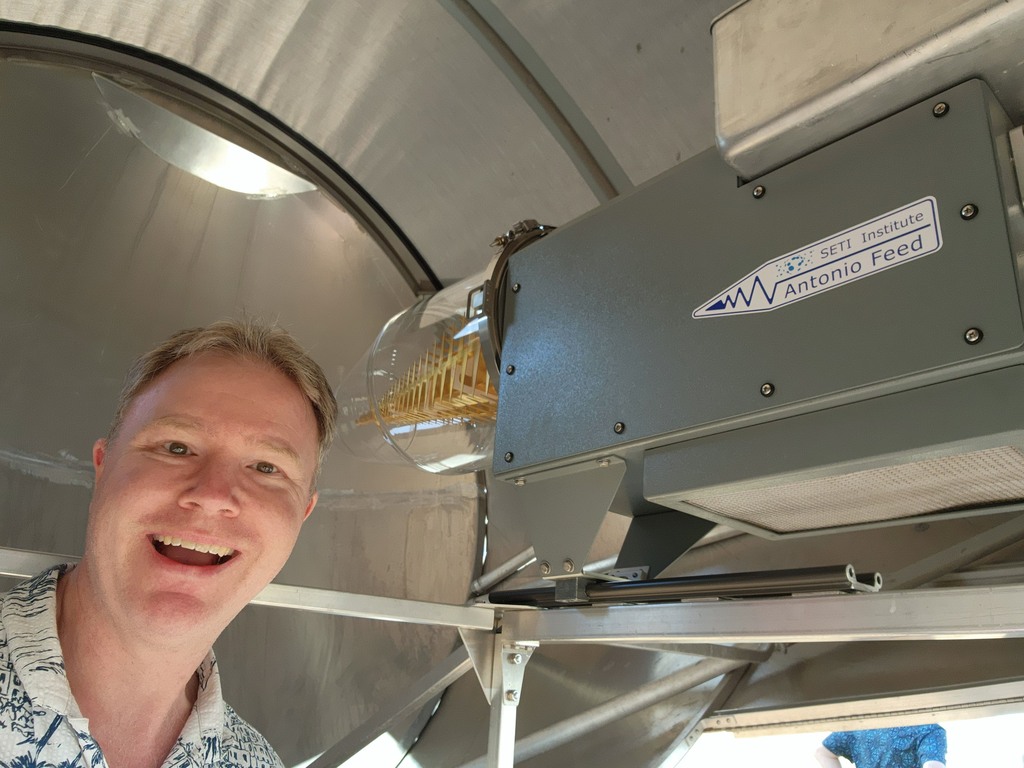
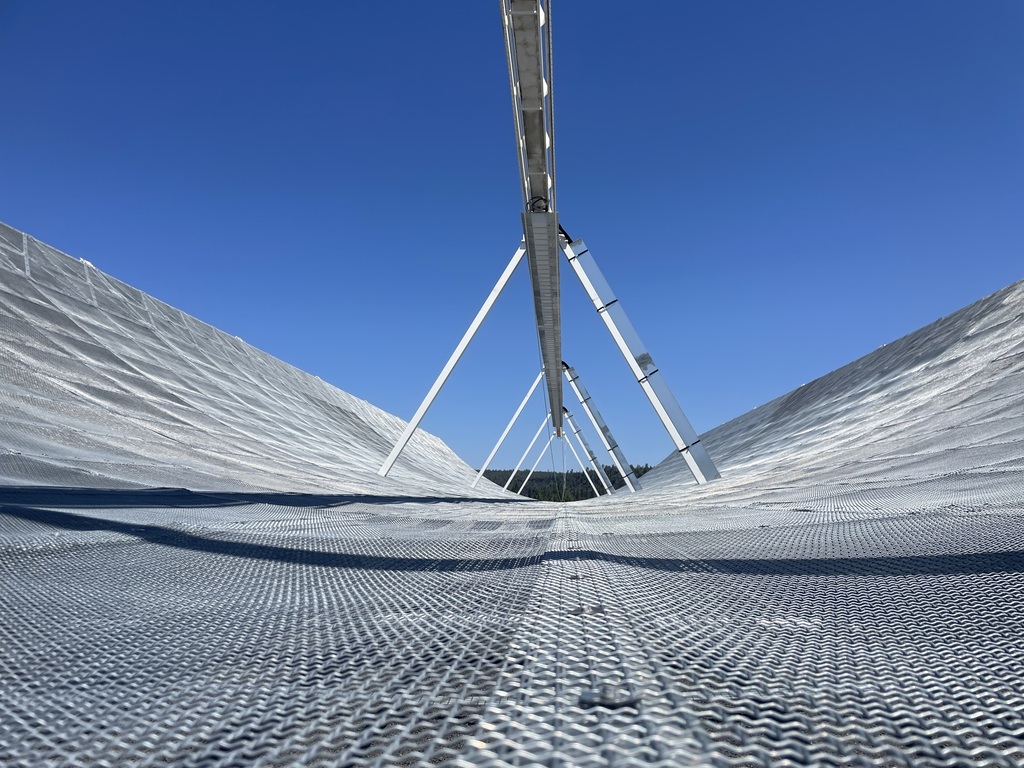
The ATA is a 42-antenna array of 6-meter diameter dishes dedicated to the search for extraterrestrial intelligence. With recently upgraded receivers (capable of increased sensitivity) and digital signal processing hardware (capable of tuning to more frequency channels at once), the ATA is not only a powerful tool in its own right but also enables low-level access to data from the antennas, as well as flexible configurations, so that users can take control of the entire array at once, or individual antennas to carry out different projects simultaneously.
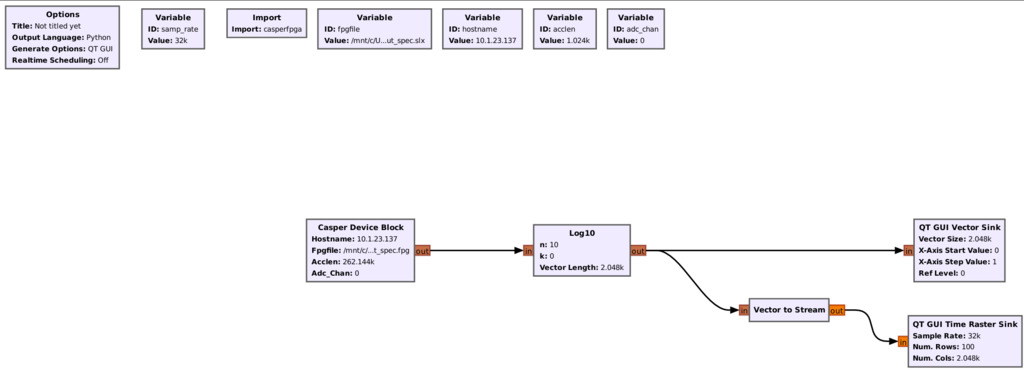
The GNU Radio open-source software environment powers one available backend instrument. A GNU Radio-focused hackathon held at the ATA in 2019 led to the formal joining of GNU Radio with the SETI Institute in 2020.
"Many radio telescopes, and indeed radio devices more generally, are built with custom hardware to process incoming signals," said Derek Kozel, Principal Investigator for GNU Radio and the SETI Institute. "GNU Radio is changing the paradigm by replacing hardware with easily configurable software, providing scientists and engineers with remarkable flexibility in how they utilize the telescope. And the fact that the software is open-source means that anyone can contribute."
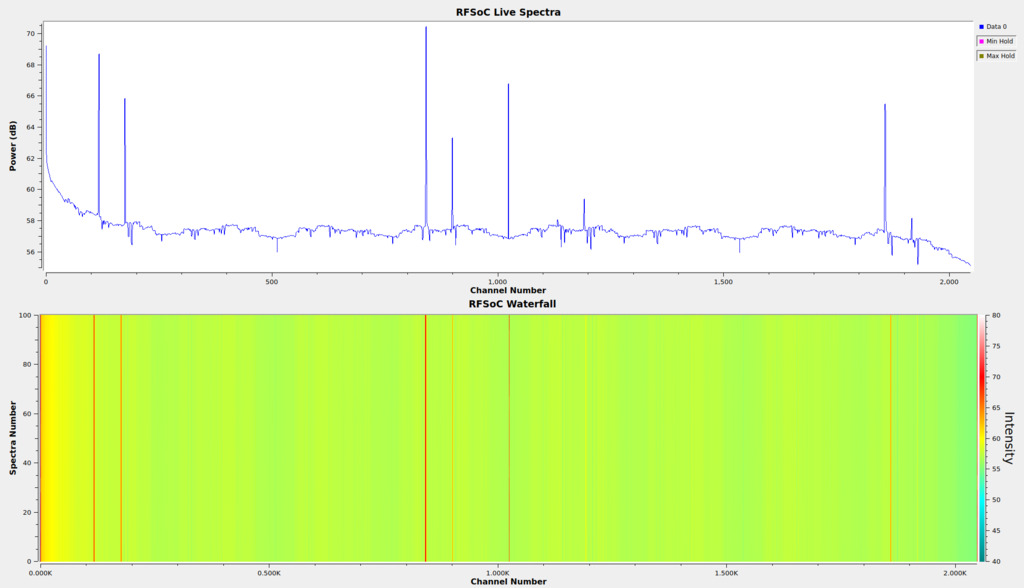
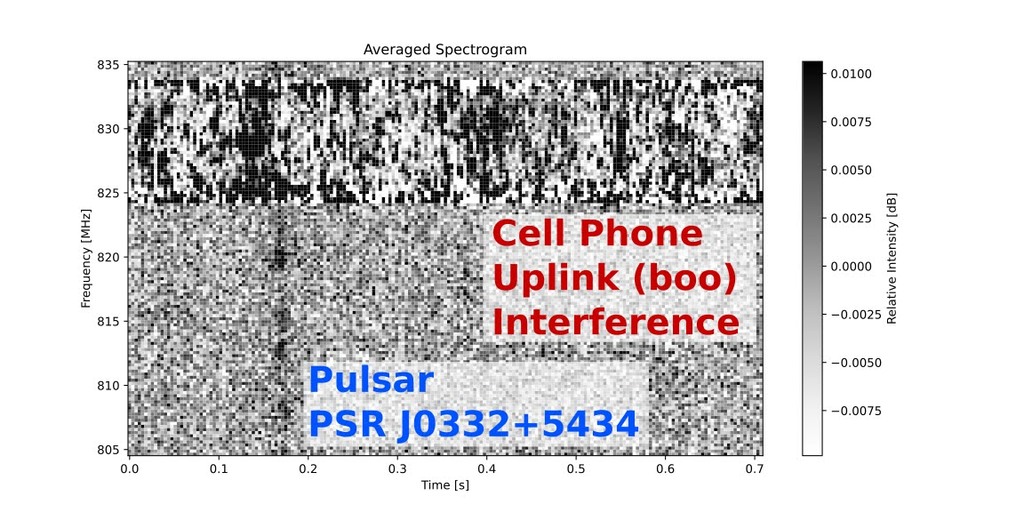
"Few observatories offer the opportunity for hands-on experimentation, development, and testing that is possible with the ATA," said SETI Institute Adjunct Senior Scientist Steve Croft, who organized the hackathon along with the observatory staff. "Hackathon attendees worked on topics as diverse as precise positioning of satellites in geosynchronous orbits, classifying signals in data streaming from the telescope, and making real-time detections of pulsars."
"We're excited to be able to make the ATA available to the community and to have them contribute to capabilities that will benefit all users of the telescope," said Andrew Siemion, Bernard M. Oliver Chair for SETI at the SETI Institute. "By working together with partners from academia and industry, we're pushing forward the frontiers of radio astronomy technology and also demonstrating that SETI is an effort where folks with a wide range of backgrounds and skills can help us to achieve our goals."
The SETI Institute is a non-profit, multi-disciplinary research and education organization whose mission is to lead humanity's quest to understand the origins and prevalence of life and intelligence in the Universe and to share that knowledge with the world. Our research encompasses the physical and biological sciences and leverages expertise in data analytics, machine learning and advanced signal detection technologies. The SETI Institute is a distinguished research partner for industry, academia and government agencies, including NASA and NSF.
Amateur Radio Digital Communications (ARDC) is a California-based foundation with roots in amateur radio and the technology of internet communication. Their mission is to support, promote, and enhance digital communication and broader communication science and technology, to promote amateur radio, scientific research, experimentation, education, development, open access, and innovation in information and communication technology.
GNU Radio is a free and open-source software development toolkit that provides signal processing blocks for software radios. Researchers, industry professionals, academics, government agencies, and hobbyists widely use it. Its active online community and multiple annual events are a focus for the development of new signal processing algorithms and techniques, and attract hundreds of contributors.
Breakthrough Listen, headquartered at the University of Oxford, is the world's most comprehensive search for "technosignatures," or signs of intelligent life in the Universe. Listen collaborates with facilities around the globe, including many of the most powerful radio telescopes, as well as cutting-edge observatories operating in other regions of the electromagnetic spectrum. It aims to survey one million nearby stars, the entire galactic plane and 100 nearby galaxies. Additional information: breakthroughinitiatives.org.
The Breakthrough Initiatives are a suite of scientific and technological programs investigating the fundamental questions of life in the Universe. The Breakthrough Initiatives are funded by the Breakthrough Foundation established by Yuri and Julia Milner. Additional information about Yuri: yurimilner.com.
News
Related News
Disclosure Needs Data
#SkyMapper #Franck Marchis #SETI #citizen science
The Sounds of Intelligence: A Conversation with 2026 Drake Award Recipient Lori Marino
#Blog #Drake Awards #Lori Marino #SETI
Beyond Disclosure Day: The Real-World Protocols
#Press Releases #SETI #Astronomy #Bill Diamond #SETI Institute
SETI Institute In the News: May Roundup 2026
#SETI Institute in the News #SETI Institute #Community #Solar System #Matija Ćuk #Neptune #SETI #Bill Diamond #UAPs #Drake Awards #Lori Marino #Matthew Tiscareno #Outreach #Exoplanets #Carl Sagan Center
SETI Institute Looks for Signs of Technology in Interstellar Visitor 3I/ATLAS
Observations with the Allen Telescope Array set new limits on possible signals from extraterrestrial transmitters. #Press Releases #ATA #3I/ATLAS #Hat Creek Radio Observatory #Radio Astronomy #SETI
SETI Institute Awards $1 Million in STRIDE Grants to Advance Astrobiology, Exoplanet Science, and Public Engagement
#Press Releases #STRIDE #Research #Carl Sagan Center #Spectroscopy #Solar System #SETI #Climate and Bioscience #Astronomy #Astrobiology #Exoplanets #Data Science #Education #Outreach #Hat Creek Radio Observatory #Unistellar #SkyMapperResearch
Related Projects
SkyMapper: Expanding Access to Real-time Astronomy Through a Global Astronomical Network
SkyMapper and the SETI Institute are connecting educators, students and the public to live astronomical observations through a distributed astronomical network. #SkyMapper #SETI #Citizen Science #Astronomy
Virtual Planetary Laboratory
How can we best assess whether an exoplanet supports life? #VPL
Discovery and Futures Lab
What happens if life beyond Earth is discovered? The Discovery and Futures Lab at the SETI Institute fosters novel and anticipatory research at the intersection of science, society, our planet, and the search for life beyond Earth. #Discovery and Futures LabSupport the
SETI Institute
Scientists are getting closer in their search for life beyond earth. But with limited federal funding for the search for extraterrestrial intelligence, supporters are the reason cutting-edge scientists can keep their eyes on the sky.