)

Thursday, Feb 10, 2022


Unistellar’s global network of citizen scientists made hundreds of astronomical observations in 2021, including asteroid occultations, exoplanet transits and asteroid observations. Their work included meaningful contributions to NASA's Lucy mission to the Trojan asteroids, as presented at scientific conferences and helped community college students throughout the United States gain hands-on scientific experience.
"Citizen scientists recorded more than 1,000 scientific observations last year using the Unistellar network,” said Franck Marchis, senior astronomer at the SETI Institute and chief scientific officer at Unistellar. “It's truly the result of the collaboration between scientists at the SETI Institute and citizen scientists around the world who have dedicated their personal time to participate in scientific programs linked to NASA and ESA goals, like the NASA Lucy mission or the Solar Orbiter flyby. We are entering a new era of astronomy when all of us can contribute time to study and understand our universe. We are planning to expand this program with new studies related to comets and transient events in the year 2022."
Some highlights include:
Community College Engagement and Asteroid Detection:

Kendra Sibbernsen, Physics and Astronomy instructor at the Metropolitan Community College (Nebraska, USA), was the first instructor from a network of community colleges to make a successful detection as a Unistellar citizen astronomer! In November 2021, Kendra positively detected main-belt asteroid Itha.
Read more about how the SETI Institute and Unistellar are working with community colleges:
SETI Institute and Unistellar to Provide eVscopes, Workshops to Community Colleges
The Lucy Mission:
On May 9, the shadow of the Trojan asteroid Patroclus swept across the continental US, and members of the Unistellar community were there to observe it. Patroclus is exciting to scientists because it's one of the targets for NASA’s Lucy mission, which launched in October of 2021 to study the Trojans. With better data on Patroclus, thanks in part to citizen science observations, the Lucy spacecraft will be able to fly by this never-before-visited asteroid more confidently.
Unistellar citizen scientists were invited to attend the launch in recognition of their contributions. They met up with members of the Unistellar team to watch the Lucy spacecraft soar above the clouds and into orbit.
You can watch our videos with this team here:
Exoplanet Detection:

Two Unistellar observers celebrated a very different kind of observation over the summer. Unistellar Ambassadors Bruno Guillet and Justus Randolph pulled off a unique feat in November 2020 as they tag-teamed a cross-Atlantic observation of an exoplanet transit. With their data, Unistellar scientists were able to stitch together the observations into a single lightcurve that validated the detection of exoplanet candidate TOI 2031.01 in June of last year. Bruno and Justus presented their observations in a poster for the AAVSO annual meeting later in November 2021.
You can read more about this project here:
Cross Atlantic Planet-Hunting
And watch a video here:
For more information about the contributions of Unistellar’s citizen science network:
2021 Unistellar Citizen Science Recap: Asteroids, Exoplanets and Hundreds of Detections







News
Related News
Jun 17, 2026
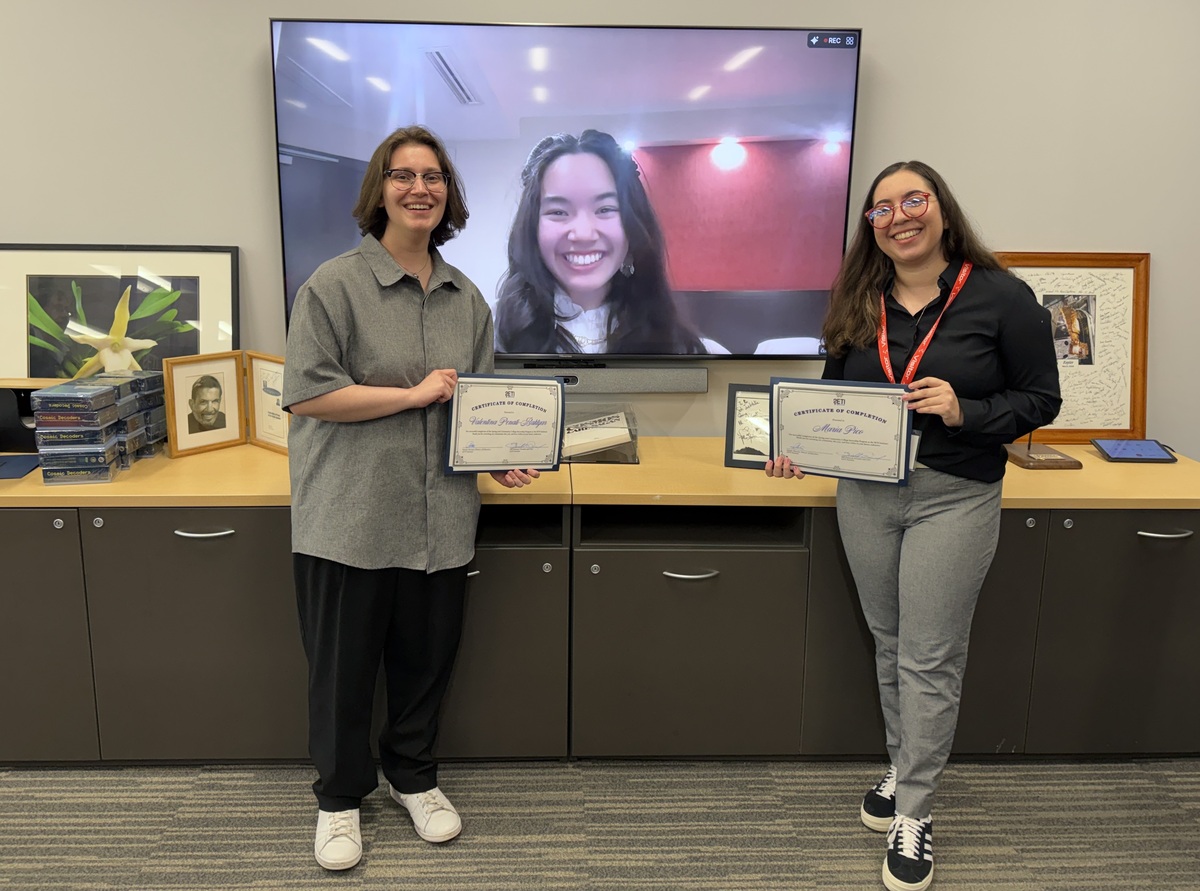
Community College Internship Program Celebrates Fourth Year of Student Research Achievement
#Community College Internship #Education #Lauren Sgro #Unistellar #Uma Gorti #Douglas Caldwell #Pamela Harman #Simon Steel
Jun 5, 2026
Beyond Disclosure Day: The Real-World Protocols
#Press Releases #SETI #Astronomy #Bill Diamond #SETI Institute
Jun 4, 2026
SETI Institute In the News: May Roundup 2026
#SETI Institute in the News #SETI Institute #Community #Solar System #Matija Ćuk #Neptune #SETI #Bill Diamond #UAPs #Drake Awards #Lori Marino #Matthew Tiscareno #Outreach #Exoplanets #Carl Sagan Center
Jun 1, 2026
SETI Institute Awards $1 Million in STRIDE Grants to Advance Astrobiology, Exoplanet Science, and Public Engagement
#Press Releases #STRIDE #Research #Carl Sagan Center #Spectroscopy #Solar System #SETI #Climate and Bioscience #Astronomy #Astrobiology #Exoplanets #Data Science #Education #Outreach #Hat Creek Radio Observatory #Unistellar #SkyMapper
May 1, 2026
Asteroid Named in Honor of SETI Researcher and Communicator Seth Shostak
#Comets, Meteors, and Asteroids #Seth Shostak #SETI #Astronomy #Big Picture Science #Outreach #Andrew Fraknoi
Apr 30, 2026
Narrowing the Search: The 45 Best Targets for Alien Life
#Blog #Astronomy #JWST #NASA Missions and Observatories #Trappist-1 #LaserSETI #ATA #Franck Marchis
Jun 17, 2026
#Community College Internship
#Education
#Lauren Sgro
#Unistellar
#Uma Gorti
#Douglas Caldwell
#Pamela Harman
#Simon Steel
Jun 5, 2026
#Press Releases
#SETI
#Astronomy
#Bill Diamond
#SETI Institute
Beyond Disclosure Day: The Real-World Protocols
Jun 4, 2026
#SETI Institute in the News
#SETI Institute
#Community
#Solar System
#Matija Ćuk
#Neptune
#SETI
#Bill Diamond
#UAPs
#Drake Awards
#Lori Marino
#Matthew Tiscareno
#Outreach
#Exoplanets
#Carl Sagan Center
SETI Institute In the News: May Roundup 2026
Jun 1, 2026
#Press Releases
#STRIDE
#Research
#Carl Sagan Center
#Spectroscopy
#Solar System
#SETI
#Climate and Bioscience
#Astronomy
#Astrobiology
#Exoplanets
#Data Science
#Education
#Outreach
#Hat Creek Radio Observatory
#Unistellar
#SkyMapper
SETI Institute Awards $1 Million in STRIDE Grants to Advance Astrobiology, Exoplanet Science, and Public Engagement
May 1, 2026
#Comets, Meteors, and Asteroids
#Seth Shostak
#SETI
#Astronomy
#Big Picture Science
#Outreach
#Andrew Fraknoi
Asteroid Named in Honor of SETI Researcher and Communicator Seth Shostak
Apr 30, 2026
#Blog
#Astronomy
#JWST
#NASA Missions and Observatories
#Trappist-1
#LaserSETI
#ATA
#Franck Marchis
Narrowing the Search: The 45 Best Targets for Alien Life
Research
Related Projects

SkyMapper • SETI • Citizen Science • Astronomy
SkyMapper: Expanding Access to Real-time Astronomy Through a Global Astronomical Network
SkyMapper and the SETI Institute are connecting educators, students and the public to live astronomical observations through a distributed astronomical network. #SkyMapper #SETI #Citizen Science #Astronomy
VPL
Virtual Planetary Laboratory
How can we best assess whether an exoplanet supports life? #VPL
Discovery and Futures Lab
Discovery and Futures Lab
What happens if life beyond Earth is discovered? The Discovery and Futures Lab at the SETI Institute fosters novel and anticipatory research at the intersection of science, society, our planet, and the search for life beyond Earth. #Discovery and Futures Lab
May 17, 2026
SkyMapper: Expanding Access to Real-time Astronomy Through a Global Astronomical Network
SkyMapper and the SETI Institute are connecting educators, students and the public to live astronomical observations through a distributed astronomical network.
#SkyMapper
#SETI
#Citizen Science
#Astronomy
May 5, 2026
Virtual Planetary Laboratory
How can we best assess whether an exoplanet supports life?
#VPL
Apr 16, 2026
Discovery and Futures Lab
What happens if life beyond Earth is discovered? The Discovery and Futures Lab at the SETI Institute fosters novel and anticipatory research at the intersection of science, society, our planet, and the search for life beyond Earth.
#Discovery and Futures Lab
Support Us
Support the
SETI Institute
Scientists are getting closer in their search for life beyond earth. But with limited federal funding for the search for extraterrestrial intelligence, supporters are the reason cutting-edge scientists can keep their eyes on the sky.
