)


Jupiter and its moon, Ganymede. Photo taken by Hubble. Credit: NASA Goddard.
Our goal is to understand how planetary bodies including planets, moons and asteroids form and evolve and to figure out which of them could now or could have in the past supported life.
When it comes to Mars, our scientists try to understand how winds shape dunes on Mars and how ancient rivers formed valleys and other geological patterns on the planet’s surface. Further, our researchers study how geochemical processes impacted minerals on Mars, and we support Rover missions including Pathfinder, Spirit, Opportunity, Curiosity and Perseverance.
On the Moon, we’re trying to understand water ice in the permanently shadowed regions, studying volatiles that change depending on depth below the surface and composition across the surface and even how these volatiles change depending on time of day. This research will help shape future human missions to the Moon.
Our scientists also study the moons around Jupiter and Saturn, the nature of icy bodies, and the makeup of asteroids and meteorites. It’s all part of our quest to understand the diverse worlds that share our solar system.
Researchers
Planetary Exploration

Planetary Exploration Chair
Janice Bishop

Planetary Science, Earth Sciences
Andrew Annex

Geosciences
Ross Beyer

Planetary Science
Kimberly Bott

Solar System Dynamics
Matija Ćuk

Planetary Science
Lori Fenton

Planetary Science
Robert French

Solar System Dynamics
Mitchell Gordon

Geosciences
Virginia Gulick

Planetary Geophysics
Szilárd Gyalay
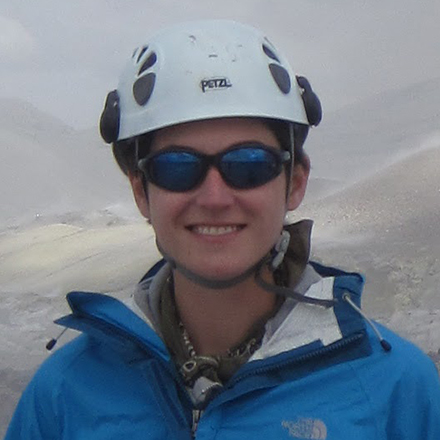
Volcanology, Experimental Petrology
Kayla Iacovino

Mineralogy, Data Science, Planetary Sciences
Barbara Lafuente

Planetary Science
Pascal Lee

Exoplanets
Andrew Lincowski

Planetary Rings, Solar System Dynamics
Mia Mace

Planetary Science
Franck Marchis

Planetary Geology
John Marshall

Astrobiology
Victoria Meadows

Planetary Science
Alex Parker
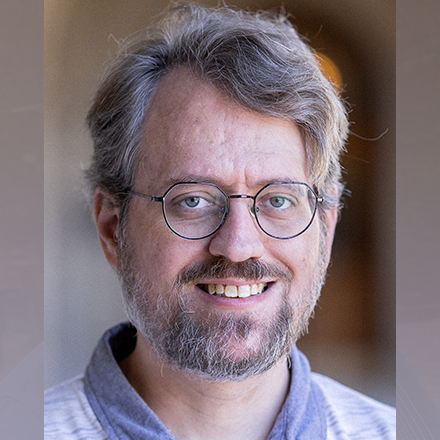
Geosciences, Planetary Sciences
Ethan Schaefer

Planetary Science
Megan Seritan
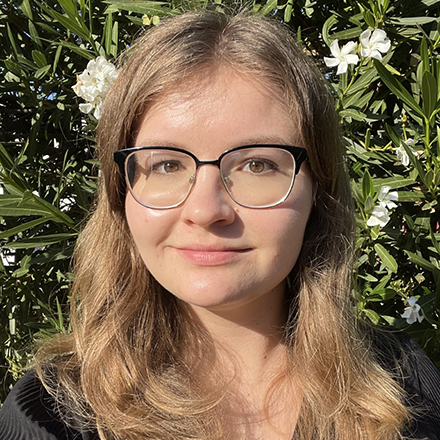
Planetary Science
Emilie Simpson

Planetary Science
Richard Simpson

Astrobiology
Pablo Sobron

Solar System Dynamics, Planetary Rings
Matthew Tiscareno
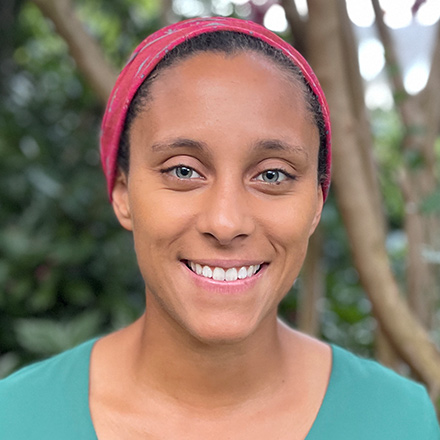
Planetary Science
Maddy Turner
Planetary Science
Orkan Umurhan
Planetary Science
Oliver White

Planetary Science
Andrew Wilcoski

Planetary Science
Aaron Wolf

Planetary Atmospheres, Planetary Astronomy, Planetary Exploration
Michael H. Wong

Astrobiology
Anastasia Yanchilina
Planetary Exploration Chair
Planetary Science, Earth Sciences
Andrew Annex
Geosciences
Ross Beyer
Planetary Science
Kimberly Bott
Solar System Dynamics
Matija Ćuk
Planetary Science
Lori Fenton
Planetary Science
Robert French
Solar System Dynamics
Mitchell Gordon
Geosciences
Virginia Gulick
Planetary Geophysics
Szilárd Gyalay
Volcanology, Experimental Petrology
Kayla Iacovino
Mineralogy, Data Science, Planetary Sciences
Barbara Lafuente
Planetary Science
Pascal Lee
Exoplanets
Andrew Lincowski
Planetary Rings, Solar System Dynamics
Mia Mace
Planetary Science
Franck Marchis
Planetary Geology
John Marshall
Astrobiology
Victoria Meadows
Planetary Science
Alex Parker
Geosciences, Planetary Sciences
Ethan Schaefer
Planetary Science
Megan Seritan
Planetary Science
Emilie Simpson
Planetary Science
Richard Simpson
Astrobiology
Pablo Sobron
Solar System Dynamics, Planetary Rings
Matthew Tiscareno
Planetary Science
Maddy Turner
Planetary Science
Orkan Umurhan
Planetary Science
Oliver White
Planetary Science
Andrew Wilcoski
Planetary Science
Aaron Wolf
Planetary Atmospheres, Planetary Astronomy, Planetary Exploration
Michael H. Wong
Astrobiology
Anastasia Yanchilina
News
Planetary Exploration
Jul 21, 2026
Celebrating 25 Years of Exoplanet Astrobiology: Welcoming the Virtual Planetary Laboratory to its New Home at the SETI Institute
#VPL #Astrobiology #SETI Institute #Victoria Meadows #Andrew Lincowski #Eric Wolf #Nicholas Wogan #Kimberly Bott #Hannah Dawson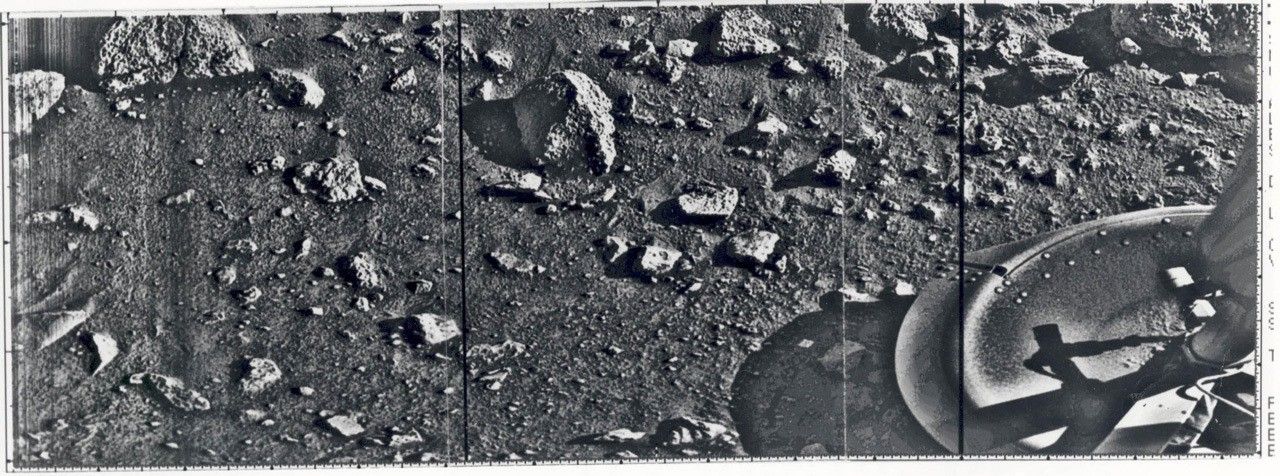
Jul 20, 2026
50 Years After Viking 1: The Mission That Changed the Search for Life on Mars
Half a century after the first successful Mars landing, Viking's greatest legacy may be the questions it taught us to ask. #Mars #NASA Missions and Observatories #Anniversary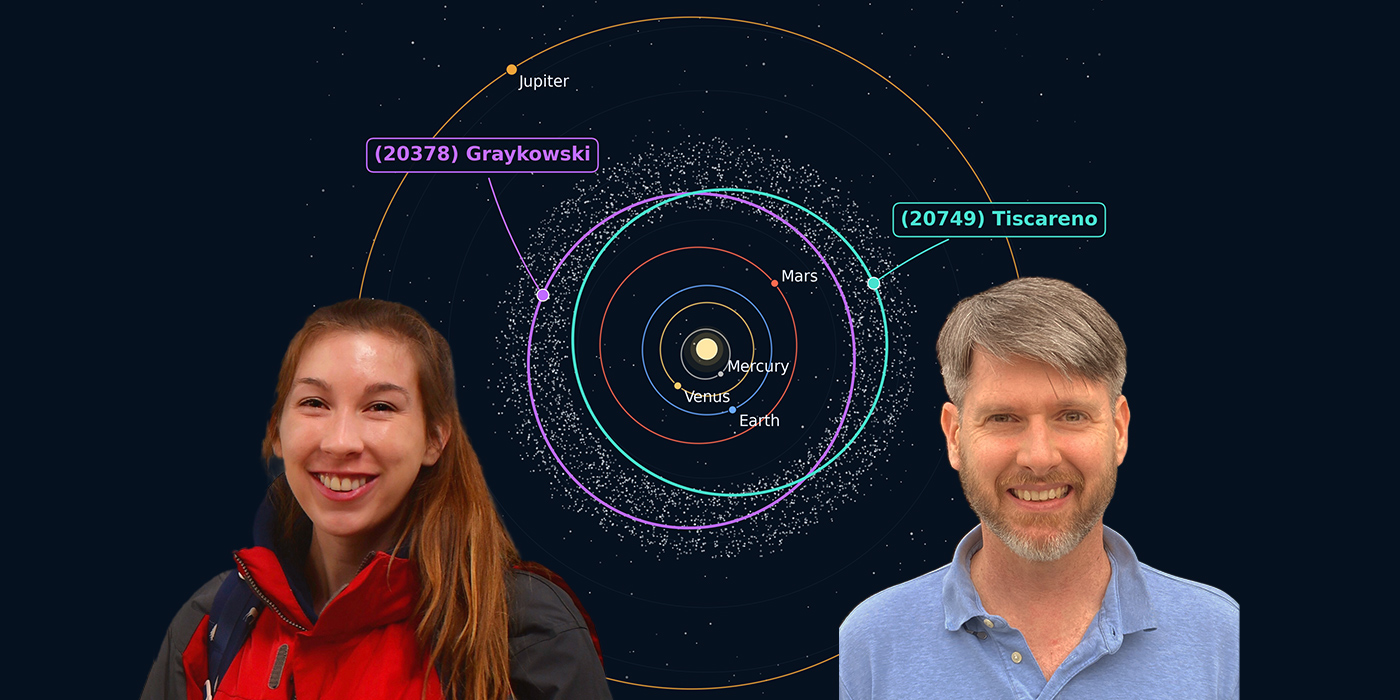
Jul 17, 2026
Two SETI Institute Scientists Honored with Asteroids Bearing Their Names
#Comets, Meteors, and Asteroids #Ariel Graykowski #Matthew Tiscareno #Planetary Astronomy #Solar System #Saturn
Jul 21, 2026
#VPL
#Astrobiology
#SETI Institute
#Victoria Meadows
#Andrew Lincowski
#Eric Wolf
#Nicholas Wogan
#Kimberly Bott
#Hannah Dawson
Celebrating 25 Years of Exoplanet Astrobiology: Welcoming the Virtual Planetary Laboratory to its New Home at the SETI Institute
Jul 20, 2026
50 Years After Viking 1: The Mission That Changed the Search for Life on Mars
Half a century after the first successful Mars landing, Viking's greatest legacy may be the questions it taught us to ask.
#Mars
#NASA Missions and Observatories
#Anniversary
Jul 17, 2026
#Comets, Meteors, and Asteroids
#Ariel Graykowski
#Matthew Tiscareno
#Planetary Astronomy
#Solar System
#Saturn