)

Monday, Aug 04, 2025

August 4, 2025, Mountain View, CA – The SETI Institute awarded a new education grant through its Support Technology, Innovation, Development and Education (STRIDE) program. Space Science for Youth in South Africa is a professional development program for Girl Guides South Africa (GGSA) staff and volunteers and is additionally funded by The Center for Radio Astronomy and Technologies, Rhodes University. The project will leverage the SETI Institute’s experience developed through Reaching for the Stars: NASA Science for Girl Scouts which developed space science badges for Girl Scouts aged 5-18 and provided training for Girl Scout volunteers and organizers. SETI Institute Director of Education Pamela Harman will lead Space Science for Girls in South Africa as PI, with Jessica Henricks as Co-I.
“This STRIDE award leverages our expertise to bring space science activities and career awareness to GGSA,” said Harman. GGSA aims to empower girls and women to reach their full potential and gives girls the confidence, skills and aspirations to advocate for change and make an impact in the world.”
Developed and delivered by the SETI Institute, this 2.5 day in-person training in July 2025 will equip a carefully selected group of GGSA leaders with knowledge, tools, experience, and resources to expand engaging and inclusive space science education for girls ages 4.5 - 18. The leaders will not only be prepared to deliver space science programs directly, but, more importantly, to train the GGSA’s adult volunteer leaders who serve GGSA’s 20,000 members in urban and rural areas.
“By sharing a thoughtfully curated set of inquiry-based space science activities with experienced Girl Guide volunteer leaders, this project maximizes its impact through strategic capacity-building,” said Henricks. “It’s inspiring to see how this train-the-trainer program will empower GGSA leaders across South Africa to deliver fun and inclusive after-school STEM learning experiences.”
The training will feature hands-on experience and research-backed activities from the Girl Scouts of the USA (GSUSA) Space Science badges, best practices in inclusive facilitation, an overview to astronomy and space science careers, and possible program pathways appropriate for age and setting. Role models and amateur astronomers will be invited to participate, sharing their inspiring experiences. The components combine to form an innovative, high impact, stand-alone education and outreach program that can be and disseminated.
"We are delighted to be able to contribute to this initiative, especially in a year when Eugenia Mbekeni, a leading figure of GGSA, has just been awarded an honorary doctorate by the University,” said Oleg Smirnov, SKA Research Chair for Radio Astronomy Techniques and Technologies, Rhodes University. “South Africa's success story in radio astronomy should be a source of national pride, and inspiration for more young women to get into STEM fields. Partnering with GGSA is a perfect way to get this message across."
“This partnership builds on Girl Guides South Africa’s existing programme through imparting best practices in inclusive facilitation for adult leaders, an overview to astronomy and space science careers for the girls, and possible programme pathways in an age-appropriate manner and setting,” said Lindelwa Ximiya, Chief Commissioner of Girl Guides South Africa. “In line with our learning and reward methodology, the girls will be excited to receive their Space Science badges on completion of the challenges.”
STRIDE fund for SETI Institute researchers and EOC (Education, Outreach, and Communications) professionals to develop innovative research and education proposals. In July 2024, the SETI Institute announced the first STRIDE science grants.
STRIDE grants include funding for basic research, technology development, prototyping, equipment and instrumentation, field expedition work, education program development, materials, hardware, software, and more. Last year, the SETI Institute announced a philanthropic gift of $200M from the estate of Franklin Antonio, a visionary supporter and catalyst of the work of the SETI Institute for more than 12 years. Co-founder of communications chip company Qualcomm, Antonio left an extraordinary legacy to enable breakthrough science in the search for intelligent life beyond our world. The Franklin Antonio Bequest funds the STRIDE program, and the SETI Institute expects to solicit it annually.
More information about the SETI Institute’s STRIDE program is here.
About the SETI Institute
Founded in 1984, the SETI Institute is a non-profit, multi-disciplinary research and education organization whose mission is to lead humanity’s quest to understand the origins and prevalence of life and intelligence in the universe and to share that knowledge with the world. Our research encompasses the physical and biological sciences and leverages expertise in data analytics, machine learning and advanced signal detection technologies. The SETI Institute is a distinguished research partner for industry, academia and government agencies, including NASA and NSF.
Contact information
Rebecca McDonald
Director of Communications
SETI Institute
[email protected]







News
Related News
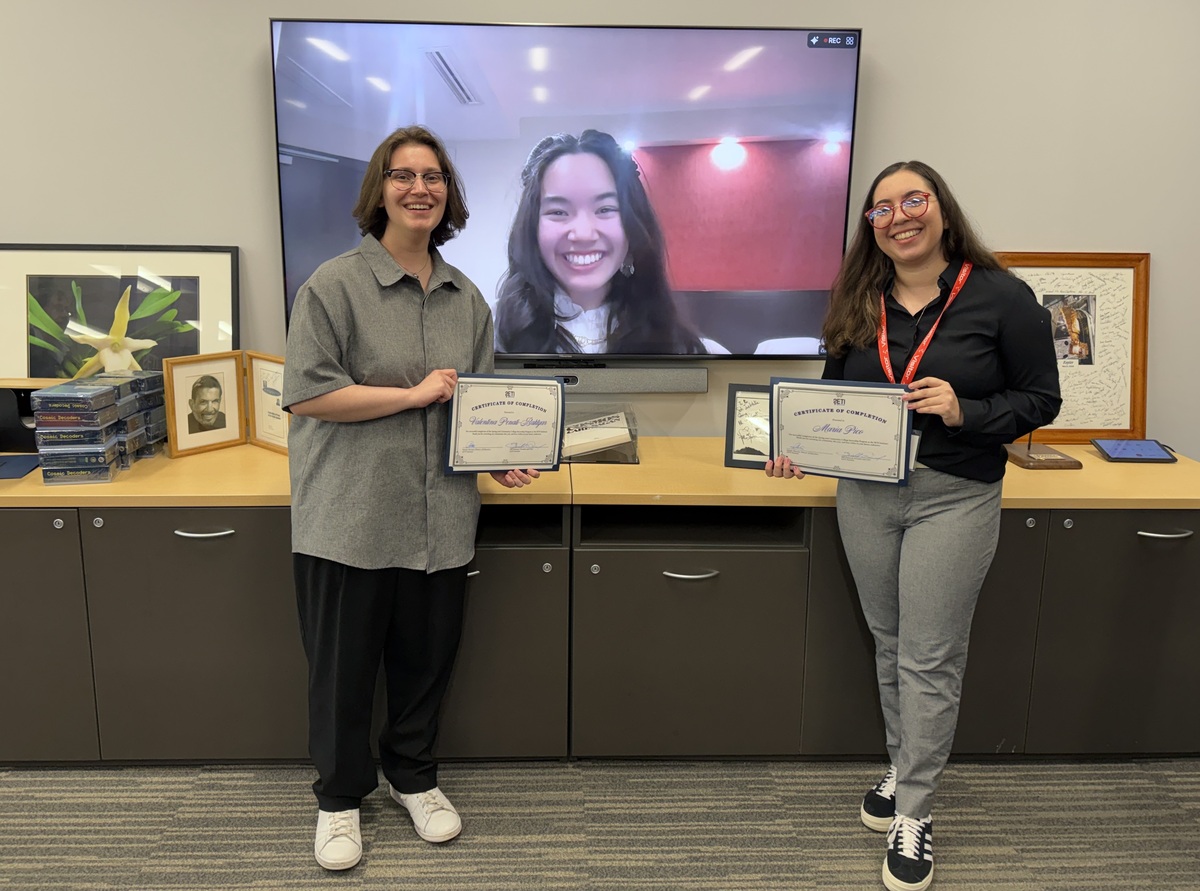
Jun 17, 2026
Community College Internship Program Celebrates Fourth Year of Student Research Achievement
#Community College Internship #Education #Lauren Sgro #Unistellar #Uma Gorti #Douglas Caldwell #Pamela Harman #Simon Steel
Jun 5, 2026
Beyond Disclosure Day: The Real-World Protocols
#Press Releases #SETI #Astronomy #Bill Diamond #SETI Institute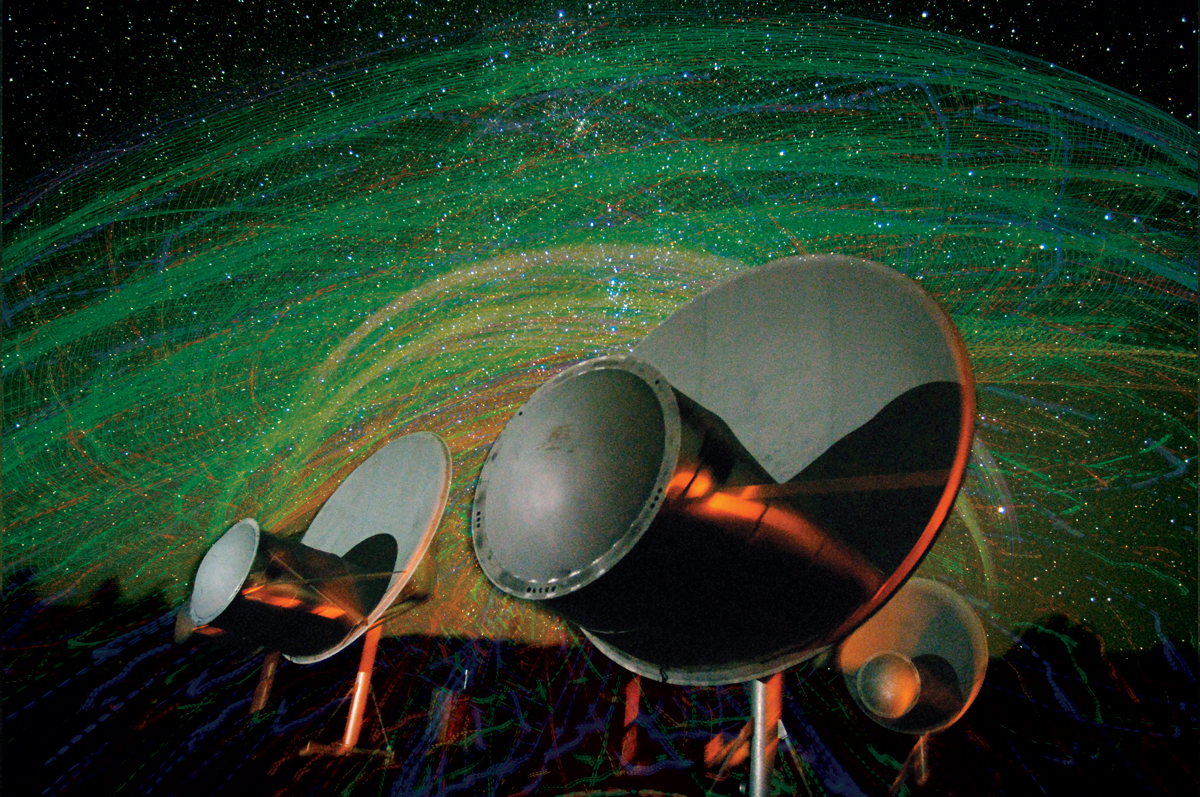
Jun 3, 2026
SETI Institute Looks for Signs of Technology in Interstellar Visitor 3I/ATLAS
Observations with the Allen Telescope Array set new limits on possible signals from extraterrestrial transmitters. #Press Releases #ATA #3I/ATLAS #Hat Creek Radio Observatory #Radio Astronomy #SETI
Jun 1, 2026
SETI Institute Awards $1 Million in STRIDE Grants to Advance Astrobiology, Exoplanet Science, and Public Engagement
#Press Releases #STRIDE #Research #Carl Sagan Center #Spectroscopy #Solar System #SETI #Climate and Bioscience #Astronomy #Astrobiology #Exoplanets #Data Science #Education #Outreach #Hat Creek Radio Observatory #Unistellar #SkyMapper
May 13, 2026
SETI Institute to Honor Dr. Matthew Tiscareno with 2026 Carl Sagan Center Director’s Award
The Drake Awards event will also recognize SETI Forward and SETI Institute REU student award recipients. #Press Releases #Drake Awards #Frank Drake #SETI #Awards #Planetary Astronomy #Astrobiology #SETI Forward #Education #Carl Sagan Center #Matthew Tiscareno #Nathalie Cabrol #REU
May 5, 2026
Atlanta Science Festival Exploration Expo and the Arecibo Message
#Community #SETI Institute #Outreach #Education #Lauren Sgro
Jun 17, 2026
#Community College Internship
#Education
#Lauren Sgro
#Unistellar
#Uma Gorti
#Douglas Caldwell
#Pamela Harman
#Simon Steel
Jun 5, 2026
#Press Releases
#SETI
#Astronomy
#Bill Diamond
#SETI Institute
Beyond Disclosure Day: The Real-World Protocols
Jun 3, 2026
SETI Institute Looks for Signs of Technology in Interstellar Visitor 3I/ATLAS
Observations with the Allen Telescope Array set new limits on possible signals from extraterrestrial transmitters.
#Press Releases
#ATA
#3I/ATLAS
#Hat Creek Radio Observatory
#Radio Astronomy
#SETI
Jun 1, 2026
#Press Releases
#STRIDE
#Research
#Carl Sagan Center
#Spectroscopy
#Solar System
#SETI
#Climate and Bioscience
#Astronomy
#Astrobiology
#Exoplanets
#Data Science
#Education
#Outreach
#Hat Creek Radio Observatory
#Unistellar
#SkyMapper
SETI Institute Awards $1 Million in STRIDE Grants to Advance Astrobiology, Exoplanet Science, and Public Engagement
May 13, 2026
SETI Institute to Honor Dr. Matthew Tiscareno with 2026 Carl Sagan Center Director’s Award
The Drake Awards event will also recognize SETI Forward and SETI Institute REU student award recipients.
#Press Releases
#Drake Awards
#Frank Drake
#SETI
#Awards
#Planetary Astronomy
#Astrobiology
#SETI Forward
#Education
#Carl Sagan Center
#Matthew Tiscareno
#Nathalie Cabrol
#REU
May 5, 2026
#Community
#SETI Institute
#Outreach
#Education
#Lauren Sgro
Atlanta Science Festival Exploration Expo and the Arecibo Message
Research
Related Projects

SkyMapper • SETI • Citizen Science • Astronomy
SkyMapper: Expanding Access to Real-time Astronomy Through a Global Astronomical Network
SkyMapper and the SETI Institute are connecting educators, students and the public to live astronomical observations through a distributed astronomical network. #SkyMapper #SETI #Citizen Science #Astronomy
VPL
Virtual Planetary Laboratory
How can we best assess whether an exoplanet supports life? #VPL
Discovery and Futures Lab
Discovery and Futures Lab
What happens if life beyond Earth is discovered? The Discovery and Futures Lab at the SETI Institute fosters novel and anticipatory research at the intersection of science, society, our planet, and the search for life beyond Earth. #Discovery and Futures Lab
May 17, 2026
SkyMapper: Expanding Access to Real-time Astronomy Through a Global Astronomical Network
SkyMapper and the SETI Institute are connecting educators, students and the public to live astronomical observations through a distributed astronomical network.
#SkyMapper
#SETI
#Citizen Science
#Astronomy
May 5, 2026
Virtual Planetary Laboratory
How can we best assess whether an exoplanet supports life?
#VPL
Apr 16, 2026
Discovery and Futures Lab
What happens if life beyond Earth is discovered? The Discovery and Futures Lab at the SETI Institute fosters novel and anticipatory research at the intersection of science, society, our planet, and the search for life beyond Earth.
#Discovery and Futures Lab
Support Us
Support the
SETI Institute
Scientists are getting closer in their search for life beyond earth. But with limited federal funding for the search for extraterrestrial intelligence, supporters are the reason cutting-edge scientists can keep their eyes on the sky.
