)

Friday, Aug 01, 2025

The SETI Institute is contributing to a new kind of space exploration — not of planets or technological signals, but a cultural and scientific experiment. Crew-11 is carrying the world’s first cultural crop payload to the International Space Station (ISS). The initiative is part of Jaguar Space’s Space for Agriculture and Agriculture for Space program, in collaboration with The Karman Project, whose mission is to enable international cooperation and peace in space through unconventional global coalitions.
Dr. Nelly Ben Hayoun-Stépanian, SETI Institute Affiliate, filmmaker and SETI Institute Designer of Experiences, was selected through a competitive process to act as one of the Principal Investigators on this world-first mission to the ISS. Ben Hayoun-Stépanian contributed pomegranate seeds representing her Armenian heritage to the payload, rethinking astrobotany through cultural heritage and scientific research. Accompanying the pomegranate seeds are cotton seeds from Egypt, egusi melon from Nigeria, and wheat from Pakistan. Along with seeds from seven other countries, this effort creates the World Seeds Payload that just hitched a ride with NASA’s Crew-11 mission.
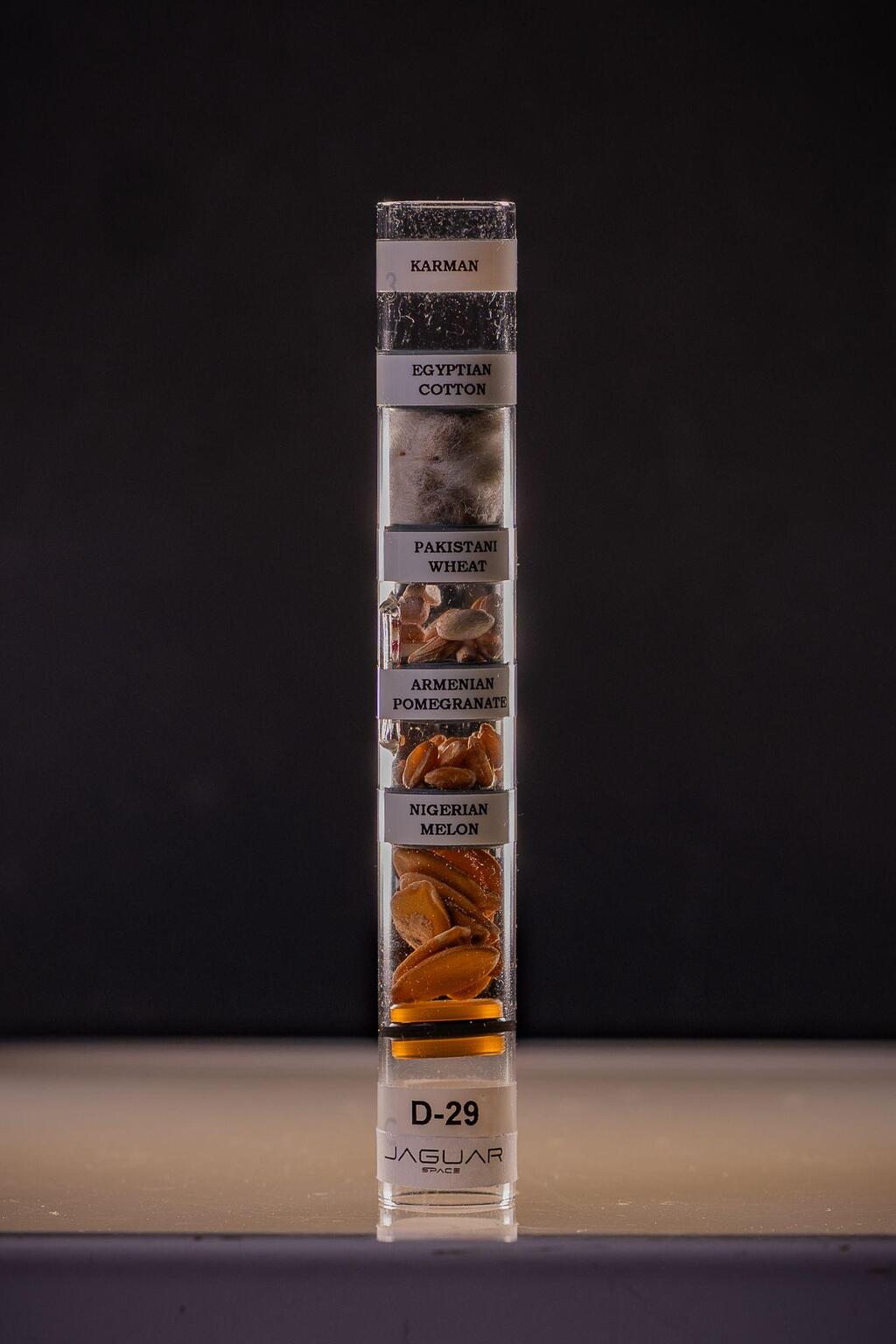
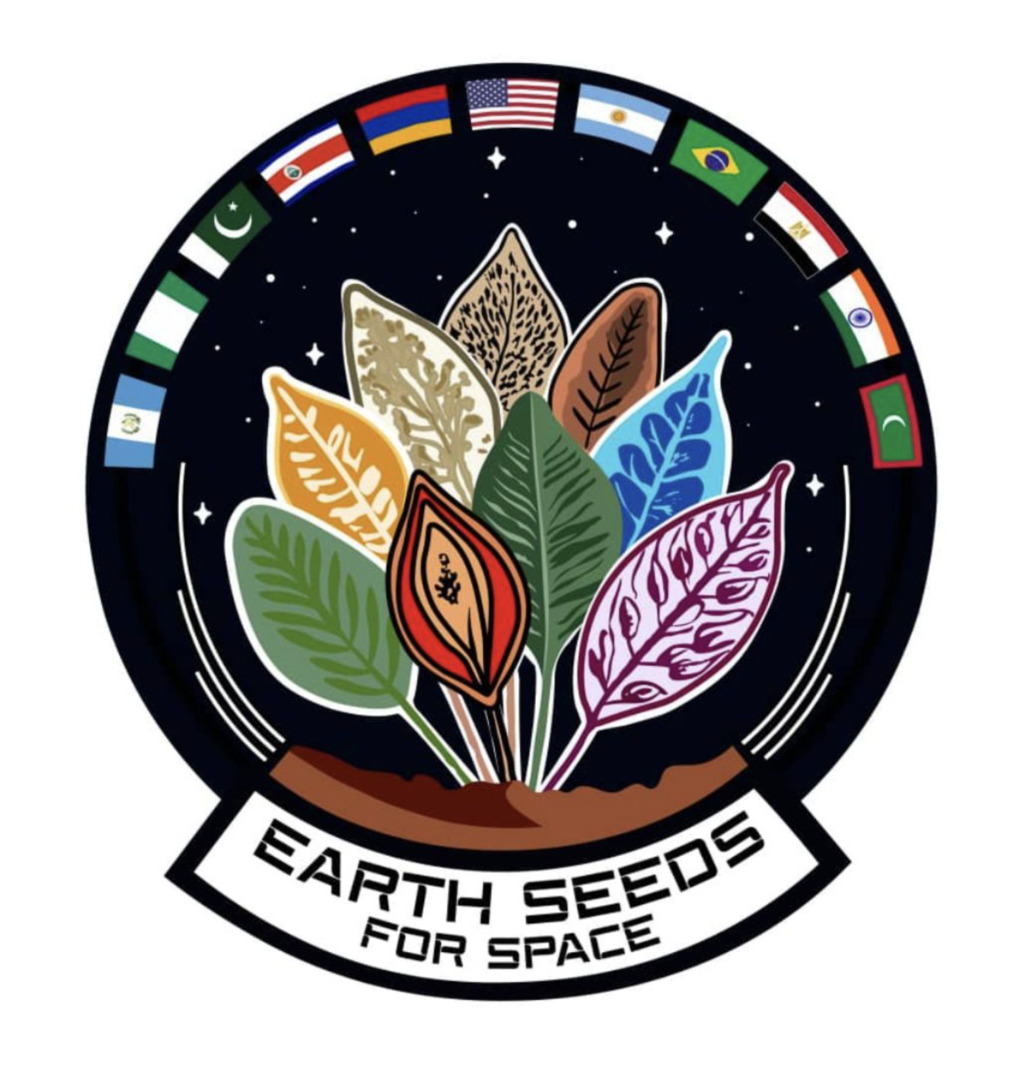
(L) Part of the World Seeds cultural payload, containing Dr. Ben Hayoun-Stépanian’s pomegranate seeds, being prepared for launch. ( R) The World Seeds Payload Patch. Credit Jaguar Space/Ivan Castro Guatemala
Dr. Lauren Sgro, Postdoctoral Fellow at the SETI Institute, and Dr. Franck Marchis, Senior Planetary Astronomer at the SETI Institute, Chief Science Officer of Unistellar and Chief Executive Director and co-founder at SkyMapper, helped Ben Hayoun-Stépanian and Dr. Luis Zea, co-founder of Jaguar Space, to prepare the pomegranate seeds for the mission. Control seeds from the same pomegranate remained Earth-bound during the mission. Once the mission seeds return to Earth, they will be compared to the control group to test how gravitational changes may influence crop growth in a terrestrial and extraterrestrial future. Post-mission studies will be led by Prof. George Fayvush, Head of Department at the Yerevan Institute of Botany of the Armenian Academy of Sciences, and Ben Hayoun-Stépanian, in collaboration with Marchis and Sgro.
“Preparing tiny pomegranate seeds and watching them leave the Earth is a profound sequence of events,” said Sgro. “A small seed represents how all positive change – and science – begins. Not only will this project inspire, but the resulting science could influence our interpretation of astrobiology and how we prepare for a space-faring future.”
“As we prepare for humanity’s future in space, we must bring more than technology—we must bring meaning. These seeds carry the story of Armenia, a nation rich in culture, history, and ambition,” said Marchis. “This mission is a symbol of what a more inclusive space age can look like.”
Now, these seeds are flying towards the ISS, after Crew 11’s launch on August 1 from Cape Canaveral’s Launch Complex 39-A. Crew-11’s successful departure from Earth, seeds in tow, took place aboard a SpaceX Crew Dragon spacecraft atop a Falcon-9 rocket. Docking with the ISS is expected on August 2, when the seeds will be handed over to Crew 10 by Crew 11. Ben Hayoun-Stépanian’s pomegranate seeds will then return from low-Earth orbit with Crew 10 on the home-bound mission, currently slated for mid-August.
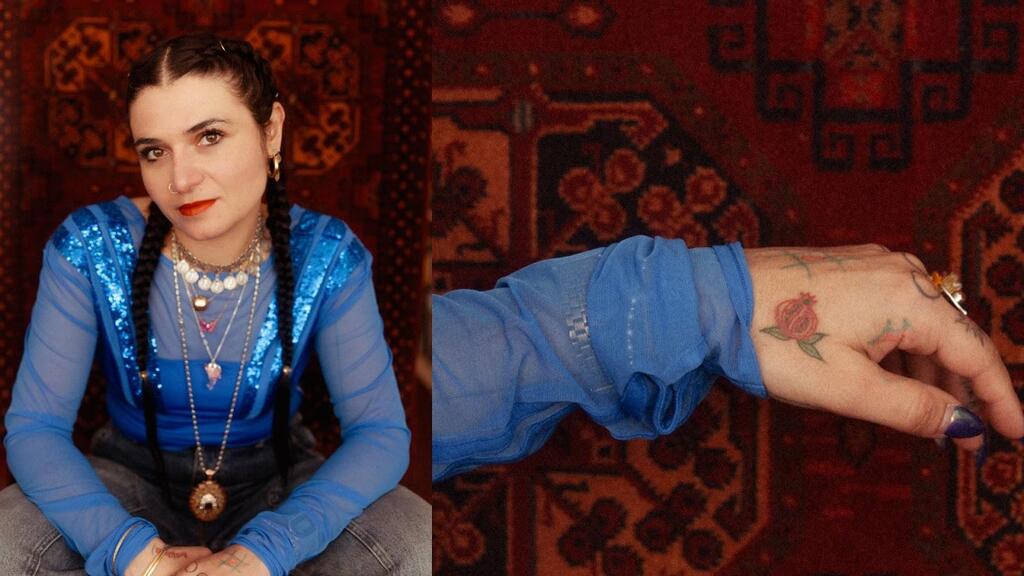
Dr. Ben Hayoun-Stépanian and their pomegranate tattoo on their hand photographed by Greta Stepanyan, produced by Maxim Saakyan at the Armenian Institute in London.
Through a competitive international selection process headed by the bioastronautics consulting firm Jaguar Space and The Karman Project, Dr. Ben Hayoun-Stépanian was among four chosen Karman fellows to participate in this world-first.
When proposing for her particular payload, Ben Hayoun-Stépanian stated that “The pomegranate is the most recognizable symbol of Armenia—its Eiffel Tower and beating heart..... Beyond its symbolism, the fruit contributes to Armenia’s agricultural economy and exports, making it not only a cultural icon but also a living thread in the country’s heritage and livelihood.”
Not only will the World Seeds be a milestone in an inclusive space future, but they could open new doors for the field of astrobotany – the study of plants in space – and the larger field of astrobiology – the study of life in the universe – with their diversity. SETI Institute astrobiologists often study terrestrial organisms and environments to assess how life could form elsewhere. But seeds that have experienced the effects of space provide more opportunities to test seed resilience and hypothesize how plants on other planets may survive. In addition, the seed’s response to the stress of space is helpful in understanding how to mitigate climate change and ensure global food security, which is beneficial to all.
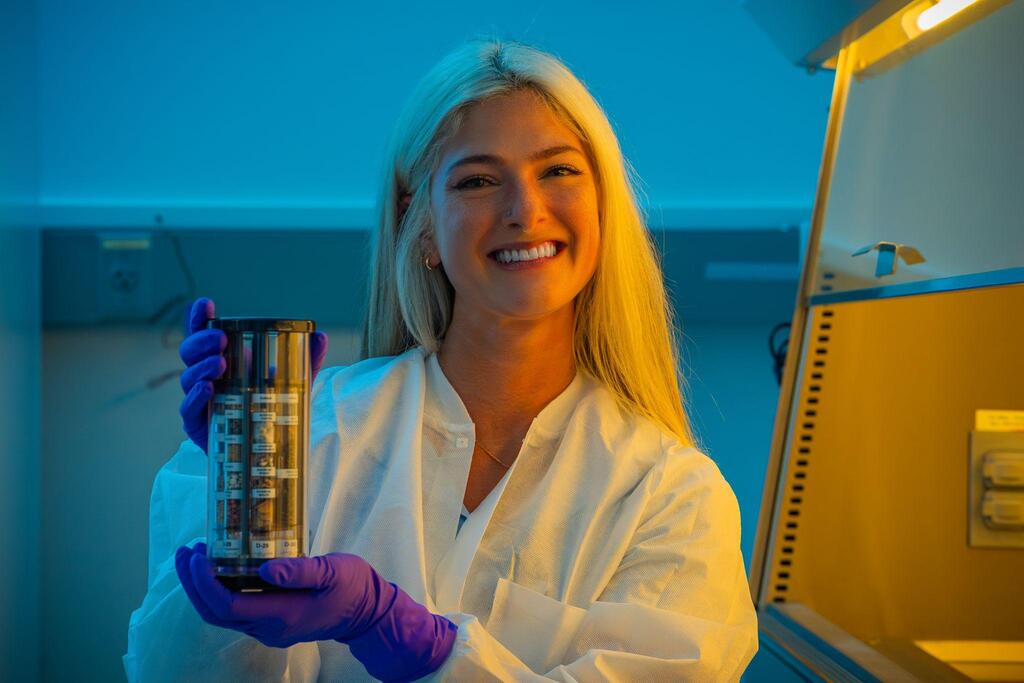
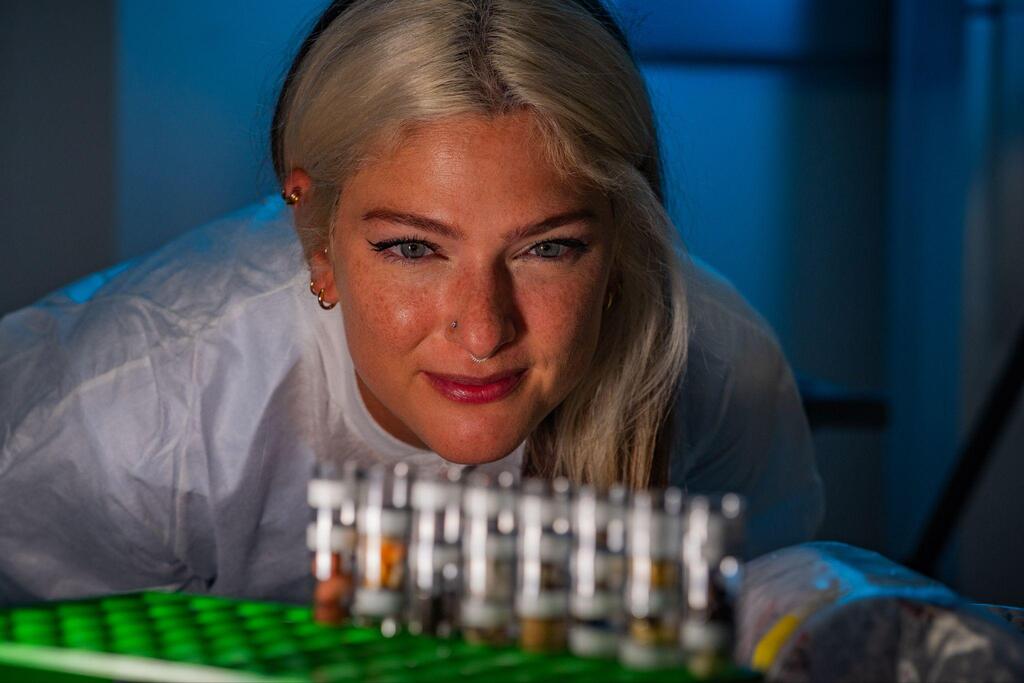
Dr. Lauren Sgro with the seeds payload and control samples. Credit: Jaguar Space/Ivan Castro Guatemala.
“In a time when space and Earth are increasingly marked by militarisation,” said Ben Hayoun-Stépanian, “this mission invites us to question borders, cultural heritage and reimagine seeds, fruits and plants as tools for peaceful engagement, for liberation and postcolonial ecofeminist inquiry.”
In this way, Ben Hayoun-Stépanian believes the pomegranate payload foregrounds heritage, biodiversity, and the decolonization of space in addition to its contributions to the emerging field of astrobotany.
In addition to scientific studies, the project includes global outreach and educational activities, which are part of the SETI Institute’s core mission. Ben Hayoun-Stépanian will conduct workshops at the ArtCenter College of Design in Pasadena in fall 2025 and at youth organizations worldwide, transforming ISS research into participatory science and inspiration. Additionally, Ben Hayoun-Stépanian will join other leaders in space exploration for Powerhouse Museum’s 2025 Sydney Science Festival this October 2025.
THE CULTURAL PAYLOAD CREW
Curated and selected through The Karman Project’s global network of fellows from 70+ countries, including:
Armenian pomegranate - led by Dr. Nelly Ben Hayoun-Stépanian, with contributions from Prof. George Fayvush and the Yerevan Botanic Center, in collaboration with the SETI Institute
Egyptian cotton - led by Sara Sabry
Nigerian egusi melon - led by Dr. Temidayo Oniosun
Pakistani wheat - led by Mahhad Nayyer
About Nelly Ben Hayoun-Stepanian Ph.D (she/they), 1985:
Nelly is a multidisciplinary artist, filmmaker, designer of experiences and cultural activist. Their work has premiered at MoMA, V&A, MET, National Museum of China, and Gaité Lyrique and she has collaborated with NASA, the UN, and underground communities worldwide. Nelly is founder of the University of the Underground, NASA’s International Space Orchestra and SETI Institute’s Experiences department; LGBTQA+ nationwide festival Tour de Moon; director of five acclaimed feature films (SXSW, BAFTA nominated, LFF, etc…), and Berlinale Talent 2025. Recent work includes Art of London’s takeover of Piccadilly Circus and Leicester Square, culminating in Piccadilly Un:Plugged, a world-first event broadcasting human heartbeats and unreleased tracks from Massive Attack and Pussy Riot to the moon and a world first- a 25-minute screening of Nelly’s film From The Void To The Full on the Piccadilly Lights—a surreal, collage-based journey from the ocean’s depths to the edges of space, exploring humanity’s quest for discovery through fire and electricity.
Her work has flown aboard the International Space Station, where she continues to develop decolonial cultural initiatives focusing on the demilitarization of outer-space. They work from an artist collective- the Village Underground- based in a train carriage on top of a nightclub in London. She has two doppelgangers who work with her to appear at multiple places at the same time, a Barbie doll and a Lego made of herself. An advocate for plurality and radical imagination, she documents and builds platforms that support freedom of thought, the creation of organized communities and public events, and expeditions with socio-political impact.
In 2023, they led a lunar analogue mission in Spain exploring intergenerational trauma and space futures, resulting in the first academic paper on Intergenerational Trauma and Decolonial Futures in Space Exploration- combining neuropsychology, epigenetics, film, design and critical theory-to challenge oppressive narratives in the field.
Nelly is the former Vice Chair of the IAF (International Astronautical Federation) Technical Committee on the Cultural Utilization of Space (ITACCUS), a member of the IAF Space Education and Outreach Committee (SEOC), a member of the IAF Inclusion, Diversity and Equity Administrative (IDEA) committee, and a member of the IAA (International Academy of Astronautics) Search for Extraterrestrial Intelligence (SETI) permanent committee amongst others. A 2022 Karman fellow, Ben Hayoun-Stépanian founded the session E1.9 on space culture at the International Astronautical Federation (IAF) and the International Astronautical Congress (IAC) in 2014 to bring critical thinking and outreach together in the formulation of space culture; she has since chaired it. In 2023, Ben Hayoun-Stépanian founded a new session called ‘Decolonial Practices in Space’ at the International Astronautical Congress which focus on the examination, identification and impact of oppressive narratives and behaviors rooted in colonial practices in the space sector while taking into account the systemic character and historical repetition of such narratives in present day disparities. www.nellyben.com
About the SETI Institute
Founded in 1984, the SETI Institute is a non-profit, multi-disciplinary research and education organization whose mission is to lead humanity’s quest to understand the origins and prevalence of life and intelligence in the universe and share that knowledge with the world. Our research encompasses the physical and biological sciences and leverages data analytics, machine learning, and advanced signal detection technologies. The SETI Institute is a distinguished research partner for industry, academia, and government agencies, including NASA and the National Science Foundation. www.seti.org
About Jaguar Space
Jaguar Space is a bioastronautics and business consulting firm dedicated to advancing science and commerce in space. The company leverages a unique combination of expertise in space science, engineering, project management, cross-cultural affairs, and business development to help its customers reach their goals faster and more effectively.
About The Karman Project
The Karman Project is a global non-profit foundation promoting peace and security in space through international cooperation. The foundation’s unique convening power enables it to bring together public and private sector decision-makers to build common understandings and impactful projects that serve sustainability, education, science, security and capacity building efforts. To date, The Karman Project’s highly curated community of entrepreneurs, astronauts, space executives, researchers, and artists from over 70 nations have initiated projects servicing the immediate needs of more than five million people worldwide. The foundation is headquartered in Berlin, Germany.
https://www.karmanproject.org/
For more on Nelly Ben Hayoun-Stépanian, follow:
https://www.instagram.com/nellybenhayounstudios
https://linktr.ee/nellybenhayounstudios
Newsletter HERE







News
Related News
Jun 26, 2026
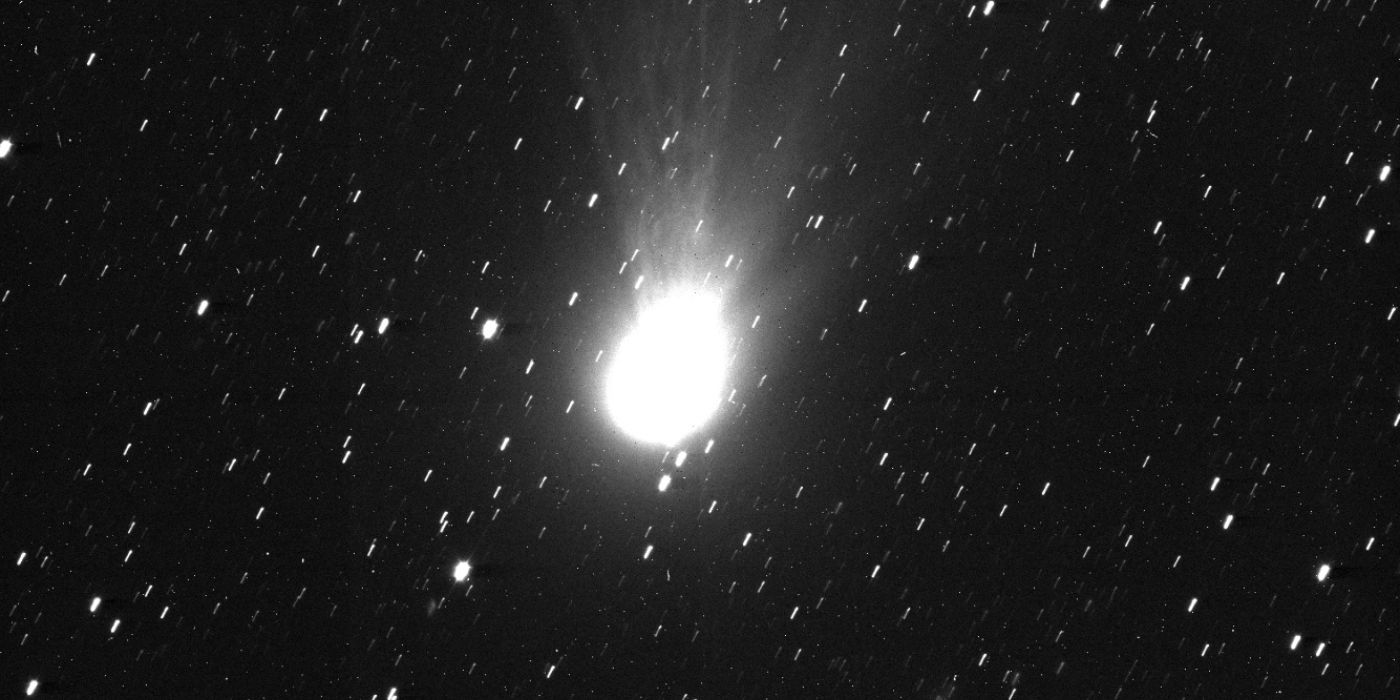
What Juice Revealed About Interstellar Comet 3I/ATLAS
#Blog #3I/ATLAS #Franck Marchis #Juice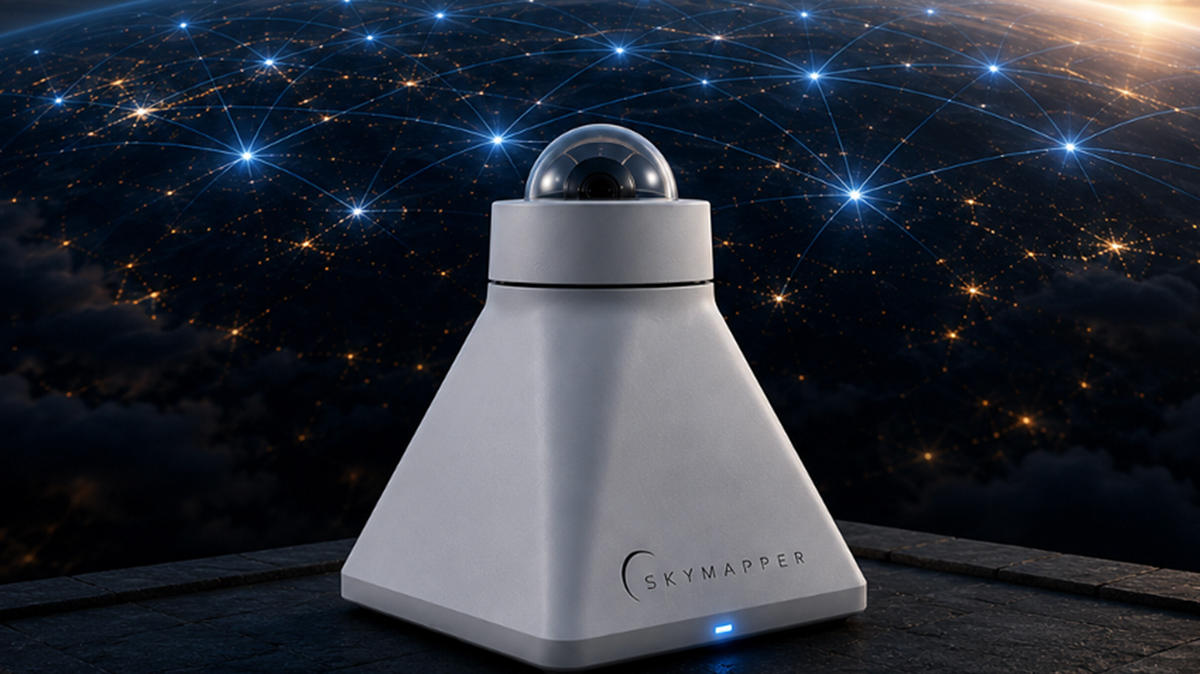
Jun 9, 2026
Disclosure Needs Data
#SkyMapper #Franck Marchis #SETI #citizen science
Apr 30, 2026
Narrowing the Search: The 45 Best Targets for Alien Life
#Blog #Astronomy #JWST #NASA Missions and Observatories #Trappist-1 #LaserSETI #ATA #Franck Marchis
Apr 23, 2026
SkyMapper Goes Live: Building a Real-Time, Global Network for Astronomy
SkyMapper functions as an observational infrastructure, a system that links instruments, users, and data streams. Its goal is ambitious: to continuously observe and map the entire sky. #Blog #SkyMapper #LaserSETI #SETI #Astronomy #Exoplanet Detection #Comets, Meteors, and Asteroids #Planetary Defense #Technosignatures #Franck Marchis #Lauren Sgro
Apr 14, 2026
SkyMapper Launches Avalanche L1 to Bring Verifiable Telescope Data Onchain; SETI Institute Joins as Partner
SETI-linked observations make scientific data provably reliable and reproducible for the first time #SkyMapper #Partnerships #SETI Institute #Data Science #SETI #Franck Marchis #Bill Diamond
Mar 30, 2026
We Finally Have a Shortlist for Finding Life Beyond Earth
#SETI #Astronomy #Exoplanets #NASA Missions and Observatories #JWST #Technosignatures #Franck Marchis
Jun 26, 2026
#Blog
#3I/ATLAS
#Franck Marchis
#Juice
Jun 9, 2026
#SkyMapper
#Franck Marchis
#SETI
#citizen science
Disclosure Needs Data
Apr 30, 2026
#Blog
#Astronomy
#JWST
#NASA Missions and Observatories
#Trappist-1
#LaserSETI
#ATA
#Franck Marchis
Narrowing the Search: The 45 Best Targets for Alien Life
Apr 23, 2026
SkyMapper Goes Live: Building a Real-Time, Global Network for Astronomy
SkyMapper functions as an observational infrastructure, a system that links instruments, users, and data streams. Its goal is ambitious: to continuously observe and map the entire sky.
#Blog
#SkyMapper
#LaserSETI
#SETI
#Astronomy
#Exoplanet Detection
#Comets, Meteors, and Asteroids
#Planetary Defense
#Technosignatures
#Franck Marchis
#Lauren Sgro
Apr 14, 2026
SkyMapper Launches Avalanche L1 to Bring Verifiable Telescope Data Onchain; SETI Institute Joins as Partner
SETI-linked observations make scientific data provably reliable and reproducible for the first time
#SkyMapper
#Partnerships
#SETI Institute
#Data Science
#SETI
#Franck Marchis
#Bill Diamond
Mar 30, 2026
#SETI
#Astronomy
#Exoplanets
#NASA Missions and Observatories
#JWST
#Technosignatures
#Franck Marchis
We Finally Have a Shortlist for Finding Life Beyond Earth
Research
Related Projects

SkyMapper • SETI • Citizen Science • Astronomy
SkyMapper: Expanding Access to Real-time Astronomy Through a Global Astronomical Network
SkyMapper and the SETI Institute are connecting educators, students and the public to live astronomical observations through a distributed astronomical network. #SkyMapper #SETI #Citizen Science #Astronomy
VPL
Virtual Planetary Laboratory
How can we best assess whether an exoplanet supports life? #VPL
Discovery and Futures Lab
Discovery and Futures Lab
What happens if life beyond Earth is discovered? The Discovery and Futures Lab at the SETI Institute fosters novel and anticipatory research at the intersection of science, society, our planet, and the search for life beyond Earth. #Discovery and Futures Lab
May 17, 2026
SkyMapper: Expanding Access to Real-time Astronomy Through a Global Astronomical Network
SkyMapper and the SETI Institute are connecting educators, students and the public to live astronomical observations through a distributed astronomical network.
#SkyMapper
#SETI
#Citizen Science
#Astronomy
May 5, 2026
Virtual Planetary Laboratory
How can we best assess whether an exoplanet supports life?
#VPL
Apr 16, 2026
Discovery and Futures Lab
What happens if life beyond Earth is discovered? The Discovery and Futures Lab at the SETI Institute fosters novel and anticipatory research at the intersection of science, society, our planet, and the search for life beyond Earth.
#Discovery and Futures Lab
Support Us
Support the
SETI Institute
Scientists are getting closer in their search for life beyond earth. But with limited federal funding for the search for extraterrestrial intelligence, supporters are the reason cutting-edge scientists can keep their eyes on the sky.
