)

Thursday, Oct 29, 2015

NASA’s Science Mission Directorate selected “Reaching for the Stars: NASA Science for Girl Scouts” as a new, 5-year space science education program that will bring together Girl Scouts with scientists, engineers and educators at NASA and beyond.
“Reaching for the Stars” will partner the Girl Scout’s national movement for girls in grades K-12 in a variety of activities that span local troop programs, Girl Scout camps, and events like the upcoming 2017 solar eclipse that will engage girls in space science. Through early and sustained exposure to the people and assets of NASA and the excitement of NASA’s Mission, girls and leaders will explore STEM—Science, Technology, Engineering and Mathematics— content, discoveries, and careers.
“We are delighted that NASA selected us to work with the Girl Scouts,” said Edna DeVore, project lead and Director of Education and Outreach at the SETI Institute. “Together with our astronomy education partners and NASA, we will create a series new Space Science badges and out of school experiences for Girl Scouts nationwide. Girl Scout leaders and girls both will benefit. We look forward to creating “Reaching for the Stars” to engage more girls in STEM.”
The Girl Scouts of Northern California is a key partner. They are a recognized national leader in STEM for the Girl Scouts. They are known for their work with ‘Girls Go Tech’ among initiatives that engage girls in STEM careers.
“Girl Scouts of Northern California is delighted to be working with SETI Institute and our other partners to help design and pilot “Reaching for the Stars.” Girl Scouts’ new national online volunteer toolkit, which provides a unique platform to develop a fun and up-to-date badge program for girls in grades K-12, supported by volunteers,” said Marina Park, CEO of the Girl Scouts of Northern California. “ Whether girls are building solar ovens to cook their lunch, exploring the night sky at camp, or tracking the latest NASA mission – all will be opportunities to foster curiosity and inspire more girls and the volunteers who work with them to explore science.”
Led by the SETI Institute’s DeVore and Pamela Harman, the partners include NASA STEM professionals, the Girl Scouts of Northern California, the Girl Scouts of the United States of America (GSUSA), the Astronomical Society of the Pacific, University of Arizona, and ARIES Scientific. NASA scientists, engineers and technologists will be key contributors and role models for the project.
“Our team is excited to share new discoveries about our universe from the James Webb Space Telescope with the Girl Scouts. We enjoy helping people see how science, engineering, math, and technology can empower them in their careers,” said astronomer Dr. Don McCarthy, University of Arizona. With Dr. Larry Lebofsky, McCarthy will bring an established network of more than 250 Girl Scout leaders in 41 states who have participated in hands-on training at University’s astronomy camps. Special astronomy camps will be offered for leaders and older Girl Scouts.
Astronomical Society of the Pacific’s Suzanne Gurton will connect Girl Scouts with the 500+ amateur astronomy clubs of the Night Sky Network for star parties, campout events and the total solar eclipse of 2017. The Night Sky Network clubs seek ways to interest young people, especially girls, in amateur astronomy. It’s a win-win partnership. Gurton will also bring ASP’s significant experience in working with the youngest stargazers.
The Girl Scouts of Northern California, led by Marina Park and Jean Fahy, will work with the consortium to develop, test, publish, and provide online training for the new Space Science badges. GSUSA is transitioning from paper manuals to online, just-in-time materials for leaders and girls, implementing 21st-century learning technologies with a new Volunteer Toolkit . The “Reaching for the Stars” online materials will have dynamic links to NASA resources and STEM professionals.
There are 2,000,000 Girl Scouts and 800,000 volunteer leaders in the USA. Initial development will be carried out in partnership with Girl Scouts of Northern California (50,000 girl members and 31,000 volunteers). GSUSA will also manage program evaluation and lead dissemination of “Reaching for the Stars” to the more than 100 Girl Scout Councils over five years.
The SETI Institute's partners for "Reaching for the Stars: NASA Science for Girl Scouts":
- NASA
- Girl Scouts of the United States of America, New York
- Girl Scouts of Northern California
- Astronomical Society of the Pacific
- University of Arizona
- ARIES Scientific







News
Related News
Jul 10, 2026
SETI Institute Achievements: Q1 2026 Activity Report
#Activity Reports #Carl Sagan Center #Outreach #Education #AIR #Community #Research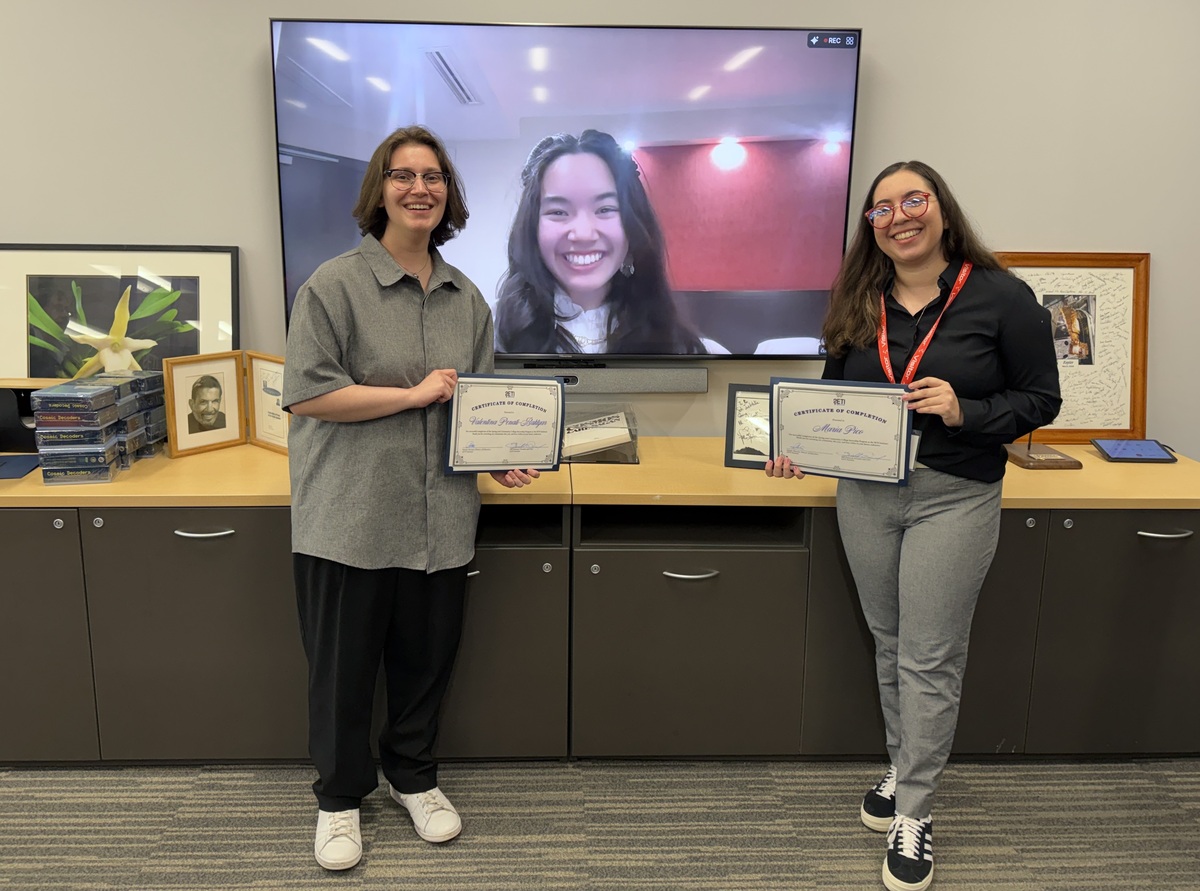
Jun 17, 2026
Community College Internship Program Celebrates Fourth Year of Student Research Achievement
#Community College Internship #Education #Lauren Sgro #Unistellar #Uma Gorti #Douglas Caldwell #Pamela Harman #Simon Steel
Jun 1, 2026
SETI Institute Awards $1 Million in STRIDE Grants to Advance Astrobiology, Exoplanet Science, and Public Engagement
#Press Releases #STRIDE #Research #Carl Sagan Center #Spectroscopy #Solar System #SETI #Climate and Bioscience #Astronomy #Astrobiology #Exoplanets #Data Science #Education #Outreach #Hat Creek Radio Observatory #Unistellar #SkyMapper
May 13, 2026
SETI Institute to Honor Dr. Matthew Tiscareno with 2026 Carl Sagan Center Director’s Award
The Drake Awards event will also recognize SETI Forward and SETI Institute REU student award recipients. #Press Releases #Drake Awards #Frank Drake #SETI #Awards #Planetary Astronomy #Astrobiology #SETI Forward #Education #Carl Sagan Center #Matthew Tiscareno #Nathalie Cabrol #REU
May 5, 2026
Atlanta Science Festival Exploration Expo and the Arecibo Message
#Community #SETI Institute #Outreach #Education #Lauren Sgro
Apr 15, 2026
2025 SETI Institute Activity Report
#Activity Reports #Carl Sagan Center #Outreach #Education #AIR #Community
Jul 10, 2026
#Activity Reports
#Carl Sagan Center
#Outreach
#Education
#AIR
#Community
#Research
Jun 17, 2026
#Community College Internship
#Education
#Lauren Sgro
#Unistellar
#Uma Gorti
#Douglas Caldwell
#Pamela Harman
#Simon Steel
Community College Internship Program Celebrates Fourth Year of Student Research Achievement
Jun 1, 2026
#Press Releases
#STRIDE
#Research
#Carl Sagan Center
#Spectroscopy
#Solar System
#SETI
#Climate and Bioscience
#Astronomy
#Astrobiology
#Exoplanets
#Data Science
#Education
#Outreach
#Hat Creek Radio Observatory
#Unistellar
#SkyMapper
SETI Institute Awards $1 Million in STRIDE Grants to Advance Astrobiology, Exoplanet Science, and Public Engagement
May 13, 2026
SETI Institute to Honor Dr. Matthew Tiscareno with 2026 Carl Sagan Center Director’s Award
The Drake Awards event will also recognize SETI Forward and SETI Institute REU student award recipients.
#Press Releases
#Drake Awards
#Frank Drake
#SETI
#Awards
#Planetary Astronomy
#Astrobiology
#SETI Forward
#Education
#Carl Sagan Center
#Matthew Tiscareno
#Nathalie Cabrol
#REU
May 5, 2026
#Community
#SETI Institute
#Outreach
#Education
#Lauren Sgro
Atlanta Science Festival Exploration Expo and the Arecibo Message
Apr 15, 2026
#Activity Reports
#Carl Sagan Center
#Outreach
#Education
#AIR
#Community
2025 SETI Institute Activity Report
Research
Related Projects

SkyMapper • SETI • Citizen Science • Astronomy
SkyMapper: Expanding Access to Real-time Astronomy Through a Global Astronomical Network
SkyMapper and the SETI Institute are connecting educators, students and the public to live astronomical observations through a distributed astronomical network. #SkyMapper #SETI #Citizen Science #Astronomy
VPL
Virtual Planetary Laboratory
How can we best assess whether an exoplanet supports life? #VPL
Discovery and Futures Lab
Discovery and Futures Lab
What happens if life beyond Earth is discovered? The Discovery and Futures Lab at the SETI Institute fosters novel and anticipatory research at the intersection of science, society, our planet, and the search for life beyond Earth. #Discovery and Futures Lab
May 17, 2026
SkyMapper: Expanding Access to Real-time Astronomy Through a Global Astronomical Network
SkyMapper and the SETI Institute are connecting educators, students and the public to live astronomical observations through a distributed astronomical network.
#SkyMapper
#SETI
#Citizen Science
#Astronomy
May 5, 2026
Virtual Planetary Laboratory
How can we best assess whether an exoplanet supports life?
#VPL
Apr 16, 2026
Discovery and Futures Lab
What happens if life beyond Earth is discovered? The Discovery and Futures Lab at the SETI Institute fosters novel and anticipatory research at the intersection of science, society, our planet, and the search for life beyond Earth.
#Discovery and Futures Lab
Support Us
Support the
SETI Institute
Scientists are getting closer in their search for life beyond earth. But with limited federal funding for the search for extraterrestrial intelligence, supporters are the reason cutting-edge scientists can keep their eyes on the sky.
