)

Wednesday, Dec 17, 2025

At A Glance
|
The Harvard Scientist, Kim Kardashian and the Comet That Probably Isn’t an Alien Spaceship
This New York Times feature explored the surge of public attention surrounding interstellar comet 3I/ATLAS, as celebrity commentary and media speculation fueled claims of an artificial origin. Bernard M. Oliver Chair for SETI at the SETI Institute, Dr. Andrew Siemion, provided expert perspective on the public reaction, noting how quickly scientific discoveries can be reframed through sensational narratives. While some researchers have suggested unconventional interpretations, most astronomers emphasize that the comet’s observed behavior is consistent with a natural object. The article underscores the importance of clear science communication as rare interstellar visitors capture global attention.
Read the full story by the New York Times: The Harvard Scientist, Kim Kardashian and the Comet That Probably Isn’t an Alien Spaceship
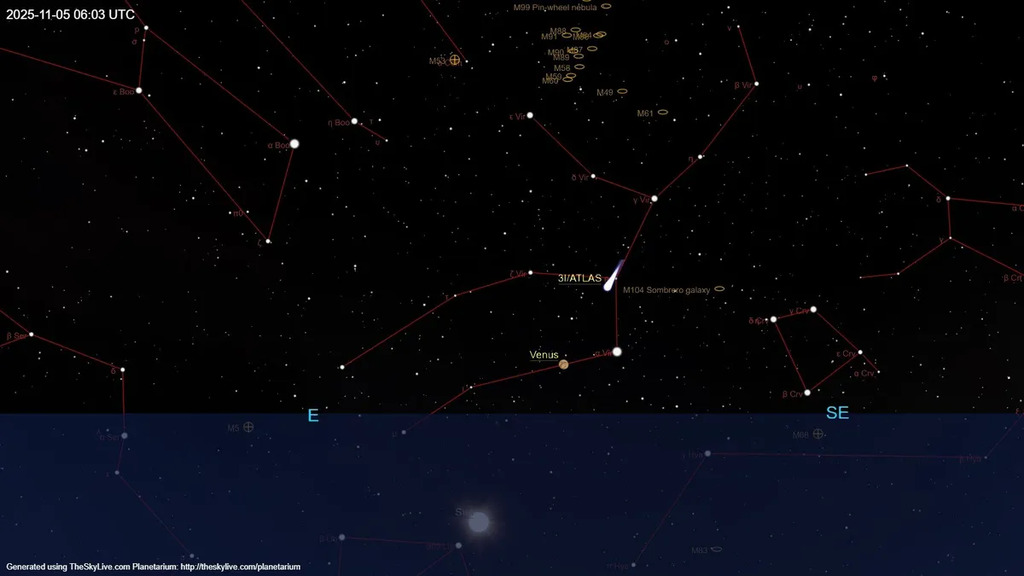
Interstellar Comet 3I/ATLAS Can Now Be Seen From Earth – Even By Amateur Telescopes!
In an IFLScience article, interstellar comet 3I/ATLAS was featured as it became observable from Earth following its passage around the Sun. SETI Institute senior astronomer and Director of Citizen Science Dr. Franck Marchis explained that the comet’s visibility near Venus and the star Spica offered a rare opportunity for both professional and amateur astronomers to contribute meaningful observations. Dr. Marchis highlighted how Unistellar’s global network of citizen astronomers collaborated with SETI Institute researchers to gather real-time data, helping refine measurements of the comet’s composition, activity, and trajectory as it continues its journey out of the solar system.
Read the full article by IFLScience: Interstellar Comet 3I/ATLAS Can Now Be Seen From Earth – Even By Amateur Telescopes!

Moss Can Survive the Harsh Conditions of Space
A November Time feature examined new research showing that moss spores can survive prolonged exposure to the harsh conditions of space, with more than 80 percent remaining viable after nine months outside the International Space Station. SETI Institute research scientist Dr. Agata Zupanska provided expert context on the study’s implications, noting that deeper-space radiation presents additional challenges beyond low-Earth orbit. Drawing on her own work exposing Antarctic mosses to intense radiation, Dr. Zupanska explained why moss is an important model organism for understanding plant survival beyond Earth. The findings offer insights into how resilient life forms could support future space exploration and planetary habitability.
Read the full story by Time: Moss Can Survive the Harsh Conditions of Space

Moss in space: spores survive nine-month ride on outside of ISS
As space agencies plan for long-duration missions beyond Earth, researchers are testing how terrestrial life withstands extreme extraterrestrial environments. A November Guardian feature examined new findings showing that spores of the moss Physcomitrella patens can survive at least nine months attached to the exterior of the International Space Station and still germinate after returning to Earth. SETI Institute research scientist Dr. Agata Zupanska provided expert perspective, emphasizing that while spore survival is promising, the greater challenge lies in enabling plants to actively grow and function in deep-space conditions essential for sustaining future lunar and Martian exploration.
Read the full feature by The Guardian: Moss in space: spores survive nine-month ride on outside of ISS







News
Related News
Jun 17, 2026
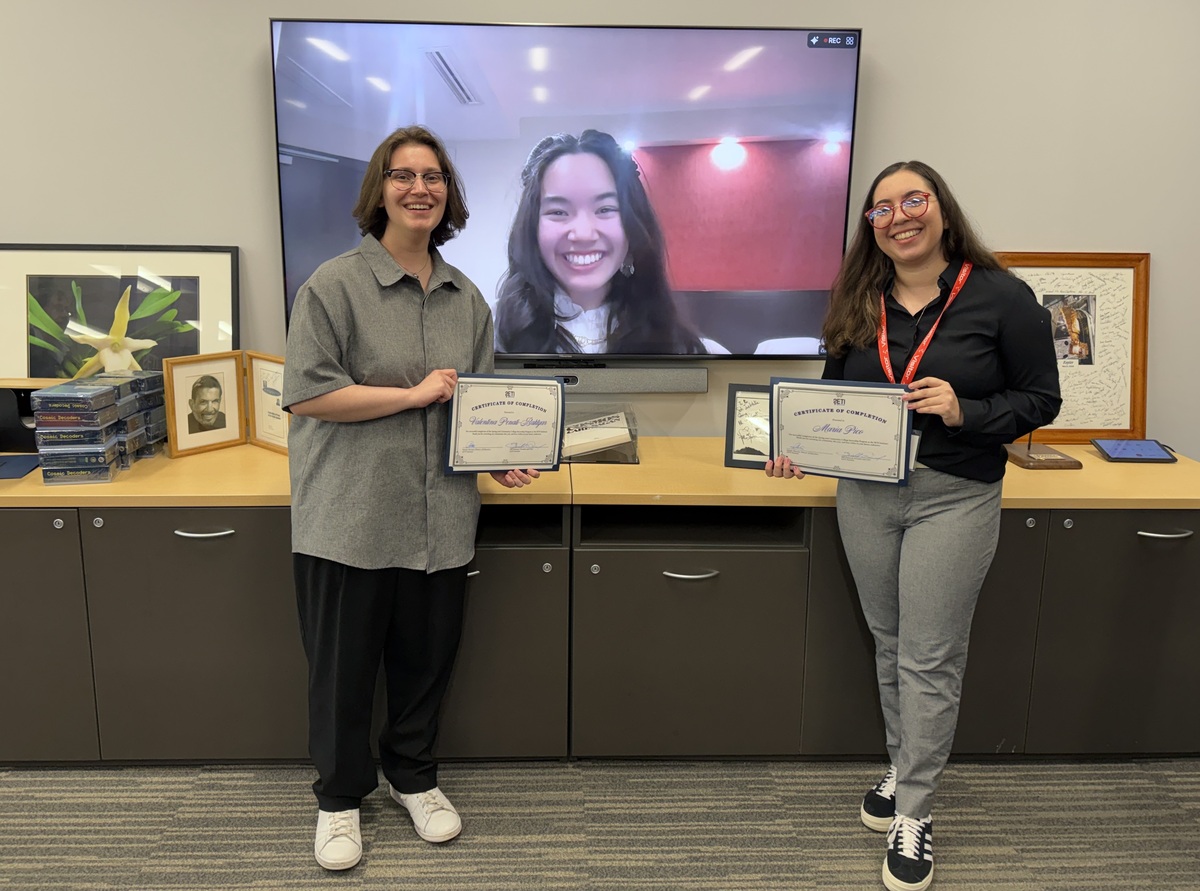
Community College Internship Program Celebrates Fourth Year of Student Research Achievement
#Community College Internship #Education #Lauren Sgro #Unistellar #Uma Gorti #Douglas Caldwell #Pamela Harman #Simon Steel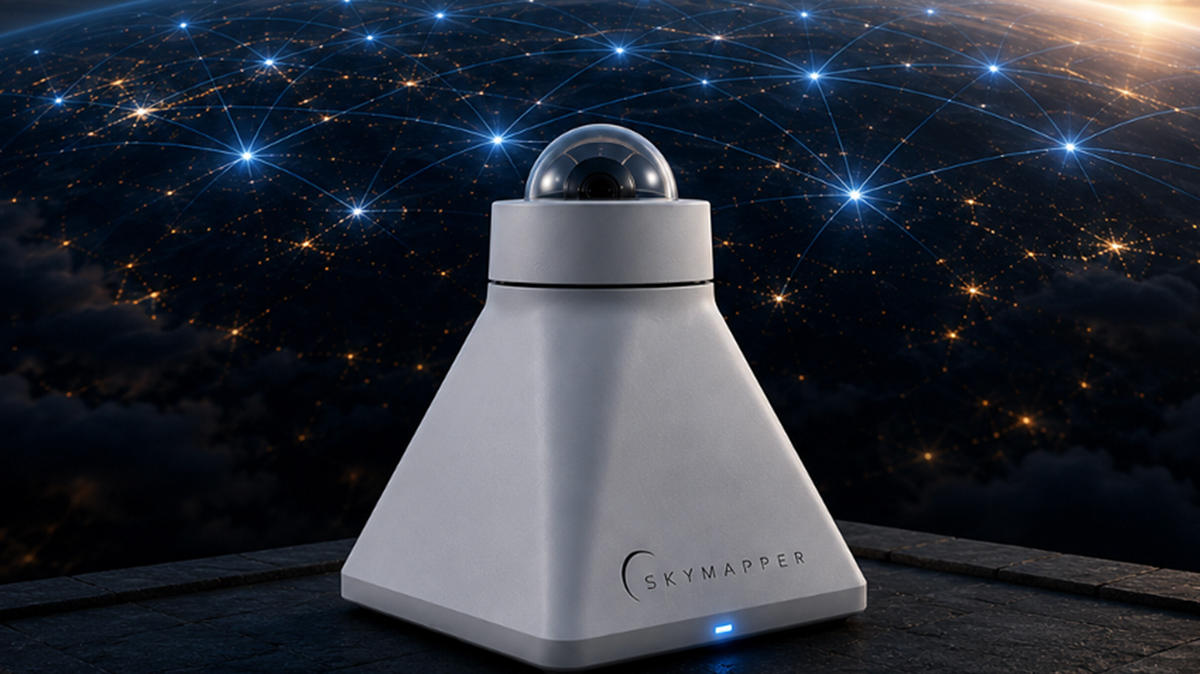
Jun 9, 2026
Disclosure Needs Data
#SkyMapper #Franck Marchis #SETI #citizen science
Jun 8, 2026
The Sounds of Intelligence: A Conversation with 2026 Drake Award Recipient Lori Marino
#Blog #Drake Awards #Lori Marino #SETI
Jun 6, 2026
A Rare Visitor from Another Star System
#3I/ATLAS #Quiz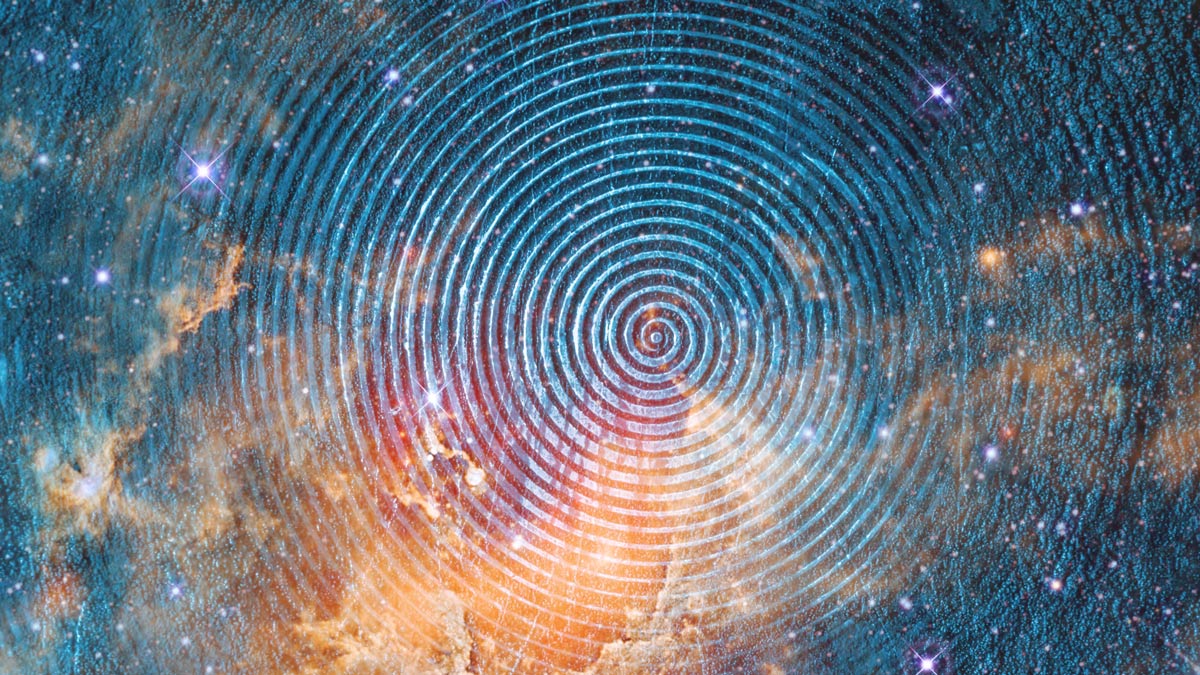
Jun 5, 2026
Beyond Disclosure Day: The Real-World Protocols
#Press Releases #SETI #Astronomy #Bill Diamond #SETI Institute
Jun 4, 2026
SETI Institute In the News: May Roundup 2026
#SETI Institute in the News #SETI Institute #Community #Solar System #Matija Ćuk #Neptune #SETI #Bill Diamond #UAPs #Drake Awards #Lori Marino #Matthew Tiscareno #Outreach #Exoplanets #Carl Sagan Center
Jun 17, 2026
#Community College Internship
#Education
#Lauren Sgro
#Unistellar
#Uma Gorti
#Douglas Caldwell
#Pamela Harman
#Simon Steel
Jun 9, 2026
#SkyMapper
#Franck Marchis
#SETI
#citizen science
Disclosure Needs Data
Jun 8, 2026
#Blog
#Drake Awards
#Lori Marino
#SETI
The Sounds of Intelligence: A Conversation with 2026 Drake Award Recipient Lori Marino
Jun 6, 2026
#3I/ATLAS
#Quiz
A Rare Visitor from Another Star System
Jun 5, 2026
#Press Releases
#SETI
#Astronomy
#Bill Diamond
#SETI Institute
Beyond Disclosure Day: The Real-World Protocols
Jun 4, 2026
#SETI Institute in the News
#SETI Institute
#Community
#Solar System
#Matija Ćuk
#Neptune
#SETI
#Bill Diamond
#UAPs
#Drake Awards
#Lori Marino
#Matthew Tiscareno
#Outreach
#Exoplanets
#Carl Sagan Center
SETI Institute In the News: May Roundup 2026
Research
Related Projects

SkyMapper • SETI • Citizen Science • Astronomy
SkyMapper: Expanding Access to Real-time Astronomy Through a Global Astronomical Network
SkyMapper and the SETI Institute are connecting educators, students and the public to live astronomical observations through a distributed astronomical network. #SkyMapper #SETI #Citizen Science #Astronomy
VPL
Virtual Planetary Laboratory
How can we best assess whether an exoplanet supports life? #VPL
Discovery and Futures Lab
Discovery and Futures Lab
What happens if life beyond Earth is discovered? The Discovery and Futures Lab at the SETI Institute fosters novel and anticipatory research at the intersection of science, society, our planet, and the search for life beyond Earth. #Discovery and Futures Lab
May 17, 2026
SkyMapper: Expanding Access to Real-time Astronomy Through a Global Astronomical Network
SkyMapper and the SETI Institute are connecting educators, students and the public to live astronomical observations through a distributed astronomical network.
#SkyMapper
#SETI
#Citizen Science
#Astronomy
May 5, 2026
Virtual Planetary Laboratory
How can we best assess whether an exoplanet supports life?
#VPL
Apr 16, 2026
Discovery and Futures Lab
What happens if life beyond Earth is discovered? The Discovery and Futures Lab at the SETI Institute fosters novel and anticipatory research at the intersection of science, society, our planet, and the search for life beyond Earth.
#Discovery and Futures Lab
Support Us
Support the
SETI Institute
Scientists are getting closer in their search for life beyond earth. But with limited federal funding for the search for extraterrestrial intelligence, supporters are the reason cutting-edge scientists can keep their eyes on the sky.
