)

Wednesday, Jun 18, 2025

June 18, 2025, Mountain View, CA – The SETI Institute and SpaceX have launched a groundbreaking collaboration to help protect sensitive radio astronomy observations at the Allen Telescope Array (ATA) from interference caused by satellite communications such as certain direct-to-cell signal transmissions from Starlink satellites. This effort represents a significant step forward in preserving the integrity of radio astronomy as satellite communications continue to expand global connectivity. SpaceX has previously reported on its collaboration with the National Radio Astronomy Observatory and the development of satellite boresight avoidance capabilities.
“The SETI Institute is at the forefront of developing solutions that allow for the continued exploration of the cosmos while accommodating the rapid evolution of satellite communications,” said Dr. David DeBoer, a researcher at the ATA. “Our collaboration with SpaceX is an important step in demonstrating that scientific discovery and technological progress can go hand in hand with the right coordination.”
Located in rural Shasta County, California, the ATA is a highly sensitive radio telescope used to search for extraterrestrial technological signals and study fast radio bursts and pulsars. While the ATA remains the first and only observatory built specifically to conduct SETI research, it now supports a wide array of research efforts. However, signals transmitted from satellites back to Earth can interfere with the ATA’s sensitive observations.
One of the key challenges faced by radio observatories such as the ATA is signal saturation, which occurs when a signal from a passing satellite overloads the telescope's extremely sensitive receivers, rendering observations temporarily unusable. SpaceX’s Starlink satellites, which provide internet service and, more recently, mobile text connectivity across the U.S., utilize certain ATA-sensitive frequencies. When a Starlink satellite passes directly through the ATA’s field of view, its signal strength can momentarily disrupt data collection via signal saturation.
Recognizing the significance of this issue, and in collaboration with the U.S. National Science Foundation, SpaceX has been working closely with radio observatories to mitigate the saturation effect. The ATA is among the first facilities to implement new coordination techniques in partnership with SpaceX, successfully reducing signal interference with minimal impact to Starlink’s consumer services. These mitigation strategies affect only one of several satellites in orbit at a time and only for a few seconds, ensuring uninterrupted connectivity for users while preserving the scientific integrity of radio astronomy observations.
This initiative is part of a broader effort between SpaceX and the scientific community to ensure that radio observatories can continue to operate effectively as the radio frequency spectrum becomes increasingly congested. Researchers at the ATA are pioneering innovative spectrum management techniques, including the concept of “radio dynamic zones,” which propose a more flexible approach to frequency allocation. These advancements aim to enhance the coexistence between scientific research and commercial telecommunications, fostering a future where both can thrive.
About the SETI Institute
Founded in 1984, the SETI Institute is a non-profit, multi-disciplinary research and education organization whose mission is to lead humanity’s quest to understand the origins and prevalence of life and intelligence in the universe and share that knowledge with the world. Our research encompasses the physical and biological sciences and leverages data analytics, machine learning, and advanced signal detection technologies. The SETI Institute is a distinguished research partner for industry, academia, and government agencies, including NASA and the National Science Foundation.
Contact information
Rebecca McDonald
Director of Communications
SETI Institute
[email protected]







News
Related News

Jun 29, 2026
Humanity's Plan for First Contact: Who Speaks for Earth?
#Blog #Lauren Sgro #Lucian Walkowicz #Chelsea Haramia #SETI #SETI Institute
Jun 5, 2026
Beyond Disclosure Day: The Real-World Protocols
#Press Releases #SETI #Astronomy #Bill Diamond #SETI Institute
Jun 4, 2026
SETI Institute In the News: May Roundup 2026
#SETI Institute in the News #SETI Institute #Community #Solar System #Matija Ćuk #Neptune #SETI #Bill Diamond #UAPs #Drake Awards #Lori Marino #Matthew Tiscareno #Outreach #Exoplanets #Carl Sagan Center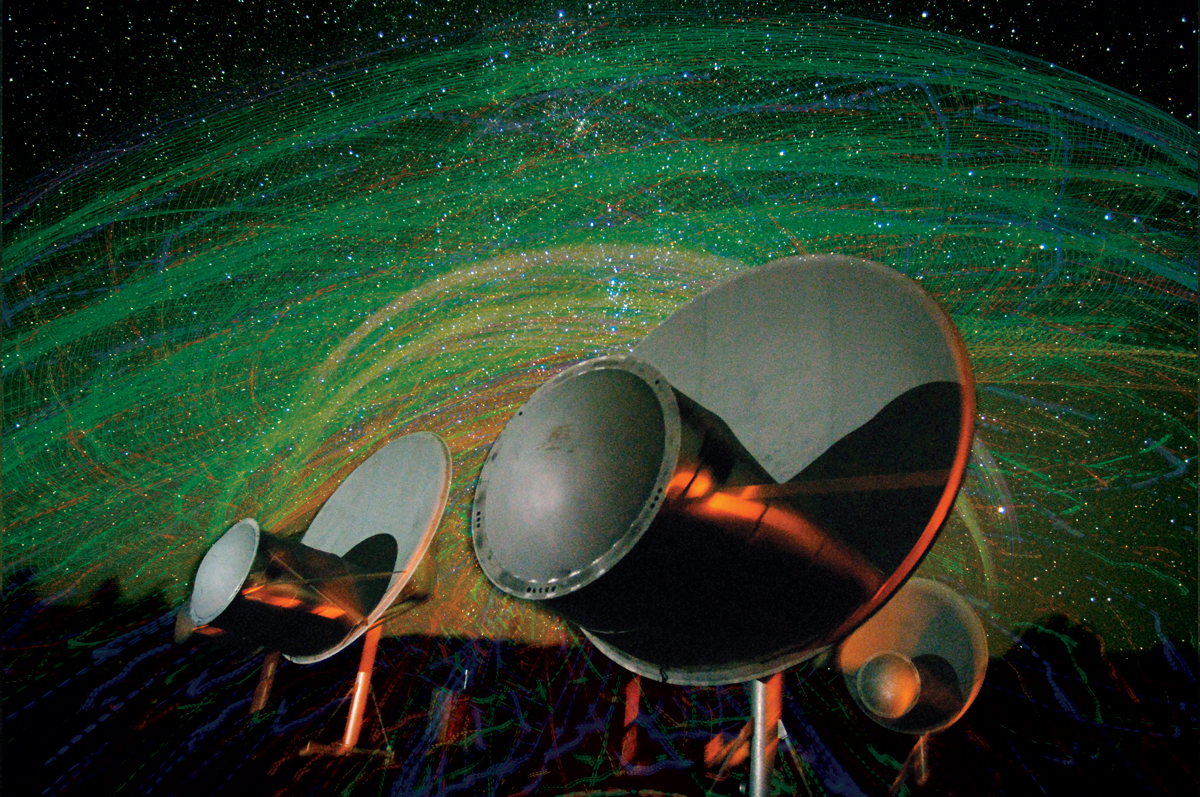
Jun 3, 2026
SETI Institute Looks for Signs of Technology in Interstellar Visitor 3I/ATLAS
Observations with the Allen Telescope Array set new limits on possible signals from extraterrestrial transmitters. #Press Releases #ATA #3I/ATLAS #Hat Creek Radio Observatory #Radio Astronomy #SETI
Jun 1, 2026
SETI Institute Awards $1 Million in STRIDE Grants to Advance Astrobiology, Exoplanet Science, and Public Engagement
#Press Releases #STRIDE #Research #Carl Sagan Center #Spectroscopy #Solar System #SETI #Climate and Bioscience #Astronomy #Astrobiology #Exoplanets #Data Science #Education #Outreach #Hat Creek Radio Observatory #Unistellar #SkyMapper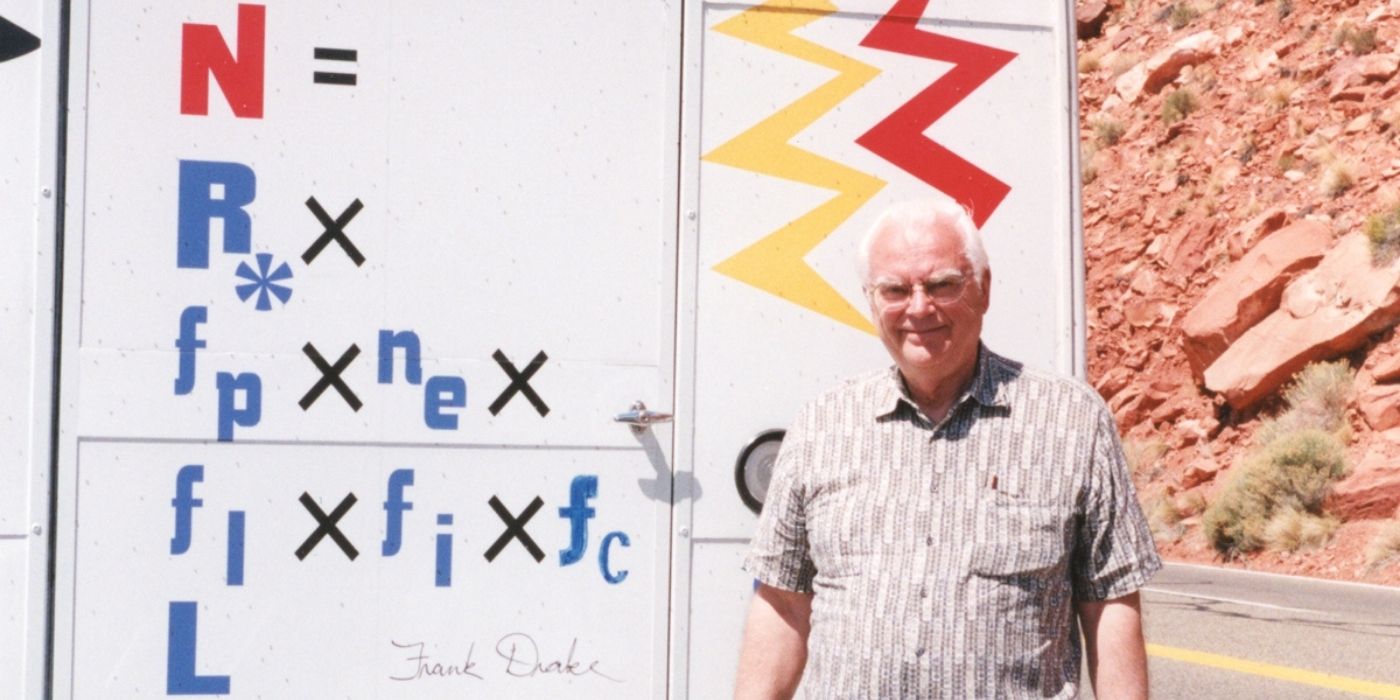
May 28, 2026
Celebrating Frank Drake
#Frank Drake #SETI #Project Ozma #Drake Equation #SETI Institute
Jun 29, 2026
#Blog
#Lauren Sgro
#Lucian Walkowicz
#Chelsea Haramia
#SETI
#SETI Institute
Jun 5, 2026
#Press Releases
#SETI
#Astronomy
#Bill Diamond
#SETI Institute
Beyond Disclosure Day: The Real-World Protocols
Jun 4, 2026
#SETI Institute in the News
#SETI Institute
#Community
#Solar System
#Matija Ćuk
#Neptune
#SETI
#Bill Diamond
#UAPs
#Drake Awards
#Lori Marino
#Matthew Tiscareno
#Outreach
#Exoplanets
#Carl Sagan Center
SETI Institute In the News: May Roundup 2026
Jun 3, 2026
SETI Institute Looks for Signs of Technology in Interstellar Visitor 3I/ATLAS
Observations with the Allen Telescope Array set new limits on possible signals from extraterrestrial transmitters.
#Press Releases
#ATA
#3I/ATLAS
#Hat Creek Radio Observatory
#Radio Astronomy
#SETI
Jun 1, 2026
#Press Releases
#STRIDE
#Research
#Carl Sagan Center
#Spectroscopy
#Solar System
#SETI
#Climate and Bioscience
#Astronomy
#Astrobiology
#Exoplanets
#Data Science
#Education
#Outreach
#Hat Creek Radio Observatory
#Unistellar
#SkyMapper
SETI Institute Awards $1 Million in STRIDE Grants to Advance Astrobiology, Exoplanet Science, and Public Engagement
May 28, 2026
#Frank Drake
#SETI
#Project Ozma
#Drake Equation
#SETI Institute
Celebrating Frank Drake
Research
Related Projects

SkyMapper • SETI • Citizen Science • Astronomy
SkyMapper: Expanding Access to Real-time Astronomy Through a Global Astronomical Network
SkyMapper and the SETI Institute are connecting educators, students and the public to live astronomical observations through a distributed astronomical network. #SkyMapper #SETI #Citizen Science #Astronomy
VPL
Virtual Planetary Laboratory
How can we best assess whether an exoplanet supports life? #VPL
Discovery and Futures Lab
Discovery and Futures Lab
What happens if life beyond Earth is discovered? The Discovery and Futures Lab at the SETI Institute fosters novel and anticipatory research at the intersection of science, society, our planet, and the search for life beyond Earth. #Discovery and Futures Lab
May 17, 2026
SkyMapper: Expanding Access to Real-time Astronomy Through a Global Astronomical Network
SkyMapper and the SETI Institute are connecting educators, students and the public to live astronomical observations through a distributed astronomical network.
#SkyMapper
#SETI
#Citizen Science
#Astronomy
May 5, 2026
Virtual Planetary Laboratory
How can we best assess whether an exoplanet supports life?
#VPL
Apr 16, 2026
Discovery and Futures Lab
What happens if life beyond Earth is discovered? The Discovery and Futures Lab at the SETI Institute fosters novel and anticipatory research at the intersection of science, society, our planet, and the search for life beyond Earth.
#Discovery and Futures Lab
Support Us
Support the
SETI Institute
Scientists are getting closer in their search for life beyond earth. But with limited federal funding for the search for extraterrestrial intelligence, supporters are the reason cutting-edge scientists can keep their eyes on the sky.
