)

Wednesday, Mar 02, 2022
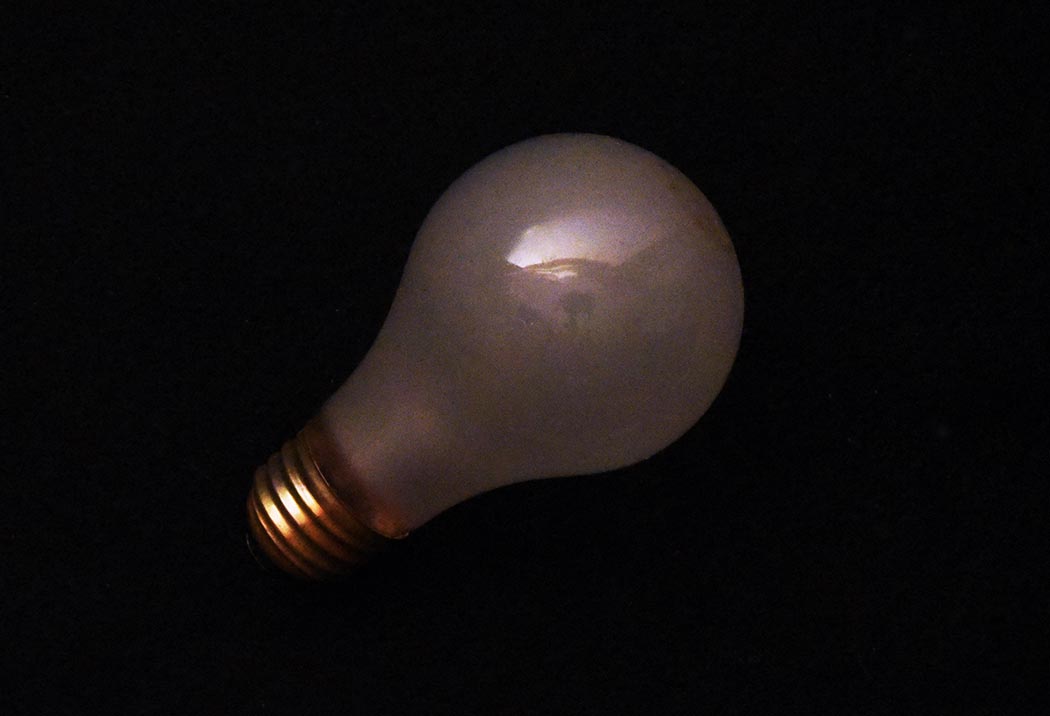
Items in the Library of the Great Silence: Lightbulb
Items in the Library of the Great Silence: Lightbulb
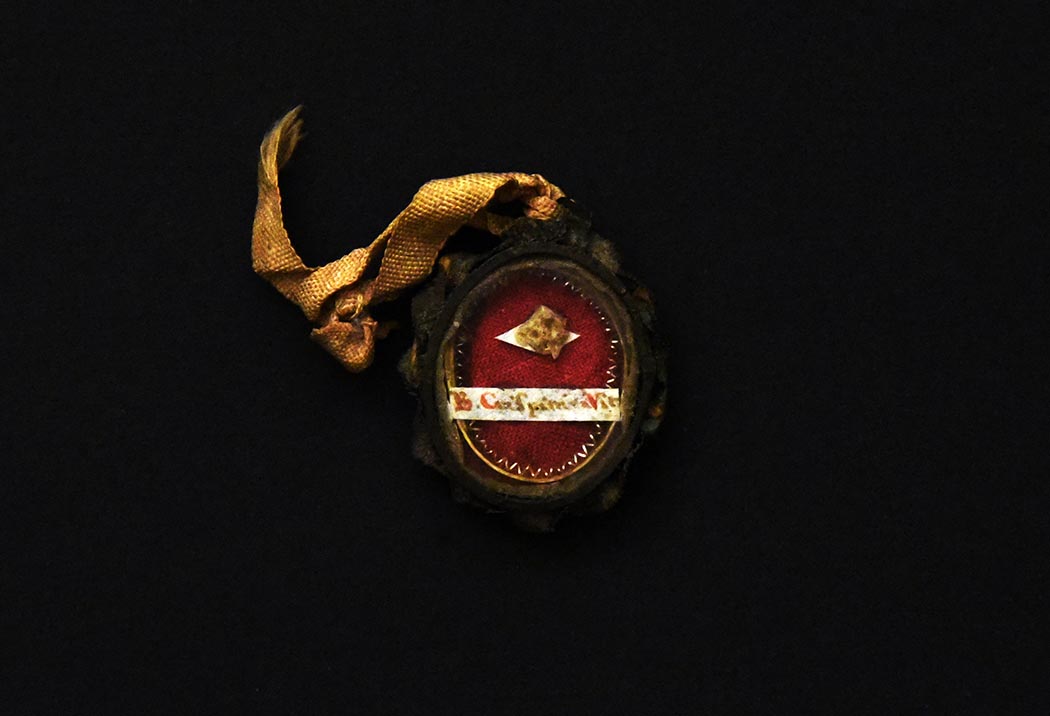
Items in the Library of the Great Silence: Reliquary
Items in the Library of the Great Silence: Reliquary
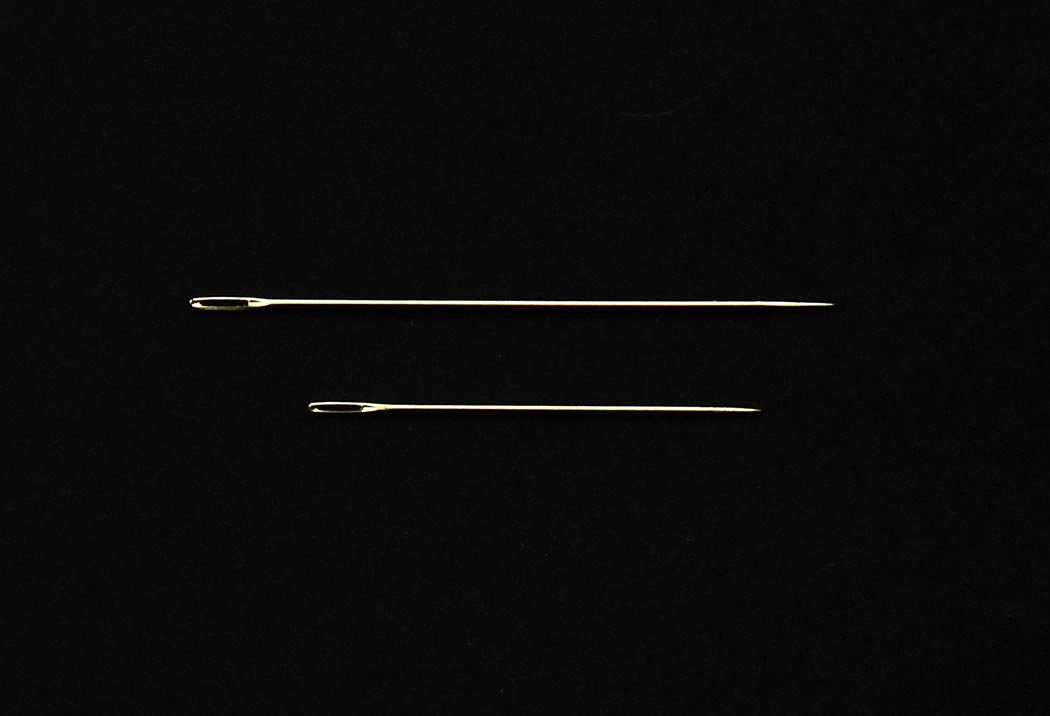
Items in the Library of the Great Silence: Needle
Items in the Library of the Great Silence: Needle
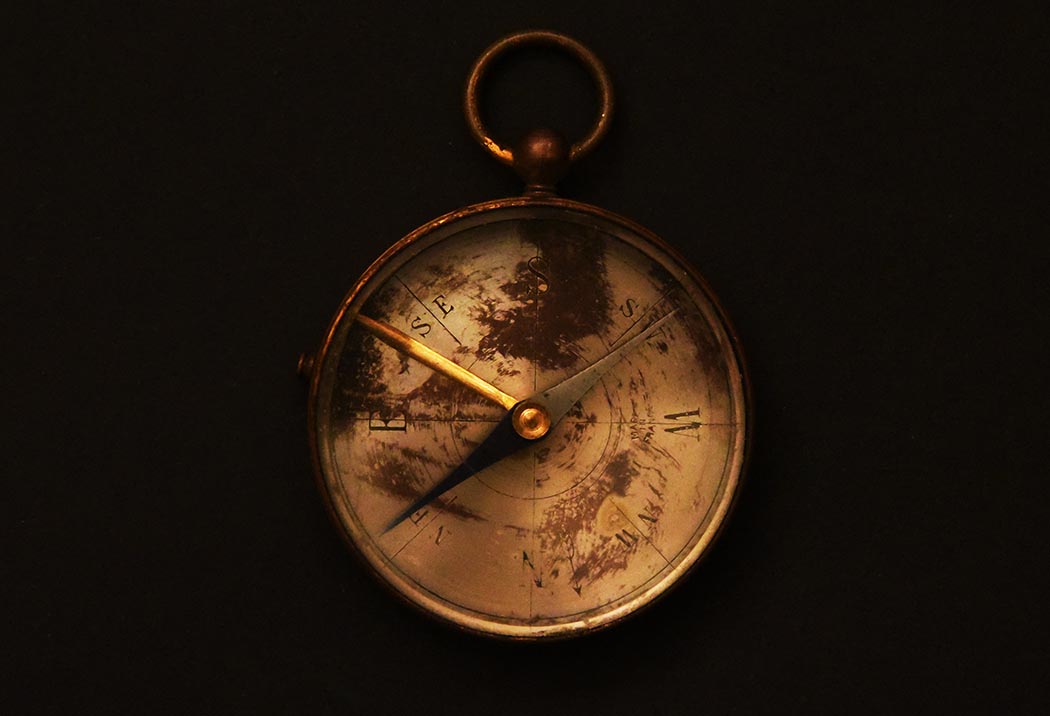
Items in the Library of the Great Silence: Compass
Items in the Library of the Great Silence: Compass

Items in the Library of the Great Silence: Bottled Water
Items in the Library of the Great Silence: Bottled Water
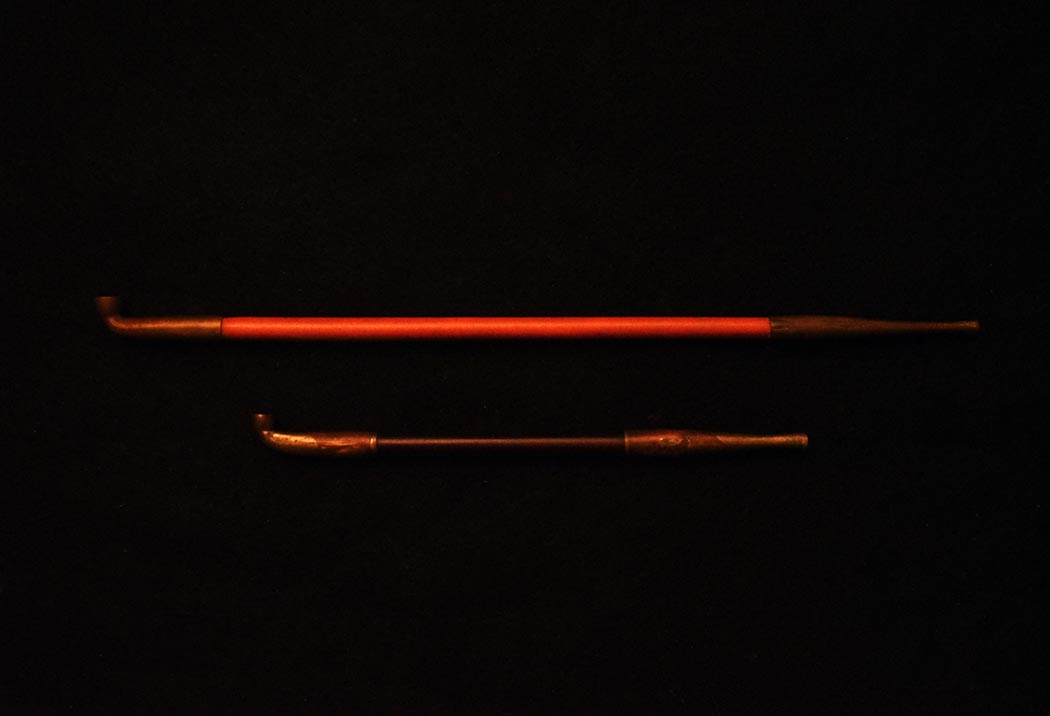
Items in the Library of the Great Silence: Pipes
Items in the Library of the Great Silence: Pipes
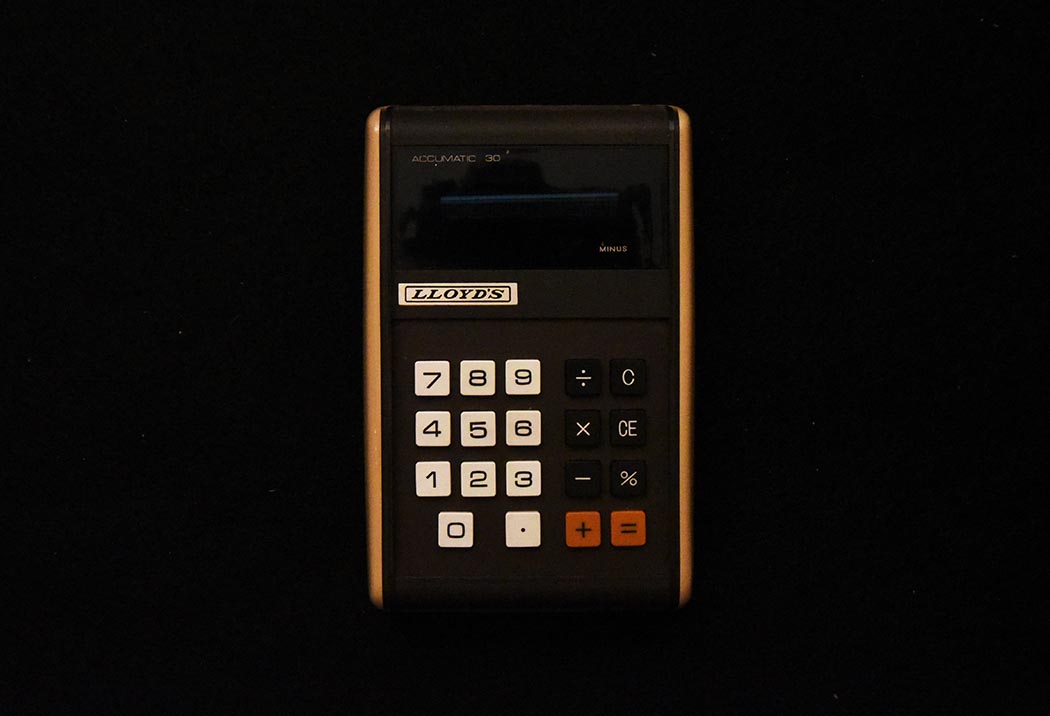
Items in the Library of the Great Silence: Calculator
Items in the Library of the Great Silence: Calculator
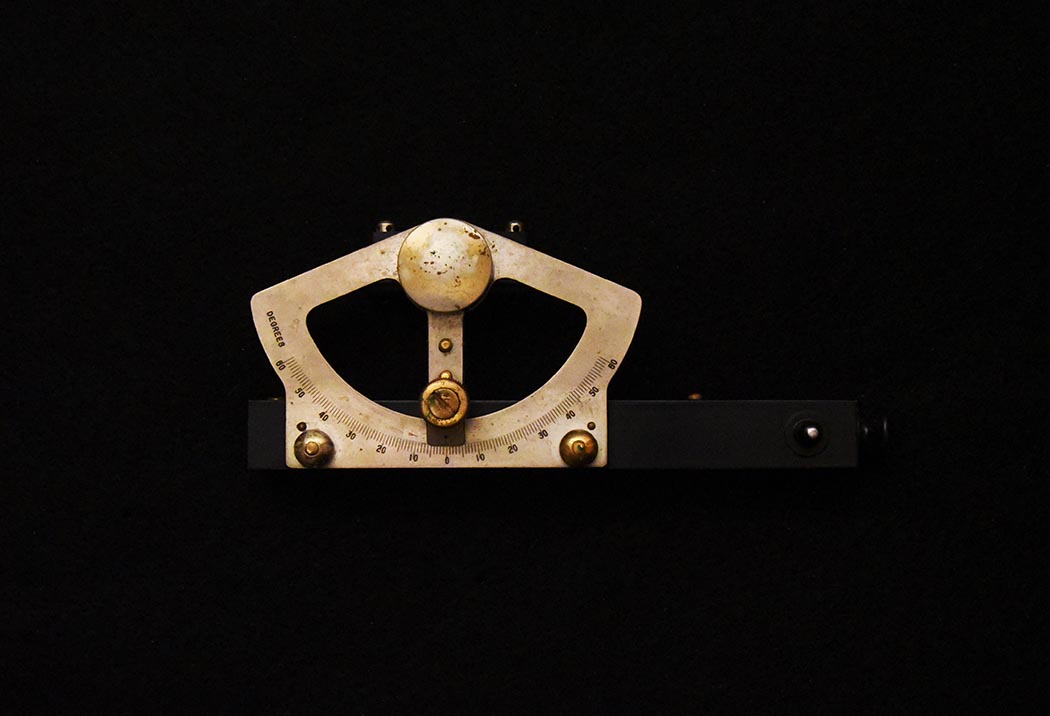
Items in the Library of the Great Silence: Survey Scope
Items in the Library of the Great Silence: Survey Scope
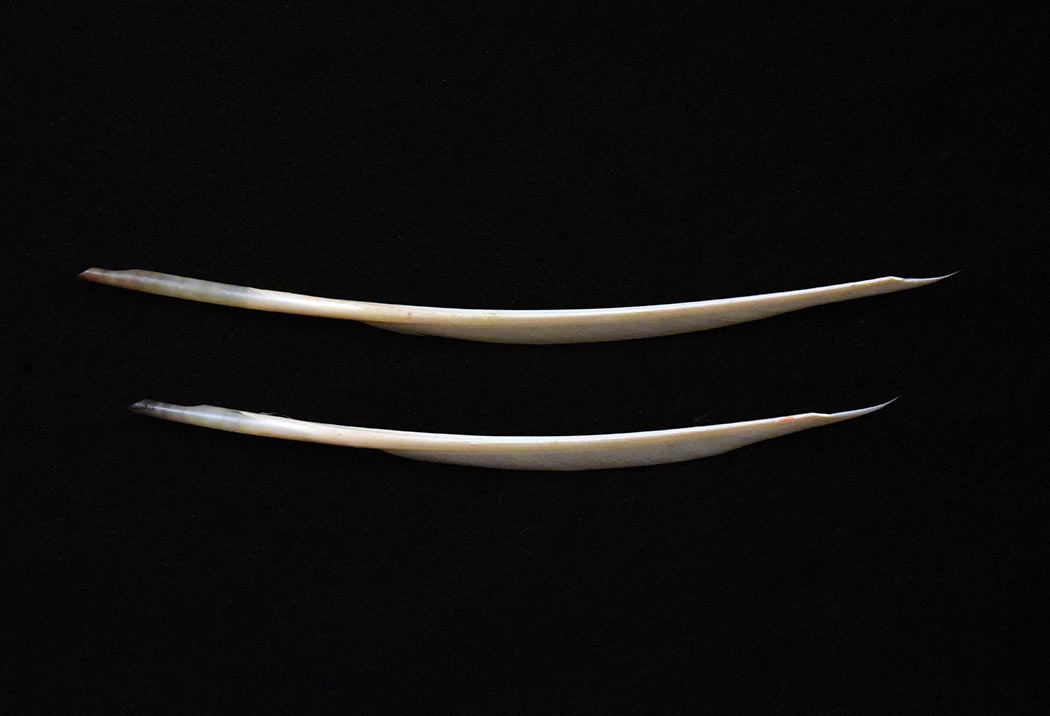
Items in the Library of the Great Silence: Quill
Items in the Library of the Great Silence: Quill
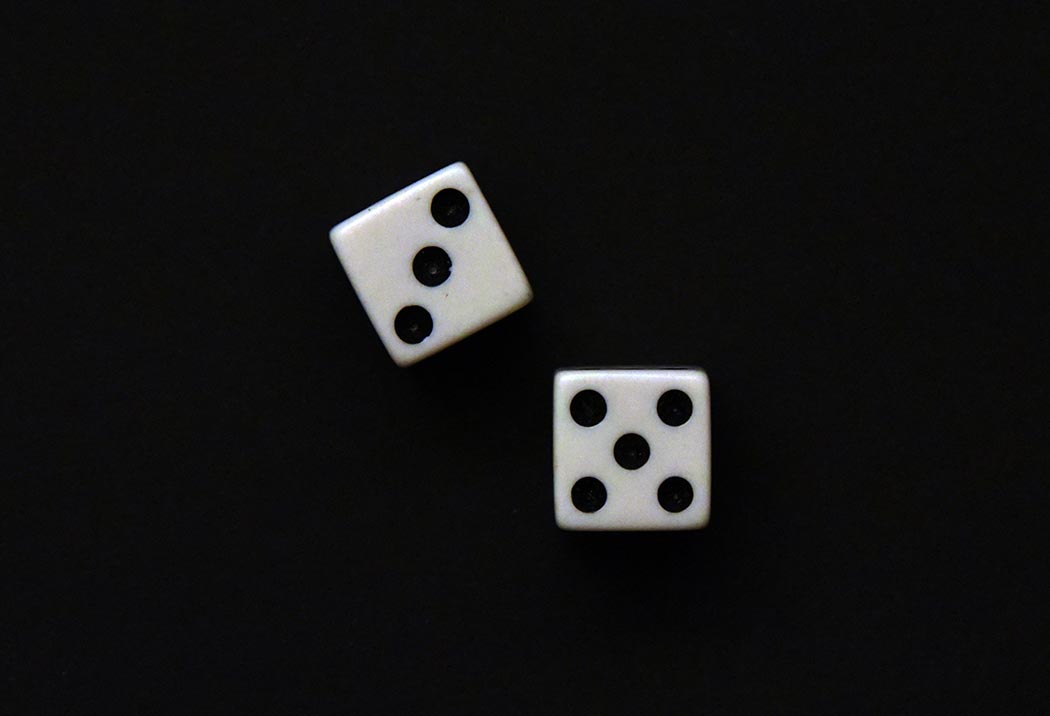
Items in the Library of the Great Silence: Dice
Items in the Library of the Great Silence: Dice
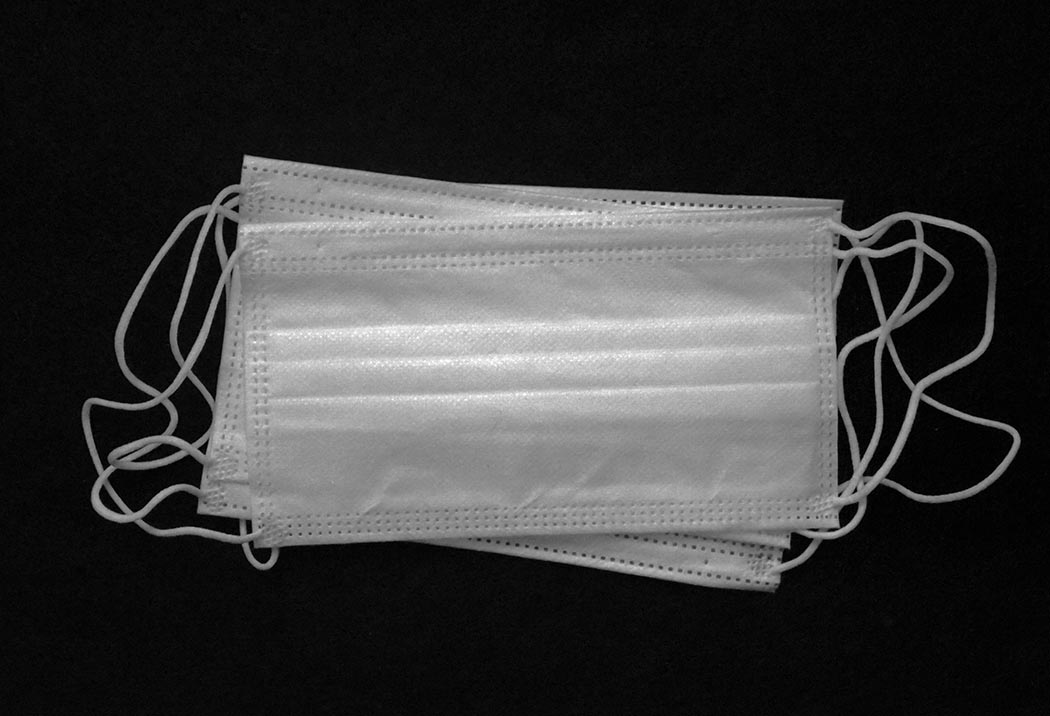
Items in the Library of the Great Silence: Facemasks
Items in the Library of the Great Silence: Facemasks
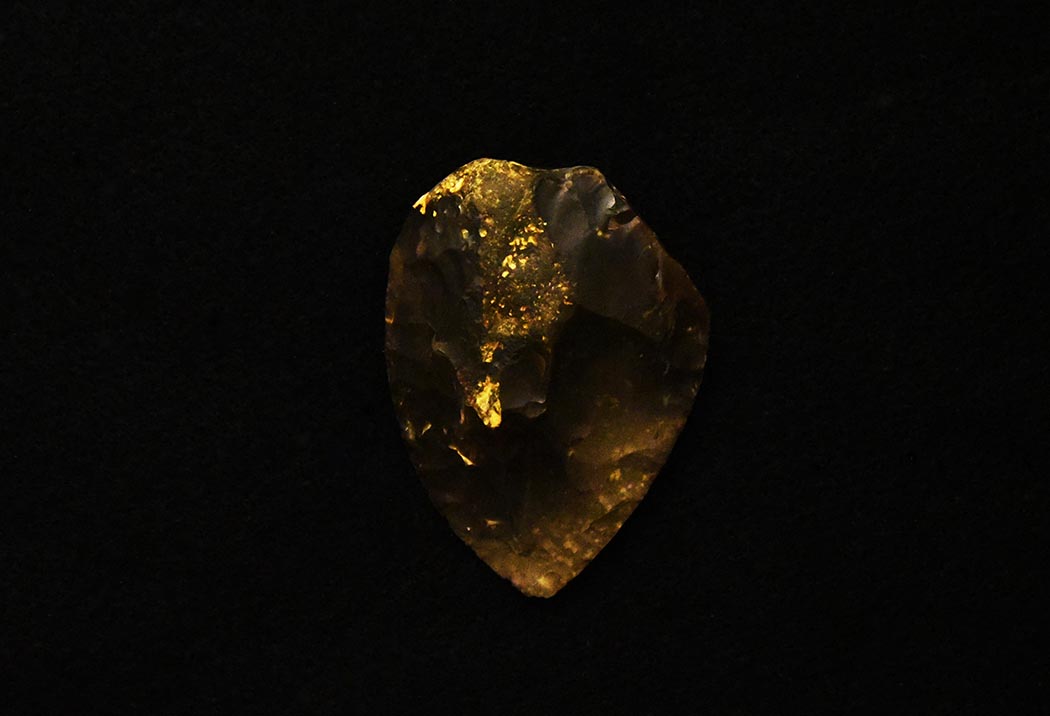
Items in the Library of the Great Silence: Handaxe
Items in the Library of the Great Silence: Handaxe
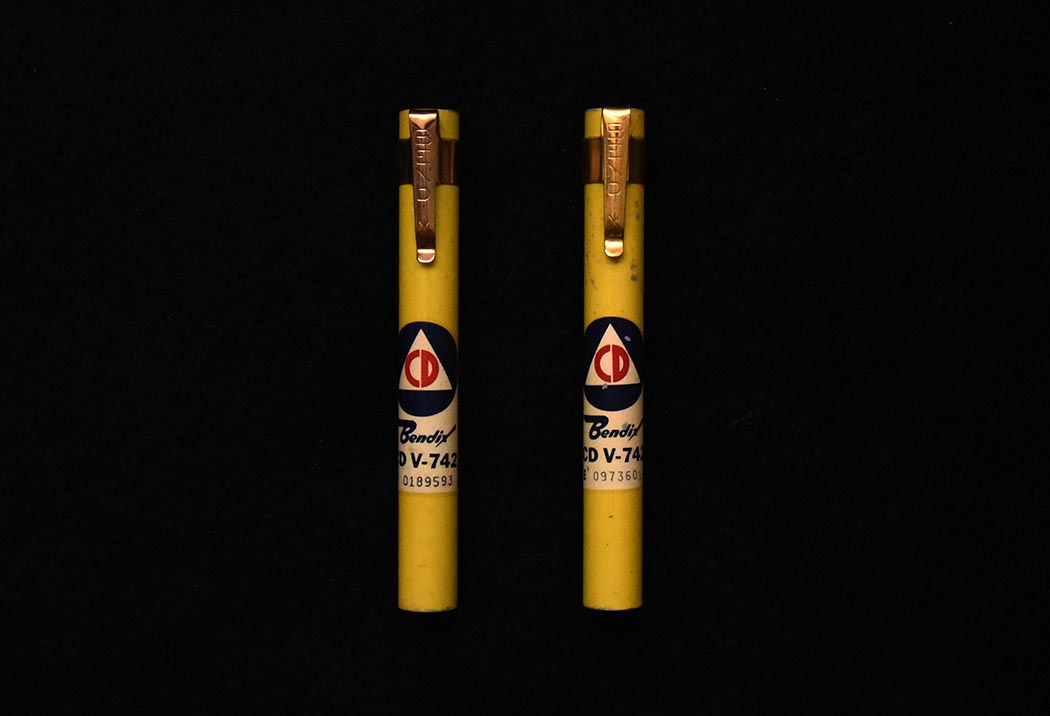
Items in the Library of the Great Silence: Dosimeter
Items in the Library of the Great Silence: Dosimeter
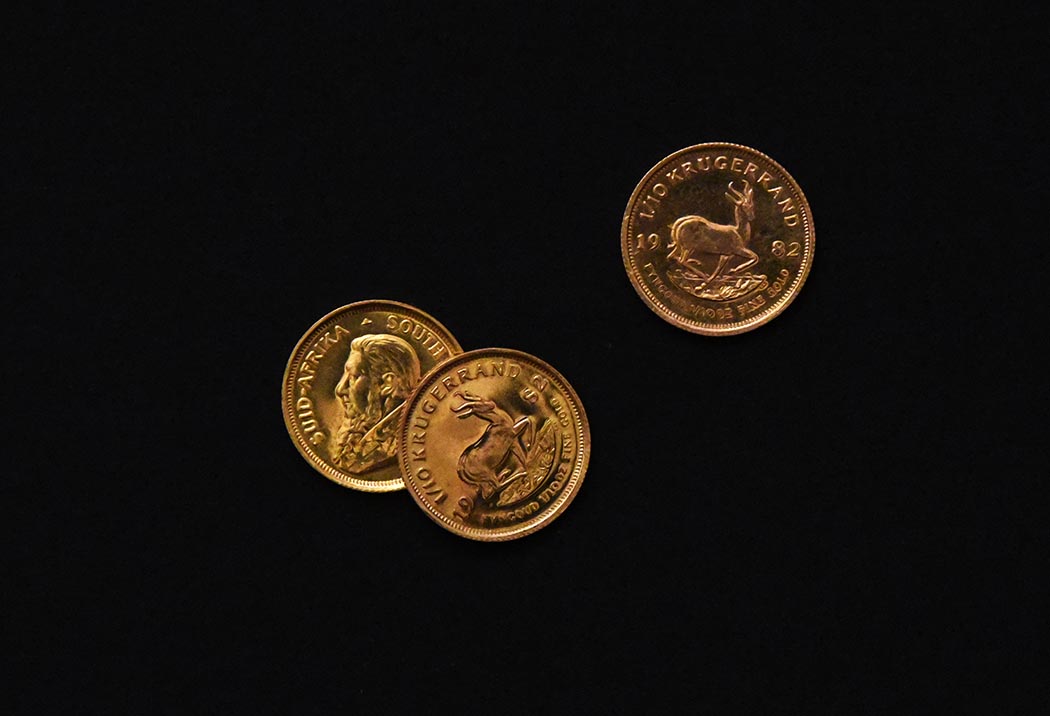
Items in the Library of the Great Silence: Gold Coins
Items in the Library of the Great Silence: Gold Coins
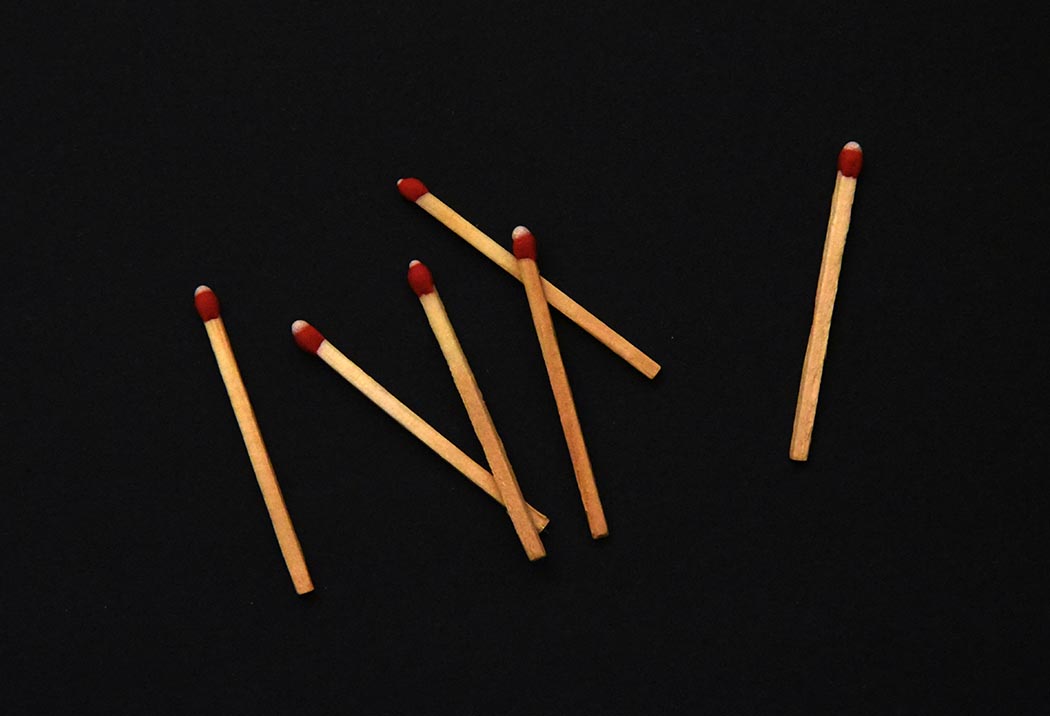
Items in the Library of the Great Silence: Matches
Items in the Library of the Great Silence: Matches

Items in the Library of the Great Silence: Paper Currency
Items in the Library of the Great Silence: Paper Currency

Items in the Library of the Great Silence: Badge
Items in the Library of the Great Silence: Badge

Items in the Library of the Great Silence: Antibiotic
Items in the Library of the Great Silence: Antibiotic

Items in the Library of the Great Silence: Padlock
Items in the Library of the Great Silence: Padlock

Library of the Great Silence: Fontecchio Installation
Library of the Great Silence: Fontecchio Installation
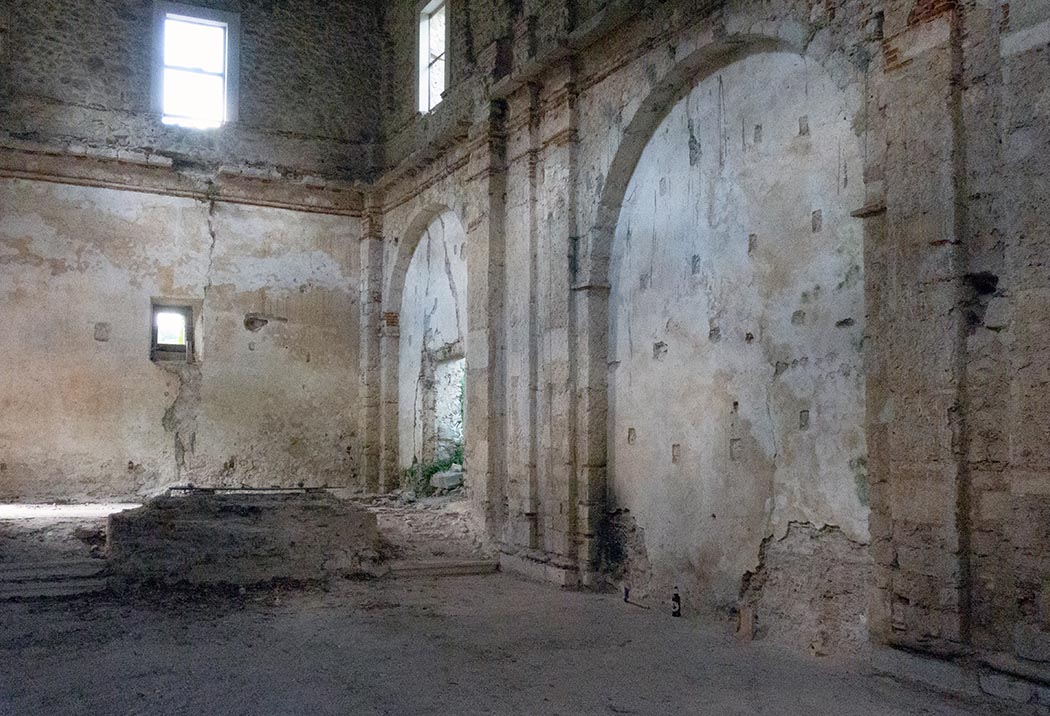
Library of the Great Silence: Fontecchio Installation
Library of the Great Silence: Fontecchio Installation
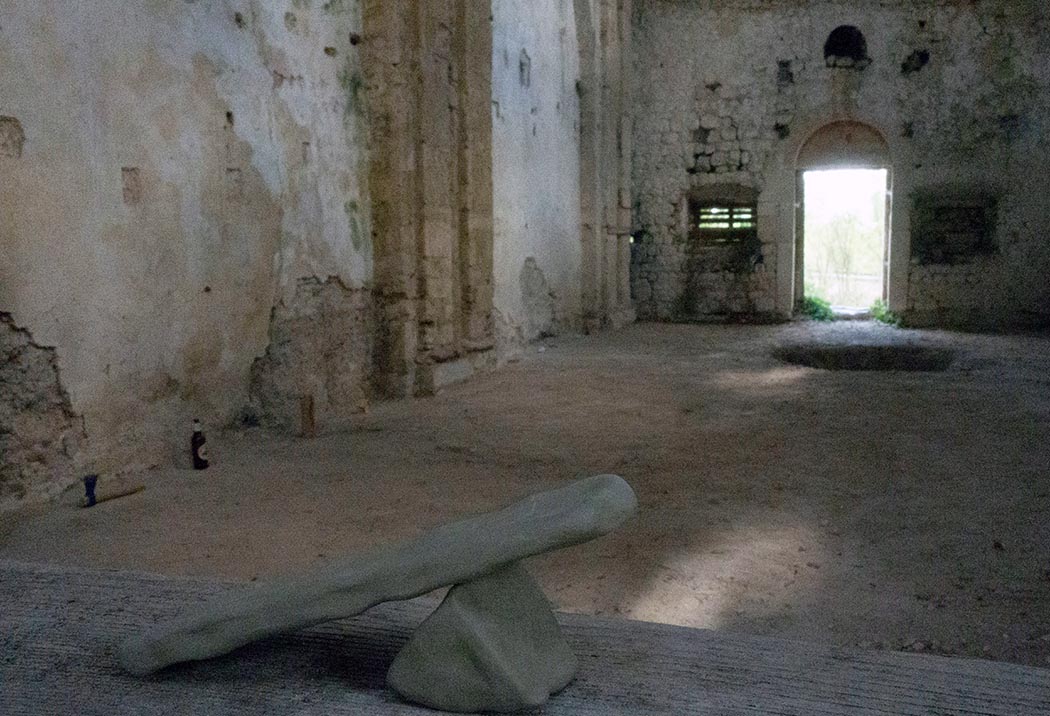
Library of the Great Silence: Fontecchio Installation
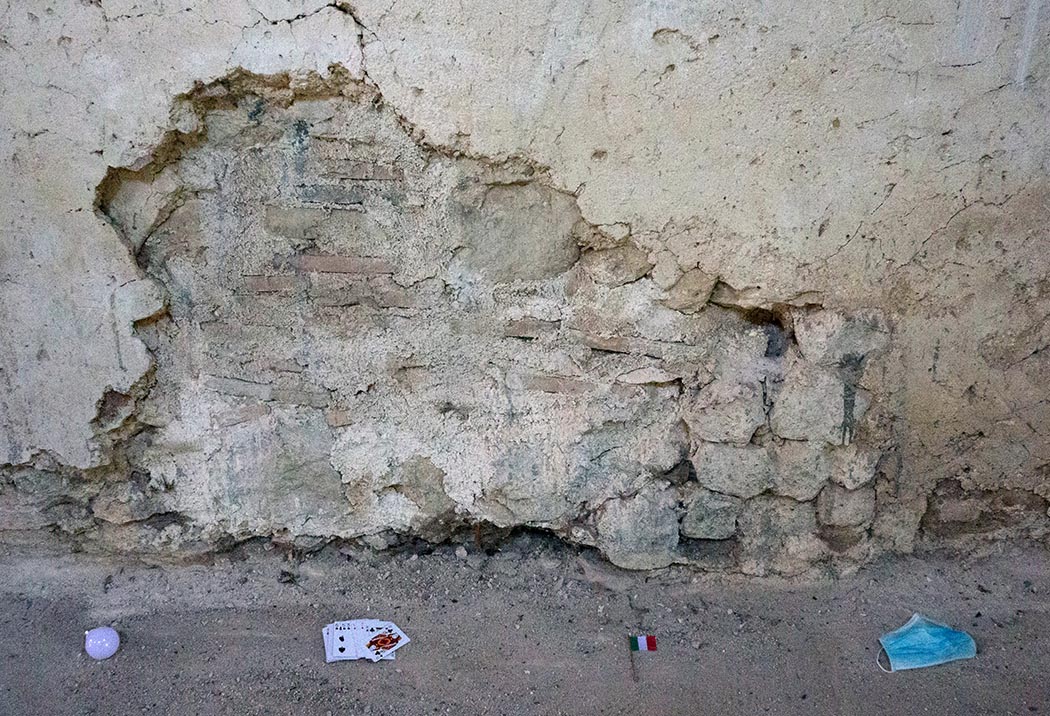
Library of the Great Silence: Fontecchio Installation
Library of the Great Silence: Fontecchio Installation
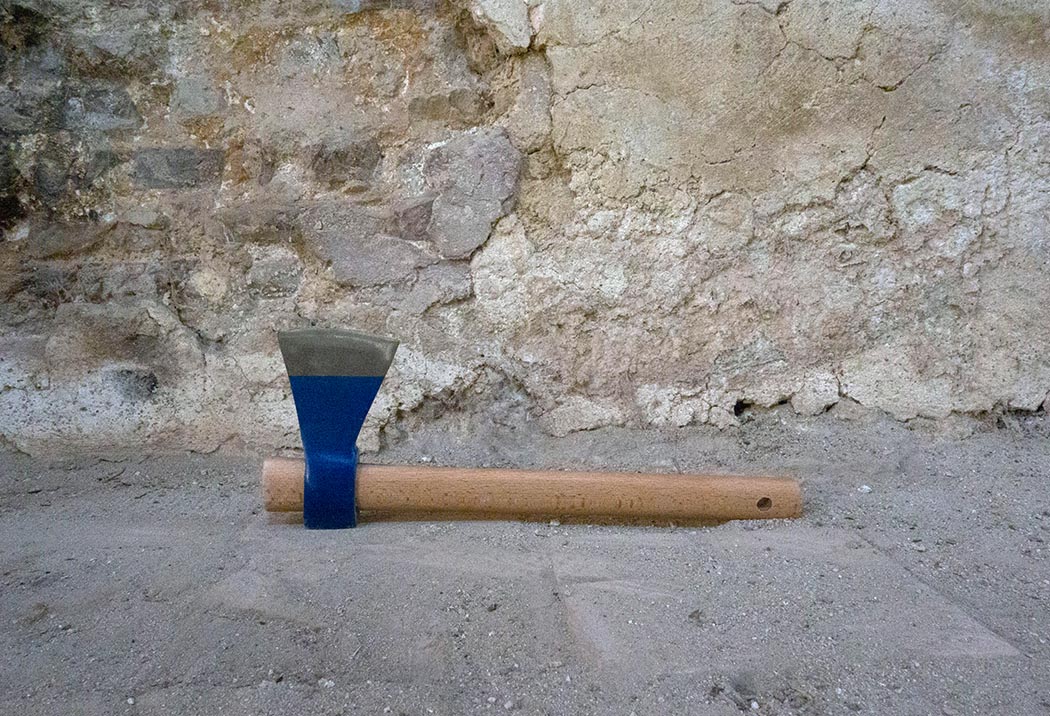
Library of the Great Silence: Fontecchio Installation
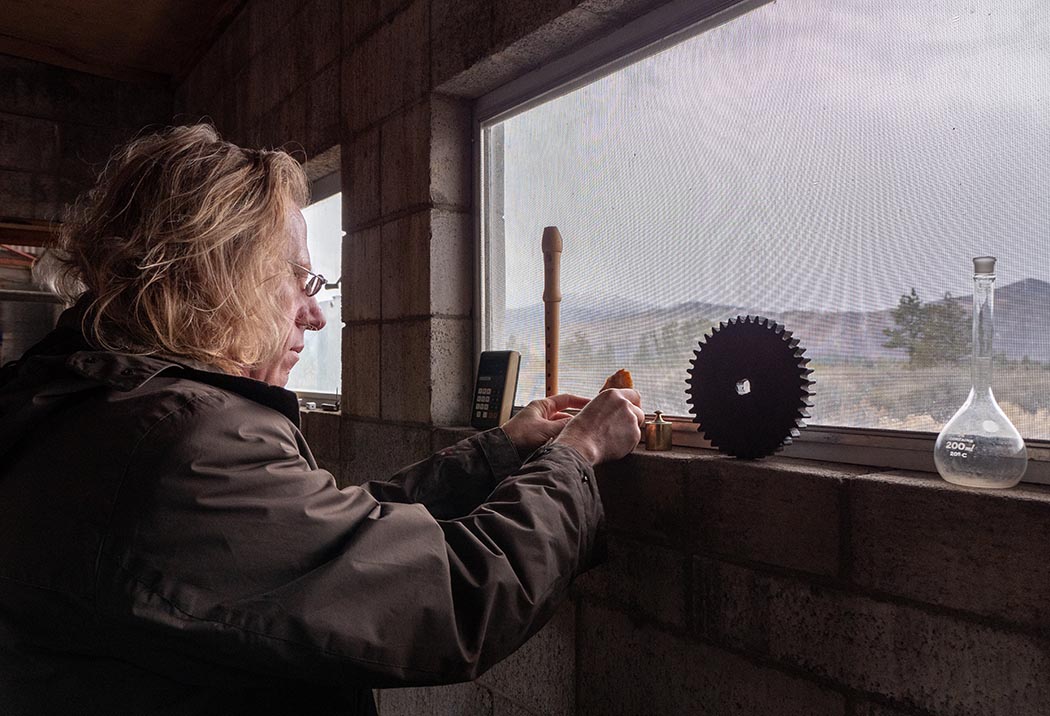
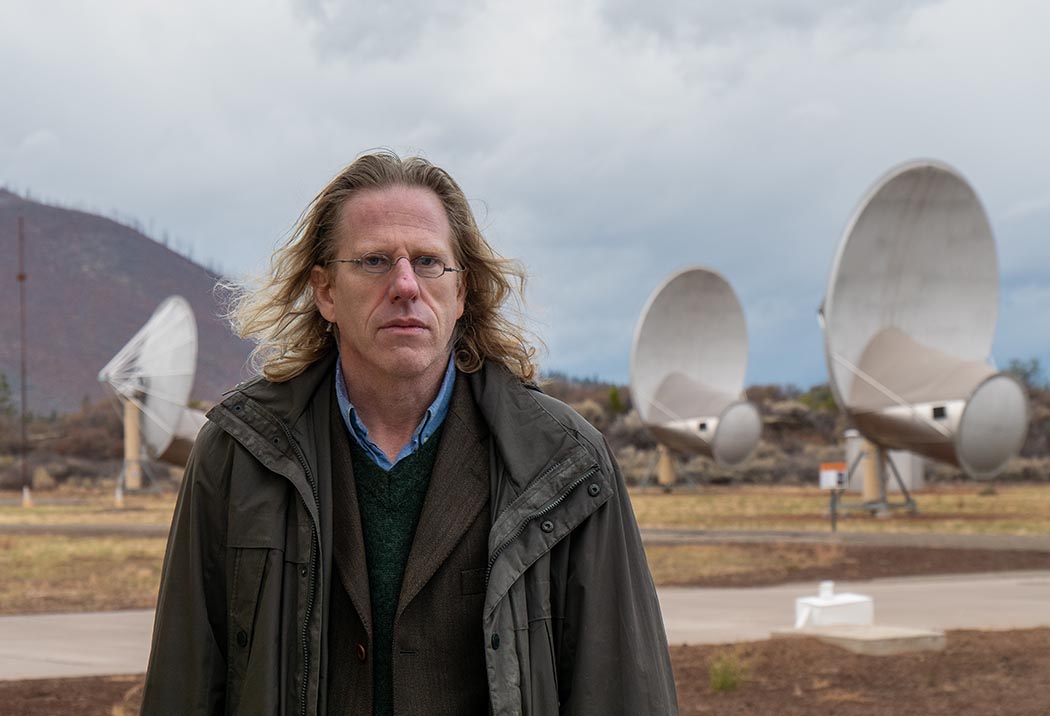
Jonathon Keats at the ATA. by Vincenzo Mancuso.
Jonathon Keats at the ATA. by Vincenzo Mancuso.
Jonathon Keats at the ATA. by Vincenzo Mancuso.
Jonathon Keats at the ATA. by Vincenzo Mancuso.
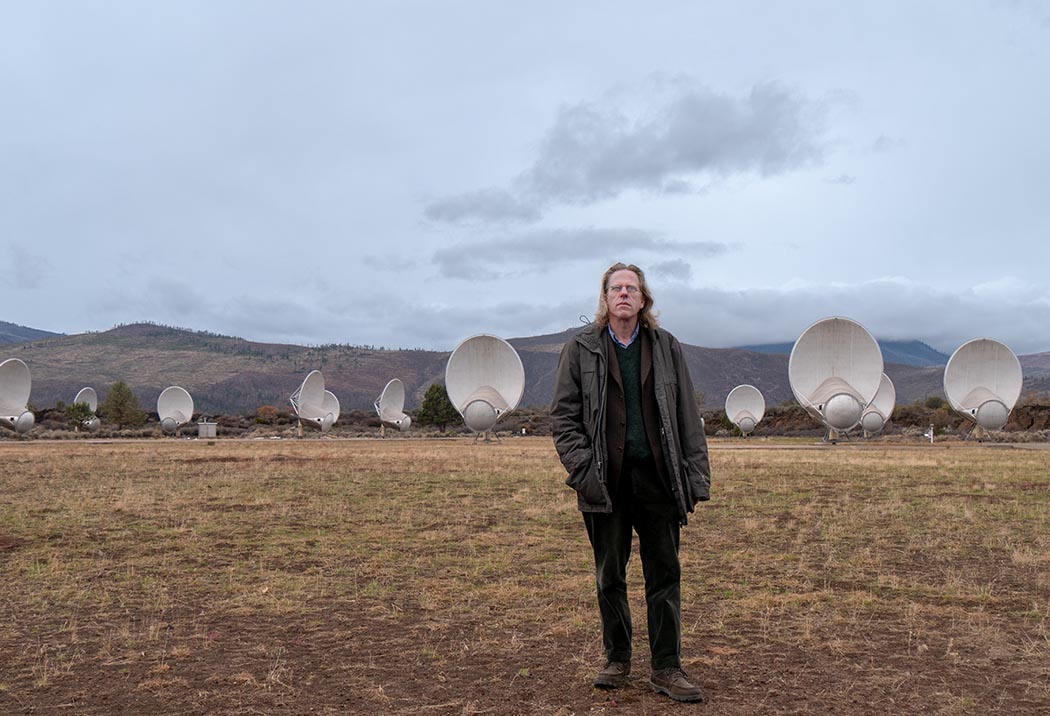
Jonathon Keats at the ATA. by Vincenzo Mancuso.
Jonathon Keats at the ATA. by Vincenzo Mancuso.
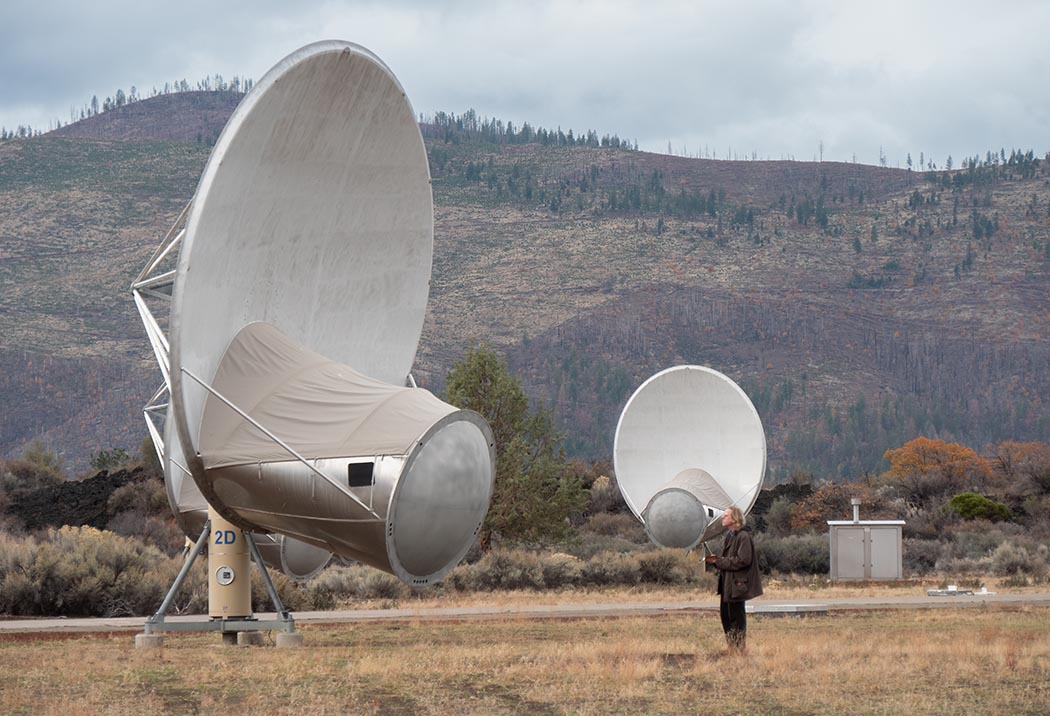
Jonathon Keats at the ATA. by Vincenzo Mancuso.
Jonathon Keats at the ATA. by Vincenzo Mancuso.
The Library of the Great Silence Is a Global Initiative To Collect Material Evidence Of Existential Threats – The Public Is Invited To A Special Launch Event At San Francisco’s Modernism Gallery On March 10.
Searching the cosmos for extraterrestrial intelligence over the past hundred years, humans have been met with silence, leading scientists to fret that intelligence may cause extinction. A new research center will investigate existential threats to advanced civilizations – ranging from climate change to nuclear apocalypse – inviting terrestrials and beings throughout the universe to share their knowledge of how societies thrive or self-destruct.
The Library of the Great Silence is the first organization to lay groundwork for intellectual collaboration between all forms of intelligence. “We believe that the greatest questions can be answered only if we open our doors to everyone, learning from the lived experience of every culture and planet,” says experimental philosopher Jonathon Keats, who has founded the organization in partnership with the SETI Institute, where he is currently an artist-in-residence.
“We believe that these big questions will be of interest to all,” Keats elaborates, emphasizing the urgency for terrestrials contending with environmental crisis and an abdication of leadership that the UN Secretary General has recently characterized as “criminal”. “We need to learn how our smarts and technologies become self-defeating – and to figure out how they can be turned around to save us.”
With a terrestrial headquarters planned for the SETI Institute’s Hat Creek Radio Observatory on Lassen Peak, the Library of the Great Silence will be optimally positioned to receive researchers and their insights from far and wide. “But we’re already working to set up branches wherever intelligent beings now gather,” says Mr. Keats, “beginning with local facilities focused mainly on providing resources for Earthlings”. To supply the world and the inner reaches of the Virgo Supercluster with pertinent reference materials, the library has partnered with Modernism Gallery in San Francisco, which will host a public launch event on the evening of Thursday, March 10th.
“It’s important to understand that we’re not distributing books,” says Mr. Keats, “let alone volumes of the Encyclopedia Britannica. Each branch of the Library of the Great Silence will have an archive of transformations presented in the most accessible form possible: Instead of texts, libraries will collect objects associated with transformational moments.” Subjects will include natural disturbances (instantiated in materials such as lava and meteorites and fossils of extinct species), and human impact (represented by artifacts ranging from handaxes and money to concrete and trinitite).
The universal accessibility of materials will be supported by a unique method of interaction for collaborative research, to be unveiled for the first time at Modernism. This system will allow participants to generate a shared language by which to communicate high-level concepts and correlations through the combination of objects and manipulation of associated symbols using 3D Venn diagrams and physical logic gates. All beings will be able to explore the causes and consequences of phenomena such as complexity and overreach, as well as phenomena for which humans do not yet have a name.
Acknowledging that interstellar exchange could take time – and that the latest IPCC report emphasizes the urgency of action – Mr. Keats argues that a material archive of transformations will have immediate worldly value. “Manipulating existentially significant objects without the use of words – and without the underlying assumptions of language or limitations on who participates in the conversation – can facilitate comprehension of human behaviors that has previously eluded us,” asserts Mr. Keats. “It may also directly encourage beneficial practices such as cooperation.”
In fact, the cooperative dimension of meaning-making has already been successfully prototyped at temporary branch libraries in both Italy and Hungary. The reach will be further expanded through volunteer infrastructure akin to Little Free Libraries and satellite branches based on the CubeSat design standard.
“The Library of the Great Silence is a collective undertaking, setting up the conditions by which we can learn from one another’s experiences, the more diverse, the better,” says Mr. Keats. “Even the process of choosing what a branch collects – deciding which objects are most existentially meaningful to a community – raises awareness of our precarious situation, inspiring greater responsibility.”
The Library of the Great Silence will hold a special launch event from 5:30 to 8:00 PM on Thursday, March 10, 2022 at Modernism Gallery, 724 Ellis St., San Francisco, CA. Visits to this universal repository for interstellar research on planetary futures can be arranged by appointment through the end of March. For more information about the event, call 415/541-0461 or email [email protected]. For more information about the Library of the Great Silence, visit https://www.seti.org/library-great-silence
SETI Institute Artists In Residence (AIR) Program
An international leader in the movement of integrating art and science. The AIR program connects contemporary artists with SETI Institute researchers and facilitates an exchange of ideas to catalyze new perspectives, insights, and modes of comprehension. https://www.seti.org/air
About Jonathon Keats
Acclaimed as a “poet of ideas” by The New Yorker and a “multimedia philosopher-prophet” by The Atlantic, Jonathon Keats is an artist, writer and experimental philosopher based in the United States and Europe. His conceptually-driven transdisciplinary projects explore all aspects of society, adapting methods from the sciences and the humanities. He has exhibited and lectured at dozens of institutions worldwide, from the Los Angeles County Museum of Art to Stanford University to the Triennale di Milano, and from SXSW to CERN to UNESCO. He is the author of six books on subjects ranging from science and technology to art and design – most recently You Belong to the Universe: Buckminster Fuller and the Future, published by Oxford University Press – and is the author of a weekly online art and design column for Forbes. He has been an artist-in residence at the Fraunhofer Institute for Building Physics, UC Berkeley's Sagehen Creek Field Station, and the LACMA Art + Technology Lab, a Black Mountain College Legacy Fellow at the University of North Carolina-Asheville, an Imaginary Fellow at Arizona State University’s Center for Science and the Imagination, and a Research Fellow at the Nevada Museum of Art's Center for Art + Environment. He is currently a visiting scholar at San Jose State University’s CADRE Laboratory for New Media, a research associate at the University of Arizona’s Desert Laboratory on Tumamoc Hill, consulting philosopher at Earth Law Center, a Polar Lab artist at the Anchorage Museum, a Flux Exchange Artist at Flux Projects, and an artist-in-residence at Hyundai, the SETI Institute, and UC San Francisco’s Memory and Aging Center. He serves as co-director of the Alien Hybrid Garden at Arizona State University, and curatorial director of the Museum of Future History in partnership with Museum of Tomorrow International. A monograph about his art, Thought Experiments, was recently published by Hirmer Verlag. He is represented by Modernism Gallery in San Francisco. www.modernisminc.com/artists/Jonathon_KEATS/







News
Related News

Jun 29, 2026
Humanity's Plan for First Contact: Who Speaks for Earth?
#Blog #Lauren Sgro #Lucian Walkowicz #Chelsea Haramia #SETI #SETI Institute
Jun 24, 2026
SETI AIR Newsletter - June 2026
#AIR #SETI AIR Newsletter #Bettina Forget #Daniela Brill Estrada #Bart Kuipers #Julie-Michèle Morin #Xin Liu #Richelle Ellis #Jonathon Keats #Scott Kildall #Daniela de Paulis
Jun 9, 2026
Disclosure Needs Data
#SkyMapper #Franck Marchis #SETI #citizen science
Jun 8, 2026
The Sounds of Intelligence: A Conversation with 2026 Drake Award Recipient Lori Marino
#Blog #Drake Awards #Lori Marino #SETI
Jun 5, 2026
Beyond Disclosure Day: The Real-World Protocols
#Press Releases #SETI #Astronomy #Bill Diamond #SETI Institute
Jun 4, 2026
SETI Institute In the News: May Roundup 2026
#SETI Institute in the News #SETI Institute #Community #Solar System #Matija Ćuk #Neptune #SETI #Bill Diamond #UAPs #Drake Awards #Lori Marino #Matthew Tiscareno #Outreach #Exoplanets #Carl Sagan Center
Jun 29, 2026
#Blog
#Lauren Sgro
#Lucian Walkowicz
#Chelsea Haramia
#SETI
#SETI Institute
Jun 24, 2026
#AIR
#SETI AIR Newsletter
#Bettina Forget
#Daniela Brill Estrada
#Bart Kuipers
#Julie-Michèle Morin
#Xin Liu
#Richelle Ellis
#Jonathon Keats
#Scott Kildall
#Daniela de Paulis
SETI AIR Newsletter - June 2026
Jun 9, 2026
#SkyMapper
#Franck Marchis
#SETI
#citizen science
Disclosure Needs Data
Jun 8, 2026
#Blog
#Drake Awards
#Lori Marino
#SETI
The Sounds of Intelligence: A Conversation with 2026 Drake Award Recipient Lori Marino
Jun 5, 2026
#Press Releases
#SETI
#Astronomy
#Bill Diamond
#SETI Institute
Beyond Disclosure Day: The Real-World Protocols
Jun 4, 2026
#SETI Institute in the News
#SETI Institute
#Community
#Solar System
#Matija Ćuk
#Neptune
#SETI
#Bill Diamond
#UAPs
#Drake Awards
#Lori Marino
#Matthew Tiscareno
#Outreach
#Exoplanets
#Carl Sagan Center
SETI Institute In the News: May Roundup 2026
Research
Related Projects

SkyMapper • SETI • Citizen Science • Astronomy
SkyMapper: Expanding Access to Real-time Astronomy Through a Global Astronomical Network
SkyMapper and the SETI Institute are connecting educators, students and the public to live astronomical observations through a distributed astronomical network. #SkyMapper #SETI #Citizen Science #Astronomy
VPL
Virtual Planetary Laboratory
How can we best assess whether an exoplanet supports life? #VPL
Discovery and Futures Lab
Discovery and Futures Lab
What happens if life beyond Earth is discovered? The Discovery and Futures Lab at the SETI Institute fosters novel and anticipatory research at the intersection of science, society, our planet, and the search for life beyond Earth. #Discovery and Futures Lab
May 17, 2026
SkyMapper: Expanding Access to Real-time Astronomy Through a Global Astronomical Network
SkyMapper and the SETI Institute are connecting educators, students and the public to live astronomical observations through a distributed astronomical network.
#SkyMapper
#SETI
#Citizen Science
#Astronomy
May 5, 2026
Virtual Planetary Laboratory
How can we best assess whether an exoplanet supports life?
#VPL
Apr 16, 2026
Discovery and Futures Lab
What happens if life beyond Earth is discovered? The Discovery and Futures Lab at the SETI Institute fosters novel and anticipatory research at the intersection of science, society, our planet, and the search for life beyond Earth.
#Discovery and Futures Lab
Support Us
Support the
SETI Institute
Scientists are getting closer in their search for life beyond earth. But with limited federal funding for the search for extraterrestrial intelligence, supporters are the reason cutting-edge scientists can keep their eyes on the sky.
