




Monday, 6 April 2026
Hello, World
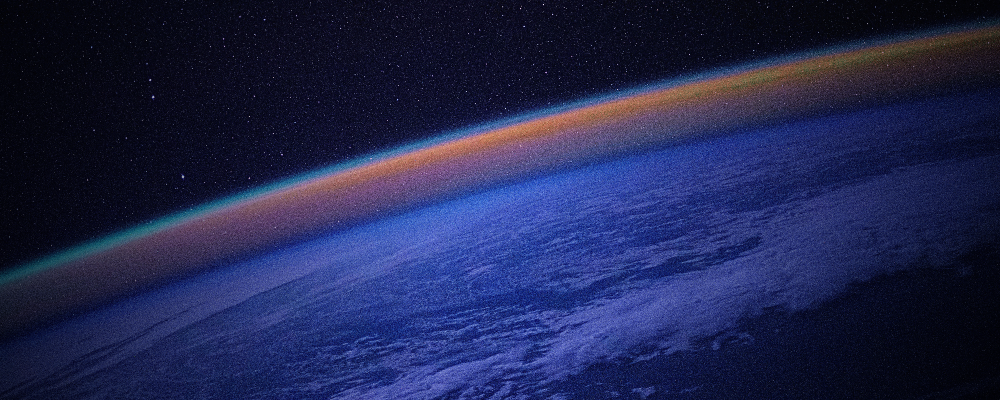
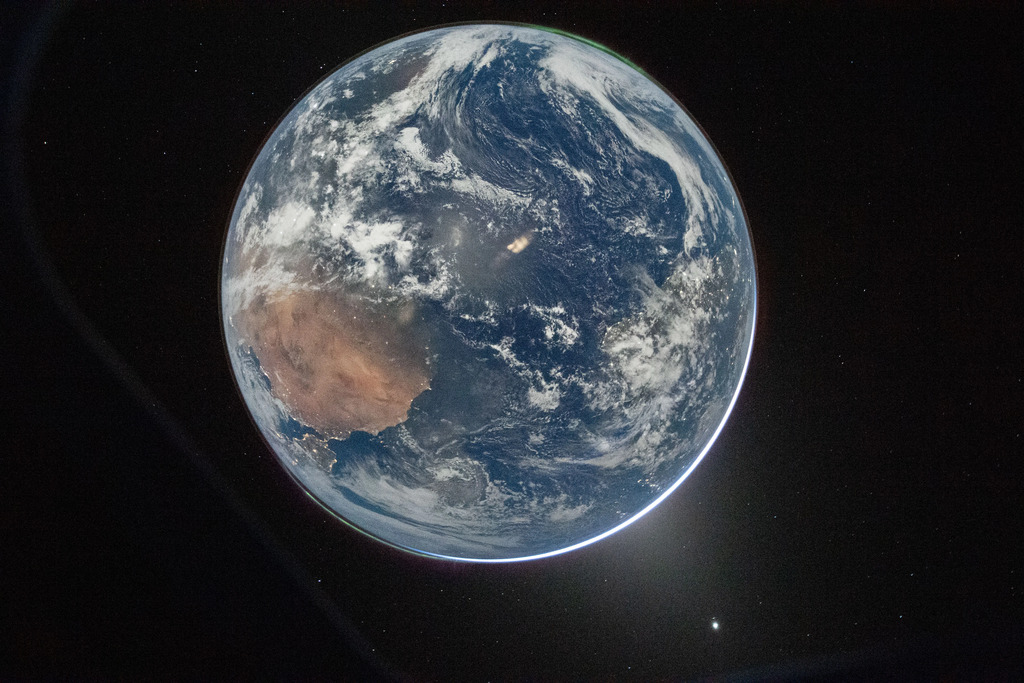
NASA astronaut and Artemis II Commander Reid Wiseman took this picture of Earth from the Orion spacecraft’s window after completing the translunar injection burn. There are two auroras (top right and bottom left), and zodiacal light (bottom right) is visible as the Earth eclipses the Sun.
Tuesday, 7 April 2026
Eyes on our Moon
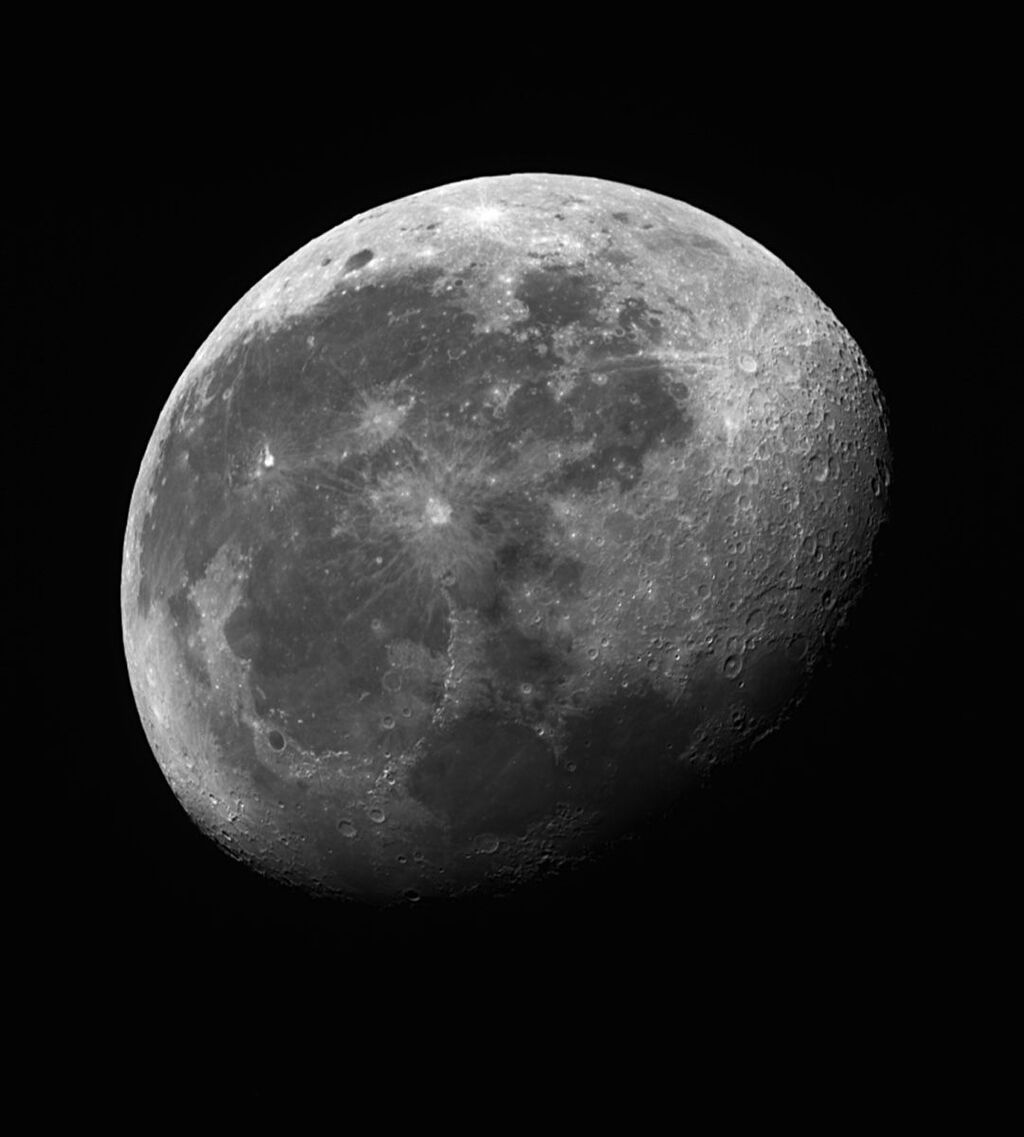
The Copernicus Sentinel-2 mission acquired this lunar image by rolling one of its satellites sideways to view the Moon instead of Earth. This is part of a regular calibration process, whereby the stable intensity of the Moon’s light makes it possible to detect and correct even the smallest changes in the performance of Sentinel-2’s instrument. This ensures data accuracy throughout the mission, which is critical for its applications.
With an impressive resolution of around 5 km, this image features several famous landmarks, including the Tycho, Copernicus, and Kepler craters, as well as the seas of Rain, Serenity, and Tranquillity. The Tycho Crater is the large, pale, impact crater at the top-right of the Moon in this image. The Sea of Tranquillity is where the Apollo 11 mission touched down in 1969, placing the first humans on the lunar surface. The last crewed mission, Apollo 17, landed in the Taurus-Littrow valley between Serenity and Tranquillity.
Wednesday, 8 April 2026
Extremely Large Telescope from Space
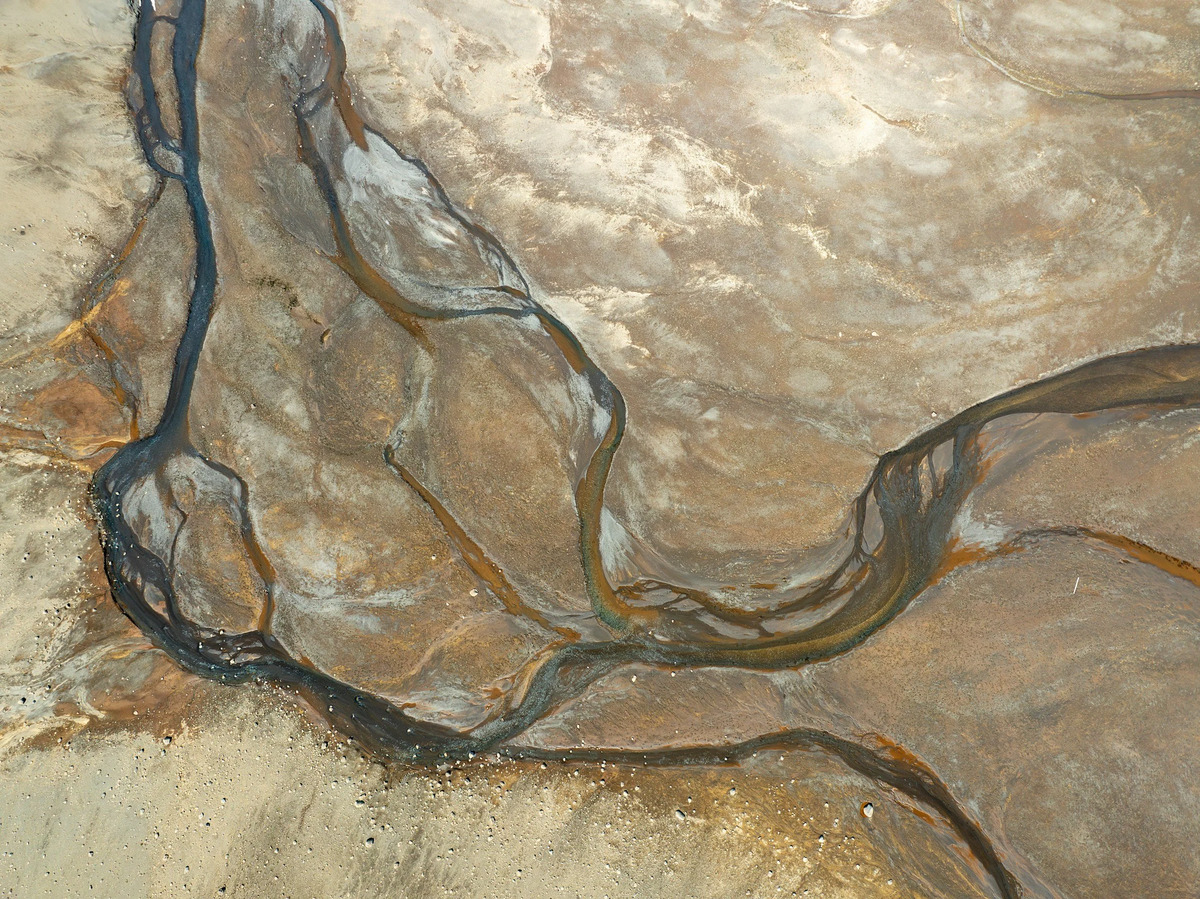
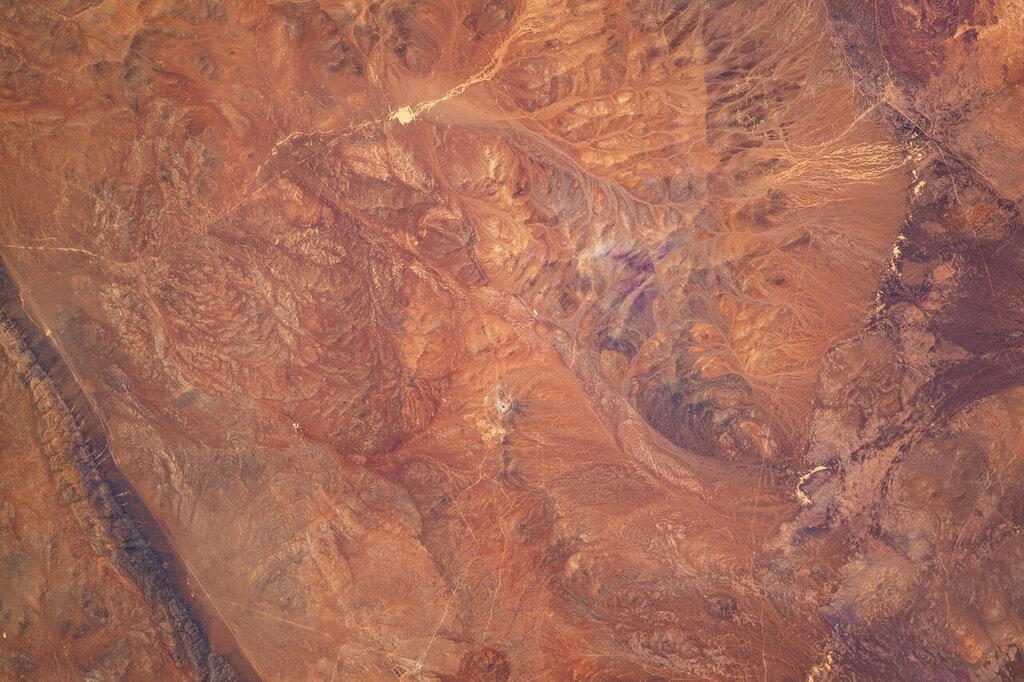
Like a tiny snail shell lying on a beach, a small spiral juts out from the expanse of the Atacama Desert. While most of the lines carving the landscape are natural consequences of geology, the circling path is in fact a road leading up the mountain Cerro Armazones. At the top sits ESO's Extremely Large Telescope (ELT), currently under construction, visible only as a black dot below the center of this image.
Pinpointing the ELT in the vast area of reds and greys might, at first, make its name seem excessive. But it is all a matter of perspective. This photo was taken by Sophie Adenot, a French engineer, helicopter pilot, and astronaut at the European Space Agency (ESA), currently on the International Space Station (ISS) for a long-duration mission called εpsilon. Even from her vantage point, more than 400 kilometers above the Earth's surface, the ELT is a distinguishable feature in the landscape.
Thursday, 9 April 2026
Supernova Fresh Look
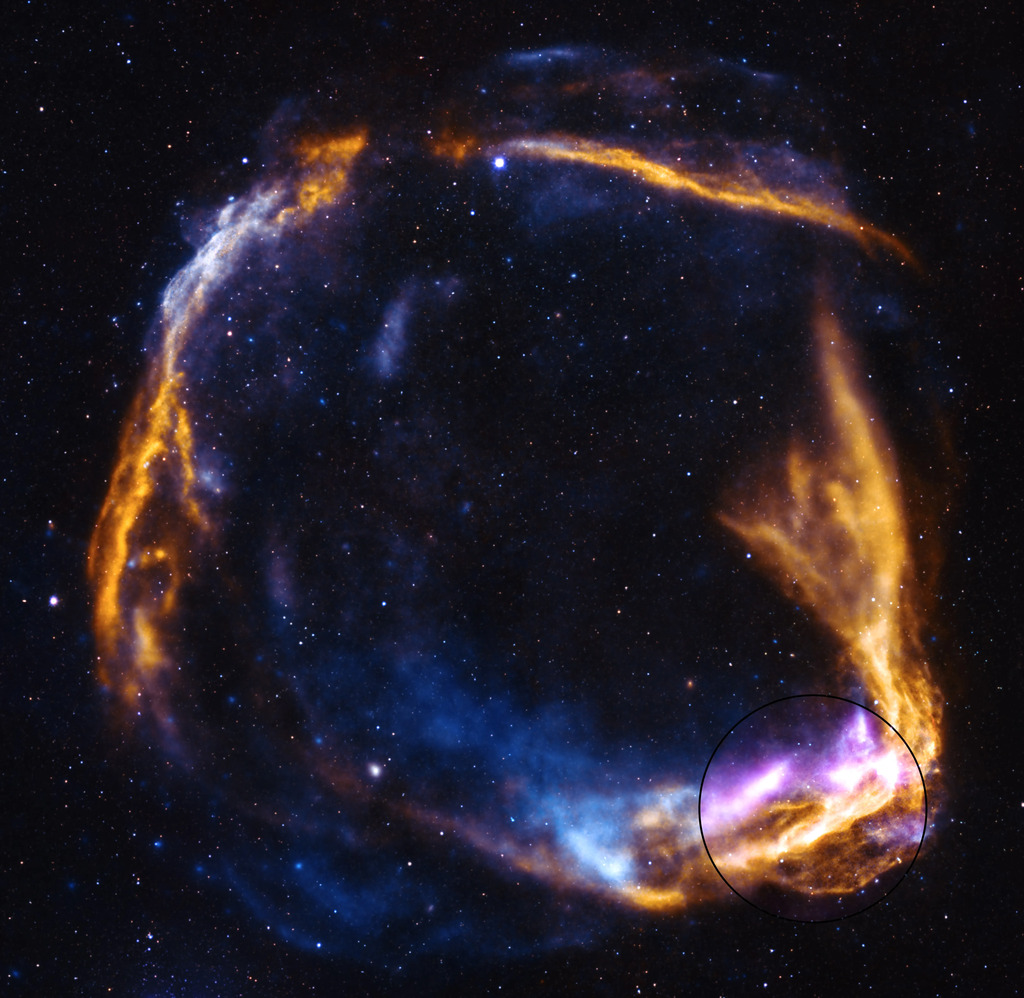
NASA’s IXPE (Imaging X-ray Polarimetry Explorer) mission has made a new observation of the supernova RCW 86, shown here in an image released on March 24, 2026. This observation helps fill in a fuller picture of what other telescopes have seen.
The full image combines IXPE’s data with legacy observations from two other X-ray telescopes: NASA’s Chandra and the ESA (European Space Agency) XMM-Newton telescope. The yellow represents low-energy X-rays, while blue shows high-energy X-rays detected by Chandra and XMM-Newton. The starfield in the image comes from the National Science Foundation’s National Optical-Infrared Astronomy Research Laboratory (NOIRLab).
Friday, 10 April 2026
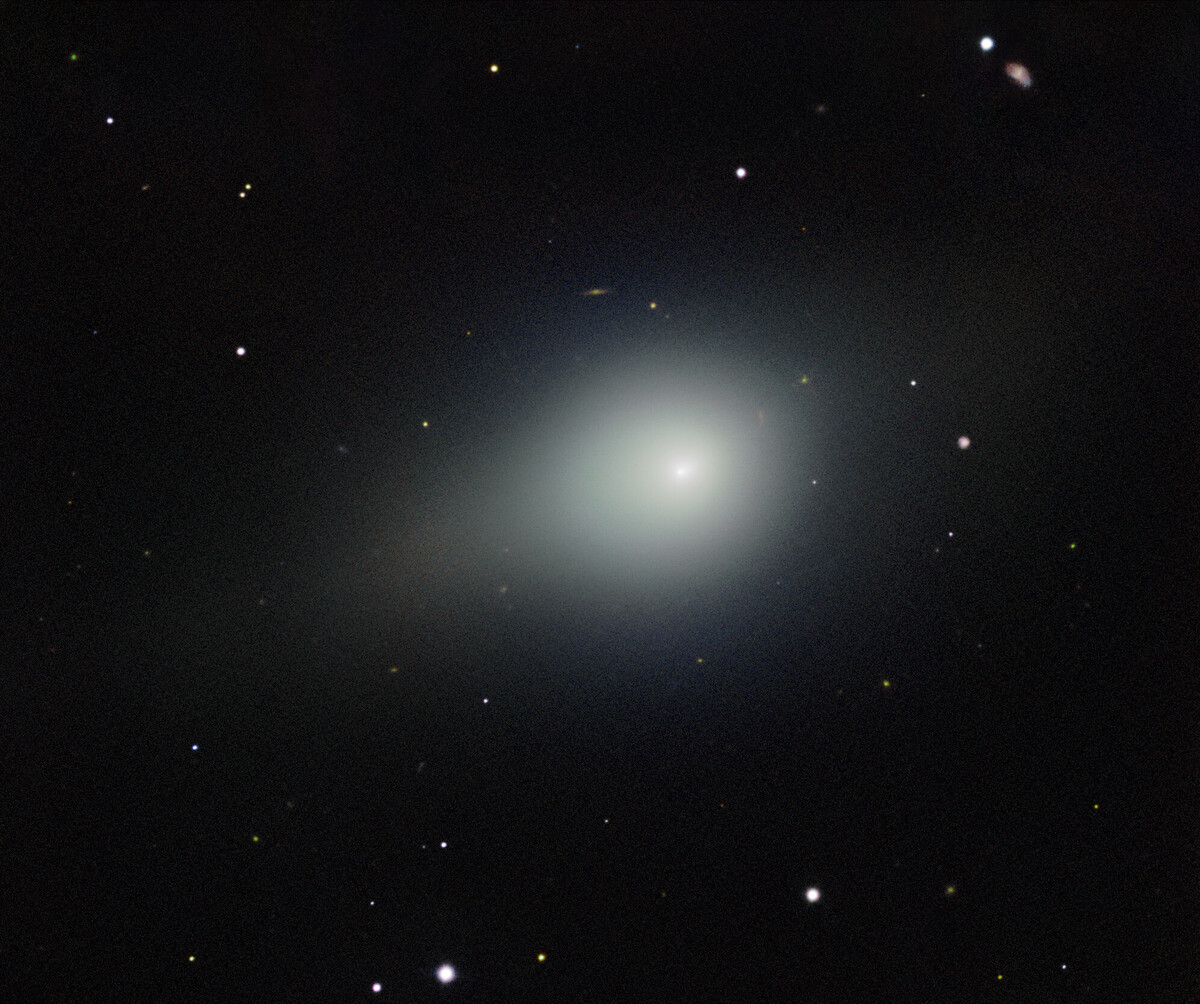
JANUS sees Comet 3I/ATLAS
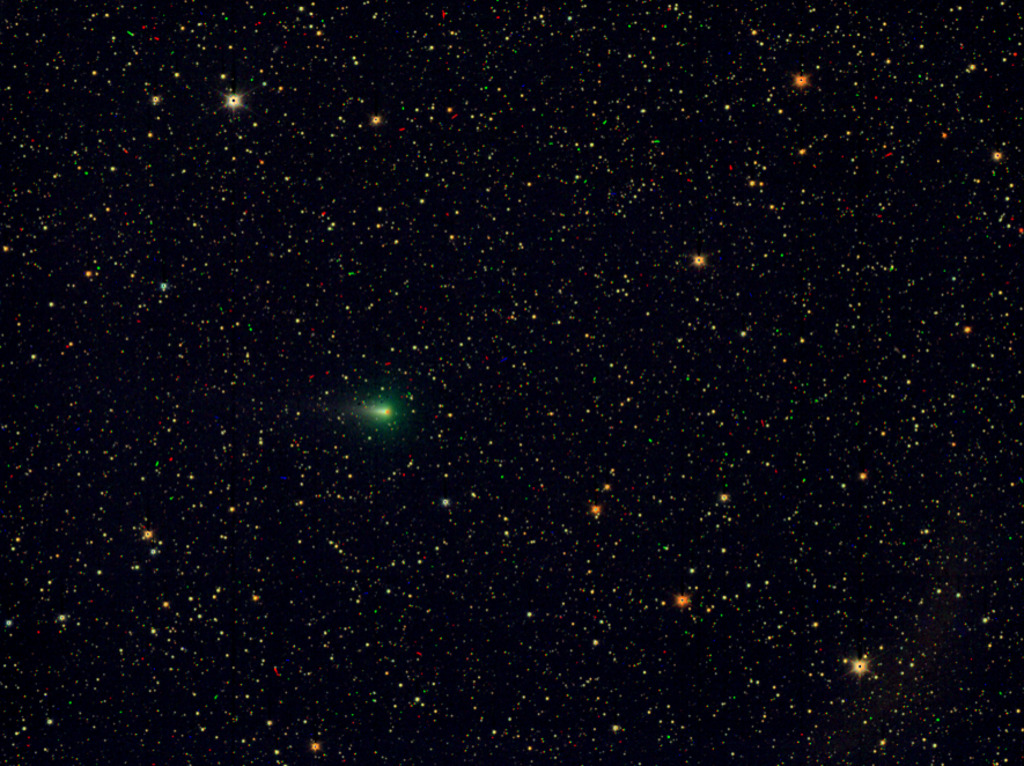
A red-green-blue image of 3I/ATLAS taken by Juice’s high-resolution science camera, JANUS, from more than 180 million km away. The comet seems to glow green because gases in the halo around the nucleus emit light at green wavelengths. Background stars have different colors depending on their temperatures.
News
Related News
Planetary Picture of the Day - Week of June 15, 2026
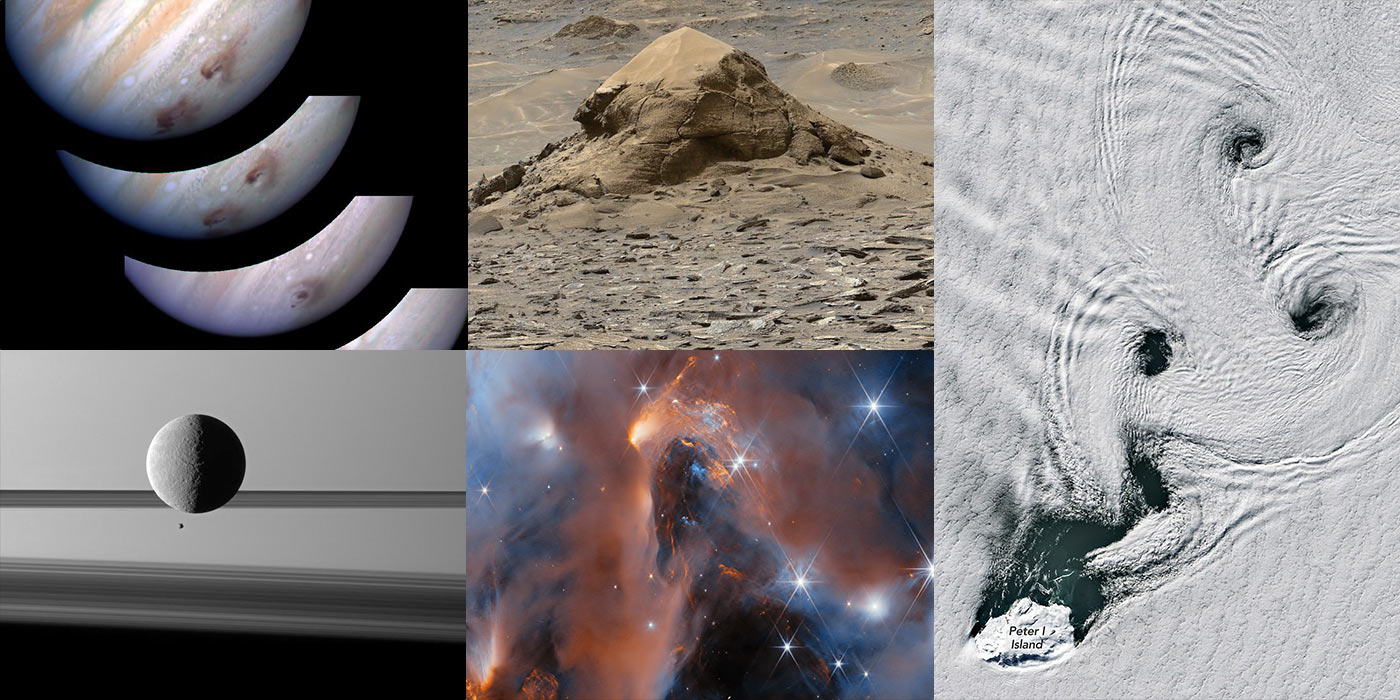
This collection showcases a solar system in motion, from Saturn’s moons playing tricks on perspective and a comet’s dramatic collision with Jupiter to winds swirling across Earth’s southern oceans and ancient landscapes on Mars. Together, these images reveal the forces that shape worlds over time—erosion, impacts, atmospheric currents, and planetary evolution—while capturing moments of beauty, violence, and wonder across the cosmos. #PPOD
Planetary Picture of the Day - Week of June 8, 2026
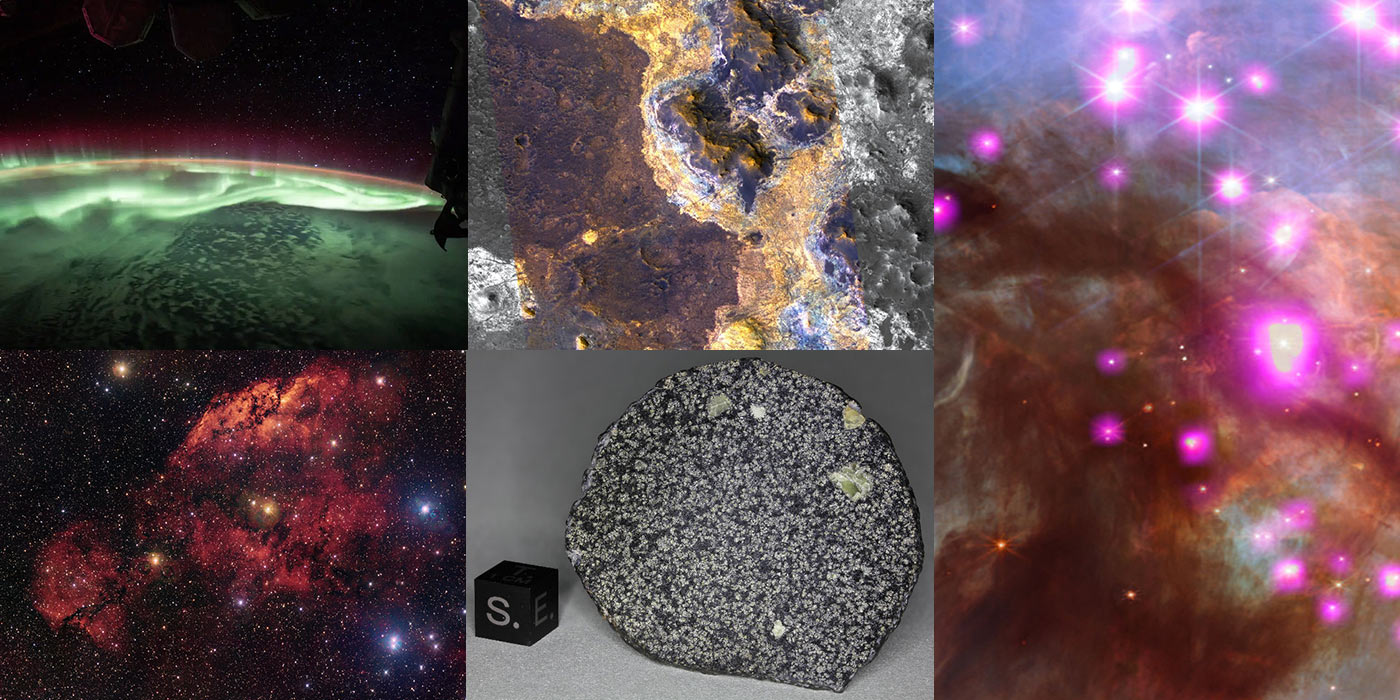
Ancient Martian landscapes, glowing auroras, and stellar nurseries come together in this week’s PPOD collection, highlighting worlds and phenomena shaped by billions of years of cosmic history. From a rare meteorite born in the earliest days of the solar system to colorful nebulae where new stars are forming today, these images offer a remarkable look at both our origins and the ongoing evolution of the universe. #PPOD
Planetary Picture of the Day - Week of June 1, 2026
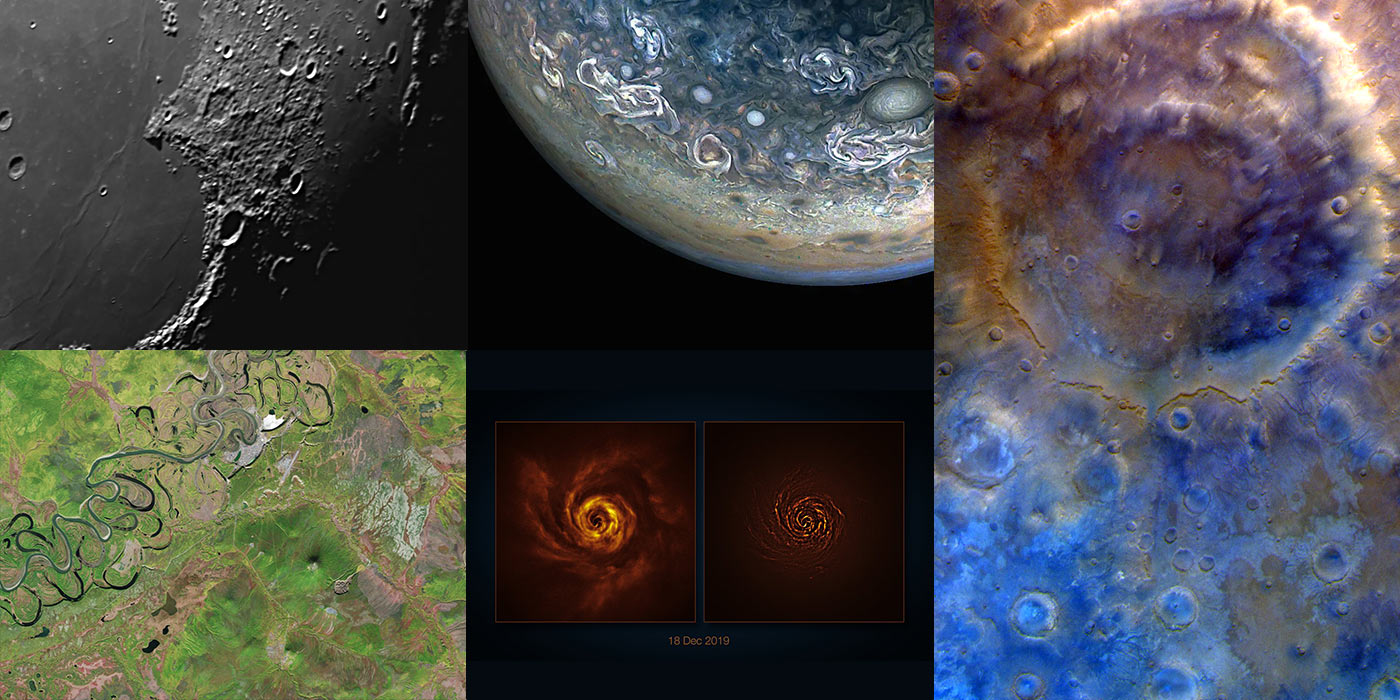
Our solar system contains dynamic worlds near and far, and our cameras capture amazing images of them every day, from a close-up flyby of Mars and the Moon’s beautiful Bay of Rainbows to the swirling storms of Jupiter. We also explore landscapes shaped by change, including Siberia’s expanding Batagaika mega-slump and a young star’s planet-forming disk, offering a glimpse of both Earth’s evolving surface and the processes that build new worlds. #PPOD
A Rare Visitor from Another Star System
#3I/ATLAS #Quiz
SETI Institute Looks for Signs of Technology in Interstellar Visitor 3I/ATLAS
Observations with the Allen Telescope Array set new limits on possible signals from extraterrestrial transmitters. #Press Releases #ATA #3I/ATLAS #Hat Creek Radio Observatory #Radio Astronomy #SETI
Planetary Picture of the Day - Week of May 25, 2026
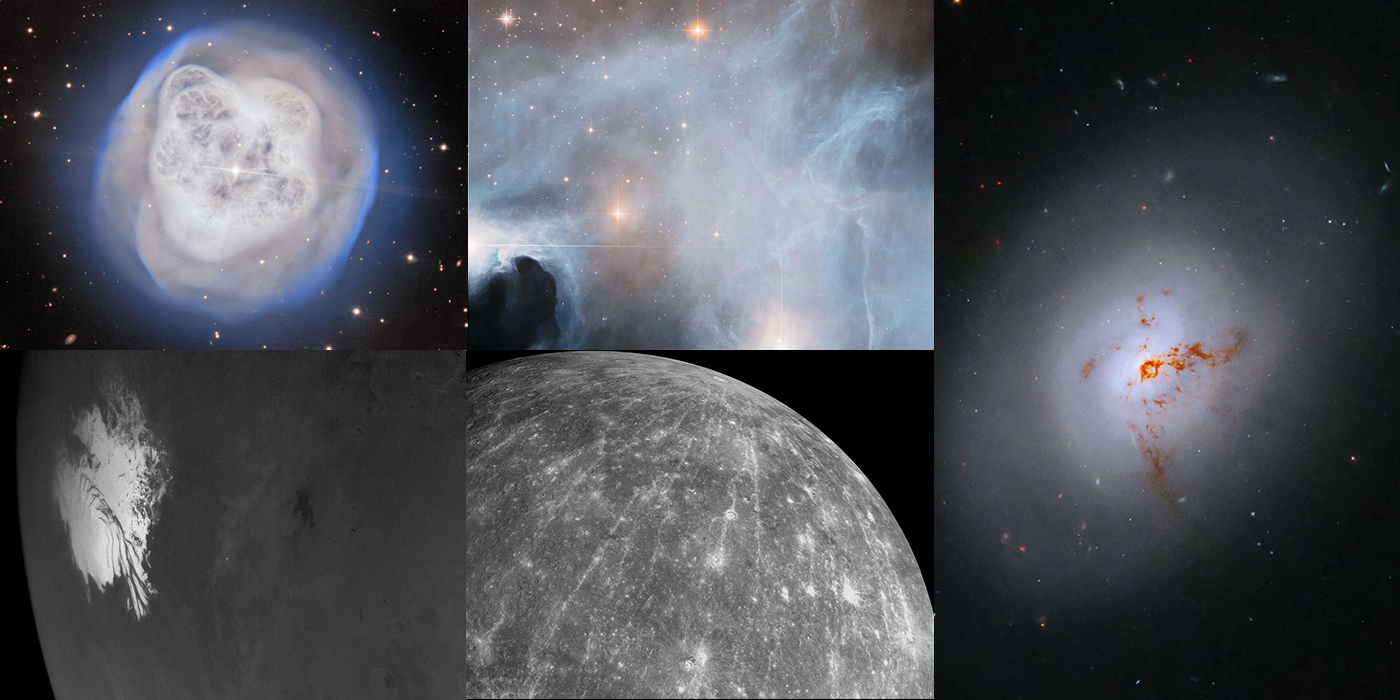
This week's images journeyed from the shimmering Crystal Ball Nebula to the icy south pole of Mars, highlighting beauty and change across our solar system and beyond. The collection also captured stars being born in a ghostly nebula, the dramatic rays of Mercury’s Hokusai Crater, and a distant galaxy caught in transition—offering a striking look at cosmic evolution across space and time. #PPODResearch
Related Projects
SkyMapper: Expanding Access to Real-time Astronomy Through a Global Astronomical Network
SkyMapper and the SETI Institute are connecting educators, students and the public to live astronomical observations through a distributed astronomical network. #SkyMapper #SETI #Citizen Science #Astronomy
Virtual Planetary Laboratory
How can we best assess whether an exoplanet supports life? #VPL
Discovery and Futures Lab
What happens if life beyond Earth is discovered? The Discovery and Futures Lab at the SETI Institute fosters novel and anticipatory research at the intersection of science, society, our planet, and the search for life beyond Earth. #Discovery and Futures LabSupport the
SETI Institute
Scientists are getting closer in their search for life beyond earth. But with limited federal funding for the search for extraterrestrial intelligence, supporters are the reason cutting-edge scientists can keep their eyes on the sky.