)

Meet Our Hosts

Lauren Sgro is a Research Scientist at the SETI Institute, where she leads the Unistellar citizen science Exoplanets Program and supports LaserSETI and science communication. She earned her PhD in Physics from the University of Georgia in 2022, specializing in the study of debris disks, and is passionate about making astronomy accessible to everyone.

Franck Marchis is a senior planetary astronomer at the SETI Institute and Chief Scientific Officer and Founder at Unistellar. He has dedicated his work to the study of our solar system, specifically the search for asteroids with moons, using mainly ground-based telescopes equipped with adaptive optics.


Simon Steel is Deputy Director of the Carl Sagan Center for Research at the SETI Institute. As an observational astrophysicist, he specialized in optical spectrophotometry, with an interest in the star formation histories of galaxies.


Bettina Forget is an art-science researcher, educator, and visual artist who joined the SETI Artist-in-Residence program in 2016 as a Researcher in Residence and became its Director in 2020. In this capacity, she facilitates collaboration between artists and the SETI Institute’s scientists, promotes art-science research, and weaves a network of institutional partners active in art, science, and technology.
50 Years on Mars: From Viking to Today's Rovers
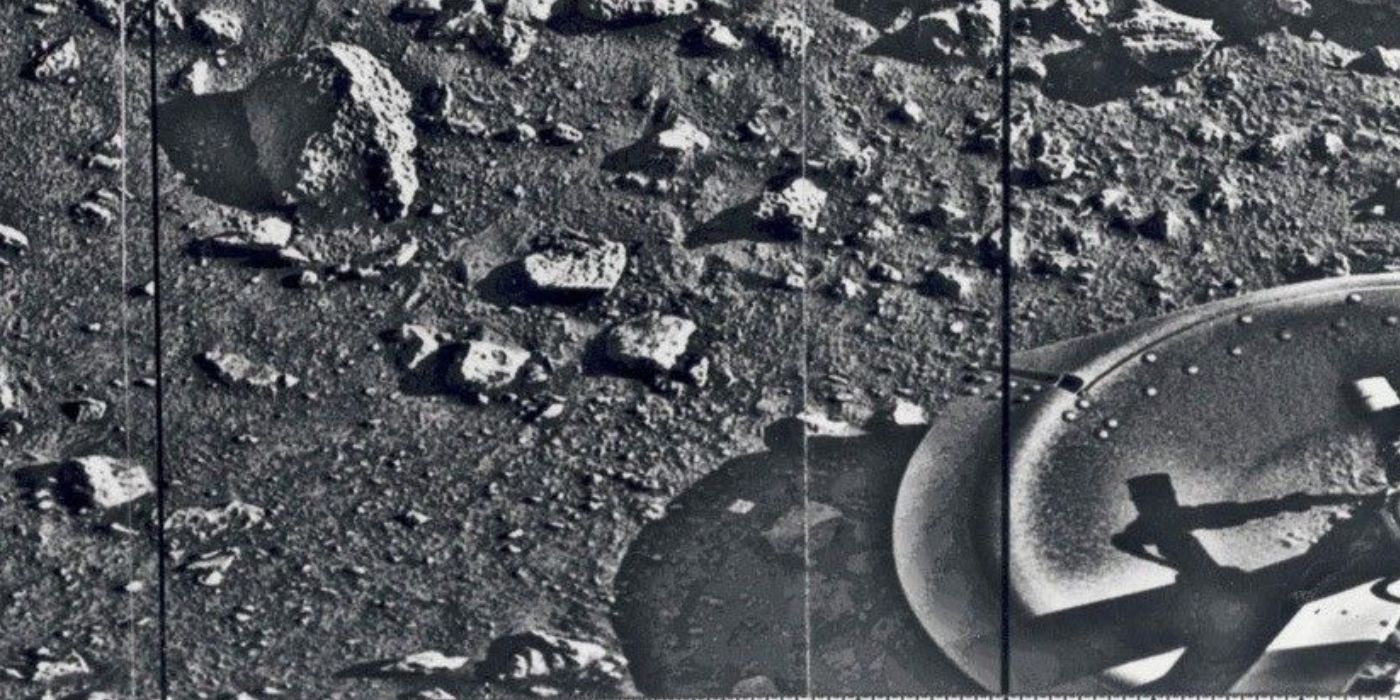
Fifty years ago, on July 20, 1976, Viking 1 became the first spacecraft to successfully land and operate on Mars, transforming our understanding of the Red Planet and launching a new era of planetary exploration. Today, sophisticated robotic explorers like Curiosity and Perseverance continue that legacy, searching for signs of ancient habitability and preparing the way for future human missions.
Join host Dr. Simon Steel and planetary scientist Dr. Pascal Lee as they explore the remarkable history of Mars rovers and landers—from Viking, Sojourner, Spirit, Opportunity, Curiosity, and Perseverance to the next generation of robotic explorers being developed for Mars, the Moon, and beyond. They'll discuss what we've learned from five decades of exploration, the technologies that made it possible, and where robotic exploration may take us next. Recent concepts even include adapting Mars rover technology for future lunar missions.
What have Mars rovers taught us about our neighboring world? What mysteries remain unsolved? And what might the next 50 years of planetary exploration look like?
SETI Live
Upcoming Episodes
Jul 30, 2026 | 2:30 PM – 3:00 PM
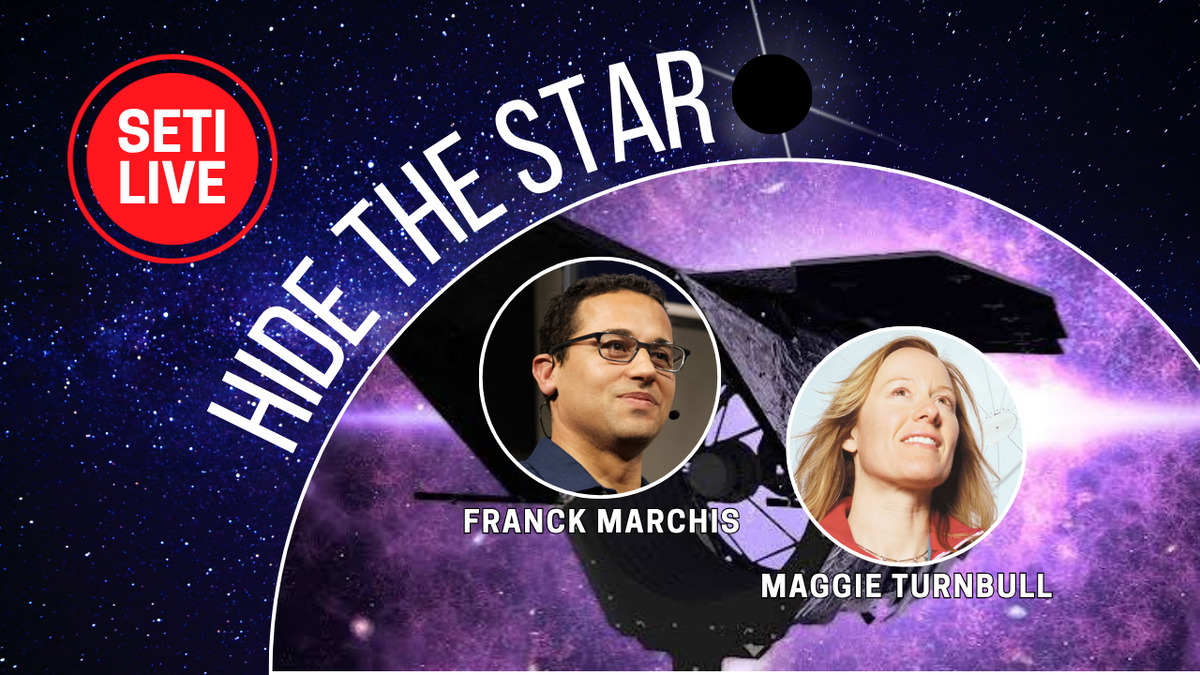
SETI Live: Hide the Star: How Roman Will See Exoplanets
#SETI Live #Franck Marchis #Margaret Turnbull #NASA Missions and Observatories #Exoplanets
Jul 30, 2026 | 2:30 PM – 3:00 PM
#SETI Live
#Franck Marchis
#Margaret Turnbull
#NASA Missions and Observatories
#Exoplanets
Jul 23, 2026 | 2:30 PM – 3:00 PM
SETI Live: 50 Years on Mars: From Viking to Today's Rovers
#SETI Live #Mars #Pascal Lee #Simon Steel #Planetary Exploration #Solar System
Jul 16, 2026 | 2:30 PM – 3:00 PM
SETI Live: A New Way to Search for Alien Civilizations
Are we searching for extraterrestrial intelligence the wrong way? #SETI Live #Lauren Sgro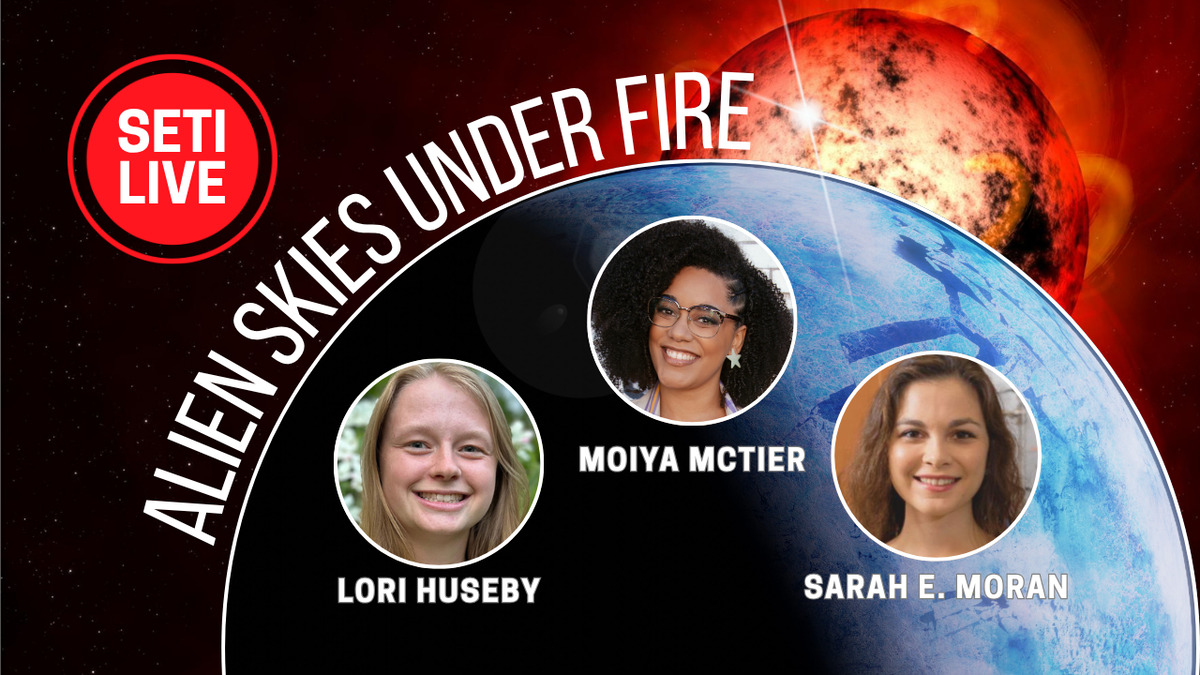
Jul 9, 2026 | 2:00 PM – 2:30 PM
SETI Live: Alien Skies Under Fire
What UV Radiation Does to Exoplanets #SETI Live #Moiya McTier
Jun 18, 2026 | 2:30 PM – 3:00 PM
SETI Live: How Clouds Hide Alien Worlds—and How Astronomers See Through Them
#SETI Live #Lauren Sgro
Jun 16, 2026 | 11:00 AM – 11:30 AM
SETI Live: Humanity's Plan for First Contact: Who Speaks for Earth?
What happens after we discover evidence of extraterrestrial intelligence? #SETI Live #Lauren Sgro #Lucian Walkowicz #Chelsea Haramia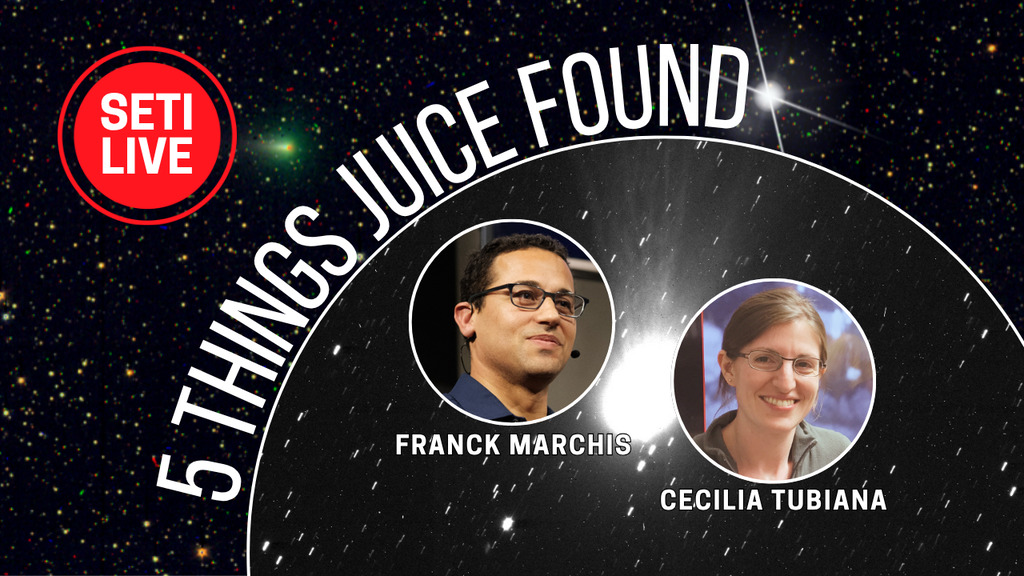
Jun 11, 2026 | 9:00 AM – 9:30 AM
SETI Live: What Juice Revealed About Interstellar Comet 3I/ATLAS
#SETI Live #Franck Marchis
Jul 23, 2026 | 2:30 PM – 3:00 PM
#SETI Live
#Mars
#Pascal Lee
#Simon Steel
#Planetary Exploration
#Solar System
SETI Live: 50 Years on Mars: From Viking to Today's Rovers
Jul 16, 2026 | 2:30 PM – 3:00 PM
SETI Live: A New Way to Search for Alien Civilizations
Are we searching for extraterrestrial intelligence the wrong way?
#SETI Live
#Lauren Sgro
Jul 9, 2026 | 2:00 PM – 2:30 PM
SETI Live: Alien Skies Under Fire
What UV Radiation Does to Exoplanets
#SETI Live
#Moiya McTier
Jun 18, 2026 | 2:30 PM – 3:00 PM
#SETI Live
#Lauren Sgro
SETI Live: How Clouds Hide Alien Worlds—and How Astronomers See Through Them
Jun 16, 2026 | 11:00 AM – 11:30 AM
SETI Live: Humanity's Plan for First Contact: Who Speaks for Earth?
What happens after we discover evidence of extraterrestrial intelligence?
#SETI Live
#Lauren Sgro
#Lucian Walkowicz
#Chelsea Haramia
Jun 11, 2026 | 9:00 AM – 9:30 AM
#SETI Live
#Franck Marchis
SETI Live: What Juice Revealed About Interstellar Comet 3I/ATLAS
Founded in 1984, the SETI Institute is a non-profit, multi-disciplinary research and education organization whose mission is to lead humanity’s quest to understand the origins and prevalence of life and intelligence in the Universe and to share that knowledge with the world.
Support Us
Support the
SETI Institute
Scientists are getting closer in their search for life beyond earth. But with limited federal funding for the search for extraterrestrial intelligence, supporters are the reason cutting-edge scientists can keep their eyes on the sky.
